As cultural tourism attracts growing attention, Booking.com has introduced a selection of UNESCO-recognised World Heritage Sites where travellers can discover distinctive cultural and historical values without having to face the pressure of overcrowding.
Notably, Viet Nam’s Yen Tu–Vinh Nghiem–Con Son, Kiep Bac Complex of Monuments and Landscapes is among the five destinations selected by the travel platform for introduction.
UNESCO has so far recognised 1,273 World Heritage Sites worldwide. While many famous heritage sites attract millions of visitors each year, quite a few places still retain a relatively peaceful atmosphere, allowing travellers to experience their distinctive values.
According to Booking.com’s Travel Trends 2026 report, 45% of surveyed Vietnamese travellers expressed interest in cultural exploration trips this year.
Viet Nam: A journey to the heritage land of Yen Tu
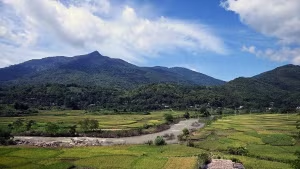
Inscribed on the UNESCO World Heritage List in 2025, the Yen Tu–Vinh Nghiem–Con Son, Kiep Bac Complex of Monuments and Landscapes became Viet Nam’s ninth World Heritage Site.
Spanning Quang Ninh, Bac Ninh, and Hai Phong, the heritage complex is closely associated with the formation and development of the Truc Lam Zen Buddhist sect — a school of Zen deeply imbued with Vietnamese cultural identity and Buddhist thought.

The complex’s historical value is linked to Buddhist King Tran Nhan Tong, a king who played an important role in the resistance wars against the Yuan-Mongol invaders in the 13th century. After abdicating, he entered religious life at Yen Tu and became the founder of the Truc Lam Zen Buddhist sect.
The heritage journey takes visitors to architectural works, religious spaces, and natural landscapes associated with the history of Vietnamese Buddhism. Highlights include Dong Pagoda on the summit of Yen Tu, Vinh Nghiem Pagoda with its valuable collection of Buddhist woodblocks, and the Con Son-Kiep Bac relic site.
The UNESCO inscription of the complex opens further opportunities to promote Viet Nam’s cultural heritage to international visitors, while also placing greater emphasis on preserving original values in connection with sustainable tourism development.
Republic of Korea: An ancient village preserving Joseon-era ways of life
Hahoe Village, in Gyeongsangbuk-do Province, is one of the Republic of Korea’s most representative traditional villages. It was formed around the 14th and 15th centuries and is associated with the Pungsan Ryu clan.
A distinctive feature of Hahoe is that its architectural space and community life have been maintained over many generations. Descendants of the founding clan continue to live there, helping to preserve the traditional customs and cultural values.

The village is notable for more than 100 hanok houses, built with materials such as wood, clay, and stone, together with the distinctive curved tiled roofs of Joseon-era architecture.
The village space is organised according to traditional Korean feng shui principles, harmonising with the terrain and the river that surrounds it.
Laos: The peaceful charm of the ancient capital Luang Prabang
Located at the confluence of the Mekong and Nam Khan rivers, Luang Prabang is one of Laos’s important cultural and Buddhist centres.
Recognised by UNESCO as a World Heritage Site, the ancient town stands out for its combination of traditional Lao architecture and structures bearing European influences from the 19th and 20th centuries.

Luang Prabang now preserves more than 30 Buddhist temples, including Wat Xieng Thong — a representative religious structure built in the 16th century.
One of the area’s distinctive cultural practices is the Tak Bat almsgiving ritual each morning, when monks walk through the streets to receive food offered by the local residents.
United States: An ancient settlement of the Taos Pueblo Indigenous community
In the state of New Mexico, the United States, Taos Pueblo is one of the preserved ancient settlements of Indigenous people, with a history dating back to before the arrival of the Spanish in the Americas.
The heritage site is known for its multi-storey structures built with traditional earthen materials, including the two main house blocks, Hlauuma and Hlaukwima, which date from around 1000 to 1450.

Taos Pueblo remains a living space where the Indigenous community maintains its cultural values. Some residents continue to live in the ancient houses, preserving traditional ways of life.