POLITBURO RESOLUTION NO. 71-NQ/TW
on Breakthroughs in Education and Training Development


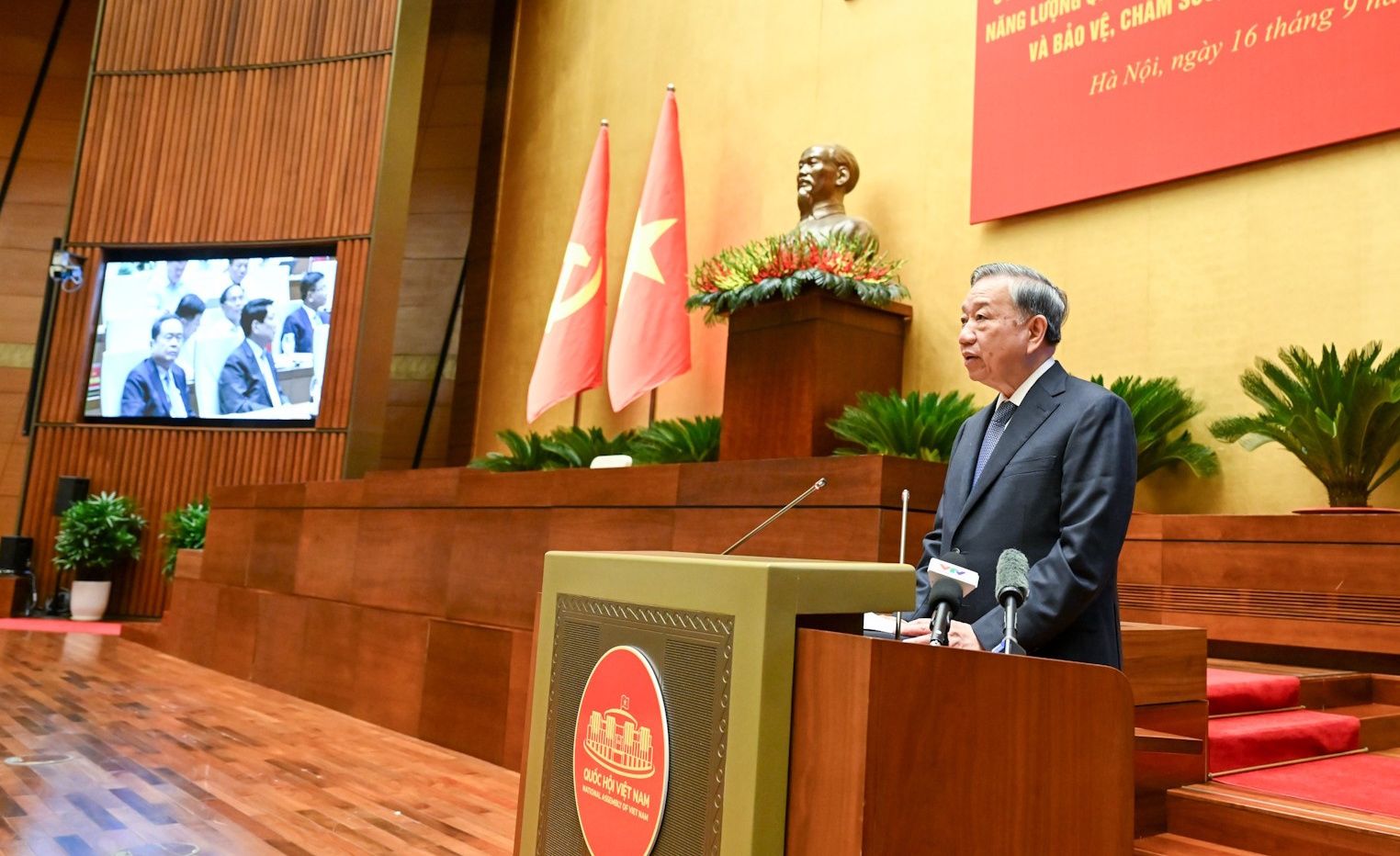
Resolution No. 71-NQ/TW clearly affirms that education and training are the foremost national policy and a key driving force for national development. Investment in education is investment in nurturing and enhancing the nation’s “vital energy”; it is investment in the future of the nation. This is the most critical of all critical fields, the fundamental driver for productivity growth, breakthroughs in national competitiveness, and the nurturing of development aspirations.
(Remarks by General Secretary To Lam at the National Conference to disseminate and implement Politburo Resolutions 59, 70, 71 and 72 on September 16, 2025)

Resolution No. 71-NQ/TW affirms a profound and comprehensive understanding, and the consistent implementation, of the view that education and training are the foremost national policy, decisive for the future of the nation.
The development of education and training is the cause of the Party, the State and the entire people.
The State plays the role of strategic orientation and development facilitation, ensuring resources and equity in education; guaranteeing a sufficient number of schools, classes and teachers to meet the learning needs of the people.
Society as a whole bears responsibility for supporting education, contributing resources and supervising its development.
The Resolution also stresses that Viet Nam is standing at a historic opportunity for breakthrough development.
Building people and developing human resources are of paramount and urgent importance, requiring breakthroughs in education and training to help forge a new generation of Vietnamese people with patriotism and national pride, sufficient mettle, intellect, capacity, qualifications and health to meet the goals of national construction and development and national defence in a new development phase.

Objectives and Vision
2030
💡Expand equitable access and enhance the quality of early childhood and general education to reach an advanced level in Asia.
💡Build and train human resources, especially high-quality human resources, meeting the requirements for Viet Nam to become a developing country with modern industry and upper-middle income.
💡Elevate higher education institutions to truly become national and regional centres of research, innovation and start-ups.
2035
💡The education and training system continues to be modernised, achieving strong and steady progress in access, equity and quality.
💡Complete universal upper secondary education and equivalent programmes.
💡Strive to have at least two higher education institutions ranked among the world’s top 100 universities.
2045
💡Viet Nam will have a modern, equitable, and high-quality national education system, ranking among the world’s top 20 countries.
💡Everyone will have opportunities for lifelong learning to improve qualifications and skills and maximise their personal potential.
💡A high-quality workforce and science-and-technology talent will become a key driver and core competitive advantage of the country.
💡Aim for at least five universities to be placed in the global top 100.

Tasks & Solutions

#1: Raise awareness, renewing thinking and action, and demonstrating strong political will to deliver a breakthrough in education and training.
⭐ Ensure a full and profound understanding — throughout the political system and across society — of the Party’s views and guidelines and Ho Chi Minh’s thought on education and training.
⭐ Continue to vigorously renew leadership thinking and direction, making a decisive shift from administrative management to a development-enabling approach, modern governance, and resolute action. Placing the development of education and training within national and social governance to ensure alignment with socio-economic orientation, planning, and development strategies; making education and training objectives, tasks, and solutions a central focus of strategies, master plans, policies, programmes and development plans across sectors, and prioritising resources for implementation.
⭐ Strengthen the Party organisation’s comprehensive and direct leadership, especially the role of the Party Committee head in education institutions. Do not establish school councils in public education institutions (except public schools with international agreements). Implement the model in which the Party Committee Secretary concurrently serves as the head of the education institution.

#2: Make strong institutional reforms and introducing special, breakthrough mechanisms and policies for education and training development.
⭐ Focus on refining legal provisions to promptly remove institutional, mechanism, and policy bottlenecks; improving the quality and effectiveness of law-making and law enforcement; promoting innovation and fostering education and training development.
⭐ Adopt special preferential policies for teachers; raising occupational preferential allowances for pre-school and general education institutions to at least 70% for teachers and at least 30% for staff; 100% for teachers working in especially disadvantaged areas, border and island areas, and ethnic minority areas.
⭐ Ensure full and comprehensive autonomy for higher education institutions and vocational education institutions, regardless of their level of financial autonomy.
⭐ Fundamentally reform financial and investment mechanisms and policies for education and training. Allocating state budget funding to higher education institutions and vocational education institutions based on their mission, quality, and effectiveness.
⭐ State budget expenditure for education and training shall reach at least 20% of total state budget expenditure. Consensus has been reached on the policy to formulate and implement a new National Target Programme on modernisation and quality enhancement of education and training for the 2026–2035 period, with priority given to investment in higher education.
⭐ Expand policies on financial support and preferential credit for learners; formulate and implement a Talent Training Scheme; establish a National Scholarship Fund and effectively mobilise and utilise other talent- and learning-promotion funds from the state budget and other lawful sources.
⭐ Raise standards for educational institutions at all levels of education, with benchmarks gradually approaching regional and international standards.
⭐ Develop sufficiently strong mechanisms and policies to encourage organisations and enterprises to invest in the development of education and training.

#3: Strengthen comprehensive education in ethics, intellect, physical fitness and aesthetics, and shaping the value system of Vietnamese people in the new era
⭐ Focus on completing the legal system, mechanisms and policies to ensure requirements for education in ethics, character and the standard value system of Vietnamese people across all areas of political, economic and social life. Develop and concretise the value system of Vietnamese people in the new era, integrating it consistently throughout educational curricula at all levels of education.

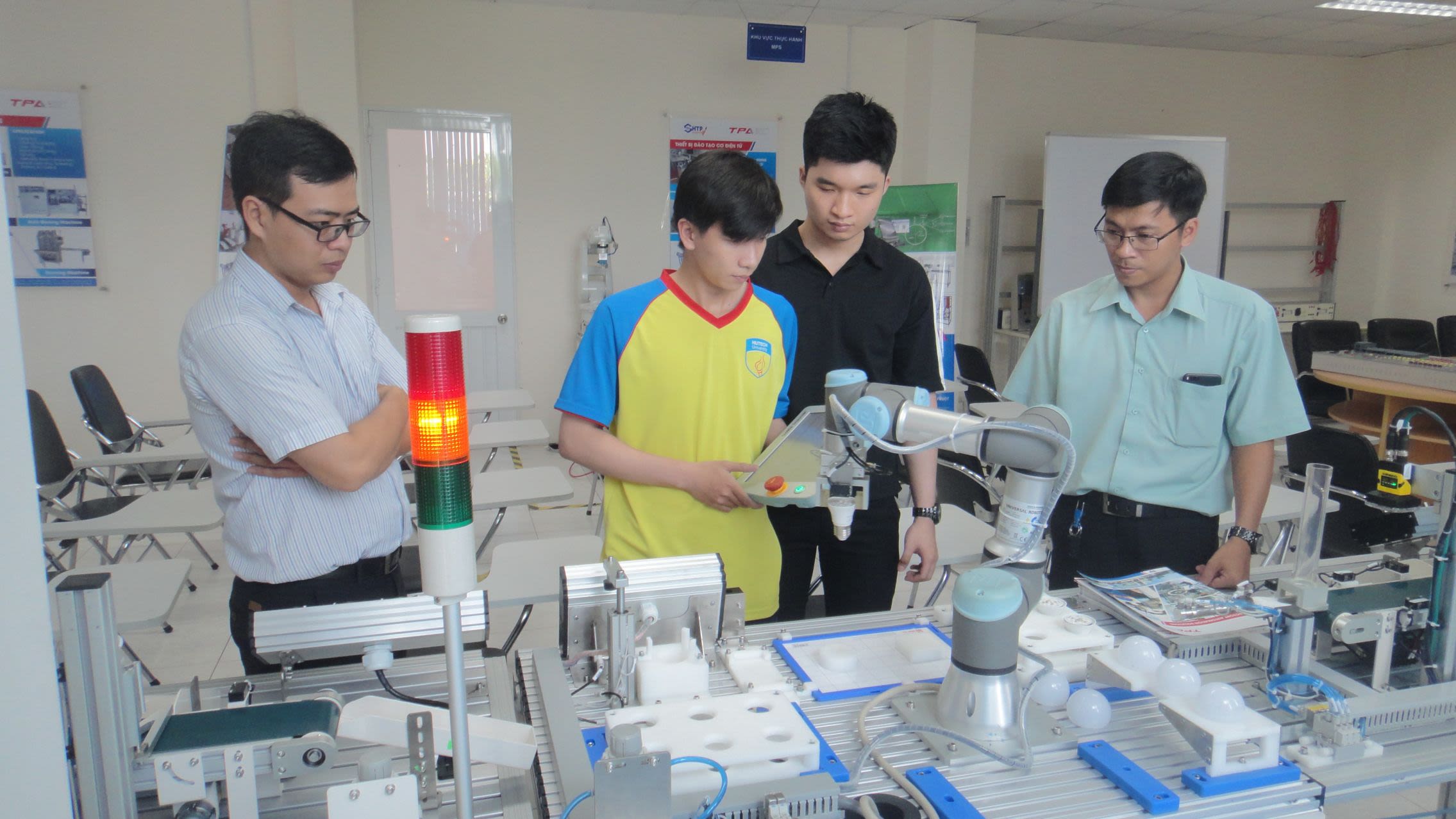
#4: Comprehensive digital transformation, universalisation and strong application of digital technology and artificial intelligence in education and training
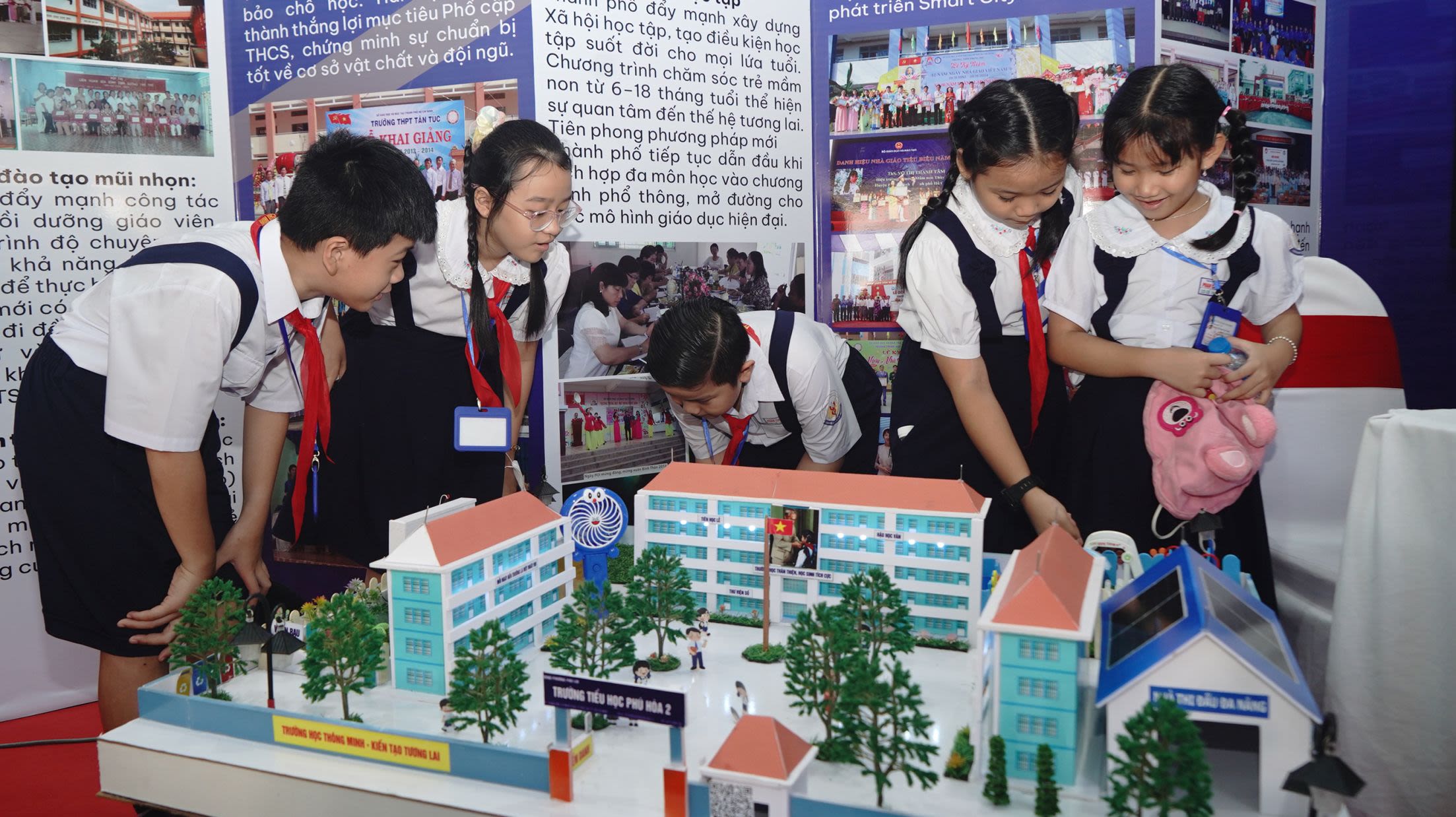
⭐ Formulate a data strategy to serve digital transformation and develop a national education platform applying artificial intelligence in a controlled manner; allocate sufficient resources to invest in facilities and technological infrastructure for the management and organisation of educational and training activities at all levels nationwide.
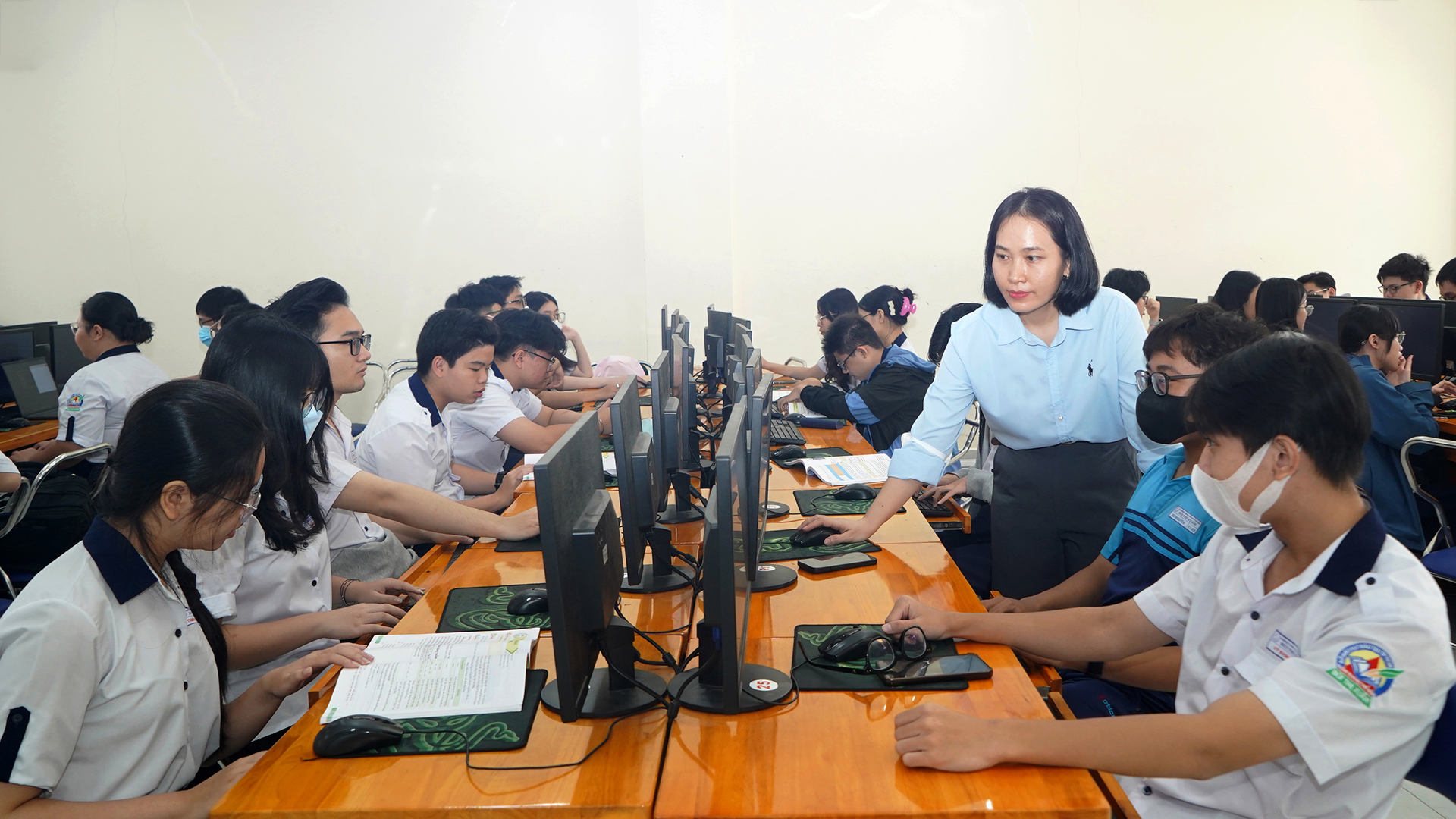
⭐ Develop smart education platforms, smart textbooks and teaching materials; apply science and technology and artificial intelligence to innovate teaching and learning methods, testing and assessment; promote digital education models, artificial intelligence education, smart education governance, digital schools and smart classrooms.
⭐ Develop the national education and human resources information system, ensuring interconnection with the labour market and employment information system, and integrating science, technology and innovation information from educational institutions.
⭐ Enhance digital and artificial intelligence competency standards for learners and teaching staff at all levels of education.

#5: Focusing on building a standardised teaching workforce and school facilities, and improving the quality of preschool and general education
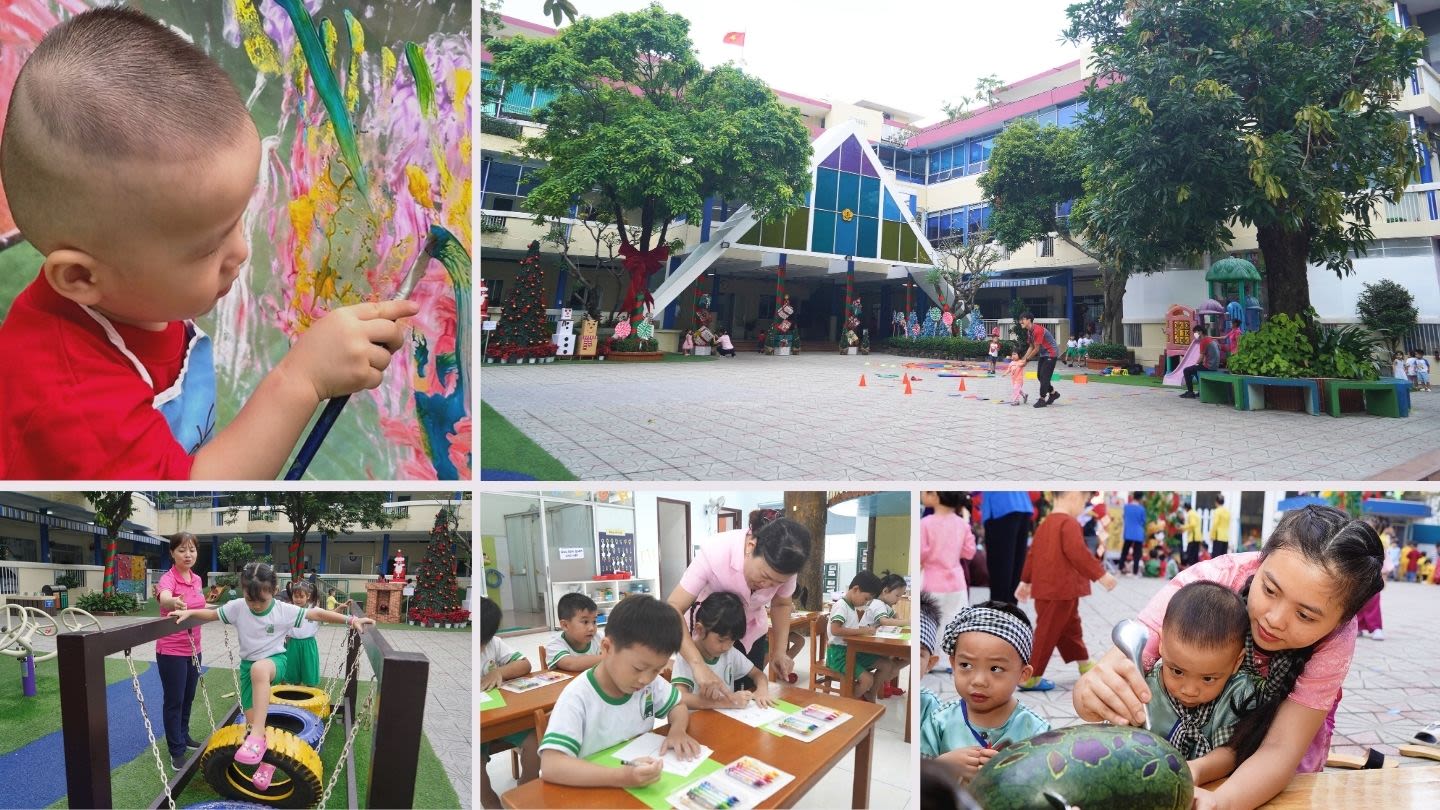
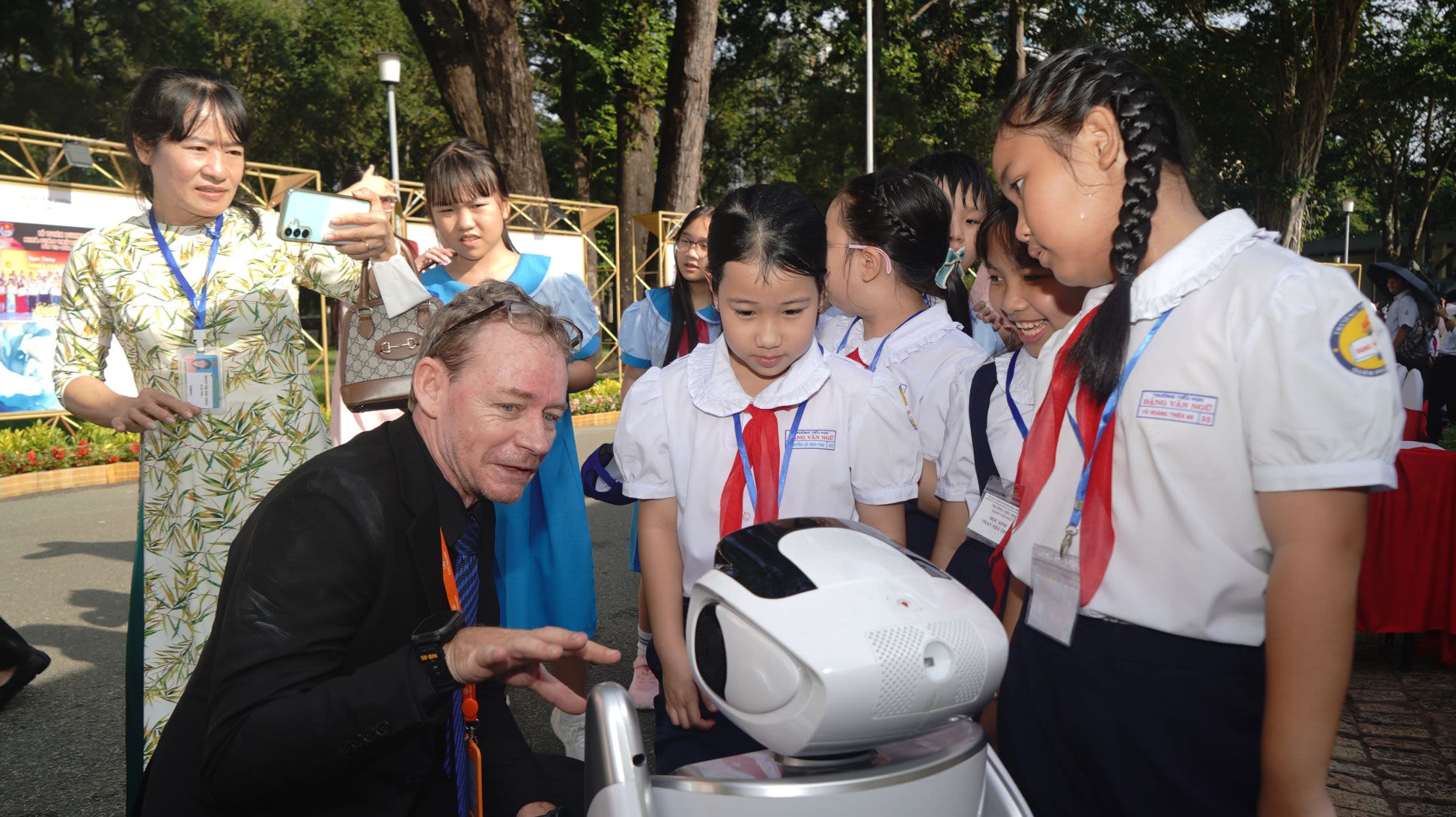
⭐ Care for children’s education from the earliest stages of life, and prepare sufficient conditions to implement universal preschool education for children aged 3 to 5.
⭐Review and perfect standards and regulations, ensure the quantity, quality, and structure of the contingent of teachers.
⭐ Concentrate investment resources on construction, solidification, and modernisation of schools and classrooms. Complete the building of the network of boarding general education schools in ethnic minority areas, disadvantaged areas, and border areas before 2030. Expand the university preparatory training system for ethnic minority and mountainous students.
⭐ Place emphasis on education in ideology, tradition, ethics, physical education, and aesthetics; career guidance education and soft skills. Increase teaching time for science, technology, information technology, and the arts. Integrate knowledge of digital capacity and artificial intelligence into the general education curriculum. Review and evaluate the implementation of the general education curriculum. Ensure the provision of a unified set of textbooks nationwide, striving to provide free textbooks for all students by 2030.
⭐ Renew the model of specialised and gifted schools to focus on nurturing national talents; expand specialised STEM/STEAM classes. Strengthen the teaching and learning of foreign languages, gradually making English a second language in schools, and teaching the languages of neighbouring countries.

#6: Reform and modernise vocational education, creating breakthroughs in the development of highly skilled human resources.
⭐ Focus on developing the system of vocational education institutions. Reorganise and restructure existing institutions to ensure they are streamlined, efficient, and meet standards. Select and invest in upgrading institutions that operate effectively.
Reform the vocational education model; strongly renew curricula and training methods, apply technology and quality management to ensure effectiveness and substance in line with international standards. Improve mechanisms and policies to promote linkages between schools and enterprises, and strengthen training at enterprises. Place orders for, and assign tasks of training vocational education teachers and lecturers using the state budget.
⭐ Prioritise the allocation of state budget funding for training a highly skilled workforce in technical and technological occupations, and for serving strategic and key national programmes and projects.
⭐ Introduce policies to attract experts and highly skilled workers to participate in teaching and guiding vocational skills.

#7: Modernise and elevate higher education, creating breakthroughs in the development of high-level human resources and talents, and leading research and innovation.
⭐ Urgently build a strategic framework for higher education development.
⭐ Invest in modernising technical infrastructure and expanding development space for higher education institutions to operate effectively.
⭐ Encourage planning and construction of high-tech urban areas—universities; vigorously promote the development of higher education institutions modelled on innovative, creative universities and next-generation technology universities, becoming driving forces in regional innovation ecosystems; support effective implementation of State–University–Enterprise cooperation.
⭐ Expand programmes and projects to train and develop academic staff, with increased support for lecturers pursuing advanced studies both domestically and abroad.
⭐ Radically reform training programmes to meet international standards; integrate content on data analysis and artificial intelligence, entrepreneurial spirit, and start-ups.
⭐ Develop a project to innovate university admissions; strengthen quality management linked to appropriate support policies for doctoral training, teacher training, healthcare, law, and other key sectors.

#8: Vigorously promote extensive international cooperation and integration in education and training
⭐ Expand, diversify, and deepen international cooperation mechanisms in education, training, and scientific research.
⭐ Refine mechanisms and policies to effectively support higher education institutions in partnering and linking with reputable foreign universities and major enterprises. Strengthen quality management, safeguard cultural security, and promote education on Vietnamese language, history, culture, geography, and people in foreign-influenced educational institutions and programmes. Encourage and support Vietnamese educational institutions to establish branches, representative offices, or deliver programmes abroad.

Implementation results

September 15, 2025: Government issues Action Programme
The Government promulgates Resolution No. 281-NQ/CP to implement Politburo Resolution No. 71-NQ/TW dated August 22, 2025 on breakthroughs in education and training development.

December 10, 2025: National Assembly Resolution
The National Assembly passed Resolution No. 249/2025/QH15 approving the investment policy for the National Target Programme to modernise and elevate education quality for the 2026–2035 period.

99: Legal documents
Laws, resolutions, decrees, and circulars creating institutional breakthroughs in education.

2026–2030: Textbooks
A single set of general education textbooks will be used nationwide starting from the 2026–2027 academic year. By 2030, textbooks will be provided free of charge to students, in line with Politburo Resolution No. 71-NQ/TW and the National Assembly Resolution on special mechanisms and policies for educational breakthroughs.

248: Boarding schools
Investment in building 248 multi-level primary and secondary boarding schools in land border communes. 100 of these will be completed in 2026.