



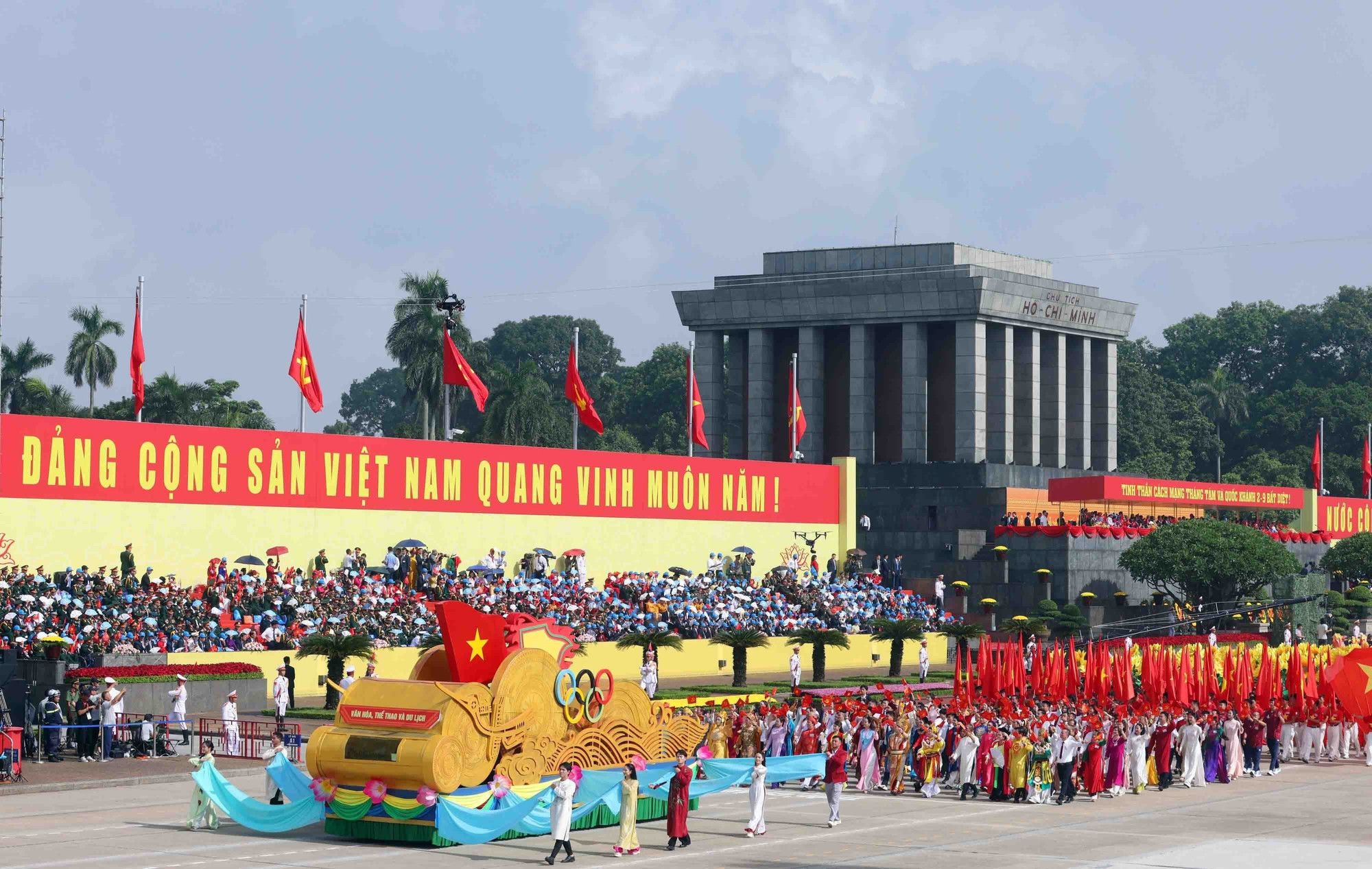


Although the principle that “culture stands on an equal footing with the economy, politics, and society” has been affirmed at previous Party congresses, culture has in practice been sidelined during implementation on many occasions.
Resolution No. 80-NQ/TW represents a breakthrough turning point as, for the first time, cultural development is quantified through specific targets directly linked to economic growth indicators and national competitiveness.
The resolution outlines an ambitious yet highly pragmatic roadmap. By 2030, Viet Nam aims for cultural industries to contribute around 7% of GDP, and to establish between five and ten national brands in high-potential fields such as cinema, performing arts, cultural tourism, design, and fashion. Looking ahead to 2045, cultural industries and the creative economy are identified as pillars of sustainable development, contributing approximately 9% of GDP and positioning Viet Nam among the top three in ASEAN and the top 30 worldwide in the National Soft Power Index.
Beyond economic indicators, Resolution No. 80-NQ/TW also demonstrates profound humanistic depth and the principle that “the people are the foundation”, which is reflected in its objectives relating to cultural institutions and levels of cultural access.

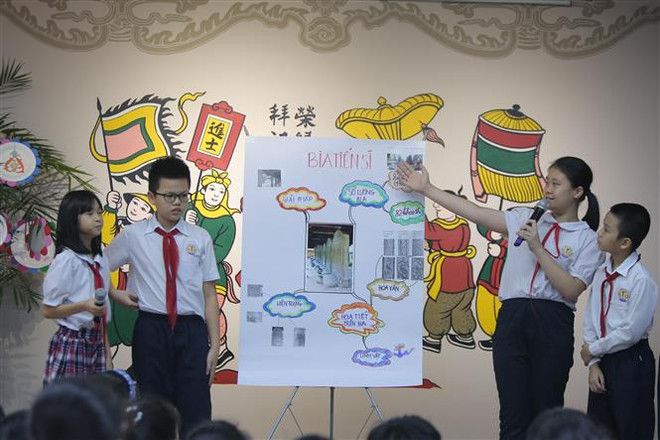
Students take part in experiential activities with heritage at the Temple of Literature–Quoc Tu Giam.
Students take part in experiential activities with heritage at the Temple of Literature–Quoc Tu Giam.

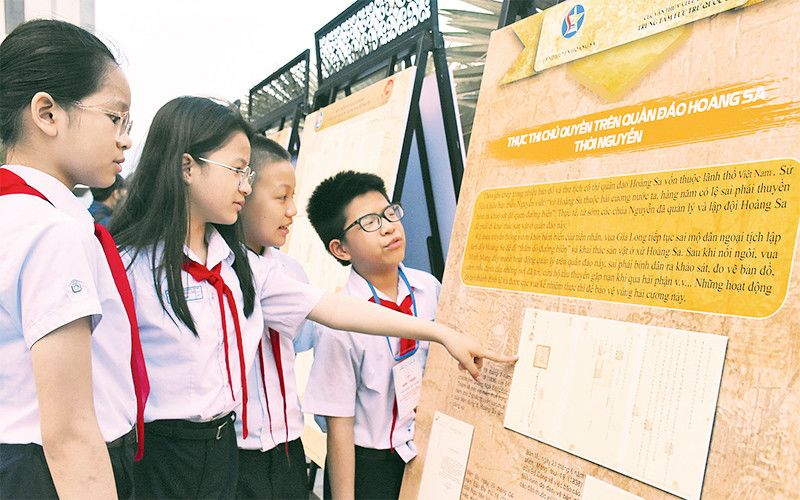
Students visit an exhibition on Viet Nam’s maritime and island sovereignty at the Hoang Sa Exhibition House in Da Nang.
Students visit an exhibition on Viet Nam’s maritime and island sovereignty at the Hoang Sa Exhibition House in Da Nang.

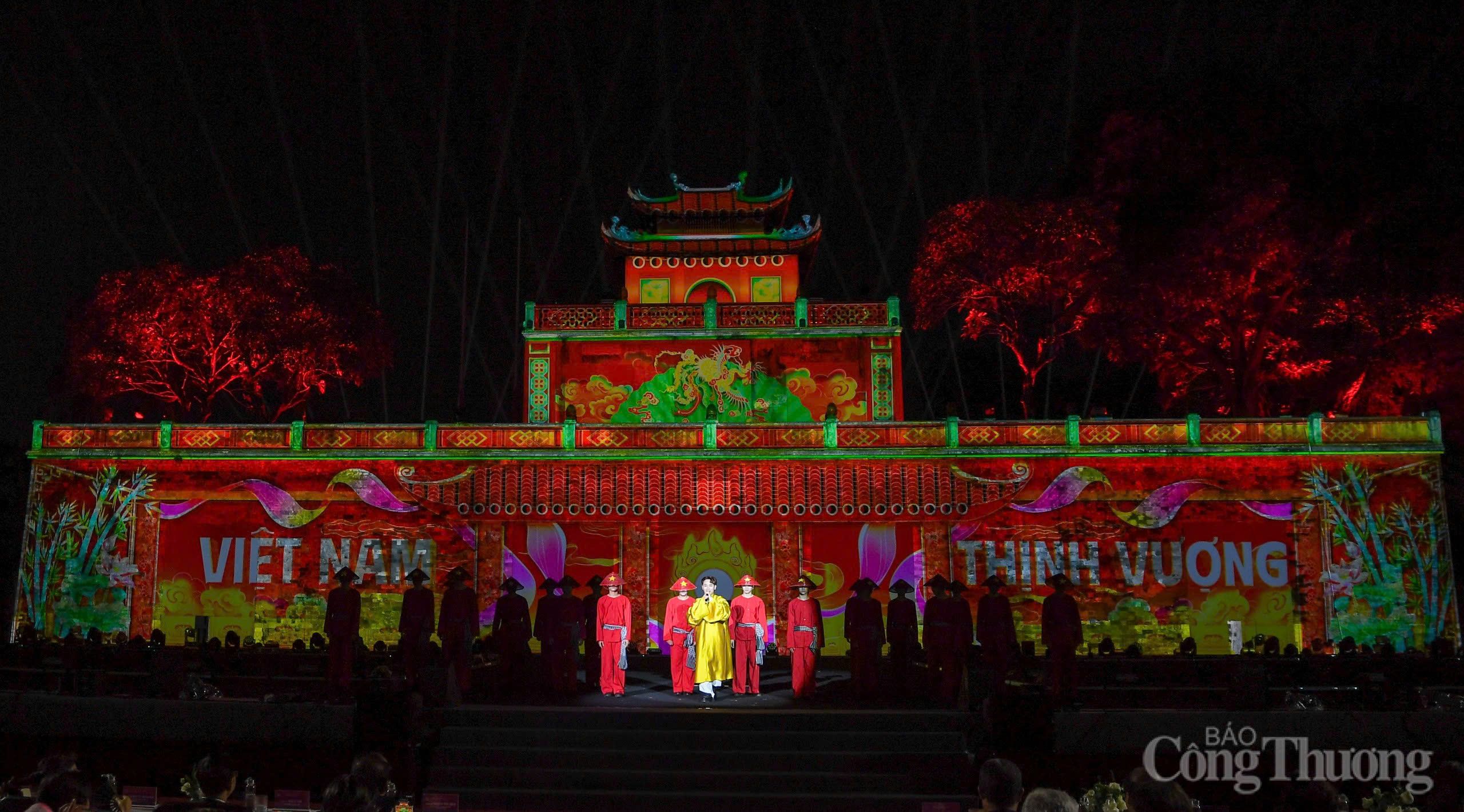
Accordingly, the resolution sets the goal of comprehensively completing the national system of cultural institutions, ensuring that 100% of two-tier local administrations are equipped with cultural facilities that meet the public’s needs for creativity and cultural enjoyment. This is intended to address the previous situation in which some localities either lacked cultural institutions altogether or had facilities that existed in name only and were operating in a formalistic and ineffective manner.
In the digital era, the Resolution requests the digitisation of 100% of ranked cultural heritage sites. This is an urgent task aimed at ensuring the long-term preservation of the nation’s valuable cultural assets in the face of time and natural disasters, while also establishing a data foundation to support the promotion of heritage values in the online space.
Notably, the Resolution places strong emphasis on future generations, setting a target for 100% of pupils and students to have regular access to artistic activities and heritage education. This represents a long-term investment in the very foundations of culture, nurturing the spirit, character, and cultural resilience of Viet Nam’s young people from their school years.
The strength of Resolution No. 80-NQ/TW lies in its clearly defined system of goals, targets, and implementation tools, turning the aspiration to revitalise culture into concrete milestones that can be measured, monitored, and evaluated.
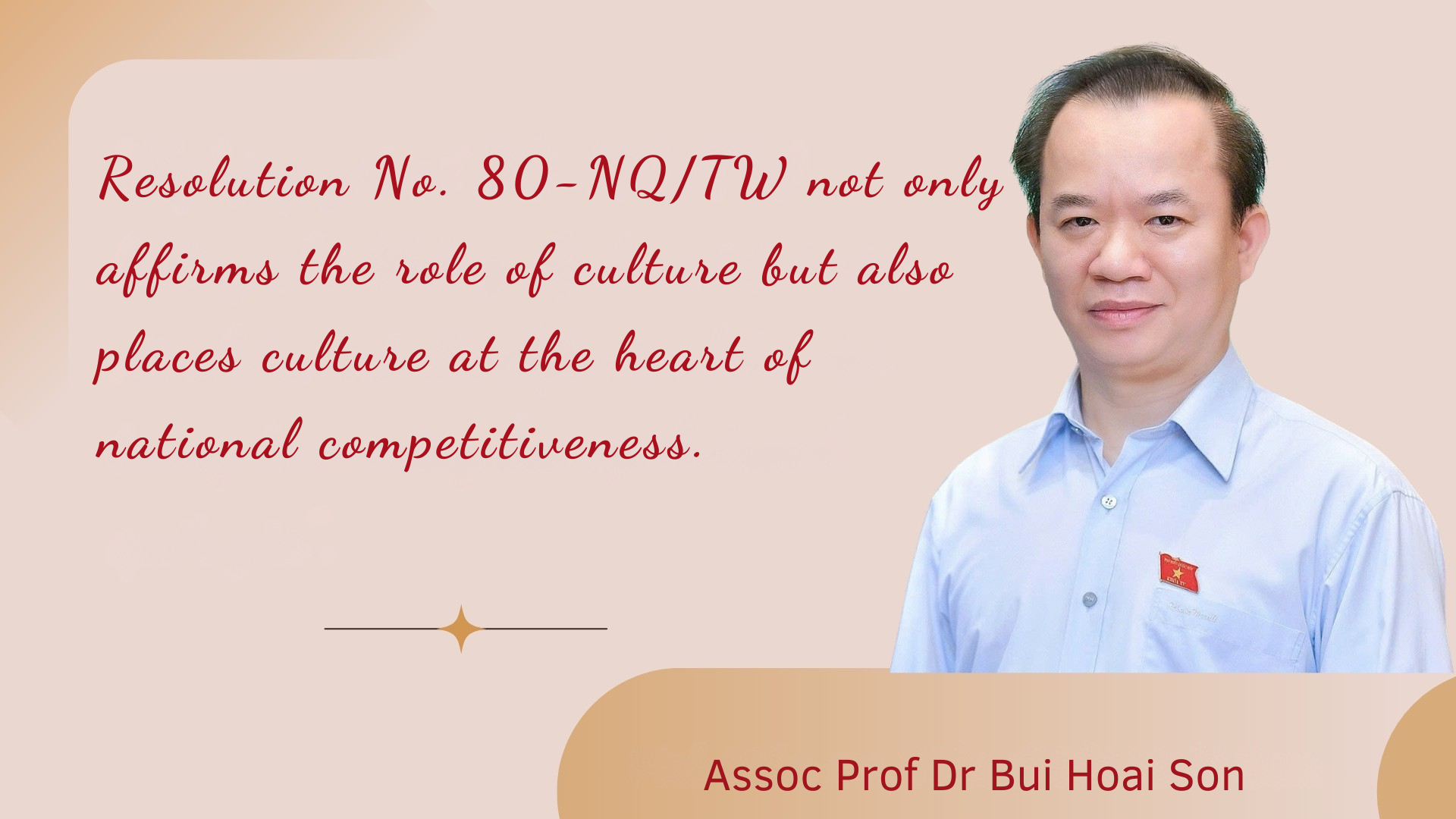
Assessing the significance of these “telling figures”, Assoc Prof Dr Bui Hoai Son, Standing Member of the National Assembly’s Committee on Culture and Education, described this as a shift of historic importance in development thinking. He stressed that Resolution No. 80-NQ/TW not only reaffirms the role of culture, but places it at the centre of national competitiveness. The concrete targets, he noted, show that culture is truly regarded as a pillar of development, rather than a sector that merely “follows behind to add polish”. According to him, the targets set for 2030 not only reflect a historic transition but also demonstrate the close integration of culture with science and technology, innovation, digital transformation, international integration, and private-sector economic development.
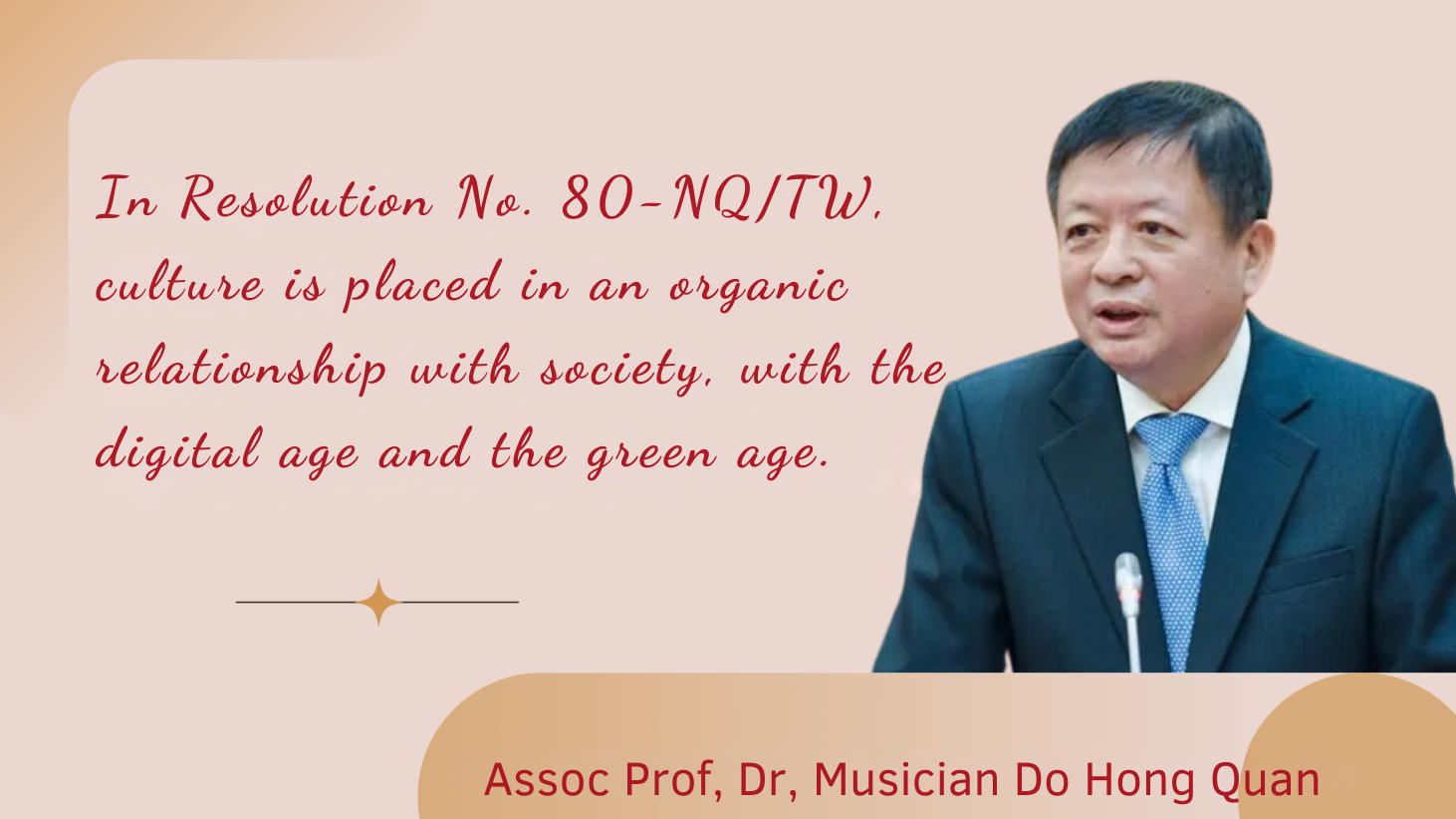
Assoc Prof, Dr, and Musician Do Hong Quan, President of the Viet Nam Union of Literature and Arts Associations, affirmed that in Resolution No. 80-NQ/TW, culture is placed in an organic relationship with society, the digital era, and the green era. Culture is no longer confined to traditional fields, but is identified as a leading strategic force, becoming a foundation for the digital economy and the green economy, and contributing to new momentum for national transformation. This, he said, is the very strength of culture and of soft power, clearly affirmed in the Resolution.

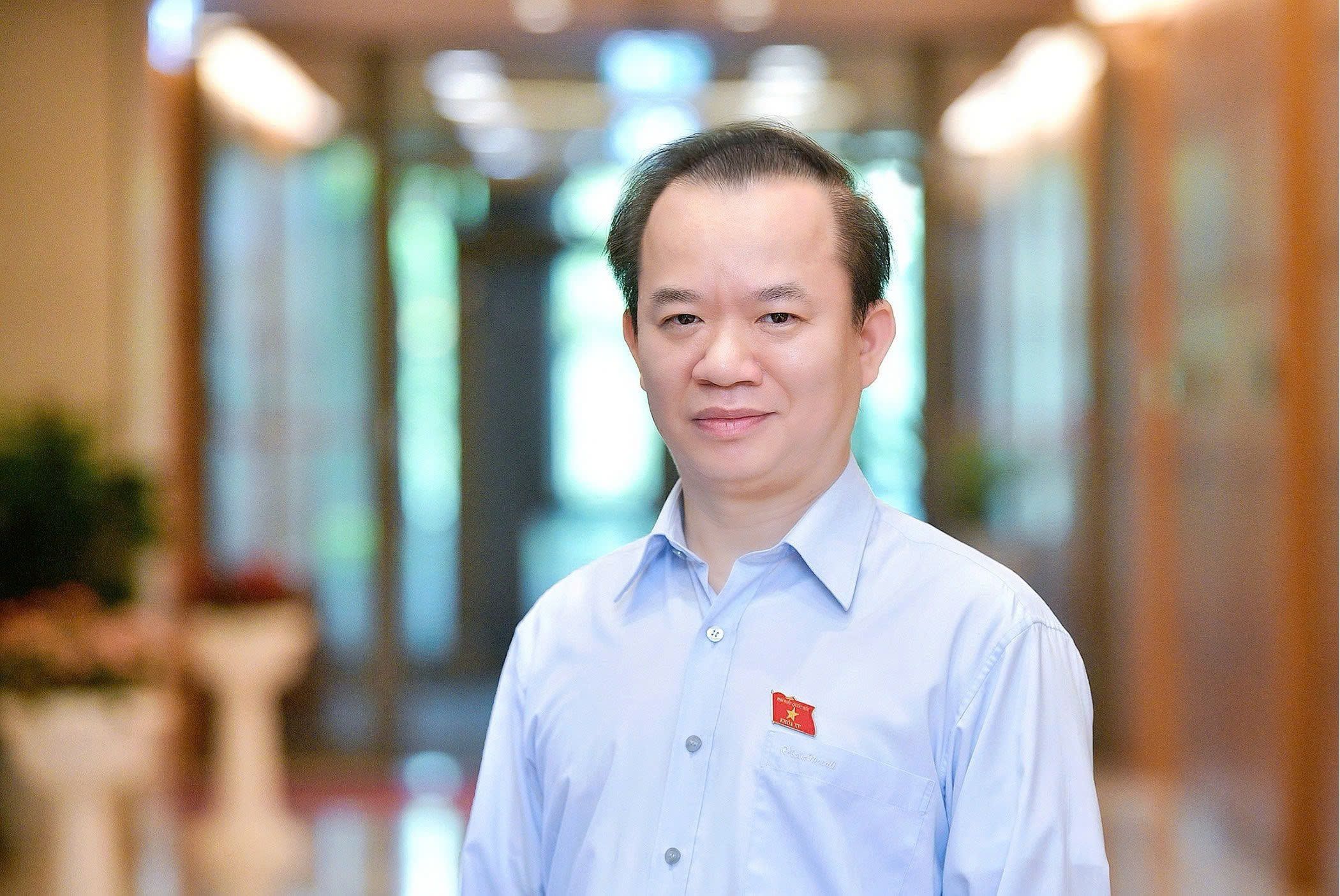
Assoc Prof Dr Bui Hoai Son, Standing Member of the National Assembly’s Committee on Culture and Education.
Assoc Prof Dr Bui Hoai Son, Standing Member of the National Assembly’s Committee on Culture and Education.

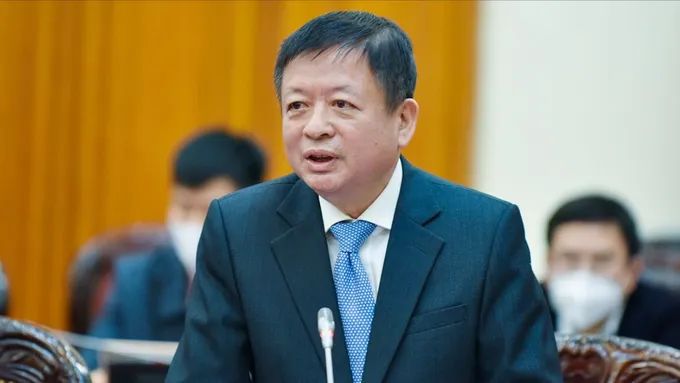
Assoc Prof Dr, Composer Do Hong Quan, President of the Viet Nam Union of Literature and Arts Associations.
Assoc Prof Dr, Composer Do Hong Quan, President of the Viet Nam Union of Literature and Arts Associations.


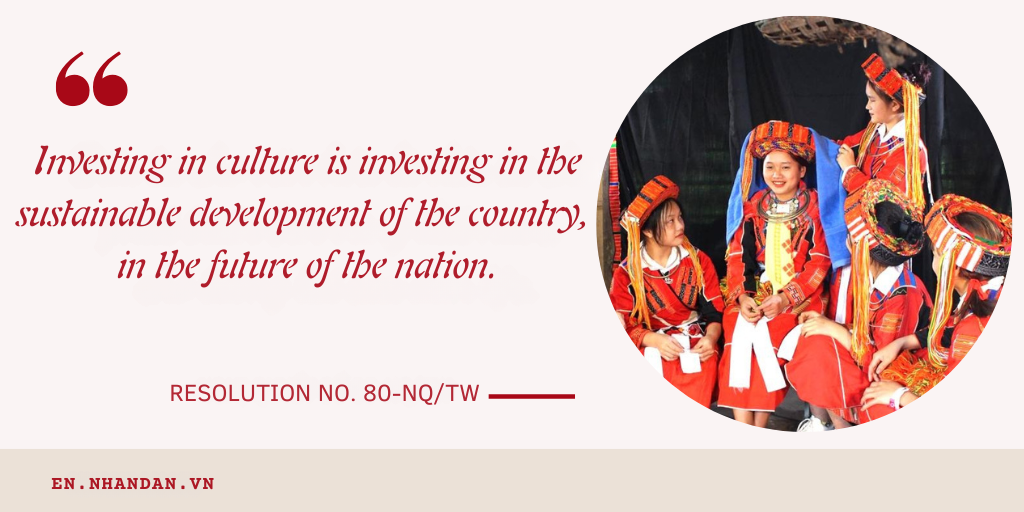
Another important highlight, demonstrating the strong political commitment of the Party and the State, is the fundamental shift in the concept of resources. The Resolution clearly affirms: “Investing in culture is investing in the sustainable development of the country, in the future of the nation.”
Specifically, the Resolution requires allocating at least 2% of the total annual State budget expenditure to culture, while emphasising that the use of resources must be focused and targeted, concentrating on three breakthrough areas: training and rewarding talent; developing science and technology and digital transformation; and commissioning high-value cultural and artistic works and projects.

If for many years, culture was mainly seen as a “spending” sector, dependent on budget subsidies, the new financial mechanism has contributed to strengthening resources and creating “seed capital” for the cultural sector to carry out strategic tasks. This is a clear and decisive message: To have a strong culture, sufficient and correct investment is necessary.
Assoc Prof, Dr, and Musician Do Hong Quan expressed his profound belief, stating: “This resolution has directly addressed the bottlenecks in mechanisms, perceptions, and investment in culture that have existed for many years. Identifying investment in culture as investment in the future has given artists and writers great confidence that their creativity is placed in the right position within the country’s development strategy.”


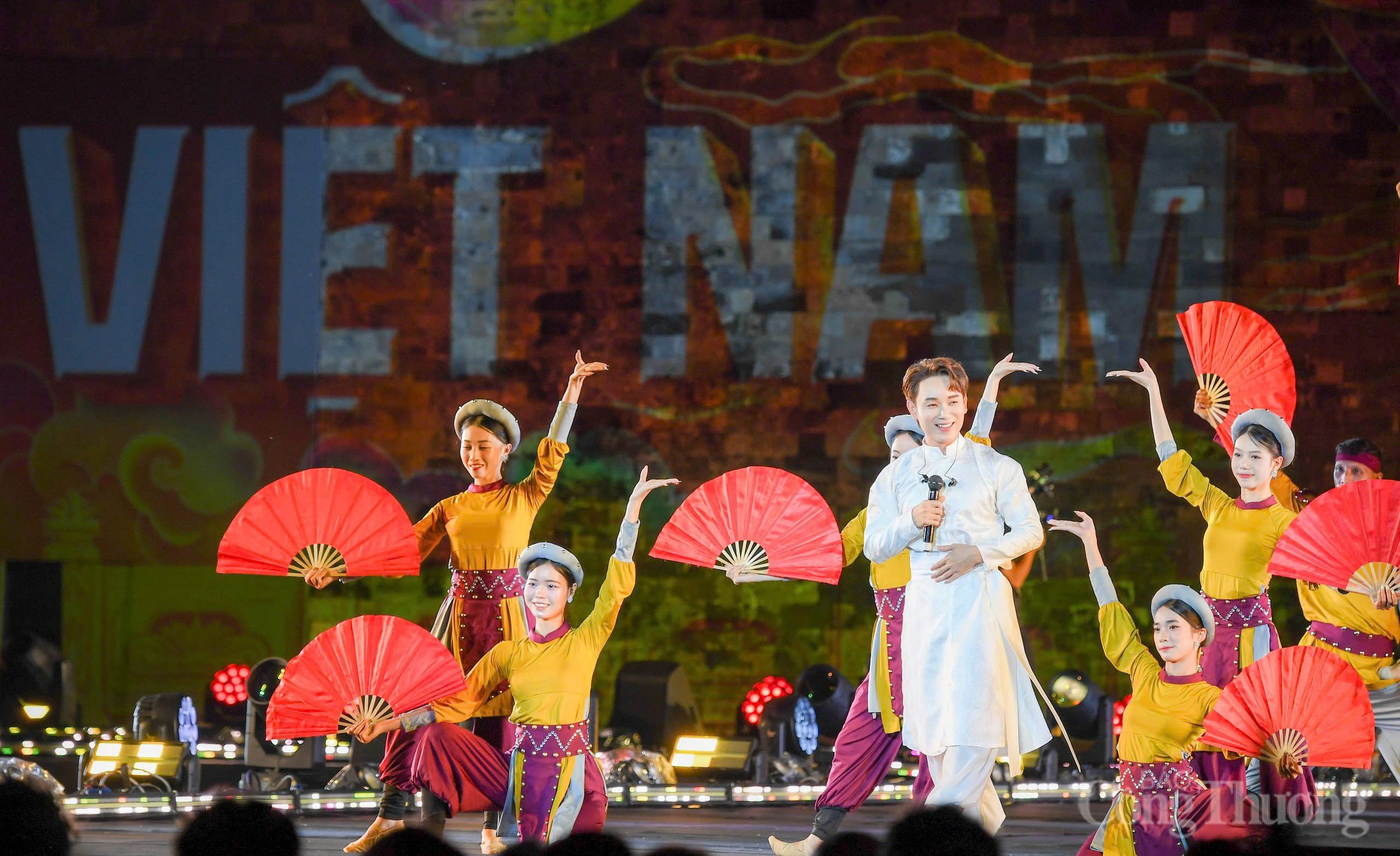



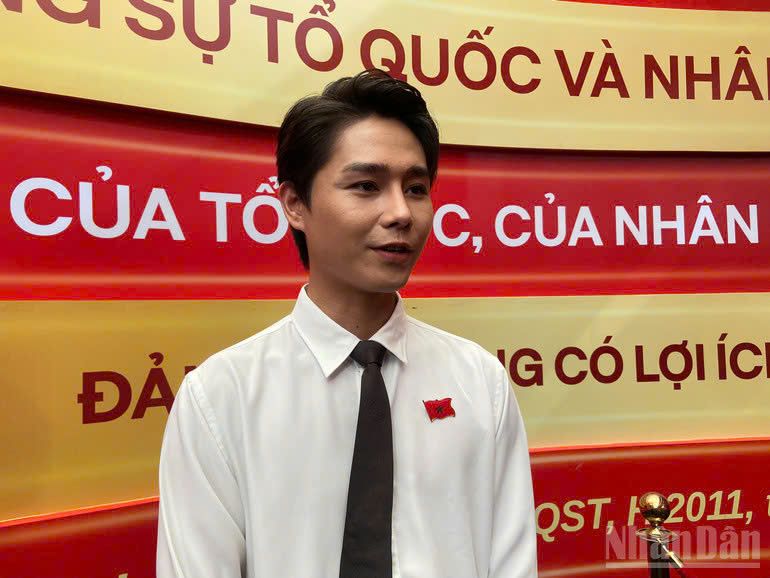
Tang Duy Tan in an interview with the press.
Tang Duy Tan in an interview with the press.

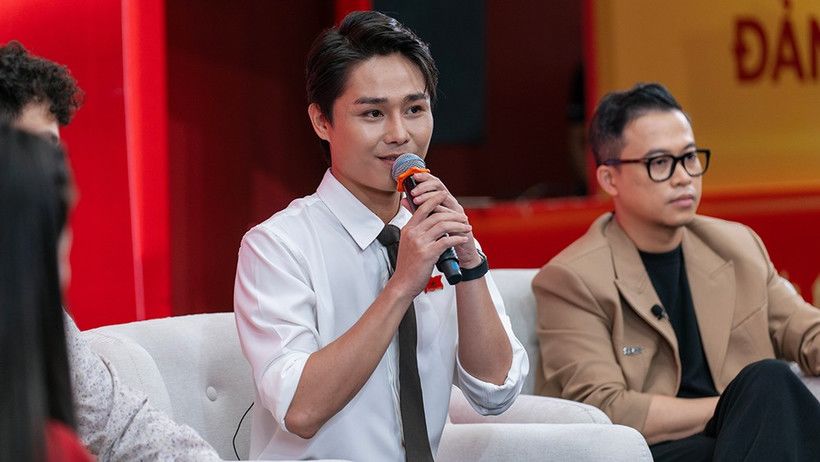
Tang Duy Tan shares his views a seminar on harnessing the value of national cultural heritage and developing cultural industries in the digital age, organised by Nhan Dan (People) Newspaper as part of the exhibition “95 Years of the Party Flag Lighting the Way”, held at the Viet Nam National Exposition Centre in Ha Noi.
Tang Duy Tan shares his views a seminar on harnessing the value of national cultural heritage and developing cultural industries in the digital age, organised by Nhan Dan (People) Newspaper as part of the exhibition “95 Years of the Party Flag Lighting the Way”, held at the Viet Nam National Exposition Centre in Ha Noi.
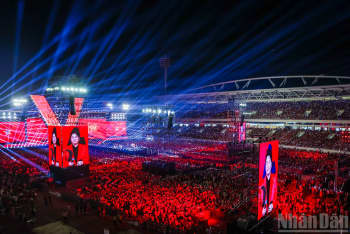
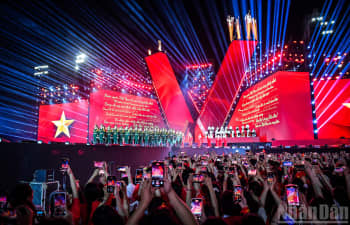
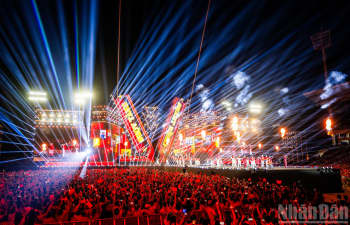
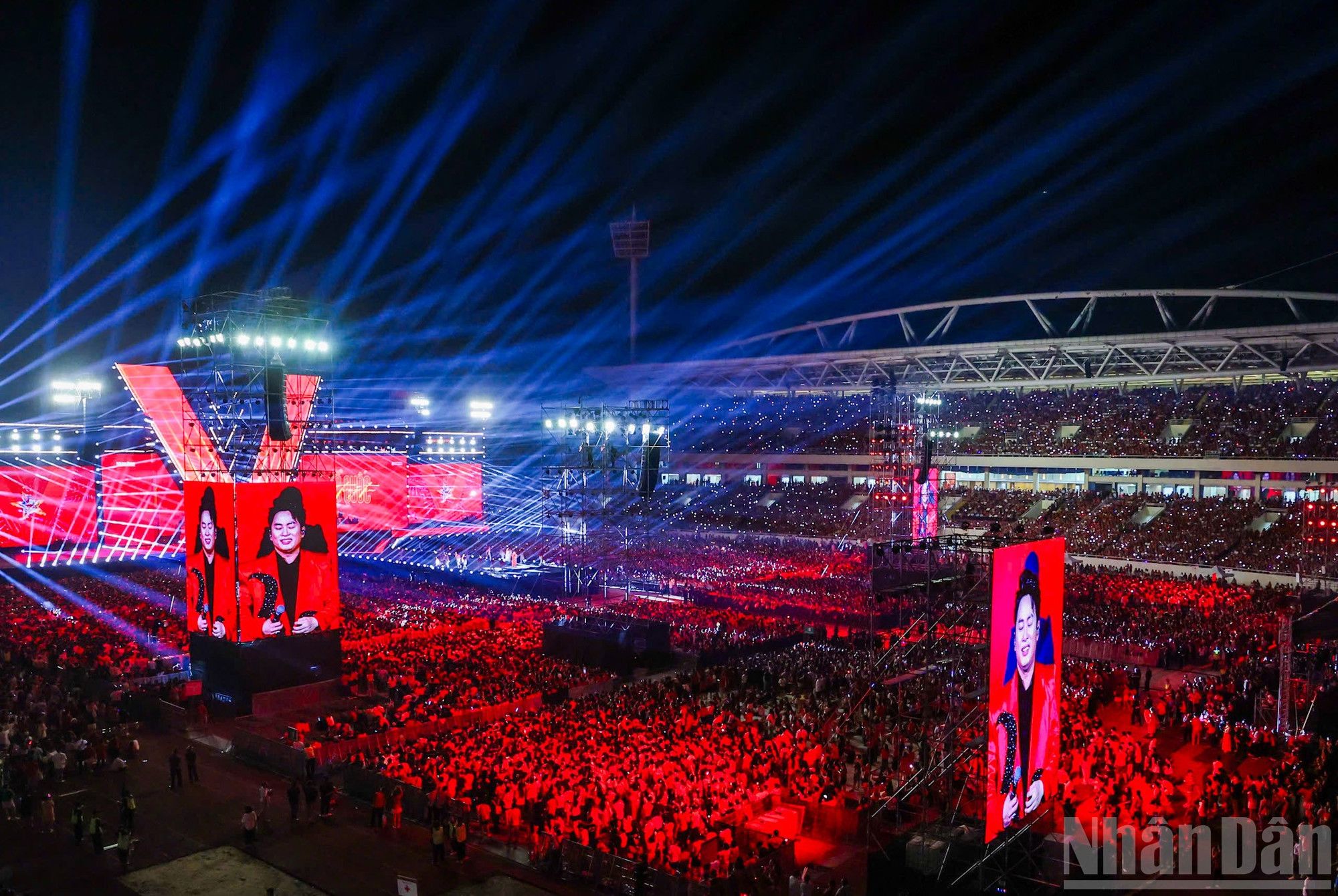
Young musician and singer Tang Duy Tan — a representative figure of the dynamic young generation of artists with many works reaching the international market — believes that cultural development policies in general and Resolution No. 80-NQ/TW in particular are of special importance in guiding artists. According to him, the goal of developing cultural industries to contribute 7% of GDP has awakened the spirit of creativity, creating motivation for artists to strive to produce works that are both artistically valuable and economically effective.
“Making art isn’t just about providing spiritual nourishment for the public. Artists also need to create economic value from their ‘spiritual offspring’. Only then can artists make a living from their profession and nurture their passion for creativity in the long term,” Tang Duy Tan shared.
To achieve the target of contributing 7% to GDP, he proposed that artists need to “unlock” their thinking and pursue interdisciplinary development. Successful experiences in countries such as the Republic of Korea, China and Japan, where music and cinema are combined with fashion, tourism and even video games to export culture, demonstrate that “from traditional musical melodies, composers can create works that touch the emotions of international audiences. When music products are exported, the image of the Vietnamese people and the country is also spread to the world”.

To realise the set goals, Resolution No. 80-NQ/TW establishes a comprehensive system of solutions, ranging from renewing thinking and improving institutions to developing human resources and modernising cultural governance.
First, the Resolution stresses the need to improve institutional frameworks, regarding this as the key to creating strategic breakthroughs and unlocking resources for cultural development. Laws related to artistic activities, copyright and cultural industries are oriented towards a facilitative approach, reducing administrative barriers and encouraging creativity. Notably, the Resolution allows for pilot implementation of new mechanisms to address urgent issues in cases where specific legal provisions are not yet in place, reflecting innovative and flexible thinking.
In parallel, it calls for renewing cultural management methods, shifting from pre-approval to post-inspection, with transparency, accountability and effectiveness as key benchmarks. Cultural governance is oriented towards a multi-centre model, involving the State, the market, society and the creative community.
Regarding the implementation roadmap, Professor, Dr Tu Thi Loan, former Acting Director of the Viet Nam National Institute of Culture and Arts Studies, said that turning the objectives of Resolution No. 80-NQ/TW into reality requires synchronised implementation, a clear roadmap and specific enabling conditions, aligned with the country’s development context. She proposed five key prerequisites:

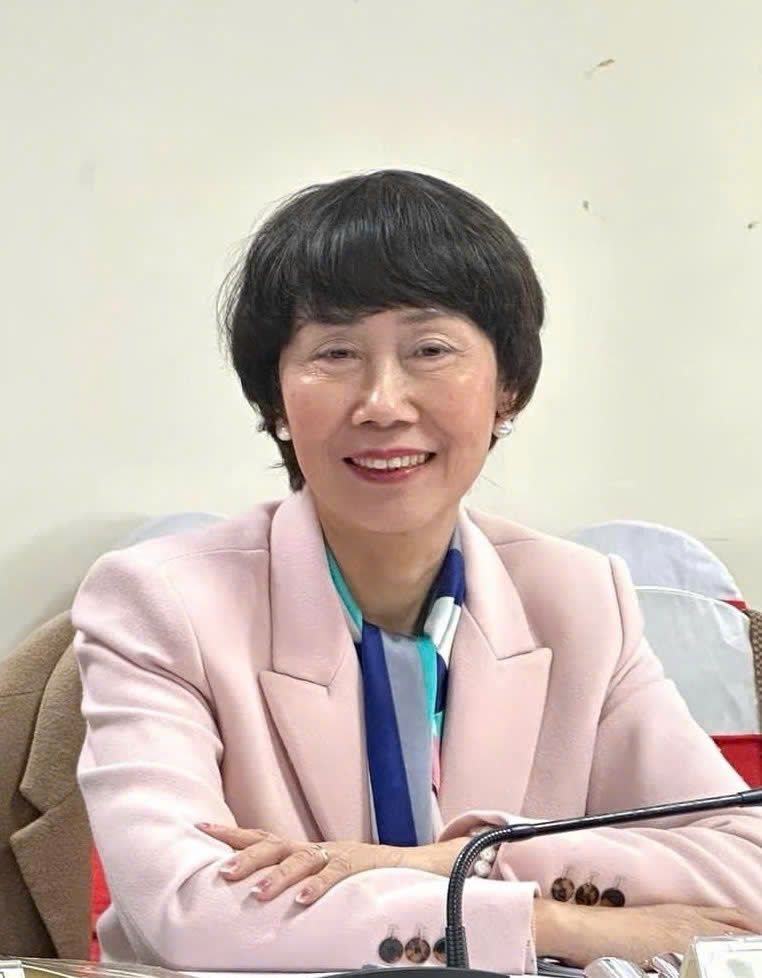
Prof Dr Tu Thi Loan
Prof Dr Tu Thi Loan
First, timely institutionalisation: The objectives need to be promptly translated into the legal system, strategies, and planning frameworks. Responsibilities must be clearly assigned to avoid overlap and duplication.
Second, ensuring and diversifying resources: The State budget should play the role of “seed capital” to provide direction, accompanied by flexible financial mechanisms to mobilise social resources and promote public–private partnerships.
Third, the pivotal role of human resources: It is essential to build a contingent of cultural management officials with open-minded thinking and interdisciplinary capabilities, alongside policies to attract and nurture talent. Management should be renewed in a service-oriented direction, reducing administrative intervention in order to create greater space for creativity.
Fourth, promoting the people’s role as key stakeholders: Culture can only be sustainable when people are able to participate in creation, enjoyment, and supervision.
Fifth, monitoring and evaluation: Regular measurement and assessment based on specific indicators are required to enable timely policy adjustments.


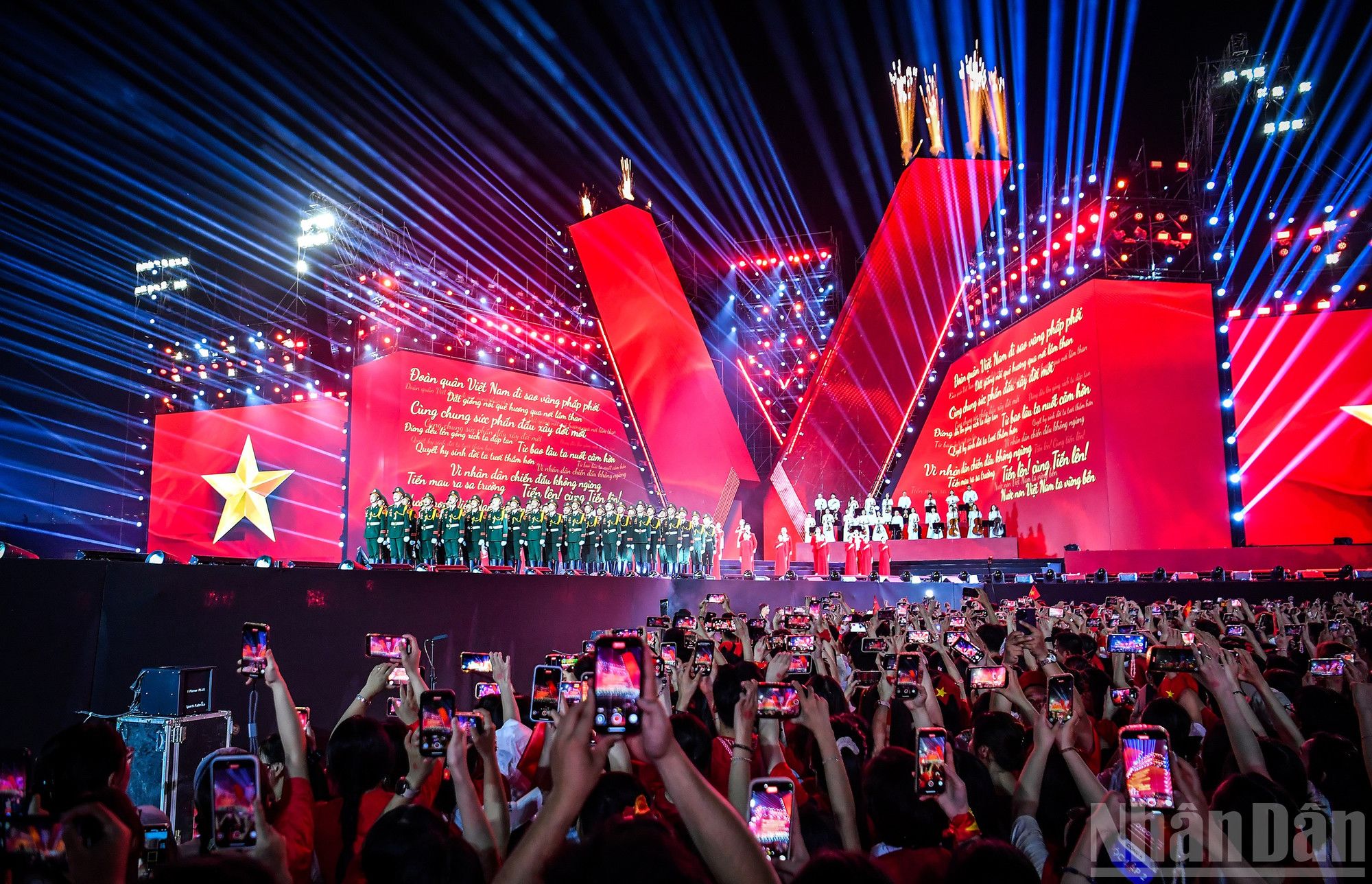

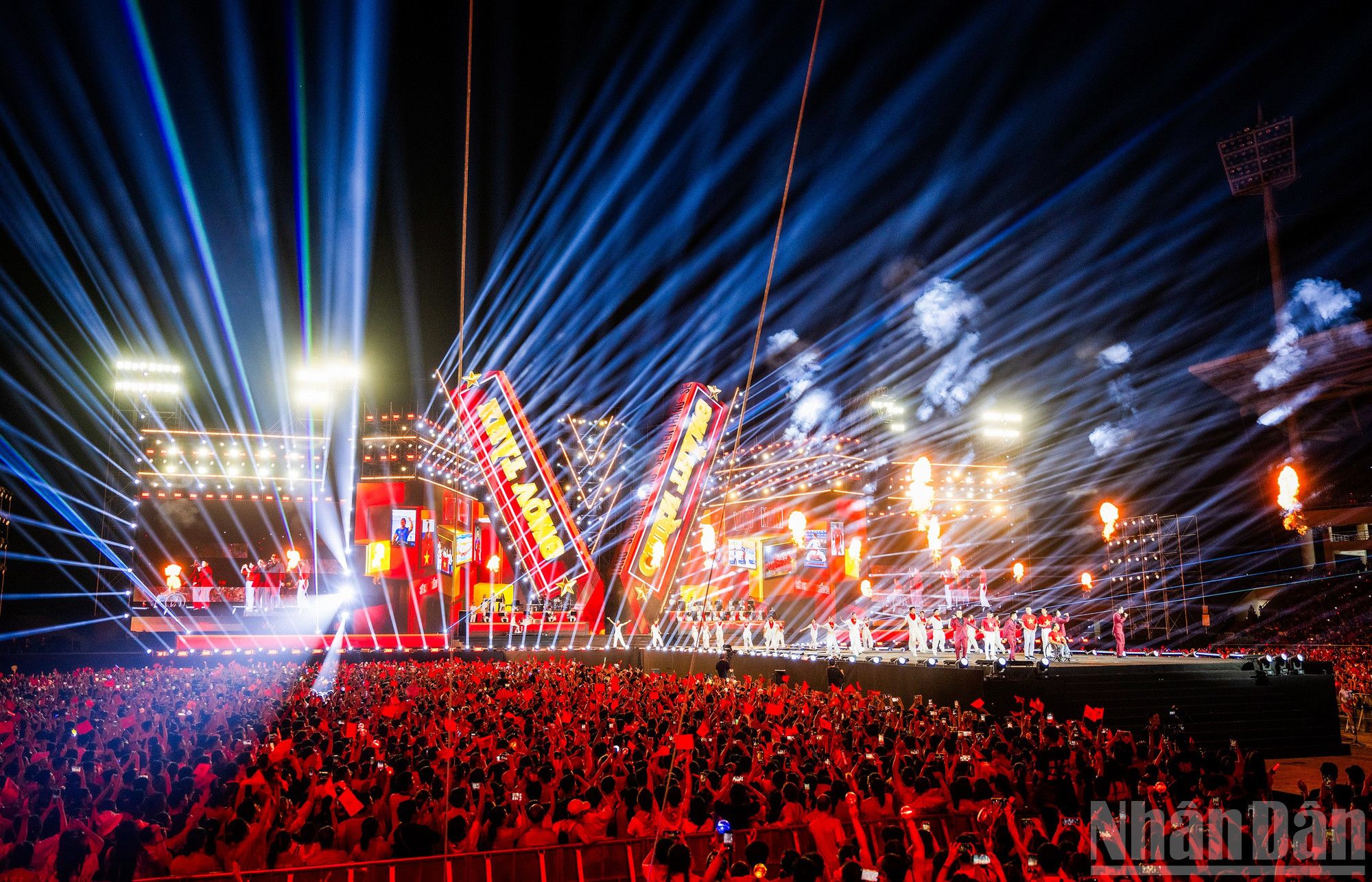

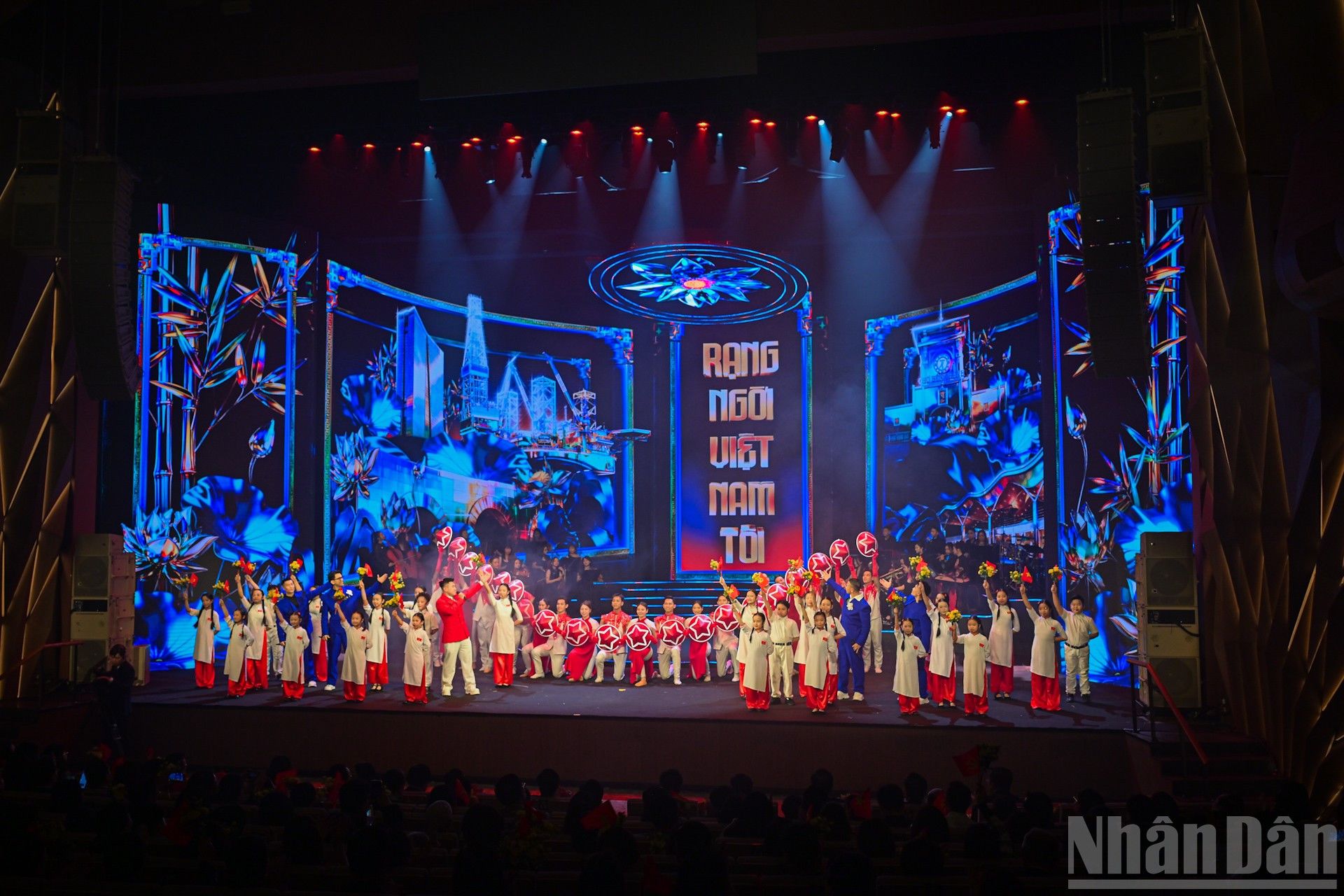
Sharing this perspective but emphasising the need for decisive action, Associate Professor Dr Bui Hoai Son argues that the implementation of Resolution No. 80-NQ/TW must be identified as a national action programme, substantively carried out across institutions, resources, facilities, people, and coordination mechanisms, rather than remaining at the level of a movement.

He proposed an implementation roadmap following the approach of “from roots to crown”. The “roots” lie in building the quality of human resources, value systems, cultural conduct, patriotism, and a spirit of dedication. The “trunk” involves strengthening the system of cultural institutions and spaces from the grassroots to the central level, from community life to the digital environment. The “crown” is the development of cultural industries and cultural markets, turning culture into a new engine of growth, where identity is not diluted but elevated into a source of national competitive strength.
“Put simply, implementing Resolution No. 80-NQ/TW means giving culture real power in life — soft power to guide awareness, shape behaviour, and nurture character; and developmental power to transform values into national capabilities. Only then will the objectives of the Resolution move beyond paper and become tangible drivers, contributing to the building of a rapidly and sustainably developing Viet Nam in the new era,” Assoc Prof Dr Bui Hoai Son affirmed.
Published: January 2026
Production Manager: Ngoc Thanh – Huu Viet
Content: Kim Thoa – Ngoc Khanh
Translation: NDO
Design: Khanh Linh
File and internet photos