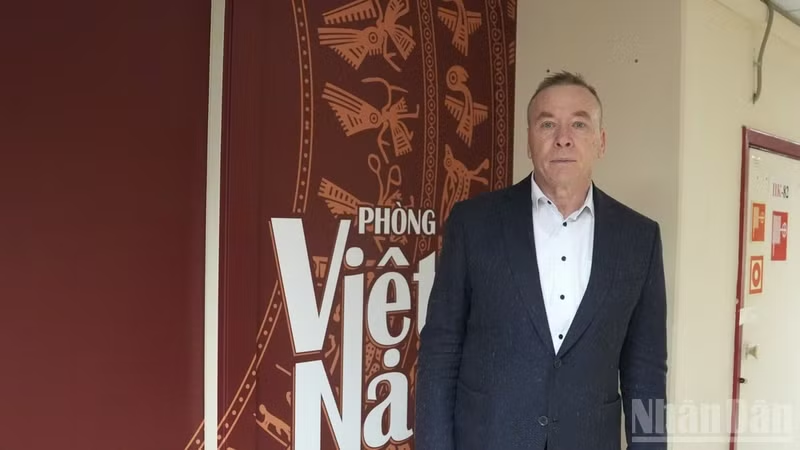
Speaking to a correspondent of Nhan Dan Newspaper based in Russia, Doctor of Science Vladimir Mazyrin, Director of the Centre for Vietnamese and ASEAN Studies at the Institute of China and Contemporary Asia of the Russian Academy of Sciences, stressed that changes in Viet Nam had become increasingly evident with each visit. Modern urban construction is being carried out on a large scale, numerous roads are being widened, and new structures are continually emerging.
According to the Russian expert, the expansion and modernisation of infrastructure, along with the development of advanced forms of transport such as urban railways, electric buses, and electric taxis, shows that Viet Nam is actively embracing new technologies and boldly implementing solutions to support its development process.
Looking at the urban landscapes of Ha Noi, Ho Chi Minh City, Da Nang, and Hai Phong, Mazyrin said Viet Nam was pursuing a development path suited to a country with a dynamic, growing economy. He also praised the decisiveness demonstrated in implementing projects, noting that large-scale infrastructure construction often entails difficulties and complexities related to site clearance, population relocation, and the reorganisation of urban spaces.
He said experience gained from urban railway construction in Ha Noi and Ho Chi Minh City in previous years showed that major infrastructure projects could not be completed quickly without close coordination and timely management decisions. Therefore, alongside identifying the right development direction, the capacity to organise and implement projects was of particular importance.
Assessing Viet Nam’s economic prospects, the Russian expert emphasised the role of large-scale investment in transport infrastructure.
High-speed railways, expressways, and connectivity systems linking Viet Nam with neighbouring countries will help shorten transport times, facilitate the movement of goods, make travel easier for people, and support service provision. These are also important conditions for improving the economy’s competitiveness, making the country more attractive to foreign investors, and promoting development across regions.
According to Mazyrin, Viet Nam’s acceleration of the North–South high-speed railway project reflects its development ambitions and determination to adopt complex technologies. However, for these projects to deliver sustainable results, funding must be placed at the centre of the policymaking process.
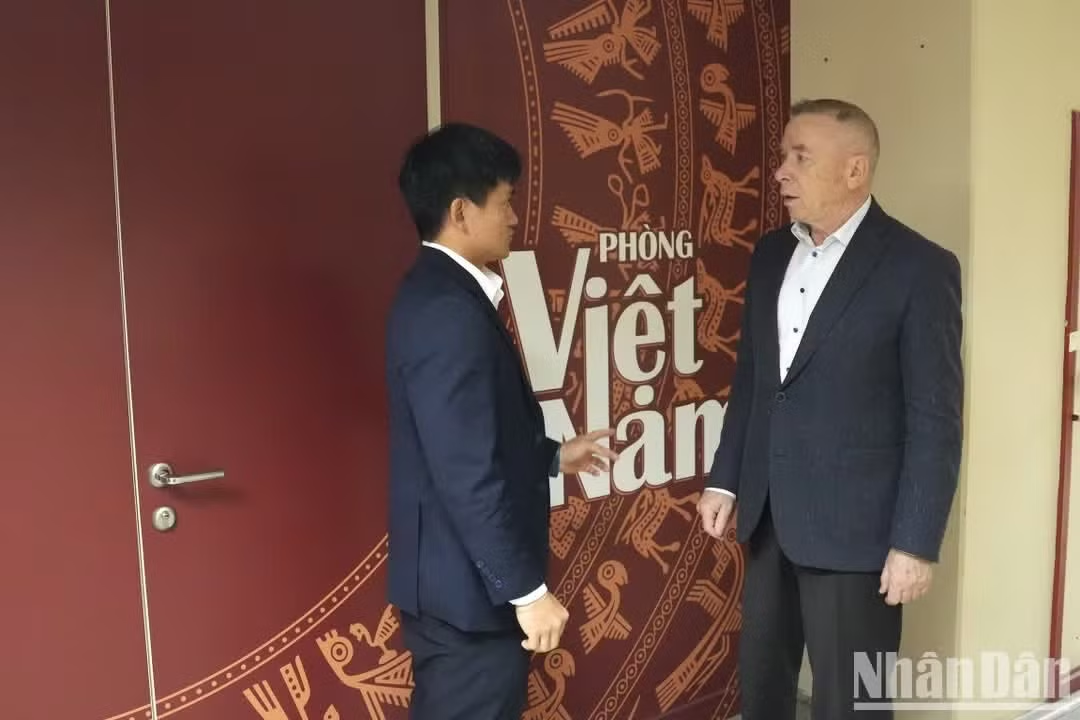
Mazyrin said that, to ensure development targets were achieved effectively, Viet Nam needed to strike a balance between the need to accelerate investment and its capacity to mobilise resources. Setting a roadmap suited to the country’s financial conditions would help ensure that projects were implemented on a sound footing, ease pressure on the economy, and secure the long-term effectiveness of infrastructure works.
Commenting on Viet Nam’s growth prospects, Mazyrin said the target of achieving double-digit growth placed substantial demands on the economy’s ability to mobilise and allocate capital.
He said Viet Nam’s goal of becoming a developed, high-income country by 2045 provided a basis for setting long-term growth targets. However, this approach also needed to take into account fluctuations in the global economy, which could significantly alter the conditions for development.
According to the Russian expert, geopolitical uncertainties, the risk of supply chain disruptions, fluctuations in energy prices, and logistics-related issues were creating additional challenges for many Asian economies. This required Viet Nam to proactively consider alternative transport options, diversify routes for the movement of goods, and strengthen its capacity to respond to disruptions in international trade.
Alongside these challenges, Mazyrin praised Viet Nam’s proactive approach to external relations. He said that stepping up high-level contacts, expanding comprehensive and strategic partnerships, and promoting trade agreements with numerous countries were helping Viet Nam broaden its development opportunities.

He said the dynamism of Viet Nam’s foreign policy was helping consolidate the country’s international standing. Viet Nam was playing an increasingly prominent role through its diplomatic initiatives and its ability to promote cooperation with a wide range of partners. The country’s development could also serve as a positive competitive stimulus within ASEAN.
Mazyrin expressed confidence that Viet Nam had positive development prospects in the years ahead. Rapid infrastructure changes, together with a proactive approach to economic and foreign policy, demonstrated the country’s efforts to seize opportunities and narrow the development gap.
According to the Russian expert, Viet Nam had the political determination, necessary tools, and initial results required to continue moving forward. The key was to combine ambitious development goals with the efficient use of resources, careful consideration of financial conditions, and a proactive response to external fluctuations.