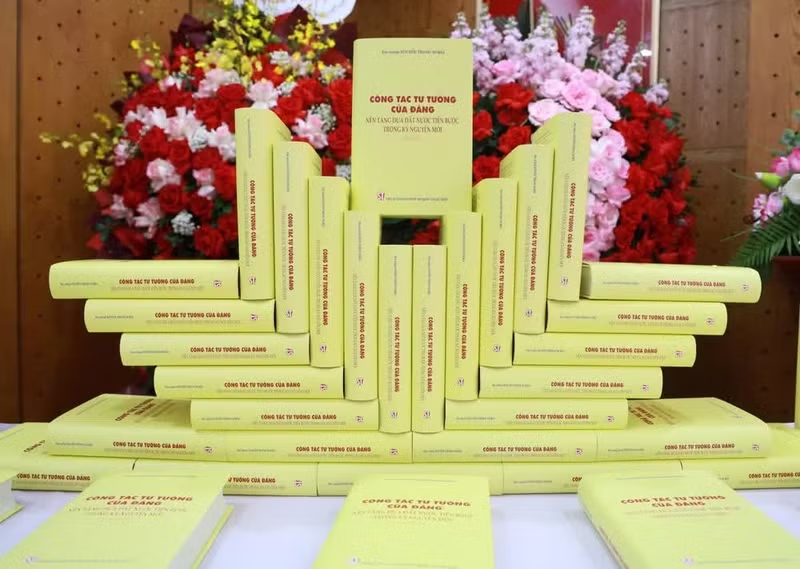
The book compiles important articles and speeches by General Nguyen Trong Nghia during the tenure of the 13th National Party Congress. It not only systematically summarises key issues relating to ideological work in recent years, but also proposes strategic directions for improving the quality and effectiveness of communications, education, and mass mobilisation work in the era of the nation’s rise.
With a structure comprising six sections, the book comprehensively reflects the major areas of ideological work today: upholding the ideological banner and strengthening the Party’s political strength and the people’s trust; studying and following Ho Chi Minh’s ideology, morality, and style while fostering a scientific worldview and revolutionary outlook on life; affirming historical values and inspiring aspirations for national development; promoting cultural values and the strength of the Vietnamese people; building a professional, humane, and modern press, publishing, and communications sector; and enhancing the effectiveness of other areas of ideological work.
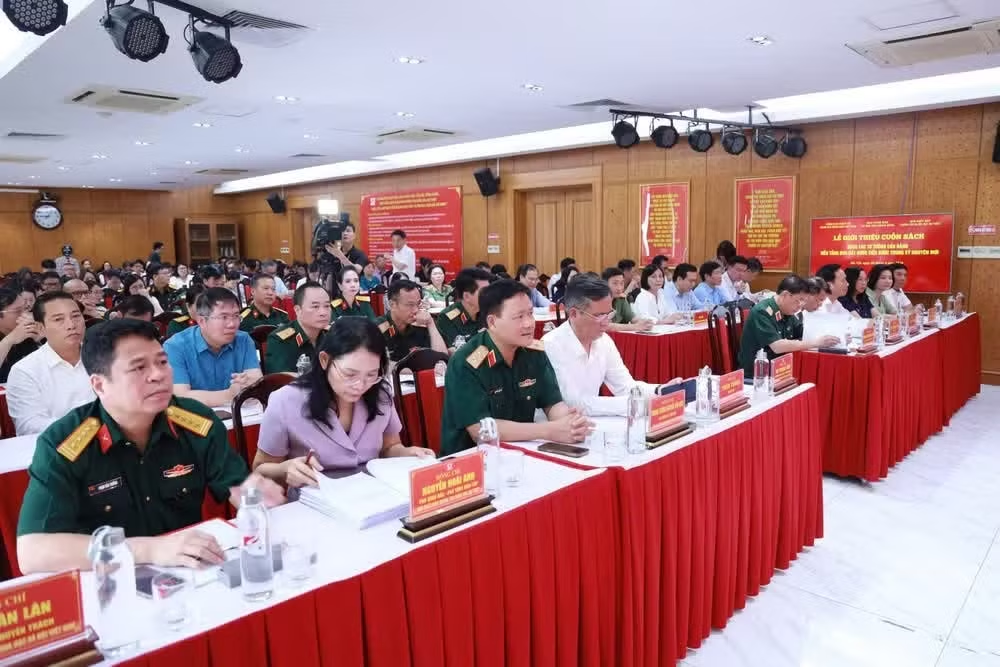
Introducing the book, Associate Professor Dr Vu Trong Lam, Member of the Party Committee of Central Party Agencies, Secretary of the PCC and Director-General and Editor-in-Chief of the Su That (Truth) National Political Publishing House, affirmed that with sharp theoretical thinking and a scientific, dialectical approach closely linked to practice, the book clarifies the particularly important role of ideological work in Party building and the political system.
It also affirms that ideological work is not solely the responsibility of the communications, education, and mass mobilisation sector, but of the entire Party and political system, with communications and mass mobilisation agencies playing a core and pioneering role.
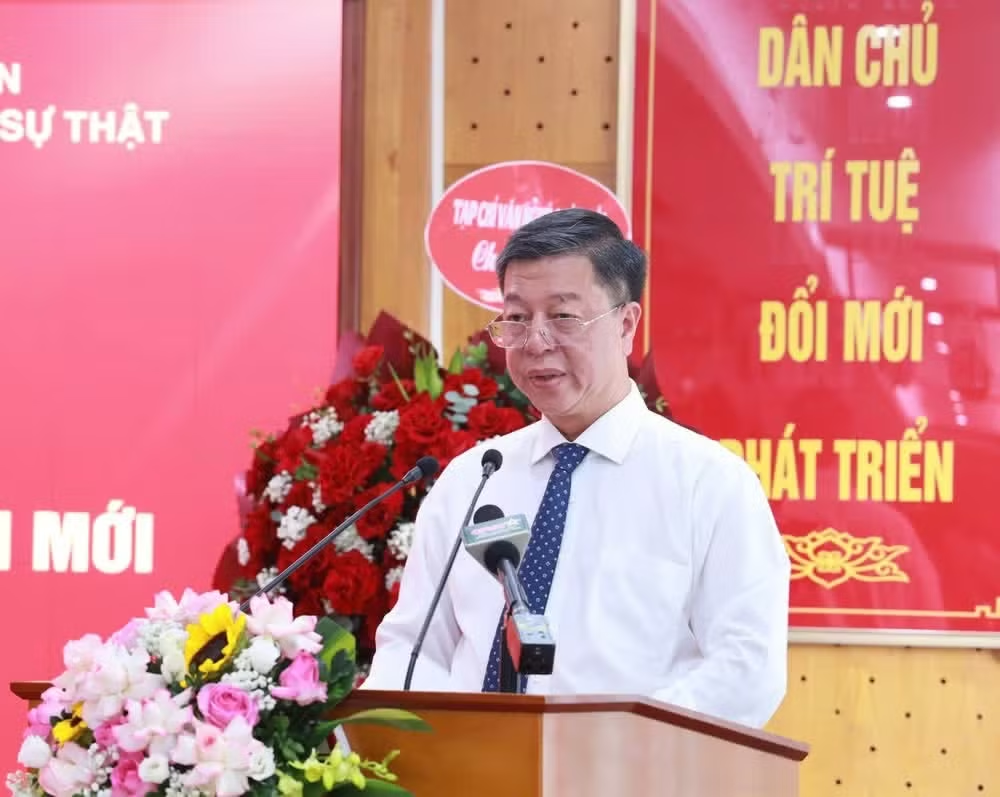
The book also affirms that ideological work must proactively guide public awareness, foster social consensus, and inspire and promote the strength of great national unity, harmoniously combining national strength with the strength of the times.
Speaking at the event, Senior Lieutenant General Truong Thien To highlighted several outstanding values of the book. First, the book systematically explains the particularly important role of ideological work in the cause of national construction and defence, affirming that ideological work must truly “go ahead to pave the way and accompany implementation”, becoming a pioneering and creative force in shaping and spreading the national value system, Vietnamese cultural values, Vietnamese family values, and standards for Vietnamese people.
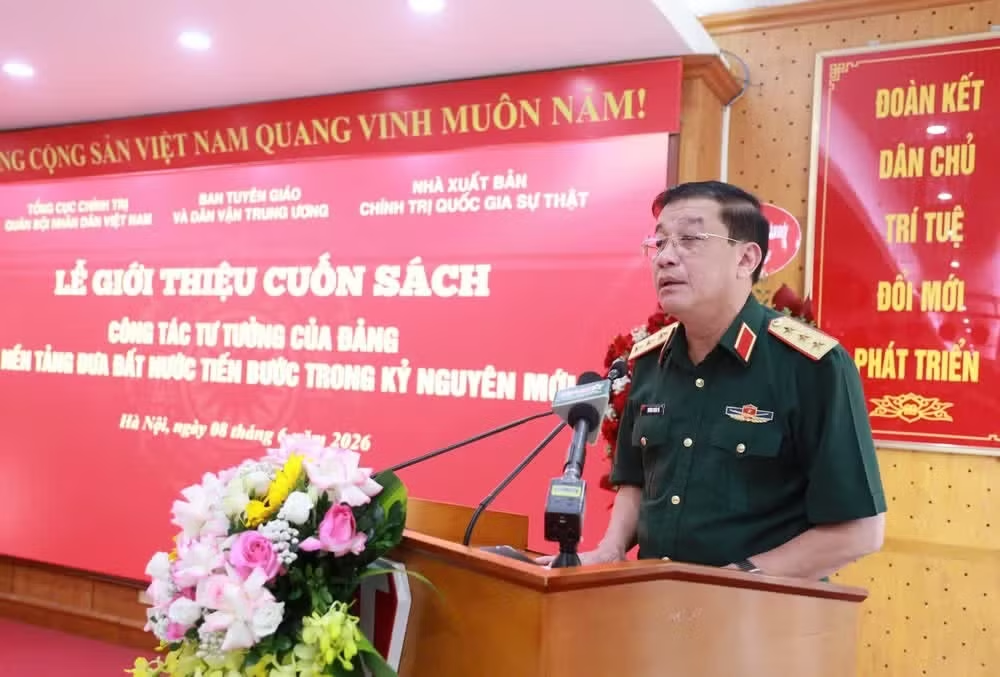
In addition, the book clearly reflects innovative thinking regarding the content and methods of ideological work in the new context, especially the requirement to proactively grasp ideological developments, improve the quality of communications and political education, strengthen combativeness, persuasiveness, and forecasting capacity, and promptly counter false and hostile viewpoints in the context of rapid development in digital technology, digital media, and cyberspace.
According to Dr Vu Thanh Mai, Deputy Head of the PCC’s Commission for Communications, Education, and Mass Mobilisation, General Nguyen Trong Nghia’s book is a work of both theoretical and practical significance, offering profound orientation and guidance. It serves as a valuable reference for leaders and managers at all levels, officials engaged in communications, education, mass mobilisation, journalism, and publishing, researchers and lecturers in political theory, as well as readers interested in the cause of national construction and defence in the current period.
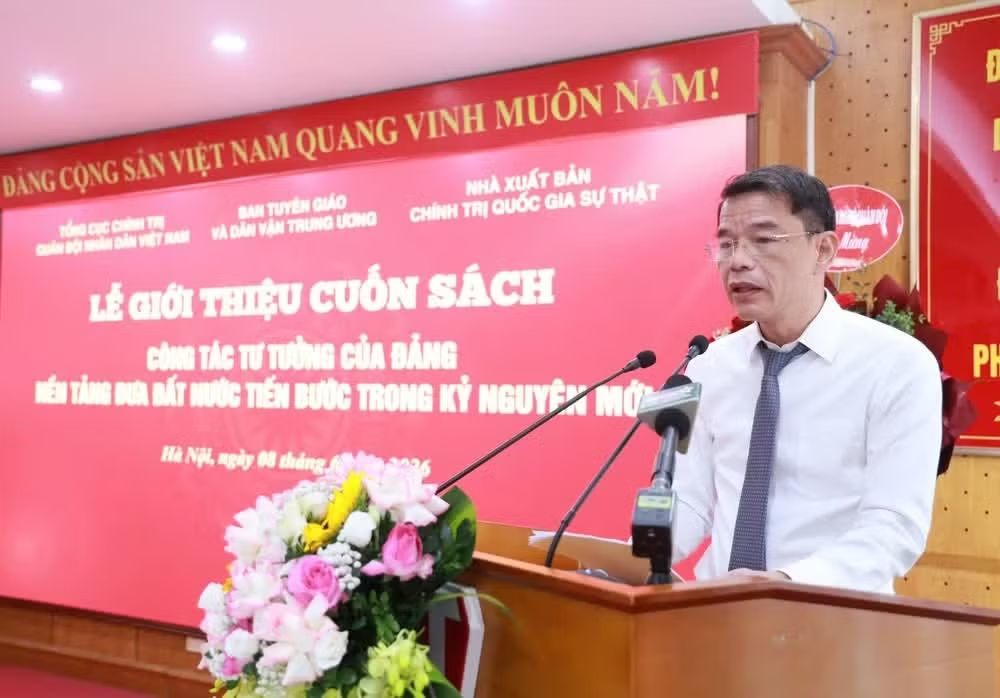
The book contributes to spreading the Party’s guiding ideology and major viewpoints on ideological work, raising awareness, strengthening trust, and promoting unity in will and action throughout society.
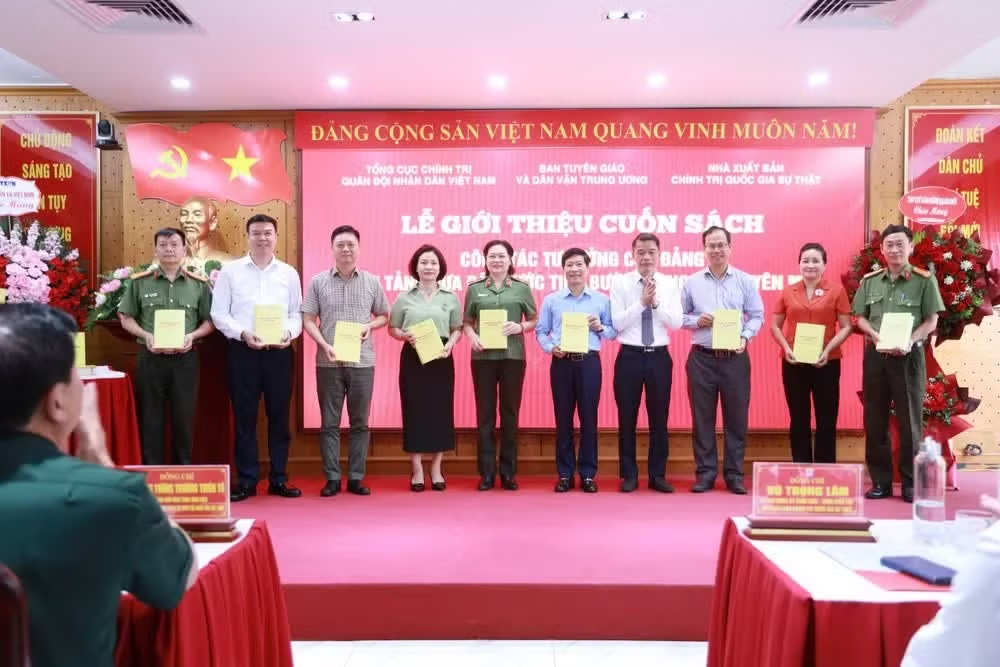
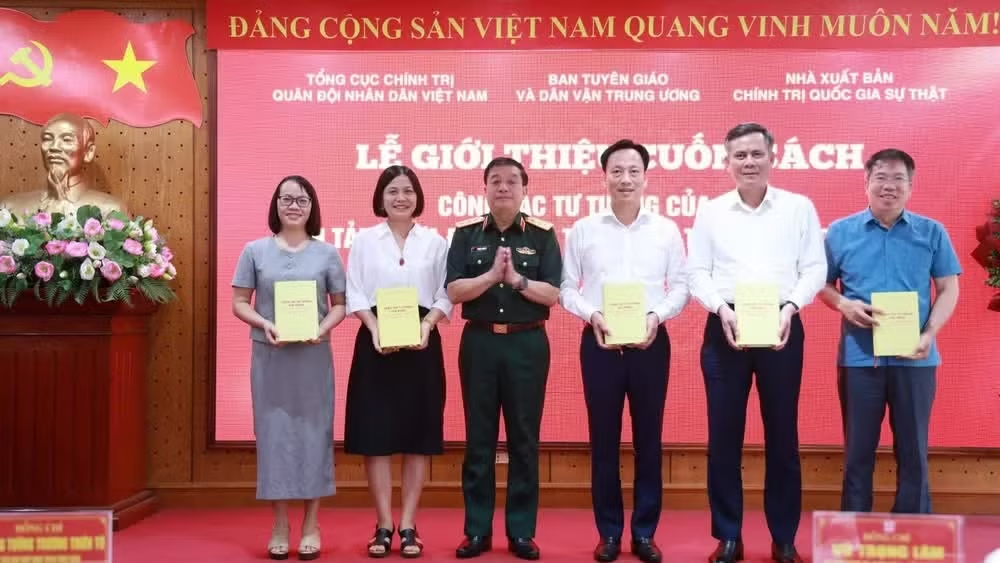
At the ceremony, the organising committee presented copies of the book “The Party’s Ideological Work – A Foundation for Advancing the Country in the New Era” to representatives of central agencies, ministries, and sectors, as well as libraries, academies, and educational institutions.