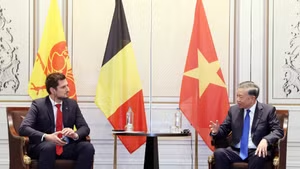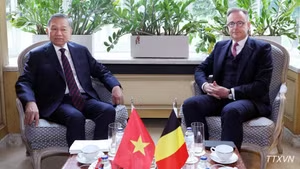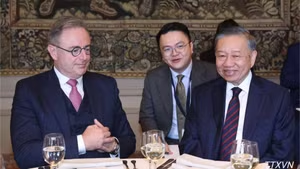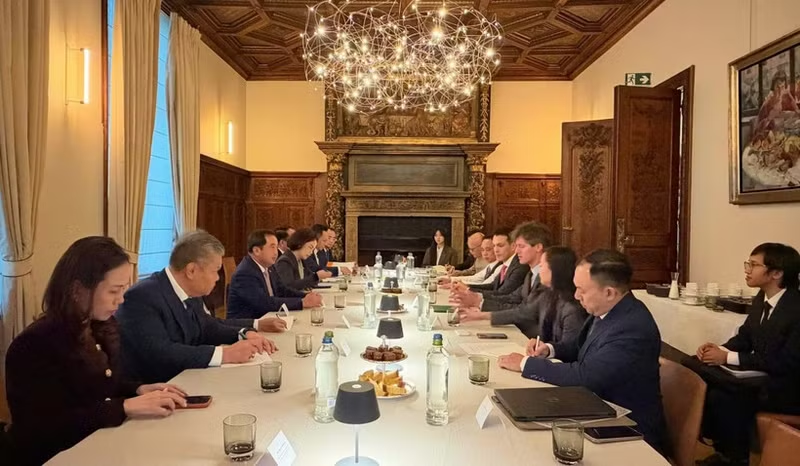
At meetings with representatives of Aquitara Fund and 512 Capital B.V., Thang outlined Ha Noi’s investment priorities, particularly industrial infrastructure, high technology, data centres and green, sustainable development.
He said the capital city prioritised high-quality projects that apply advanced technologies, use resources efficiently and make long-term contributions to local development.
Ha Noi stands ready to facilitate capable investors in studying and proposing projects that align with the city’s planning orientations and legal regulations, he added.
During a meeting with H&M Group, Thang acknowledged the company’s business performance and market expansion strategy in Viet Nam, including Ha Noi.
In response to H&M’s proposals to expand its retail network and develop a flagship store in the city centre, he said Ha Noi welcomed reputable international brands seeking to strengthen their presence in the capital.
He also instructed relevant agencies to enhance coordination and support the company in surveying potential locations and selecting suitable options.
At meetings with Siemens Mobility and DB Engineering & Consulting, Duong Duc Tuan, Standing Vice Chairman of the municipal People’s Committee, discussed Ha Noi’s plans to develop its urban railway network and opportunities to work with German companies with expertise in railway technology, engineering solutions and operations management.
He stressed that building a modern, integrated transport system, with urban railways as its backbone, was a key priority in Ha Noi’s long-term development strategy.
The city also attached importance to digital technology, network connectivity and operational efficiency, while remaining open to capable international partners participating in infrastructure surveys and development, he said.
Welcoming practical cooperation proposals from the two companies, Tuan asked relevant municipal departments and agencies to continue studying technical solutions suited to Ha Noi’s actual needs and transport development plans.
At meetings with representatives from the German Business Association in Viet Nam (GBA) and the European Chamber of Commerce in Viet Nam (EuroCham), Tuan affirmed that Ha Noi valued the European business community’s contributions to the city’s economic growth and international integration.
Representatives of the two associations expressed their confidence in Ha Noi’s potential, competitive advantages and dynamic development. They also called for closer engagement with the municipal authorities and more regular updates on the city’s planning orientations and investment priorities to support the expansion of their business activities.
Welcoming the proposals, particularly an idea to study the establishment of a “German House” in Ha Noi, Tuan agreed on the need to increase specialised investment promotion and business networking activities with German and European companies.
Throughout the meetings, Ha Noi’s leaders presented the city’s strategic priorities, including improving the legal framework, developing a sustainable master plan, modernising infrastructure, accelerating digital transformation, promoting innovation and advancing green growth.
The municipal authorities reaffirmed their commitment to supporting investors and protecting their legitimate interests. They expressed their hope that the proposals discussed would soon be translated into feasible programmes and projects in line with the city’s development orientations and legal regulations, delivering practical benefits to all parties.