A strong impetus for bilateral cooperation
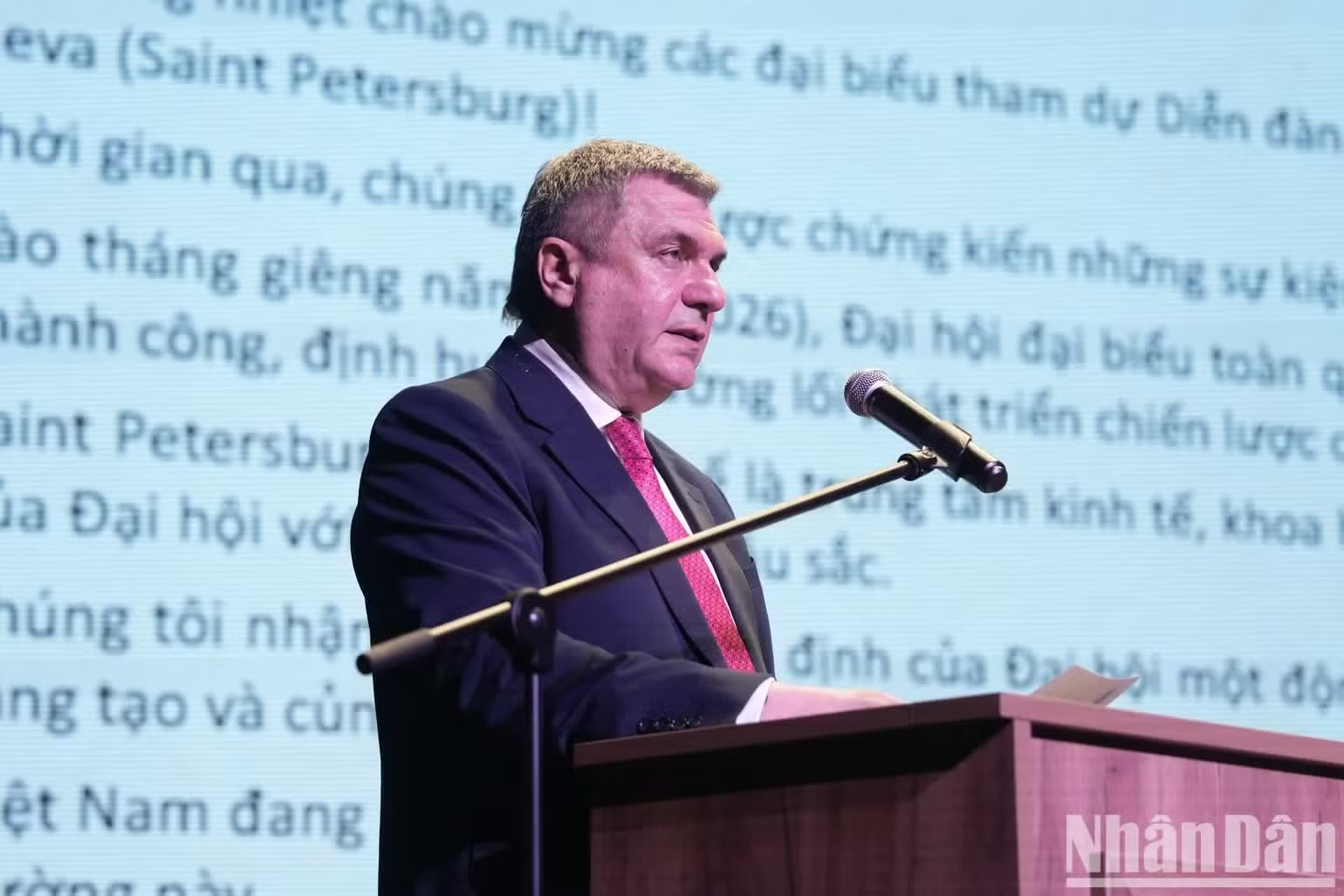
In a welcome address by Saint Petersburg Governor Alexander Beglov, delivered by Vyacheslav Kalganov, Acting Chairman of the Saint Petersburg Committee for External Relations, he stressed that Viet Nam was entering a new stage of development and that Russia was ready to be a reliable partner. The foundation for this lasting relationship was the unprecedentedly high level of trust between the leaders of the two countries.
According to the Saint Petersburg leader, Russian President Vladimir Putin and To Lam, General Secretary of the Communist Party of Viet Nam Central Committee and State President, had set out clear directions for effective cooperation between the two countries. The political will and example set by the two leaders had further deepened the comprehensive strategic partnership between Viet Nam and Russia.
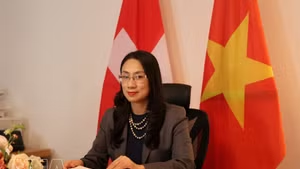
In a video address, Vietnamese Ambassador to Russia Dang Minh Khoi emphasised that Saint Petersburg held a special place in relations between Viet Nam and Russia. It was here, in Petrograd (now Saint Petersburg), that Nguyen Ai Quoc, later known as President Ho Chi Minh, first arrived in 1923. Over the years, thousands of Vietnamese specialists had been trained at the city’s universities and had made major contributions to the country’s development.
The ambassador noted that Saint Petersburg was now one of Viet Nam’s leading partners in Russia. The city maintained relations with Ha Noi, Ho Chi Minh City and many Vietnamese localities, with cooperation spanning education and science, industry and healthcare, culture and tourism.
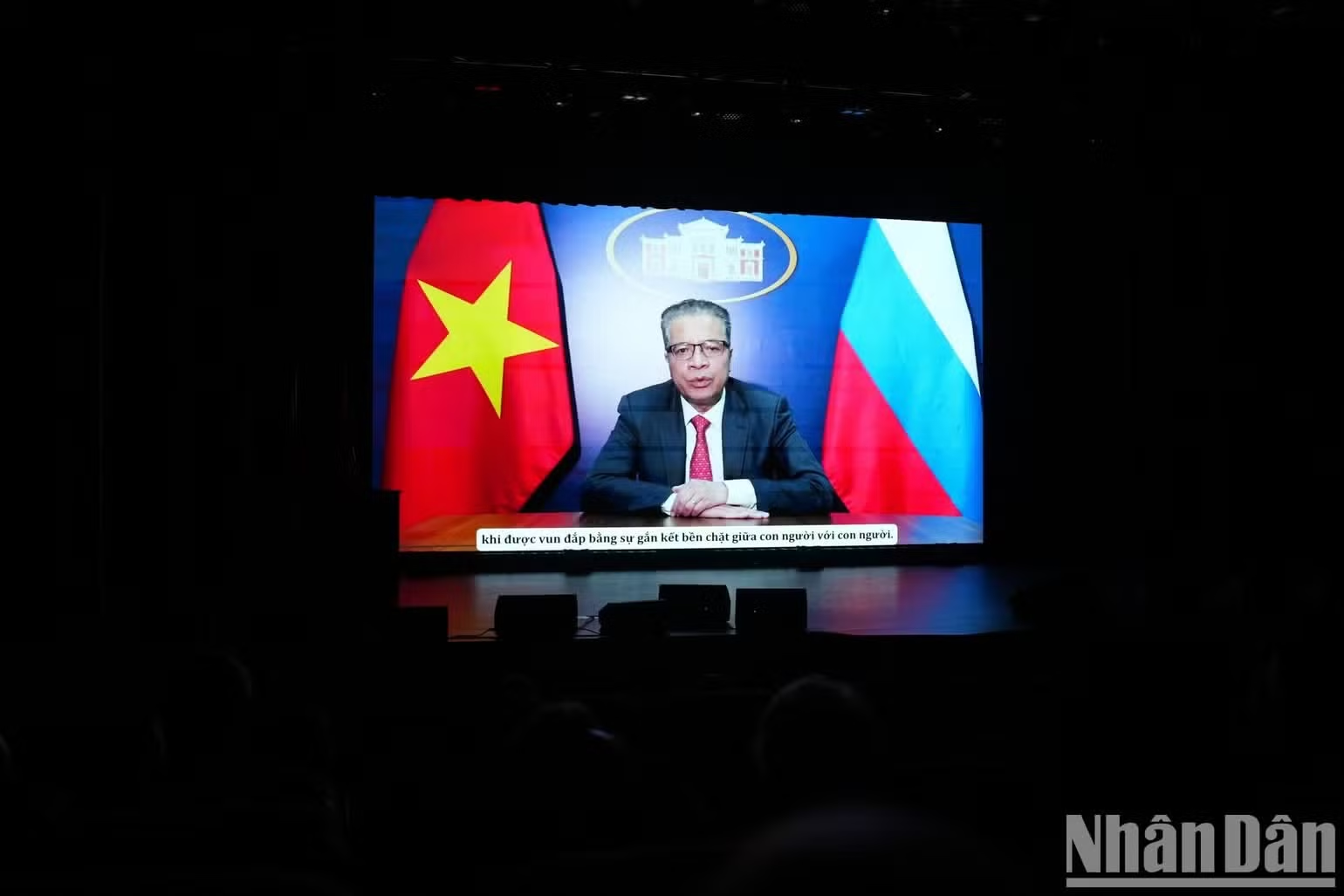
According to the ambassador, the Viet Nam–Russia friendship had stood the test of time. Younger generations in both countries would carry this friendship forward.
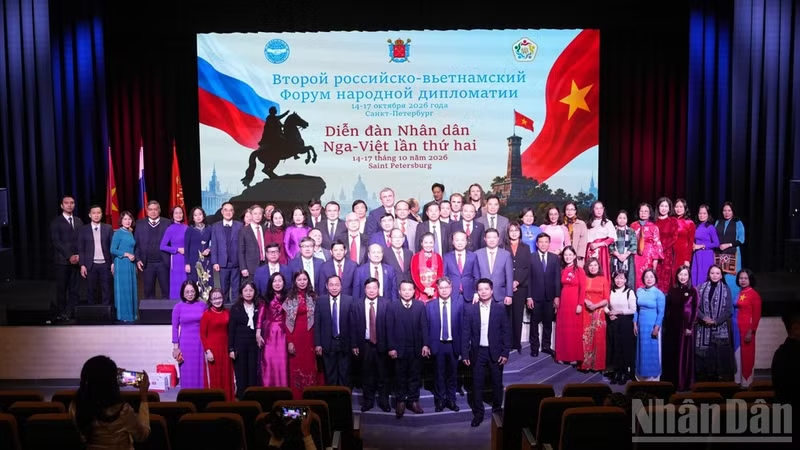
He also highlighted the particular significance of the forum’s focus on tangible outcomes. During the event, delegates would discuss the economy and local-level cooperation, culture, education and digital media. A dedicated session would also be held for young people.
Three key areas for coordinated action
Speaking at the opening session, Pham Tat Thang, member of the Party Central Committee and Deputy Secretary of the Party Committee for Mass Mobilisation, the Fatherland Front and central mass organisations, emphasised that the second Viet Nam–Russia people-to-people diplomacy forum provided an effective mechanism for dialogue, deepening mutual understanding, friendship and a constructive spirit between the peoples of the two countries.
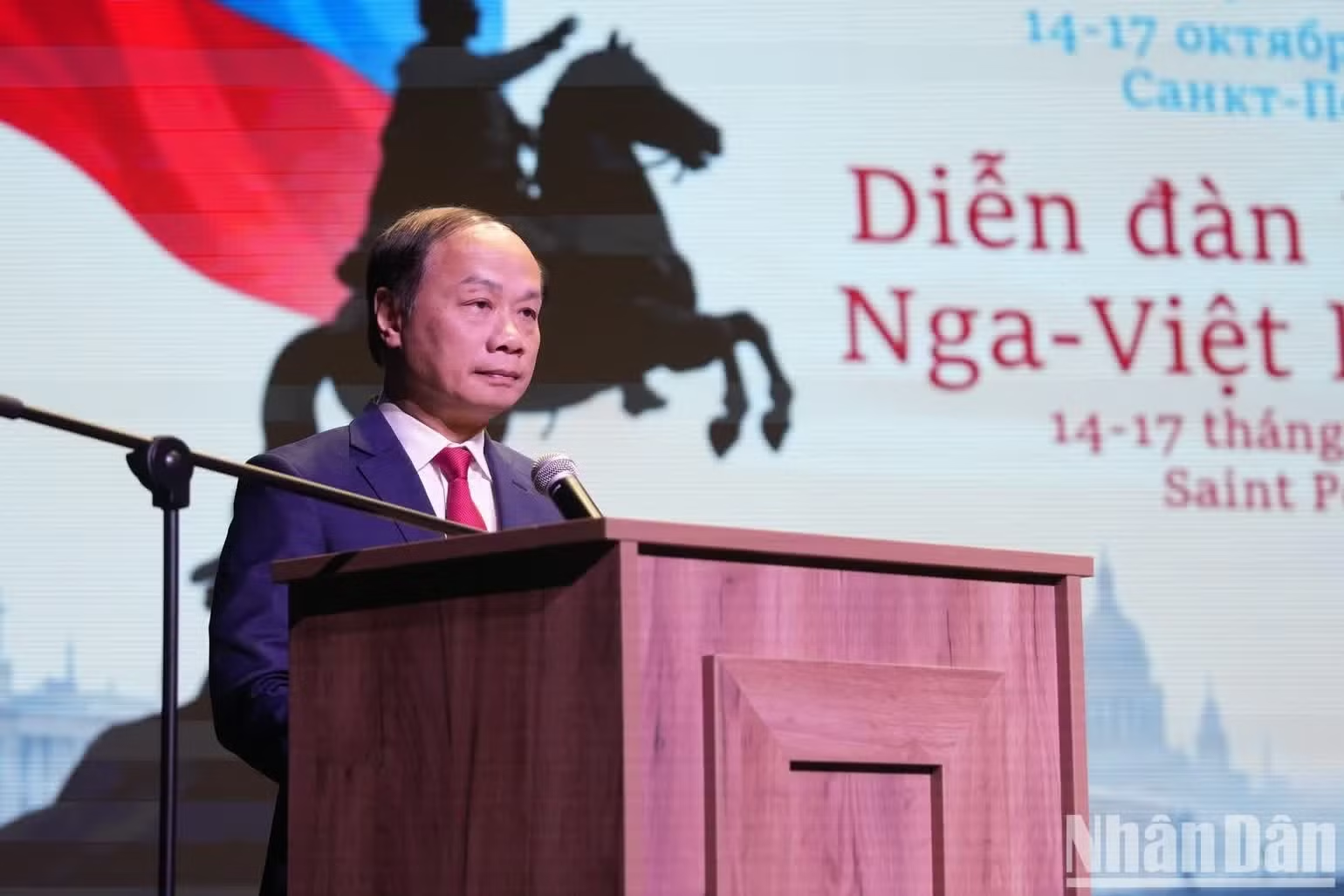
To build on the achievements already made and meet the expectations of the senior leaders and peoples of both countries in the new period, Pham Tat Thang proposed three key areas for coordinated action in the time ahead.
First, strengthen education for younger generations and pass on the tradition of friendship. The positive historical values and spirit of sharing and mutual assistance between the two peoples should be instilled in young people in both countries.
In particular, cooperation in education and training, science and technology should continue to be stepped up, with these fields regarded as a key driving force for connecting younger generations. The number of Vietnamese students sent to study in Russia should be maintained and increased to meet the demand for highly qualified personnel in science, technology, engineering and the arts.
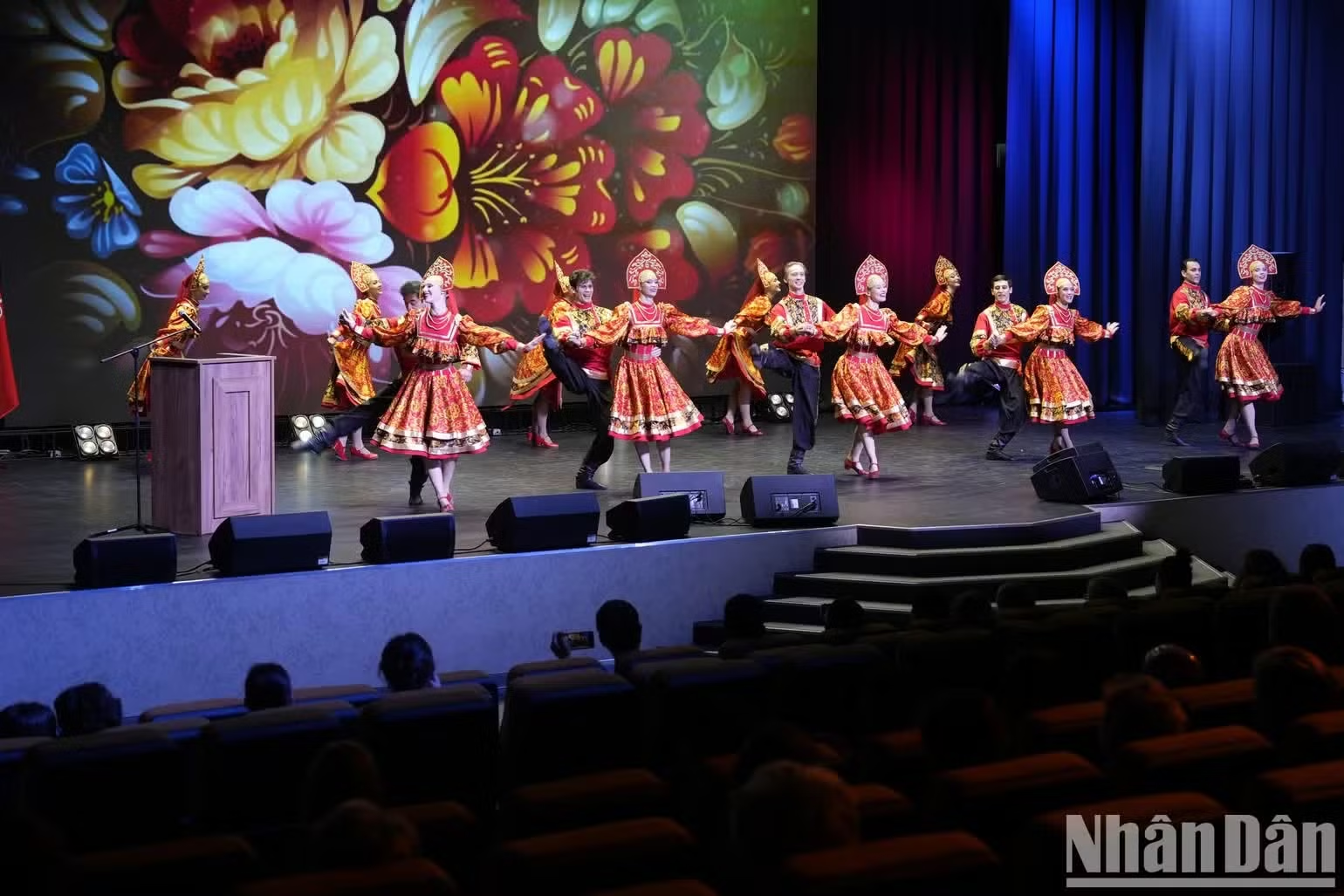
Second, promote local-level exchanges and substantive economic and people-to-people cooperation. The cooperation potential between Vietnamese localities and Saint Petersburg, Moscow and other entities in Russia should be fully tapped. High-level agreements between the leaders of the two countries should be translated into concrete action programmes.
Efforts should be made to capitalise on the Viet Nam–Eurasian Economic Union Free Trade Agreement and expand cooperation in areas of strength, including energy, nuclear science and technology, the activities of the Viet Nam–Russia Tropical Centre, and effective bilateral investment projects that bring direct benefits to the people of both countries.
Third, promote the role of the Vietnamese community in Russia as a bridge between the two countries. The Vietnamese side believed that the Vietnamese community in Russia would continue to serve as active ambassadors of peace, making practical contributions to the development of their host country and to the traditional friendship between the two nations.
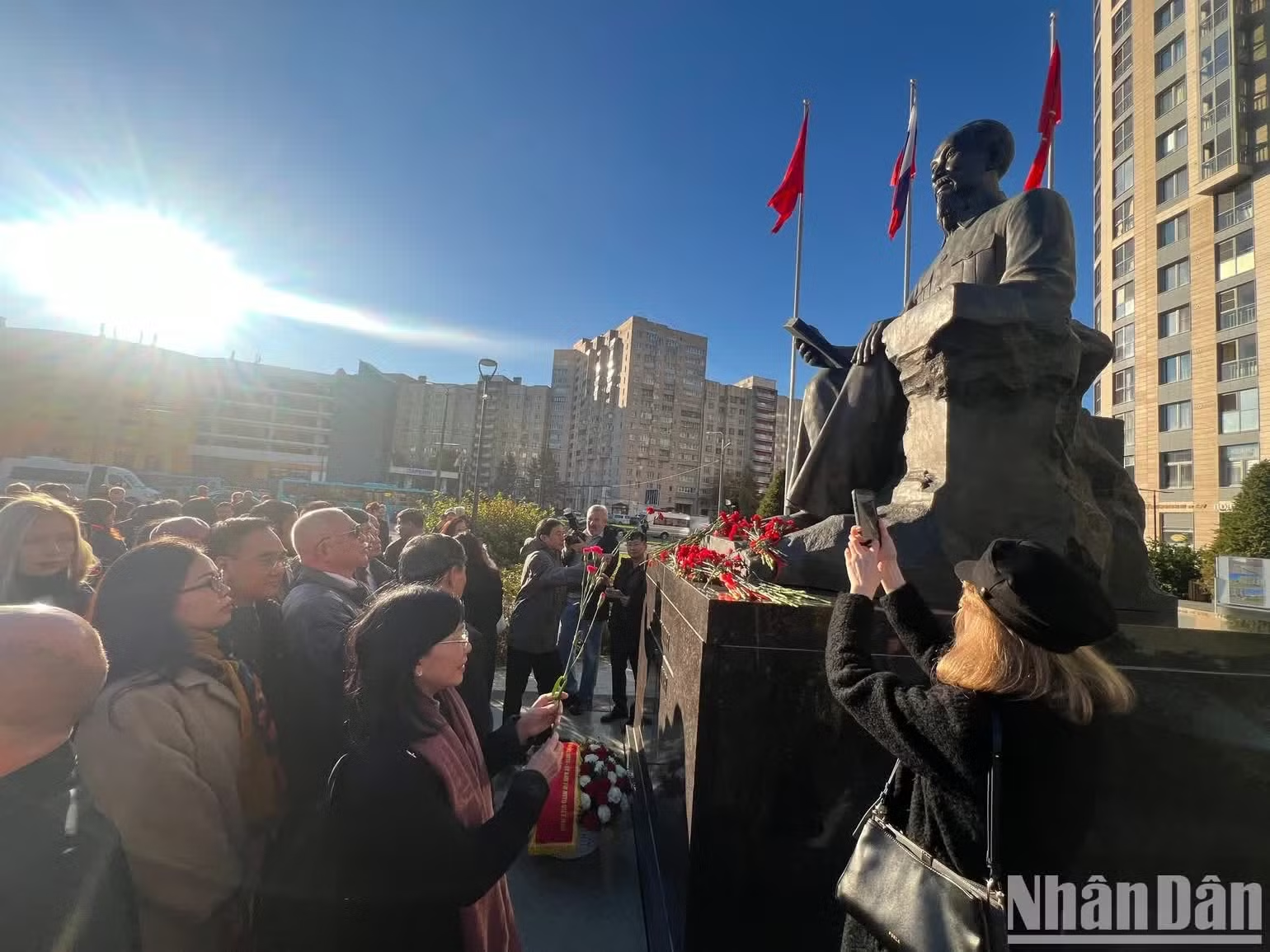
Earlier, before the opening session of the forum, a large number of delegates from the two countries laid flowers at the Monument to President Ho Chi Minh in the square named after him in Saint Petersburg’s Vyborg District.