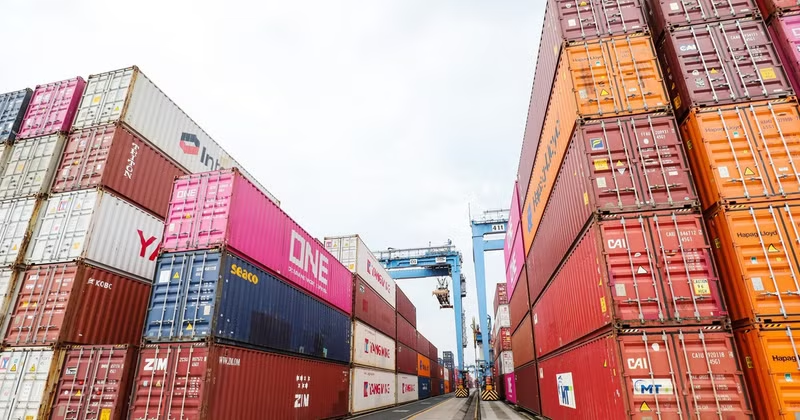
According to the National Statistics Office under the Ministry of Finance, Viet Nam's total merchandise import-export turnover reached 117.69 billion USD in September, up 42.4% year on year. The country recorded a trade surplus of 1.27 billion USD. Although relatively modest, the surplus is an encouraging sign as the economy enters the final months of the year.
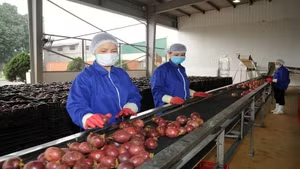
Than Duc Viet, General Director of Garment 10 Corporation, said that despite fluctuations in export markets, including tariffs of around 12.5% on goods entering the US, the company had maintained positive growth. Its revenue increased by 11% year on year during the first nine months of 2026.
"We currently have sufficient orders for the fourth quarter and expect to end the year with export growth of more than 10% compared with 2025," Viet said.
Positive signals
Beyond individual enterprises, Viet Nam's export outlook for the final months of the year is also showing encouraging signs. The foreign direct investment sector continues to lead export growth, recording 350.41 billion USD, an increase of 29.4% and accounting for 80.7% of total export turnover.
Export markets are also showing signs of recovery, particularly in several major destinations. Exports to the US rose by 24.2%, while shipments to the European Union (EU) and China increased by 21.7% and 32.9%, respectively. These gains have helped boost orders for manufactured and processed industrial products, creating further opportunities for businesses to expand exports in the remaining months of the year.
More effective utilisation of preferential tariffs under the Comprehensive and Progressive Agreement for Trans-Pacific Partnership (CPTPP), the EU–Viet Nam Free Trade Agreement (EVFTA), and the Regional Comprehensive Economic Partnership (RCEP) continues to help businesses improve price competitiveness, diversify markets and expand market shares, particularly in markets with stringent requirements.
Meanwhile, domestic export production capacity has also improved, supported by a sharp increase in imports of capital and intermediate goods. This category accounted for 94.1% of total imports, rising by 37.1% compared with the same period in 2025.
"This indicates that businesses have proactively prepared raw materials, machinery and equipment for production, laying the groundwork to fulfil export orders in the fourth quarter," said Nguyen Thu Oanh, Head of the Services and Price Statistics Department at the National Statistics Office.
In its September Macroeconomic Outlook report, MB Securities Joint Stock Company (MBS) forecast that Viet Nam's exports would maintain double-digit growth in the final months of the year. Growth is expected to be driven by global trade prospects, with investment demand for artificial intelligence forecast to continue supporting economic expansion. Other contributing factors include Viet Nam's efforts to diversify export markets, increase shipments to the EU and the Republic of Korea, and accelerate negotiations on free trade agreements with new partners. MBS projected export growth of between 22.5% and 24% for 2026.
On the import side, MBS expected growth in import turnover to moderate towards the end of the year, as raw materials imported during the earlier months are converted into finished products during the peak production and export season.
Improving the trade balance
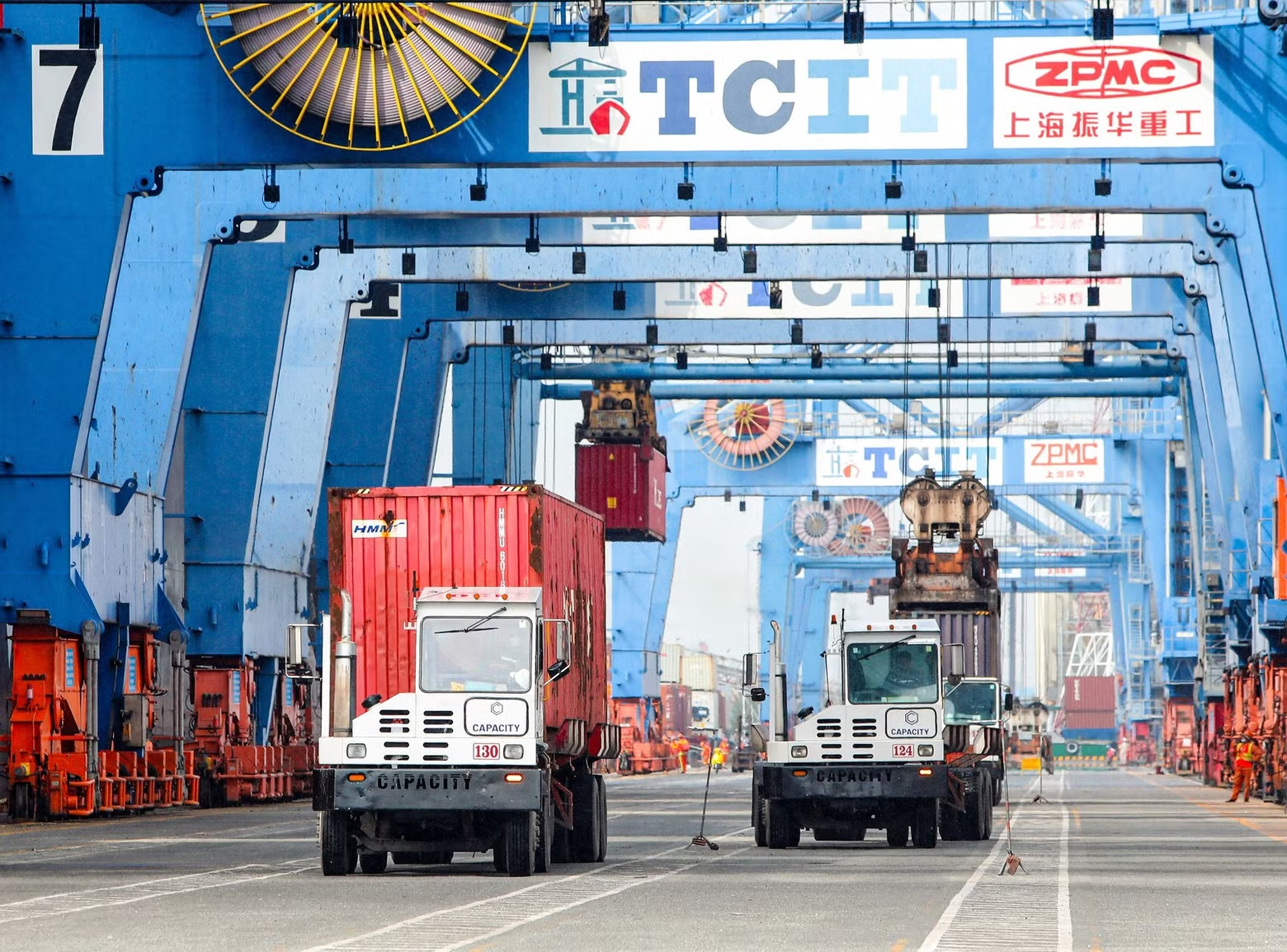
The return to a trade surplus in September is a positive development, but it is not yet sufficient to conclude that the period of trade deficits has ended.
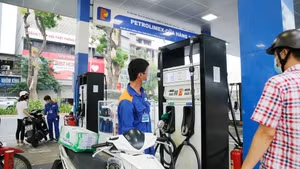
According to MBS, imports could remain elevated this year amid pressure on transport costs from persistently high oil prices. Demand for imports from the US is also increasing as Viet Nam seeks to narrow its trade surplus with that market.
In addition, imports of machinery, equipment and technological production lines are expected to continue rising to support production expansion and infrastructure investment.
MBS forecast that import turnover would increase by approximately 30–32% in 2026, potentially resulting in a full-year merchandise trade deficit of 10–12 billion USD.
Regarding the level of concern, a representative of the National Statistics Office said trade deficits should not be assessed solely on their absolute size. It is also necessary to examine the composition of imported goods and their potential to be converted into export products in subsequent periods. A sharp increase in imports of machinery, equipment and components could support production expansion and strengthen export capacity in the coming months.
Nevertheless, the trade deficit of 19.4 billion USD remains an issue requiring close monitoring, as imports continue to grow considerably faster than exports. Several major export industries, particularly electronics, remain heavily dependent on imported raw materials and components. Notably, there is a pronounced disparity between the two economic sectors: the foreign-invested sector recorded a trade surplus of 14.9 billion USD, while the domestic sector posted a deficit of 34.3 billion USD.
This imbalance highlights Viet Nam's continued reliance on foreign-invested enterprises for export growth, while domestic businesses face limitations in production capacity and participation in supply chains. Without improvements in domestic supply capabilities, stronger export growth could simultaneously generate greater demand for imported raw materials and components, leaving the economy with a disproportionately small share of the value added.
Associate Professor Dr Nguyen Thuong Lang, a lecturer at the Institute of Trade and International Economics under the National Economics University, said opportunities remained for Viet Nam to restore its overall trade surplus. In the short term, businesses should capitalise on the year-end peak season, control costs and make better use of markets with strong demand to boost exports.
From a policy perspective, ministries and relevant agencies should continue helping businesses expand and diversify export markets, particularly those with which Viet Nam has signed free trade agreements. Alongside trade promotion, greater attention should be paid to providing information on market demand, technical standards, rules of origin and green requirements in individual markets. This would enable businesses to proactively adjust their products, production processes and market entry strategies. Efforts are also needed to improve the implementation of free trade agreements, helping enterprises take advantage of preferential tariffs and comply with rules of origin.
Restructuring import markets should receive greater attention, with a focus on diversifying supply sources and selecting competitively priced raw materials, components and machinery while ensuring compliance with quality and origin requirements.
Regulatory agencies should continue reviewing and removing bottlenecks in logistics infrastructure, seaport connectivity, transport and import-export procedures, thereby reducing costs and processing times for businesses. Close monitoring of energy and raw material prices, as well as developments in international markets, would also help enterprises take a more proactive approach to production, import and export planning.
In the longer term, Lang stressed the need to strengthen domestic supply capacity, develop supporting industries and increase the share of domestic value added in export products. As domestic enterprises become more deeply integrated into supply chains, Viet Nam will be able to reduce its dependence on imported raw materials and components while retaining a greater proportion of export value within the economy.
Another approach is to better exploit the potential of service exports, particularly in logistics, transport, tourism, finance and telecommunications. Stronger growth in these sectors would generate additional foreign currency earnings, helping improve the overall trade balance even if the merchandise trade deficit persists.
"The objective is not merely to restore a trade surplus in the short term, but more importantly to enhance the economy's competitiveness and value added. As domestic production capacity strengthens, businesses will be able to reduce input costs, expand markets and increase the proportion of Vietnamese value in every export order," Lang emphasised.
“Looking ahead, it is essential to continue closely monitoring import-export developments, particularly the extent to which imported raw materials and components are transformed into export products. At the same time, developing supporting industries, increasing localisation rates and strengthening domestic production capacity will be crucial to improving the sustainability of the trade balance," Oanh recommended.