Originating in southern Viet Nam in the early 20th century, cai luong is a valuable element of the nation’s intangible cultural heritage. Over more than a century of ups and downs, this art form has continuously evolved and embraced creativity, becoming part of the cultural memory of generations of audiences. However, amid fierce competition from modern forms of entertainment, cai luong is struggling to keep pace. It must not only retain its traditional audience but also attract and cultivate a new generation of younger spectators.
According to Dr. People’s Artist Trieu Trung Kien, Deputy Director of the National Theatre of Traditional Arts of Viet Nam, cai luong in both northern and southern Viet Nam is facing numerous challenges. In the South, the birthplace of cai luong, a market for the art form still exists, with privately funded theatres continuing to operate. Nevertheless, companies struggle to stage performances regularly due to a lack of funding, dedicated theatre venues, and quality scripts that reflect contemporary life.
Under financial pressure, some troupes tend to cater to audience tastes by reproducing foreign artistic elements almost unchanged, putting cai luong at risk of losing its distinctive national cultural values. Meanwhile, cai luong in the North remains heavily dependent on commissions for politically oriented productions and has yet to adapt to market mechanisms in ways that would enable financial self-sufficiency and deeper engagement with everyday life. Furthermore, in some areas, the implementation of policies to streamline administrative structures and merge troupes and theatres has also affected the distinctive identity of cai luong.
In the digital age, modern audiences have become increasingly accustomed to content that is short, fast-paced, visually engaging, and constantly refreshed. Cai luong performances, by contrast, are often lengthy and slow-paced, requiring viewers to possess a certain degree of cultural knowledge and patience to fully appreciate them. This gap in the art form’s efforts to reach the public highlights the need for practitioners to strengthen their creative capacity and explore suitable content and forms of expression to bring cai luong closer to audiences.
Dr. Meritorious Artist Le Nguyen Dat of Ho Chi Minh City University of Theatre and Cinematography believes that, for cai luong theatre to engage in dialogue with contemporary life and today’s audiences, scriptwriting must first be renewed by incorporating contemporary issues into dramatic structures. These may include urban family life, young people, migrant workers, professional ethics, and digital transformation—topics that resonate with many audience groups. The key is that, even when exploring new subjects, cai luong must preserve its defining characteristics as a sung dramatic form, in which inner emotions and psychological states are expressed through song.
Alongside renewing its content, Le Nguyen Dat also suggests ways to develop a younger audience through school-based theatre programmes combined with digital communications and experiential activities. Cai luong could be introduced in schools through short excerpts, artist meet-and-greet sessions, costume and makeup experiences, singing workshops, introductions to traditional musical instruments, and backstage tours. At the same time, a high-quality digital content ecosystem should be developed, including digital archives, trailers, performance excerpts, introductory articles, artist interviews, and professionally maintained performance schedules. These initiatives would help nurture curiosity about and appreciation for cai luong, gradually building a new generation of audiences for traditional theatre.
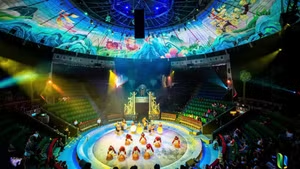
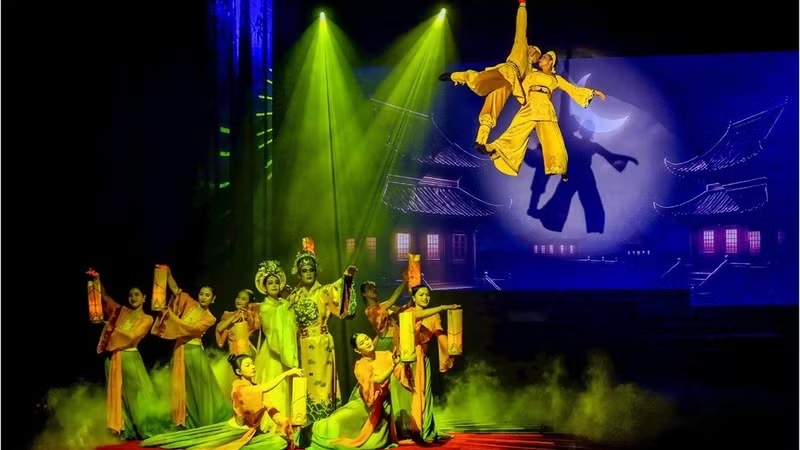
In recent years, several arts organisations have boldly experimented with new approaches to cai luong by combining it with circus arts, rap, and electronic music, or incorporating performances into cultural and tourism spaces. These efforts demonstrate that the art form continues to evolve and reform itself in order to adapt and survive. However, repositioning cai luong within the flow of modern life will require more than the efforts of artists and theatre practitioners alone.
According to director Nguyen Thanh Hiep, Head of the Theory and Criticism Committee of the Ho Chi Minh City Theatre Association, the biggest problem facing cai luong today is not a lack of dedicated artists or a public that has turned its back on traditional art. Rather, creative efforts have yet to receive adequate support from a sufficiently robust development framework. Resources remain fragmented, investment is not sufficiently linked to effectiveness, and training is not adequately coordinated with employment needs. Therefore, cai luong needs to be placed within a comprehensive development ecosystem, supported by a national strategy to guide its growth, commissioning mechanisms that encourage competition and extend the lifespan of productions, and closer links with tourism and the cultural industries to open up new avenues for development. Equally important are policies to provide artists with appropriate benefits and protection, allowing them to pursue their artistic work with peace of mind.
With close coordination among practitioners, policymakers, audiences, and the market, cai luong will have greater opportunities to sustain its creative momentum, continue developing, and generate new values for contemporary life.