Southeast Asia faces new challenges
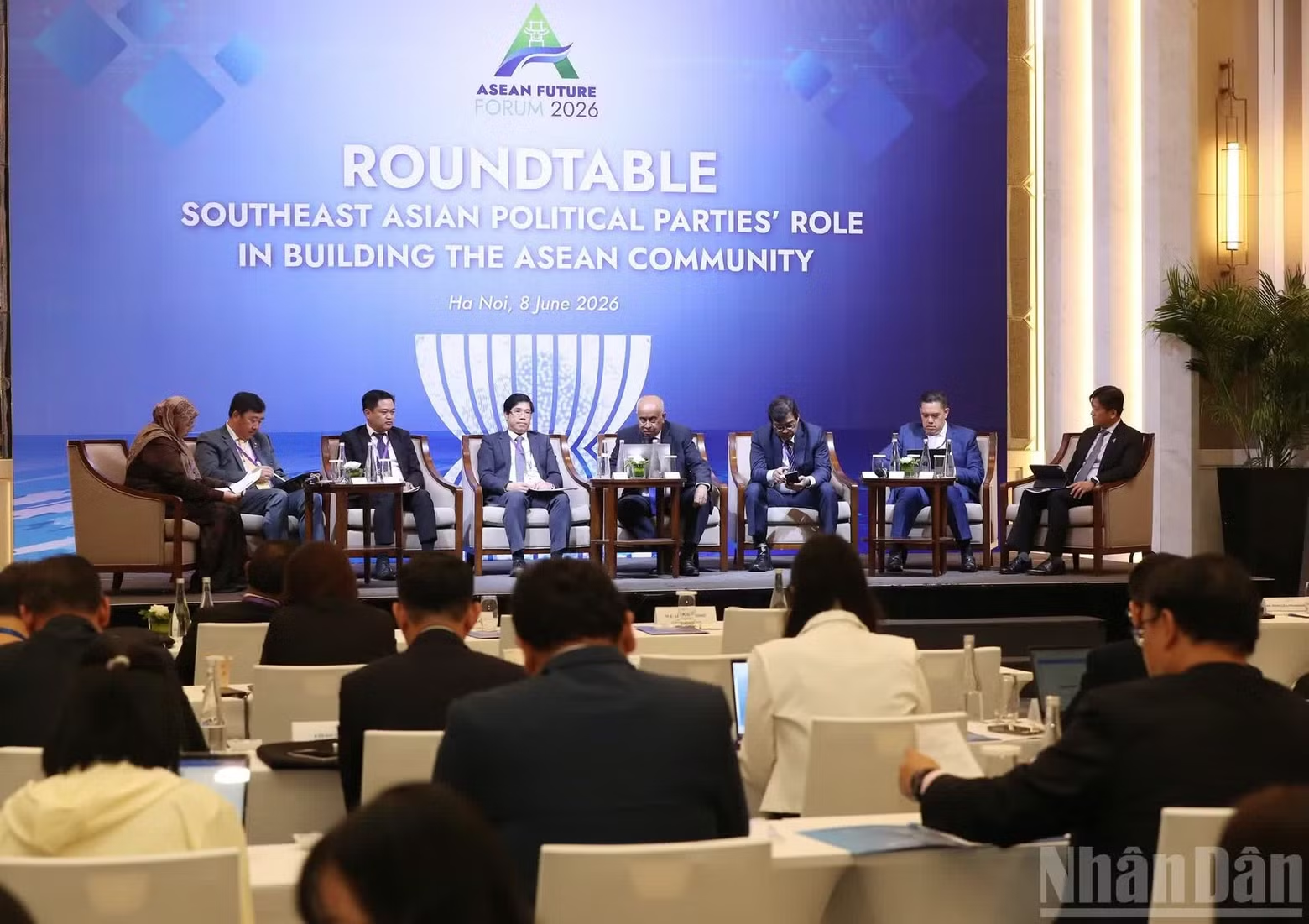
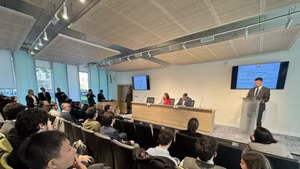
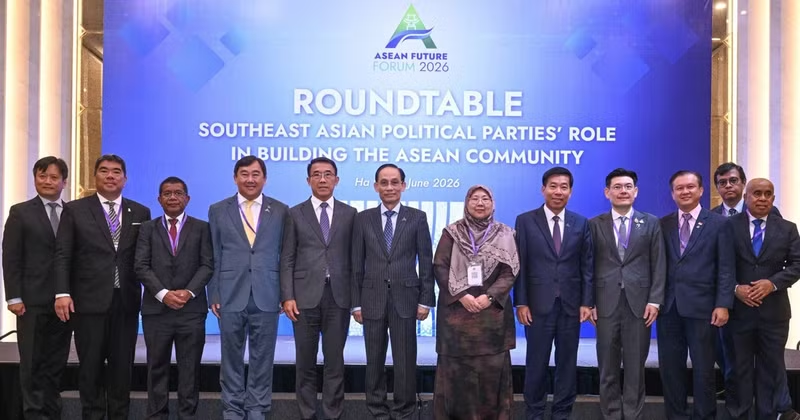
At the first-ever dialogue among political parties in Southeast Asia, held within the framework of the Third ASEAN Future Forum, Politburo member and Minister of Foreign Affairs Le Hoai Trung cited recent remarks by General Secretary of the Communist Party of Viet Nam and State President To Lam at the Shangri-La Dialogue 2026, identifying three major crises confronting the world today: a crisis of the international order, a crisis of development models, and a crisis of strategic trust.
General Secretary and State President To Lam also noted that these crises are converging most visibly in the Asia-Pacific region, directly affecting the daily lives of people across Southeast Asia.
According to Minister Le Hoai Trung, Southeast Asian countries are facing new challenges in their pursuit of further socio-economic achievements. Many traditional growth drivers are encountering obstacles, while trade liberalisation, globalisation, and both regional and international economic integration are facing mounting headwinds.
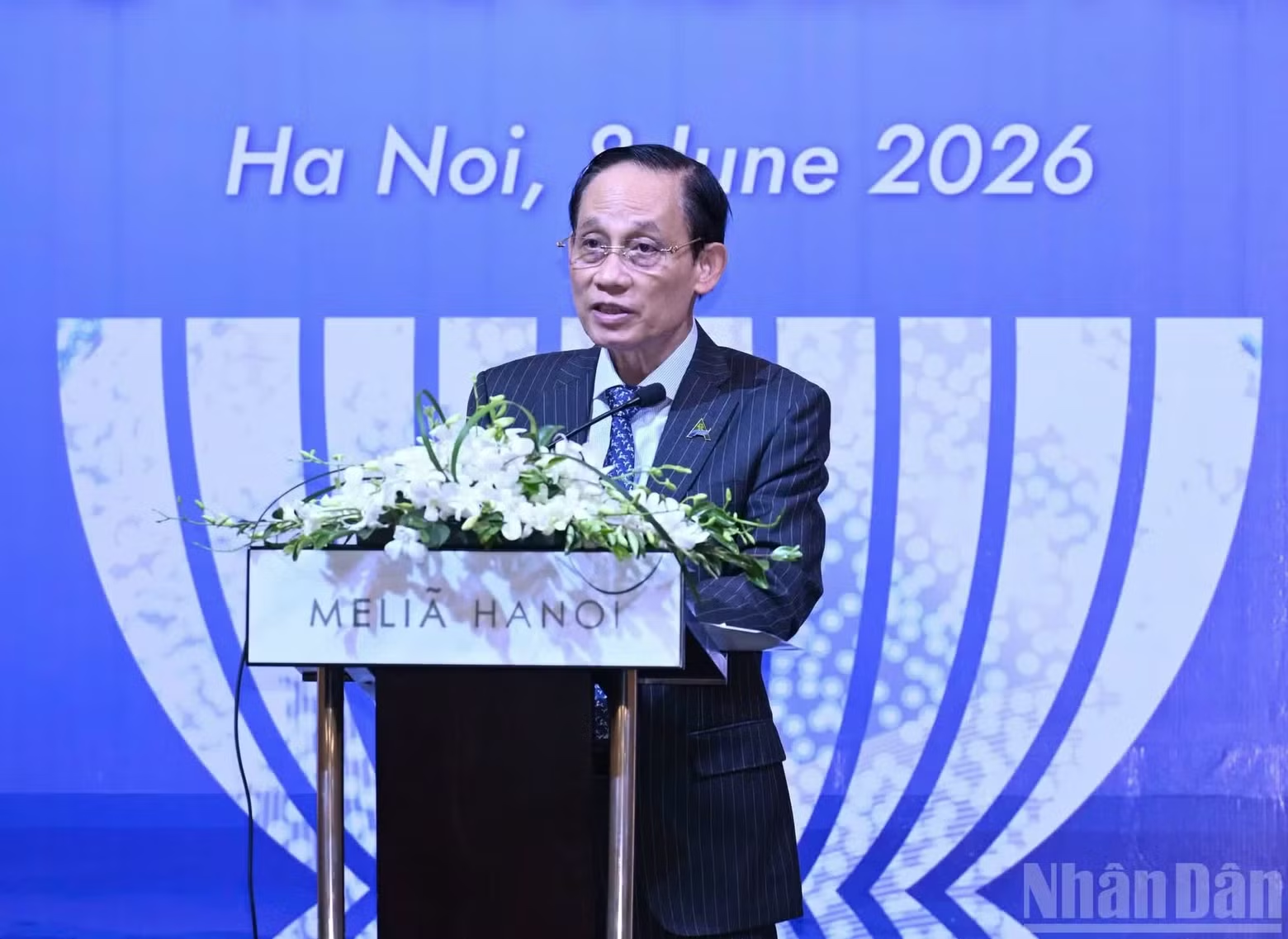
Like many other regions, Southeast Asia continues to face the risk of supply chain disruptions. Although the Asia-Pacific remains the engine of international economic integration, the regional security environment has become more uncertain, and economic prospects continue to face significant challenges.
Across the region, the ASEAN Way — one of the key factors behind ASEAN’s success in fostering a united and cohesive community — is encountering increasing obstacles in promoting dialogue both within and beyond ASEAN. International law and multilateral institutions are facing unprecedented challenges. Conflicts continue to emerge, often taking forms that would have been difficult to imagine just a few years ago. Peace and stability, essential foundations for development, are becoming increasingly fragile at both the regional and global levels.
Against this complex backdrop, Minister Le Hoai Trung stressed that "ASEAN’s future depends on the actions of each one of us.”
Regional political party cooperation: A strategic imperative
To help ASEAN overcome challenges while preserving its unity and strategic autonomy, the Foreign Minister argued that ASEAN cooperation should not be confined to state, government, and parliamentary channels, but must also be reinforced through the political foundations of each country — its political parties.
“Strengthening cooperation among Southeast Asian political parties is therefore not merely an exchange initiative but a strategic imperative,” Minister Le Hoai Trung stated.
Political-party cooperation helps bring ASEAN closer to its people and mobilises the strength of society as a whole. Through their direct engagement with citizens from all walks of life, political parties serve as a two-way bridge: conveying ASEAN policies to the public while also bringing the voices of citizens to the regional level. They also provide an effective channel for building broad social consensus to address common challenges, ranging from climate change and cybersecurity to sustainable development and the digital economy.
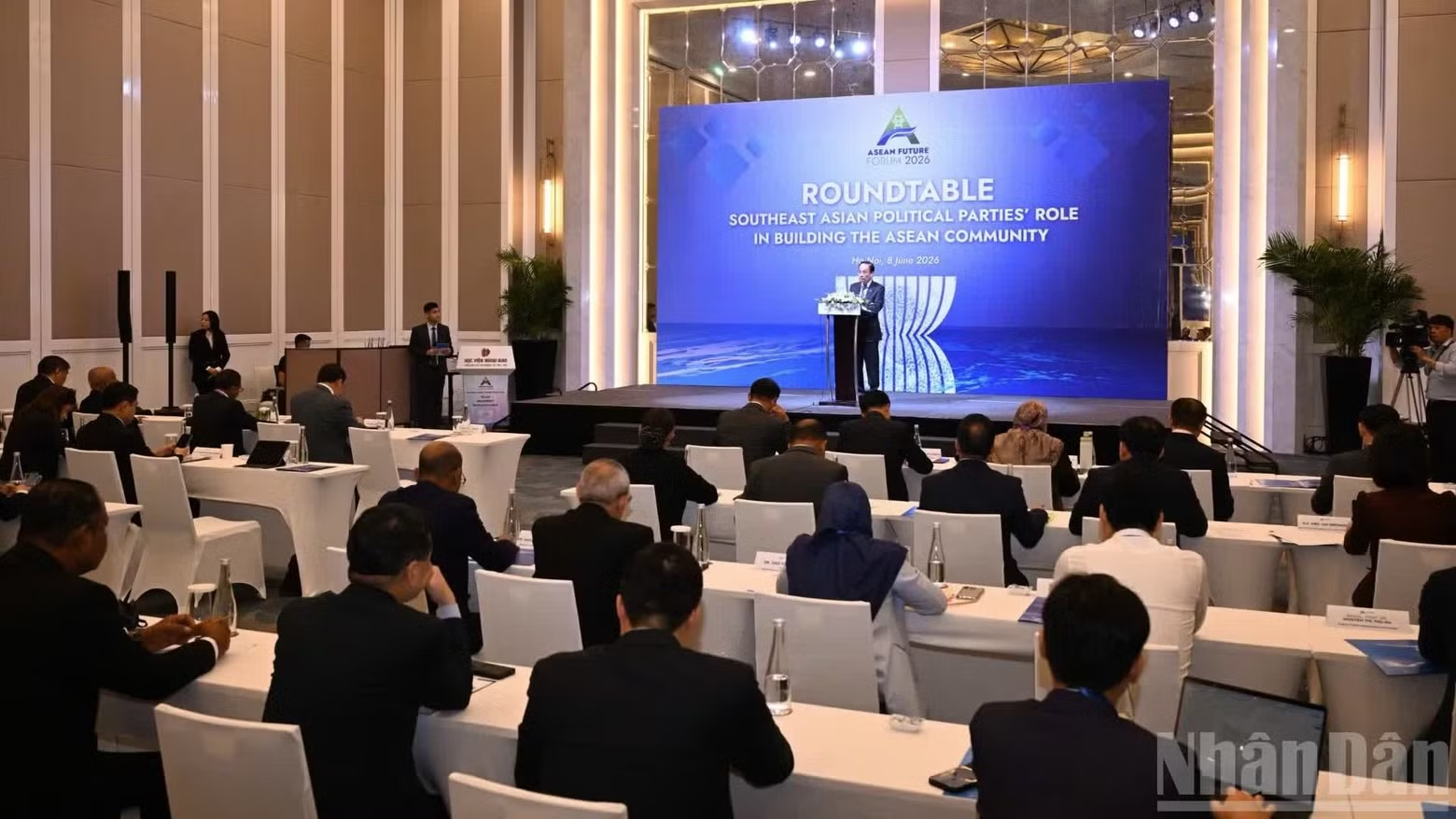
Moreover, political-party cooperation provides an anchor for the stability and continuity of long-term political commitments, particularly in implementing the ASEAN Community Vision 2045. As a 20-year roadmap, the vision requires sustained efforts and enduring consensus among political parties, ensuring the continuity of ASEAN’s commitments over time.
While Asia already has the mechanism of the International Conference of Asian Political Parties (ICAPP), ASEAN has yet to establish a dedicated platform connecting political parties within the region. In this context, Minister Le Hoai Trung suggested that political-party cooperation could evolve into a flexible supplementary dialogue channel for Southeast Asia.
Political parties share responsibility for ASEAN’s peaceful, stable, and prosperous future
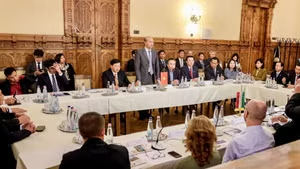
Despite differences in political systems and development realities, political parties throughout the region share responsibility for ASEAN’s peaceful, stable, and prosperous future. Contributions from participants at the ASEAN Future Forum 2026 clearly reflected a shared sense of responsibility and determination to contribute to the ASEAN Community-building process.
Agreeing that both the world and the region are undergoing complex and unpredictable changes, Bounleua Phandanouvong, Member of the Central Committee of the Lao People's Revolutionary Party (LPRP) and Chairman of its Commission for External Relations, emphasised that trust serves as the lifeblood and binding force of the international community. Strengthening trust among political parties in Southeast Asia is therefore of critical importance.
He noted that the Lao People’s Revolutionary Party believes political trust cannot exist in isolation; rather, it must be rooted in the fundamental principles of mutual respect for independence, sovereignty, and non-interference in one another’s internal affairs.
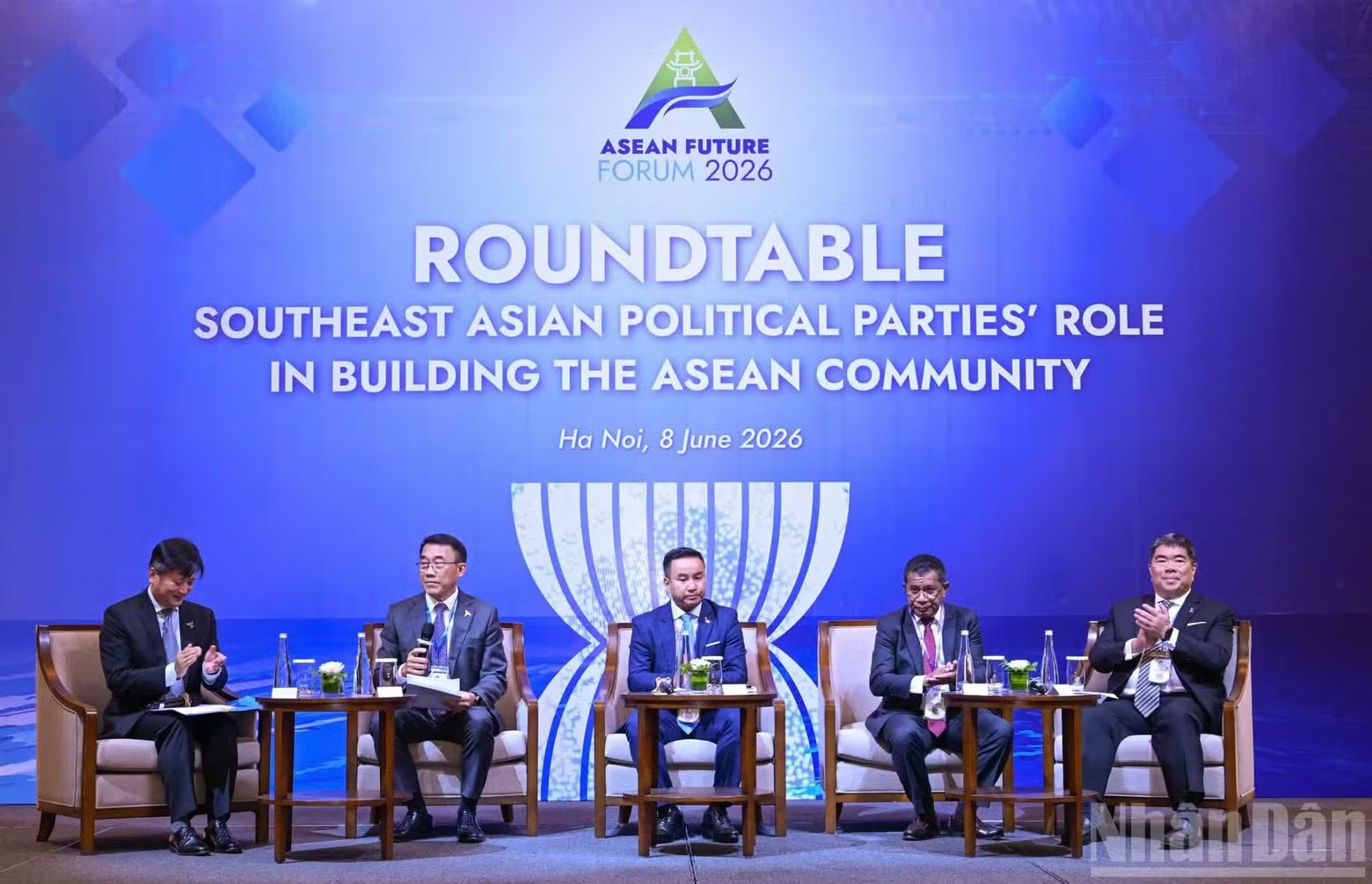
Such relationships, he added, should be guided by the ASEAN Way, which emphasises consultation, consensus-building, and coordination while avoiding confrontation and resolving challenges through dialogue and peaceful means.
The Lao party official also proposed three key areas of cooperation: enhancing dialogue and experience-sharing among political parties; strengthening their role as bridges for regional socio-economic connectivity; and jointly safeguarding ASEAN centrality amid emerging geopolitical challenges. He reaffirmed the Lao People’s Revolutionary Party’s commitment to close cooperation with political parties across the region to promote peace, stability, and sustainable development in ASEAN.
Highlighting the importance of political dialogue in building trust and mutual understanding among ASEAN countries, Lee Hong Chuang, Member of Parliament and representative of Singapore’s People’s Action Party (PAP), observed that ASEAN’s success stems not only from formal agreements but also from trust, strong relationships, and a shared commitment to addressing common challenges.
Drawing on Singapore’s development experience, Lee Hong Chuang underscored the importance of effective governance, long-term vision, social trust, and an open economy. He also reaffirmed that ASEAN unity and ASEAN centrality remain indispensable to the region’s peace, stability, and prosperity.
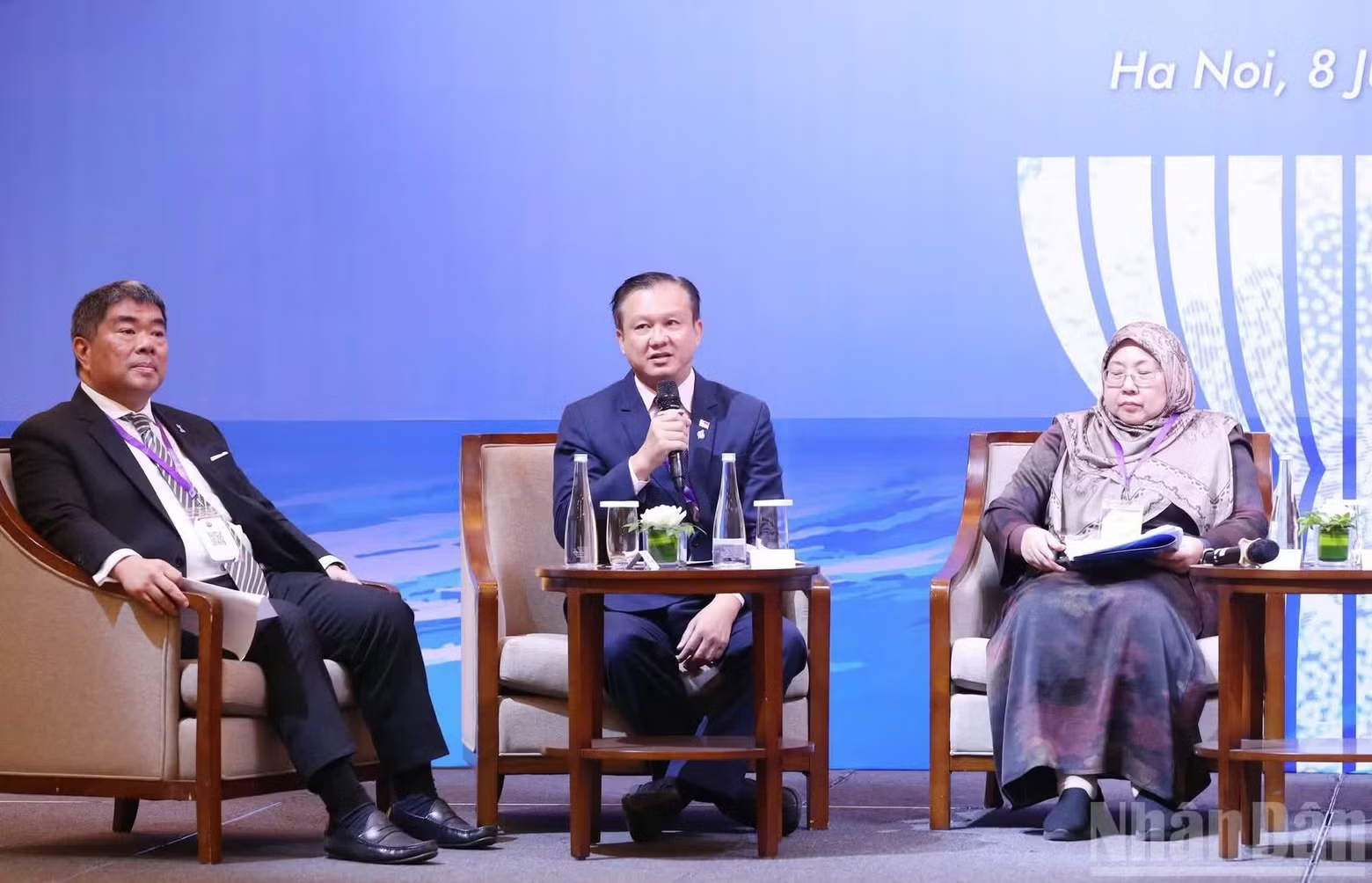
Explaining the rationale behind the proposal by the Diplomatic Academy of Viet Nam to establish an inter-party dialogue mechanism, Dr Nguyen Hung Son, President of the Diplomatic Academy of Viet Nam, noted that existing dialogue mechanisms still lack a channel dedicated to exchanges among political parties. Such a mechanism would therefore fill an important gap in the regional cooperation network.
He expressed hope that the inter-party dialogue mechanism would continue to receive broad support and eventually become a regular forum, helping to strengthen connections among political parties, citizens, governments, and other stakeholders.
Dr Andi Widjajanto, Representative of Indonesia’s Indonesian Democratic Party of Struggle (PDI-P), praised Viet Nam’s initiative in organising the dialogue among Southeast Asian political parties, describing it as a much-needed platform for enhancing exchanges among political parties in the region.
He expressed hope that the mechanism would be maintained on a regular basis to strengthen trust, promote mutual understanding, and deepen cohesion within the ASEAN Community.