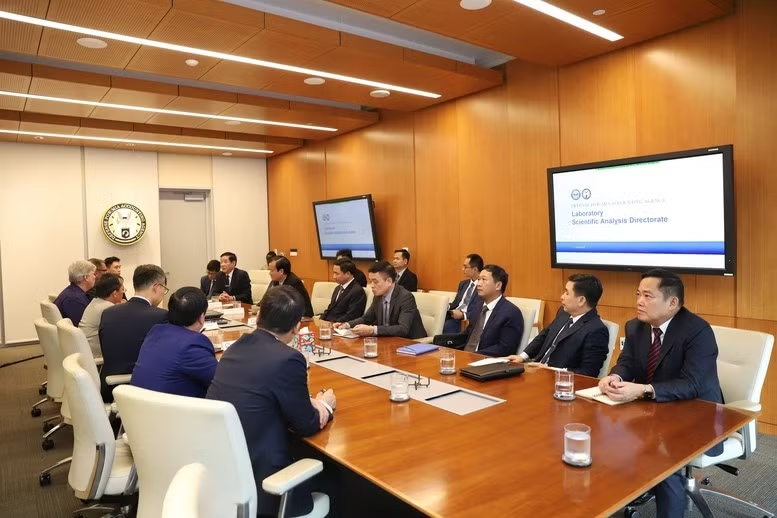
DPAA currently operates large-scale remains identification and skeletal anthropology laboratories in Hawaii and Nebraska, applying field archaeology, dental analysis, forensic anthropology and next-generation DNA sequencing to identify remains, including small or severely damaged fragments.
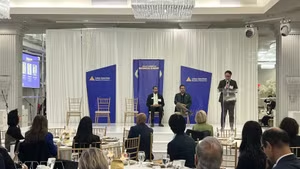
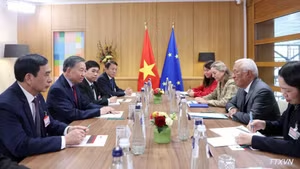
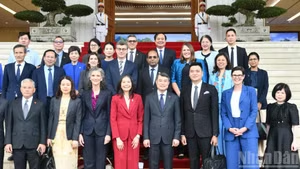
At the meeting, the two sides reviewed the results of cooperation in searching for servicemen missing in wartime. The search for US servicemen missing in action (MIA) has been one of the earliest areas of humanitarian cooperation between the two countries, spanning decades and involving hundreds of joint field operations.
Viet Nam’s responsible, goodwill-based and unconditional cooperation has helped recover and repatriate the remains of hundreds of US servicemen, laying an important foundation for bilateral relations.
The Vietnamese delegation called on US agencies to accelerate the declassification and transfer of relevant records and documents, and actively encourage US veterans to provide additional information on burial sites of Vietnamese servicemen.
It also proposed DPAA strengthen the sharing of technical procedures and transfer advanced solutions for DNA extraction and next-generation sequencing, including single nucleotide polymorphism (SNP) technology; optimise mitochondrial and nuclear DNA testing; share forensic skeletal anthropology procedures and new methods such as stable isotope analysis; and provide equipment, testing reagents and training programmes to enhance the professional capacity of Vietnamese specialists.
With its modern equipment, highly qualified personnel and advanced procedures, DPAA said it takes an average of around two years to conclusively identify a case. Given the large volume of remains Viet Nam still needs to search for and identify, this presents a considerable challenge.
DPAA representatives affirmed that US agencies regard supporting Viet Nam in the search for and identification of martyrs’ remains as a moral responsibility and a top priority, and will make every effort to provide the greatest possible support, particularly in areas where the US has expertise and Viet Nam has pressing needs.
The meeting reached important areas of consensus and opened up new avenues of cooperation in addressing war aftermath, helping accelerate the search, collection and identification of martyrs’ remains in Viet Nam, thereby easing the pain of war for families and further strengthening trust between Viet Nam and the US.