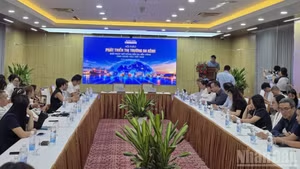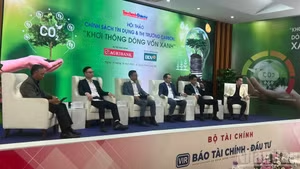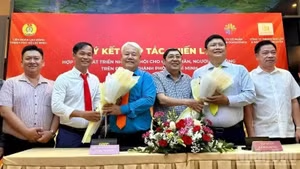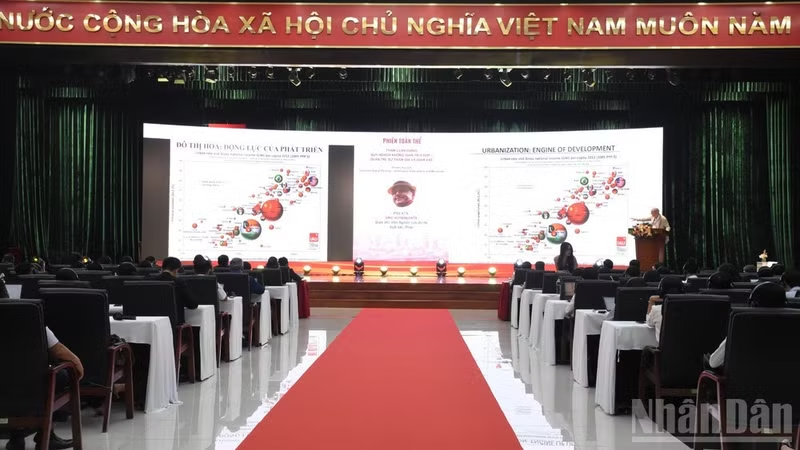
The forum is jointly organised by the Ho Chi Minh National Academy of Politics, the Central Policy and Strategy Commission and the Da Nang City People's Committee, with the participation of policymakers, experts, scientists, representatives of localities, and domestic and international businesses.
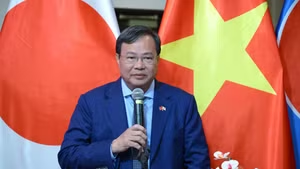
In his opening remarks, Associate Professor and Doctor Nguyen Manh Hung, Deputy Director of the Ho Chi Minh National Academy of Politics, emphasised that Viet Nam is entering a new stage of development, placing increasingly high demands on leadership, governance and implementation capacity.
Planning plays an important role in translating development policies into spatial organisation and resource allocation, harmonising local interests with national interests, and linking economic growth with social progress and environmental protection.
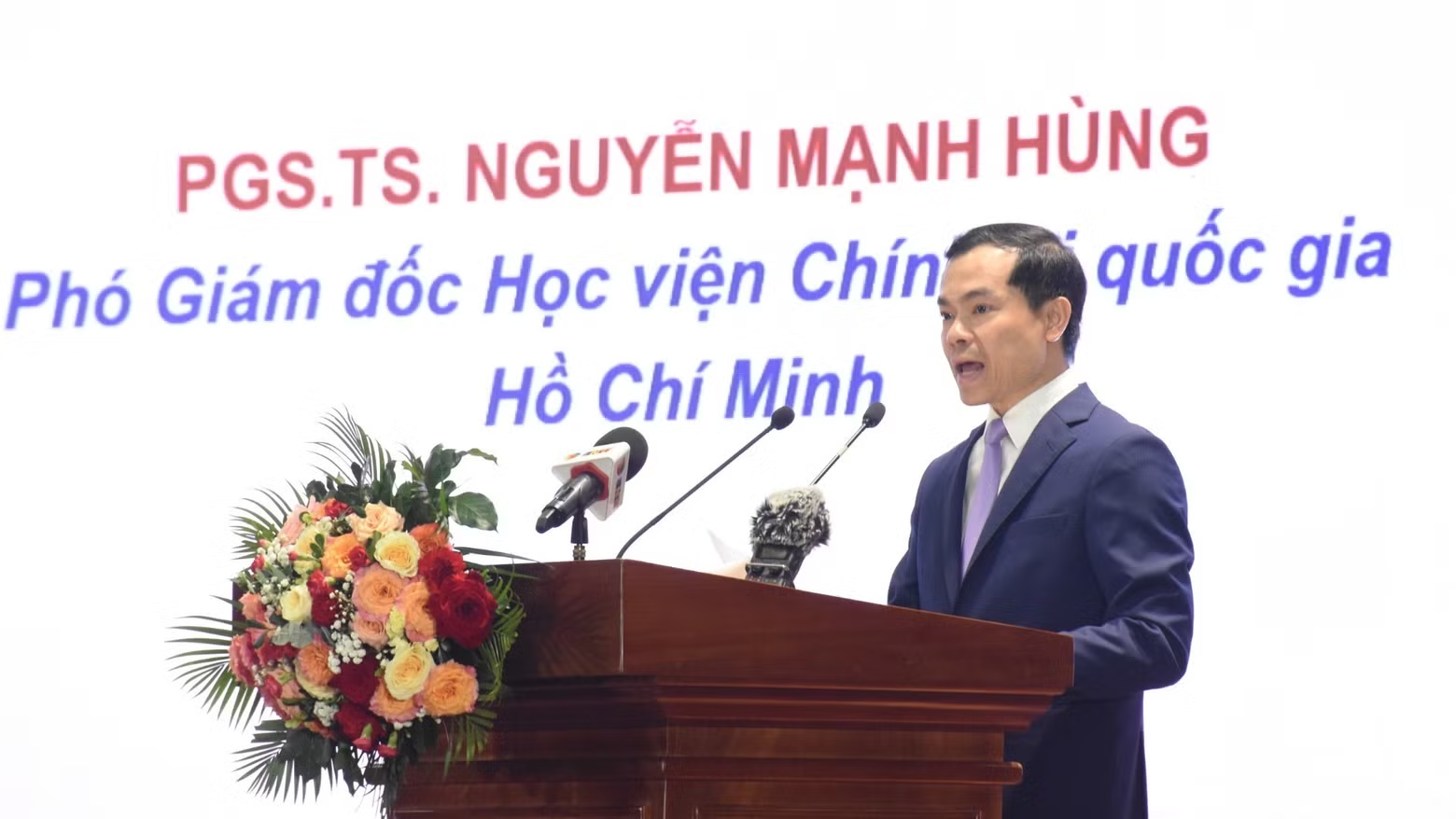
According to Assoc. Prof. Dr. Nguyen Manh Hung, the reorganisation of administrative units and the operation of the two-tier local government model are opening up new development spaces, while also requiring localities to renew their planning approaches and strengthen cooperation beyond administrative boundaries.
The forum's theme sets out four core requirements: development linked to improving quality of life; conservation of heritage, nature and identity; proactive adaptation to climate change; and stronger connectivity at regional, national and international levels.
Assoc. Prof. Dr. Nguyen Manh Hung affirmed that the forum provides an opportunity to connect policymakers, scientists, localities and businesses to jointly identify practical issues and propose appropriate solutions. Discussions should contribute to policy improvement and enhance governance capacity and the quality of planning at all levels.
Speaking at the forum, Le Quang Nam, Vice Chairman of the Da Nang City People's Committee, said that following the reorganisation of administrative units and the implementation of the two-tier local government model, localities faced the need to reorganise development space, review connectivity and strengthen coordination capacity.
Planning not only determines the arrangement of urban areas, production and infrastructure, but also serves as a tool for setting priorities, allocating resources, protecting natural and cultural values, and expanding development opportunities for local people.
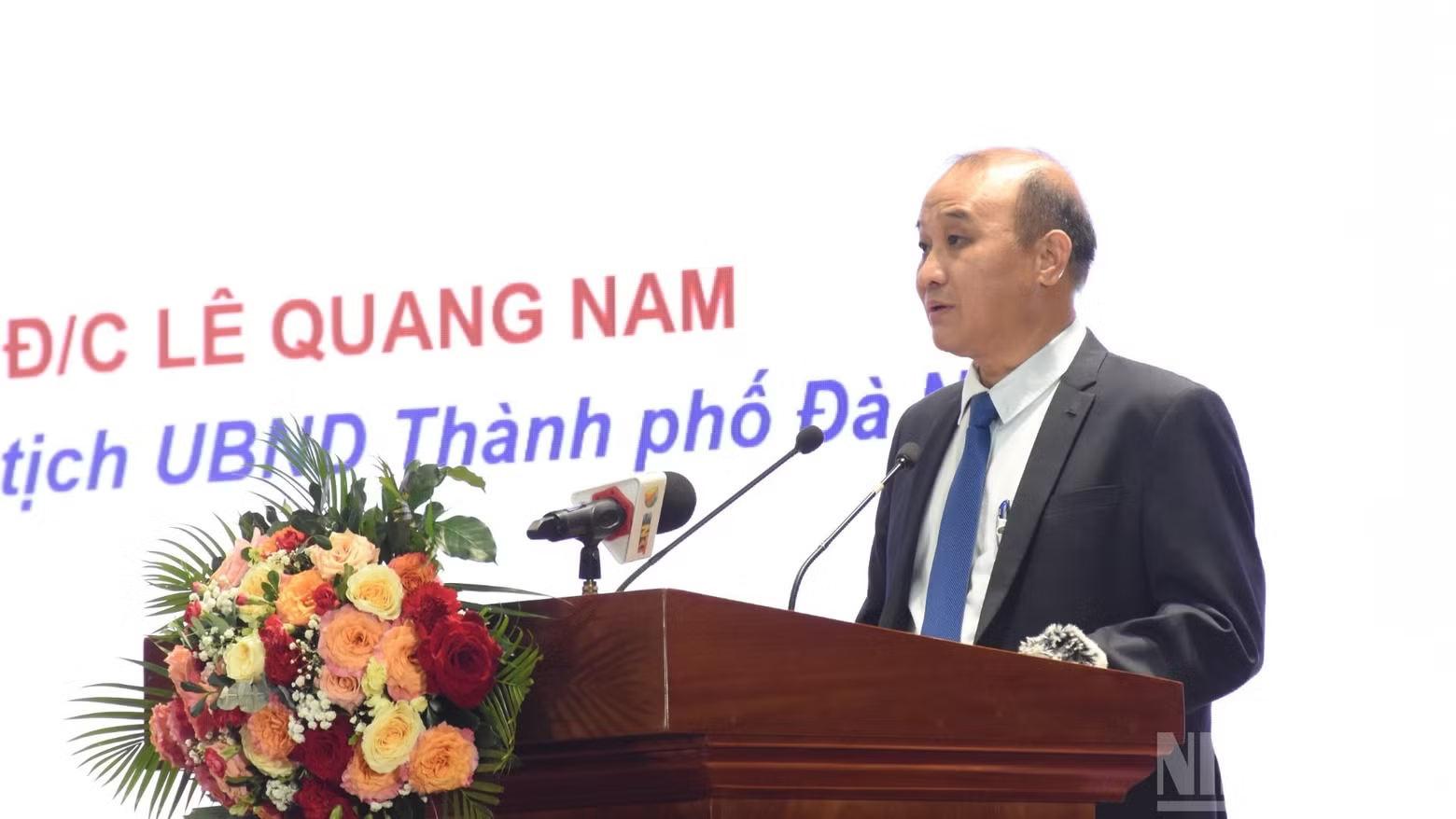
Le Quang Nam reported that on October 21, 2026, the Prime Minister issued Decision No. 2016/QD-TTg approving the Master Plan for Da Nang City to 2050, with a vision to 2075.
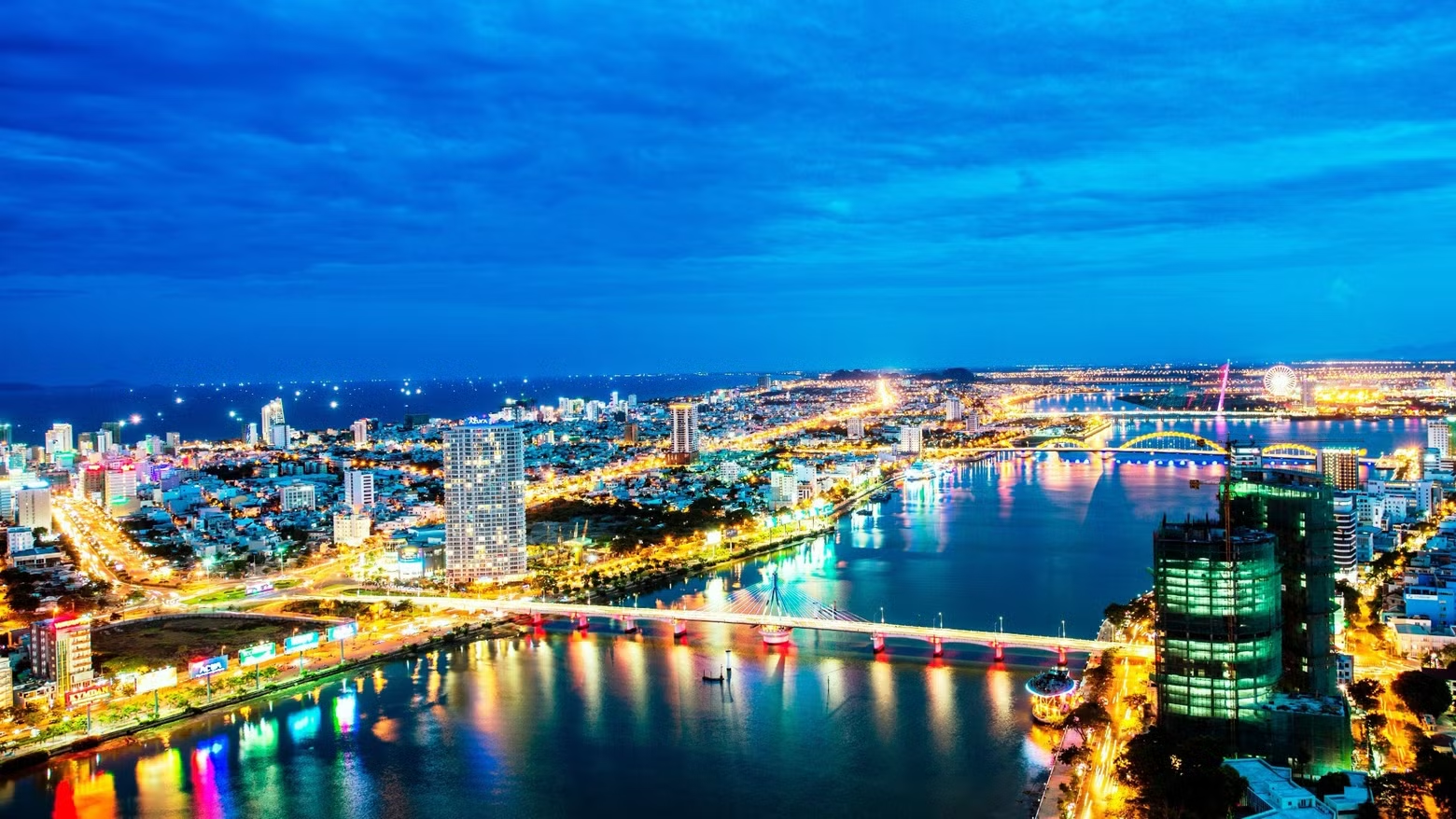
The plan envisages developing Da Nang into an ecological, modern and smart coastal city with a strong identity that is safe and liveable, pursuing a green growth model and adapting to climate change. It provides an important basis for the city to translate its development vision into priority programmes and projects, together with appropriate implementation mechanisms.
Da Nang hopes to receive scientifically grounded and practically relevant comments and constructive criticism from experts, scientists, businesses, localities and international partners, thereby gaining a clearer understanding of opportunities and challenges and identifying appropriate development solutions.
Dr Nguyen Duc Hien, Deputy Head of the Central Policy and Strategy Commission, said that rapid and sustainable development had consistently been a policy and guiding principle underpinning Viet Nam's development policies and strategies.
To concretize this goal, Resolution No. 19-NQ/TW dated July 28, 2026, sets out the requirement to reorganise national development space in a multi-layered and multi-polar manner, shifting from management based on administrative boundaries towards development based on functions, regional advantages and sectoral linkages.
In addition, Resolution No. 27-NQ/TW dated August 28, 2026, of the Politburo emphasises restructuring regional development space and promoting the leading role of growth poles. Meanwhile, Politburo Resolution No. 06-NQ/TW dated January 24, 2022, calls for a renewed approach to urban planning based on a long-term vision, with people at the centre and culture as the foundation.
These provide an important theoretical and practical basis for localities to implement coordinated and modern development spatial planning in the new period.
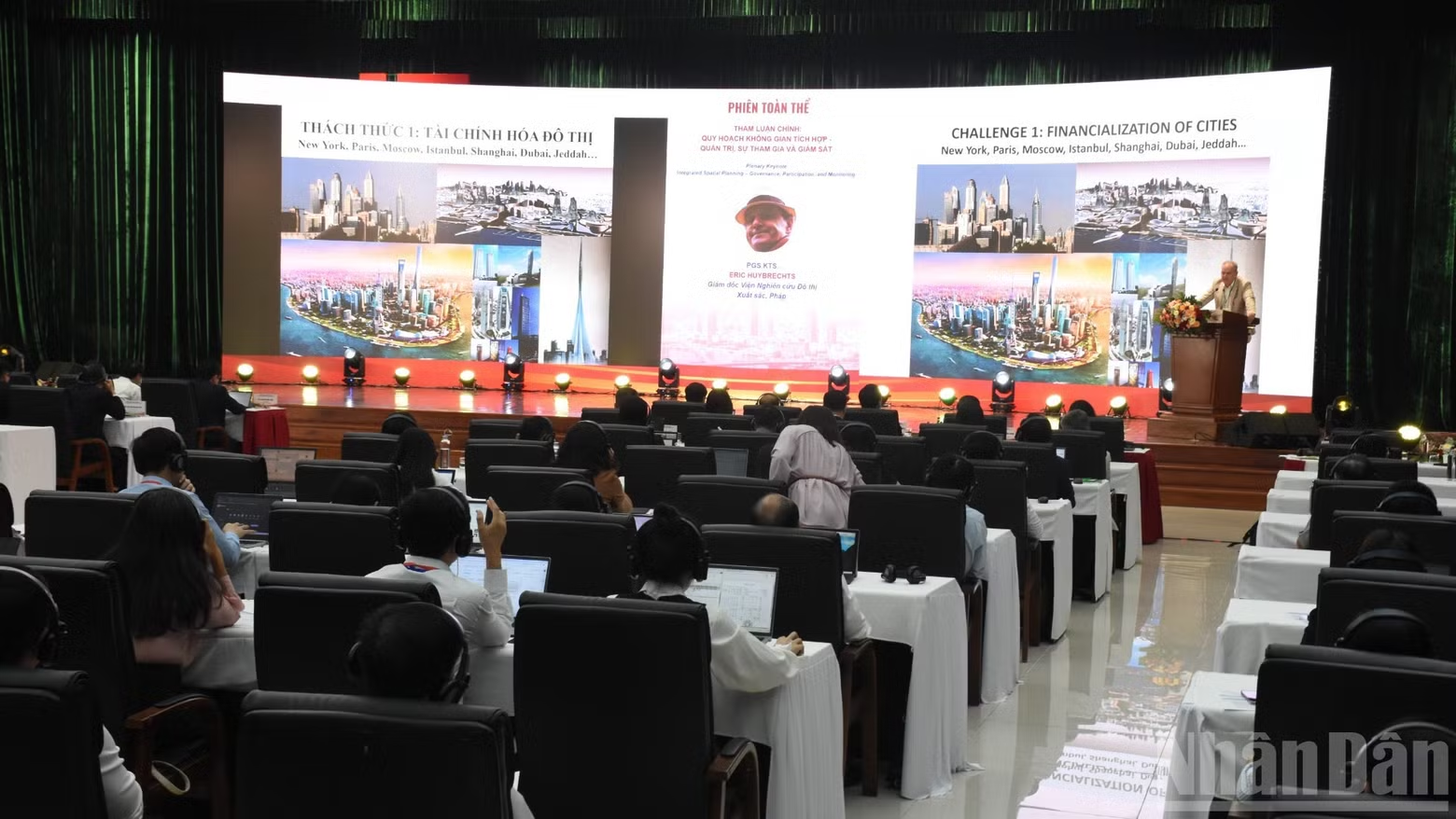
Dr Nguyen Duc Hien affirmed that the thematic session held that day was highly significant for Viet Nam in implementing its policies and orientations on national, regional and local development spatial planning, as well as on urban construction, management and planning.
During the plenary session, speakers addressed a range of important issues, including “Challenges and Integrated Approaches to Strategic Planning: Perspectives from International Practice”; “Challenges in Urban Reshaping and Economic Development amid Local Government Mergers”; “Effective Management of Spatial Planning”; and “Challenges from Planning to Implementation: Adapting to Change, Innovating Governance and Promoting Cooperation”, among other topics.
The forum takes place over two days, October 23 and 24, with the High-Level Policy Forum session scheduled for the morning of October 24.