Russia is the world’s largest wheat exporter, while Ukraine is the fifth largest, both countries provide 19% of the world’s barley supply, 14% of wheat and 4% of maize, accounting for more than one third of the global cereal exports.
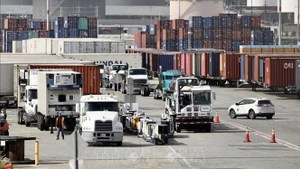
In addition, Russia and Ukraine are also top suppliers of rapeseed and account for 52% of the world’s sunflower oil export market. As a result, increased sanctions between Russia and the West, and the conflict in Ukraine, have disrupted supply chains and logistics for Ukrainian and Russian grain and oilseed production, and such restrictions on Russian exports raise concerns that they will cause significant food security consequences.
This is especially true for the roughly 50 countries that are depending on Russia and Ukraine for 30% or more of their wheat supplies. Many of them are the least developed or low-income, food-starved countries in North Africa, Asia and the Near East. Many European and Central Asian countries that are depending on Russia for more than 50% of their fertilizer supply, are also at risk of prolonged impacts on agricultural production.
The ability of agricultural disruptions by two major exporters, Russia and Ukraine, could exacerbate global food insecurity. FAO warned that up to 30% of crops in Ukraine will not be planted or harvested this year due to the conflict.
According to FAO estimates, the conflict in Ukraine may exacerbate malnutrition globally, and international food prices could rise by 8% to 20%. The number of undernourished people globally could increase by 8 to 13 million between 2022-2023. Agribusiness executives said consumers around the world will feel the impact of the Ukraine crisis, due to soaring food prices and significant disruptions to agricultural supply chains.
John Rich, Executive Chairman of Ukraine’s leading food supplier MHP, expressed concern about this year’s spring crop - an important crop not only for the domestic supply in Ukraine, but also for the large volume of grain and vegetable oils that the country exports globally. According to him, the current conflict has a great impact on the supply of Ukraine and Russia to the world. Commodity prices spiked after Russia's military campaign in Ukraine, with wheat prices increasing at their highest level of all time.
The MHP Chairman also warned of an “inflationary spiral” for the prices of wheat, corn and other commodities, which were already high before tensions in Ukraine, caused by drought and increased demand, due to economic recovery after the COVID-19 pandemic.
Facing the bleak future of the food picture, FAO has made a number of policy recommendations to ensure global food security, that is to keep the global trade in food and fertilizers open, and to diversify the food supply. Governments need to expand social safety nets to support vulnerable groups, while avoiding particular policy responses without considering their potential impact on international markets.
It is also necessary to strengthen market transparency and dialogue to help governments and investors make the right decisions when the market for agricultural commodities is volatile. Meanwhile, World Bank President David Malpass urged people and businesses not to hoard food and fuel; while manufacturers around the world should react strongly to increase supply, to meet actual demand.
He also forecasted that food supplies outside of Russia and Ukraine will increase sharply, thereby reducing the impact of escalating prices and helping to sustain the economic recovery. The World Bank President emphasised that the thing to do in the current situation is not to buy food to reserve, but everyone needs to be aware that the global economy is very dynamic and will react properly to ensure adequate supply.