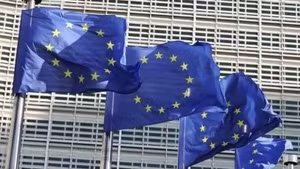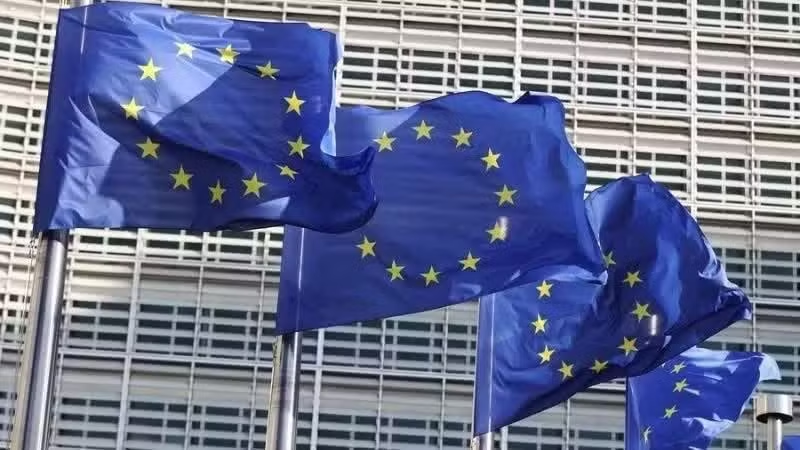
To prepare for cold weather, EU countries typically replenish their natural gas reserves ahead of each winter. However, as this year’s winter approaches, the EU’s gas storage levels are below the annual average.
Data from Gas Infrastructure Europe (GIE) indicated that, as of the end of October, EU gas storage facilities are at approximately 75% capacity — significantly lower than the nearly 83% recorded during the same period last year and the lowest level since 2011. In addition to natural gas, the EU also faces the risk of a diesel shortage — a fuel essential for the bloc’s road transport, agricultural, and industrial sectors.
Efforts to replenish these reserves have been hindered by persistently high natural gas prices, which have repeatedly broken records since December 2022. A primary driver of this price surge is the protracted conflict in the Middle East, which has severely damaged oil refineries and disrupted supply chains.
Furthermore, energy transport has been significantly hampered by persistent “bottlenecks” at critical maritime chokepoints, such as the Strait of Hormuz and the Bab al-Mandab Strait. According to the EU Agency for the Cooperation of Energy Regulators (ACER), the conflict in the Middle East has increased Europe’s gas import costs by an estimated 18 billion to 33 billion EUR.
The European Commission (EC) has initiated discussions with European refineries to optimise domestic production capacity and strengthen the resilience of fuel supply chains, ensuring they can meet rising demand — even during times of crisis. Following a recent meeting of EU Energy Ministers, major economies including France, Germany, and Italy announced plans to release 42.6 million barrels of oil from their strategic reserves over the coming months.
This move is intended to temper the surge in energy prices ahead of the winter season. Such stopgap measures are deemed necessary to stabilise the market and protect consumers in the short term, helping the continent navigate this challenging period until long-term solutions can be fully implemented.
Dan Jørgensen, the European Commissioner for Energy and Housing, emphasised that, in the long run, the EU must focus on securing a sustainable energy supply. Given the growing instability of the international geopolitical landscape, establishing an “energy defence” is of critical importance for economies like that of the EU. Achieving energy self-sufficiency is considered a decisive factor in strengthening the bloc’s resilience against unexpected global market shocks and enhancing its overall economic competitiveness.
In recent times, the EU has made a clear shift in its energy policy by expanding renewable energy, nuclear power, and electrification, all with the goal of reducing reliance on imported fossil fuels. The adoption of renewable energy across Europe is accelerating rapidly; by 2025, the EU’s combined electricity generation from wind and solar sources is set to, for the first time, surpass the total output generated from fossil fuels.
Building on this positive trend, the latest data from Eurostat — the statistical office of the European Union — showed that renewable energy accounted for 54.1% of the bloc’s total electricity generation in the second quarter of 2026, continuing to outperform other energy sources, including fossil fuels. These figures serve as clear evidence of a fundamental shift in Europe’s energy structure as the transition toward clean energy gains momentum.
In light of the unpredictable fluctuations in the global geopolitical landscape, a strategy for energy autonomy has become a top priority for the EU. While the current crisis in the fossil fuel market presents a significant challenge, it also creates an opportunity for the EU to shape a sustainable energy future — one in which it is less dependent on imported fossil fuels.