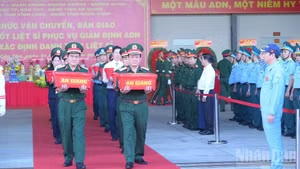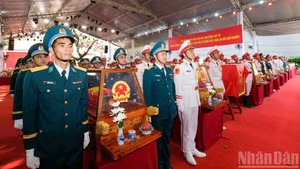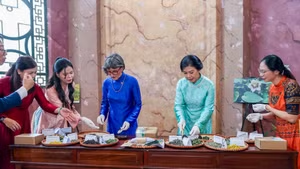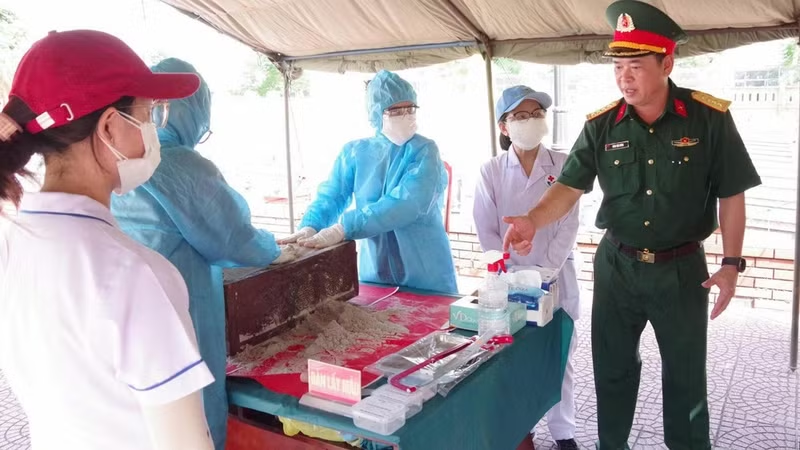
Nearly 26,000 martyrs still waiting to be identified
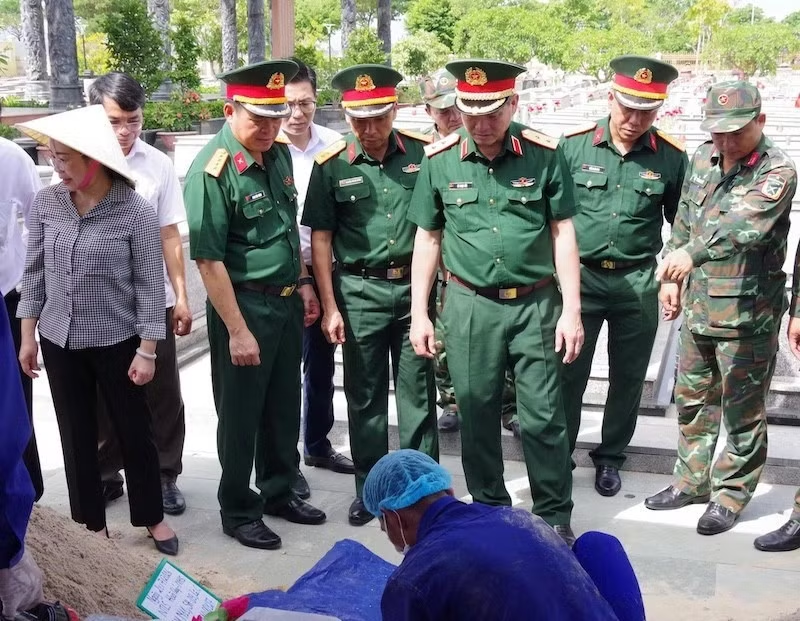
According to the Da Nang City Military Command, following the reorganisation of administrative units, Da Nang has an exceptionally large number of martyrs’ graves requiring DNA sampling. The figure far exceeds that of other provinces and cities, accounting for more than 50% of the total number of graves requiring sampling across Military Region 5.
The graves are located in 144 cemeteries over a wide area, with many sites facing difficult terrain and harsh weather conditions. In addition, long distances between localities and strict technical requirements have posed significant challenges for the forces carrying out the task.
In the initial phase, excavation and sample collection were conducted sequentially, with work completed at one cemetery before teams moved on to the next site. Military forces were responsible for a wide range of tasks, from surveys, list compilation and site preparation to excavation, sample collection and restoration of graves. While this approach ensured rigorous procedures, progress did not meet requirements, particularly as the rainy season in the central region drew near.
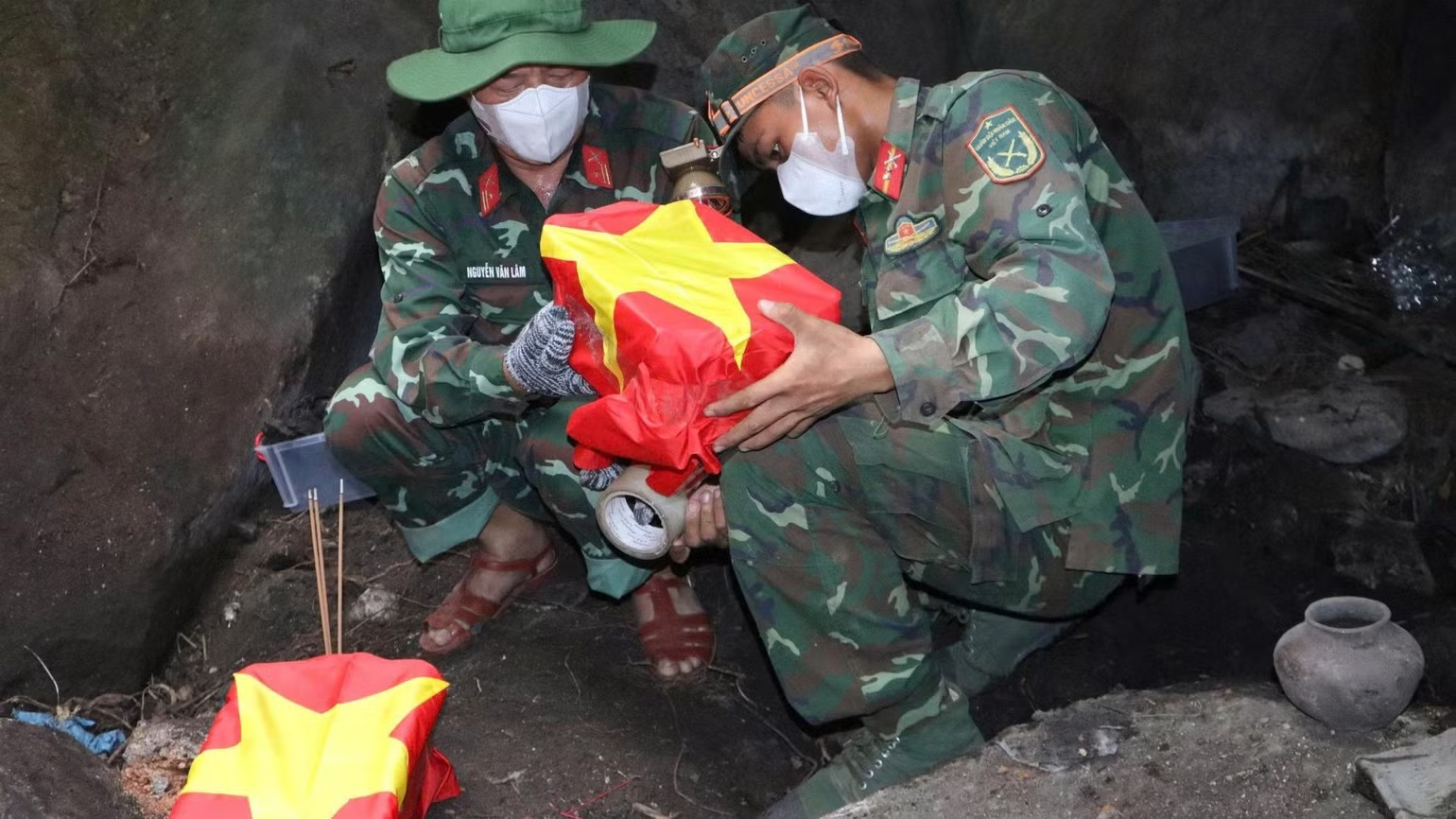
Against this backdrop, the Party Committee and the Military Command of Da Nang City determined that the organisational approach had to be changed so that this particularly meaningful task would not rest solely on the military. At the same time, they promptly advised the Da Nang City leadership to direct departments, agencies and local authorities to join the effort, with clear assignments of personnel, tasks and responsibilities, while promoting the core role of the armed forces.
Colonel Dinh Van Hung, Standing Deputy Secretary of the Military Party Committee and Political Commissar of the Da Nang City Military Command, said the ultimate objective is to identify martyrs who have been laid to rest in cemeteries but whose names and places of origin remain unknown, so that they can return to their families.
Accordingly, the unit advised that responsibilities be shared among departments, agencies and localities rather than leaving the entire task to the military. Each force was assigned specific duties, with the entire political system taking part and the armed forces playing the core role.
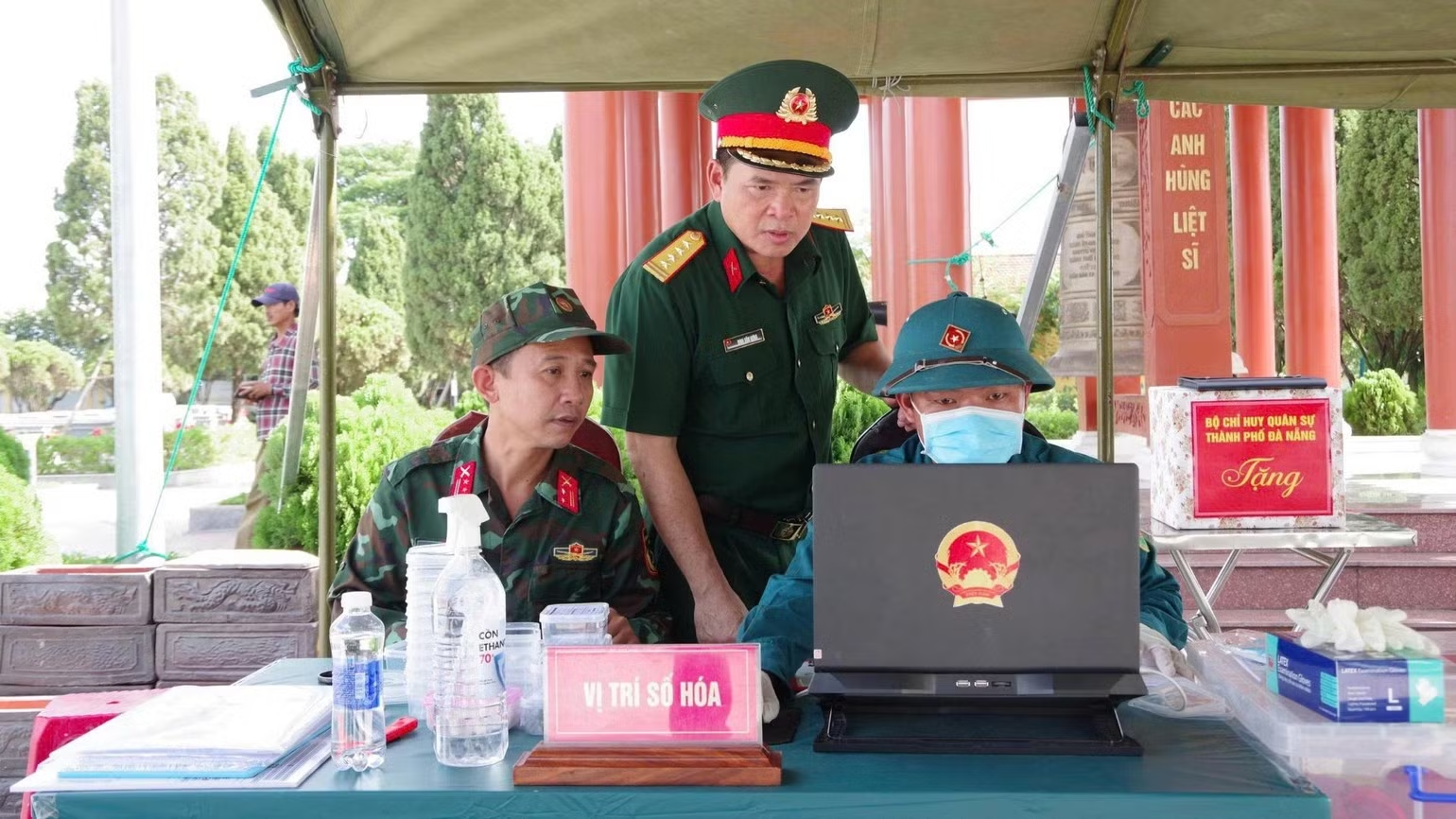
Lieutenant Colonel Nguyen Huu Dung, Political Officer of the Martyrs’ Remains Search and Repatriation Team under the Da Nang City Military Command, said the most important requirement was to ensure absolutely no cross-contamination between samples. In hot weather conditions, sweat, strands of hair from personnel or droplets from people standing nearby could all affect sample quality. Each team member therefore had to maintain the highest level of concentration, perform procedures accurately and strictly comply with regulations throughout the process.
Amid intense heat, dust and a heavy workload, officers, soldiers and other participating forces remained persistent in carrying out their duties. On some days, work began early in the morning and did not end until after nightfall.
For them, each biological sample collected in accordance with proper procedures was not merely another task completed, but also carried the hope that a martyr could be identified and that a family might finally find their loved one after many years of waiting.

Nguyen Thuy Hien, a laboratory technician at the Ngu Hanh Son Ward Health Centre, said that despite the heavy workload, all team members made every effort because this was a profoundly meaningful task demonstrating gratitude to fallen heroes. Their greatest hope was that the biological samples would meet required standards and contribute to identifying the martyrs so that they could return to their relatives, families and hometowns.
“With a determined and flexible approach, in just over one month of intensive work, Da Nang City completed the excavation and DNA sampling of nearly 26,000 unidentified martyrs’ graves at 144 cemeteries. The workload, originally scheduled to take several months, was completed before the rainy season, with safety, rigour and full compliance with prescribed procedures ensured.
“This result reflects the strong leadership and direction of the municipal Party Committee and People’s Committee; the advisory and organisational role of the Da Nang City Military Command; the responsible coordination of departments, agencies and localities; and the dedication of those directly involved in the work. More importantly, it provides the essential foundation for DNA analysis and matching, gradually restoring the identities of the martyrs,” Colonel Dinh Van Hung emphasised.
Continuing the journey of gratitude to fallen heroes
Completing DNA sampling does not mean the journey has ended. From the biological samples collected, specialised agencies will continue conducting analysis, building databases and matching them against samples from martyrs’ relatives. This is a complex process requiring time, precision and close coordination among multiple agencies and units.
Alongside efforts to identify martyrs laid to rest in cemeteries, the Da Nang City Military Command continues advising on intensified searches for and repatriation of martyrs’ remains still lying on former battlefields.
Across the city, many sources of information still need to be verified, while numerous locations suspected of containing martyrs’ remains require surveys and searches. Changes in terrain, the advancing age of witnesses, and fading memories and traces of war have made the task increasingly urgent.

Under the plan to vigorously implement the “500-day-and-night campaign to accelerate the search, repatriation and identification of martyrs’ remains”, Da Nang City aims to search for and repatriate the remains of 390 martyrs by July 27, 2027, while completing the sampling of unidentified martyrs’ remains in 2026.
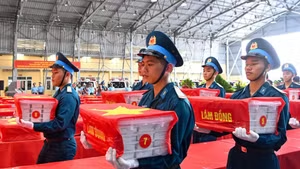
To date, the city has completed the collection of DNA samples from nearly 26,000 martyrs’ graves, while the remains of more than 60 martyrs have been found. Ahead lies the target of searching for and repatriating 390 martyrs’ remains before March 15, 2027. To achieve this goal, relevant forces are making the most of every day of favourable weather, accelerating the verification of information, field surveys and searches in areas where evidence is available.
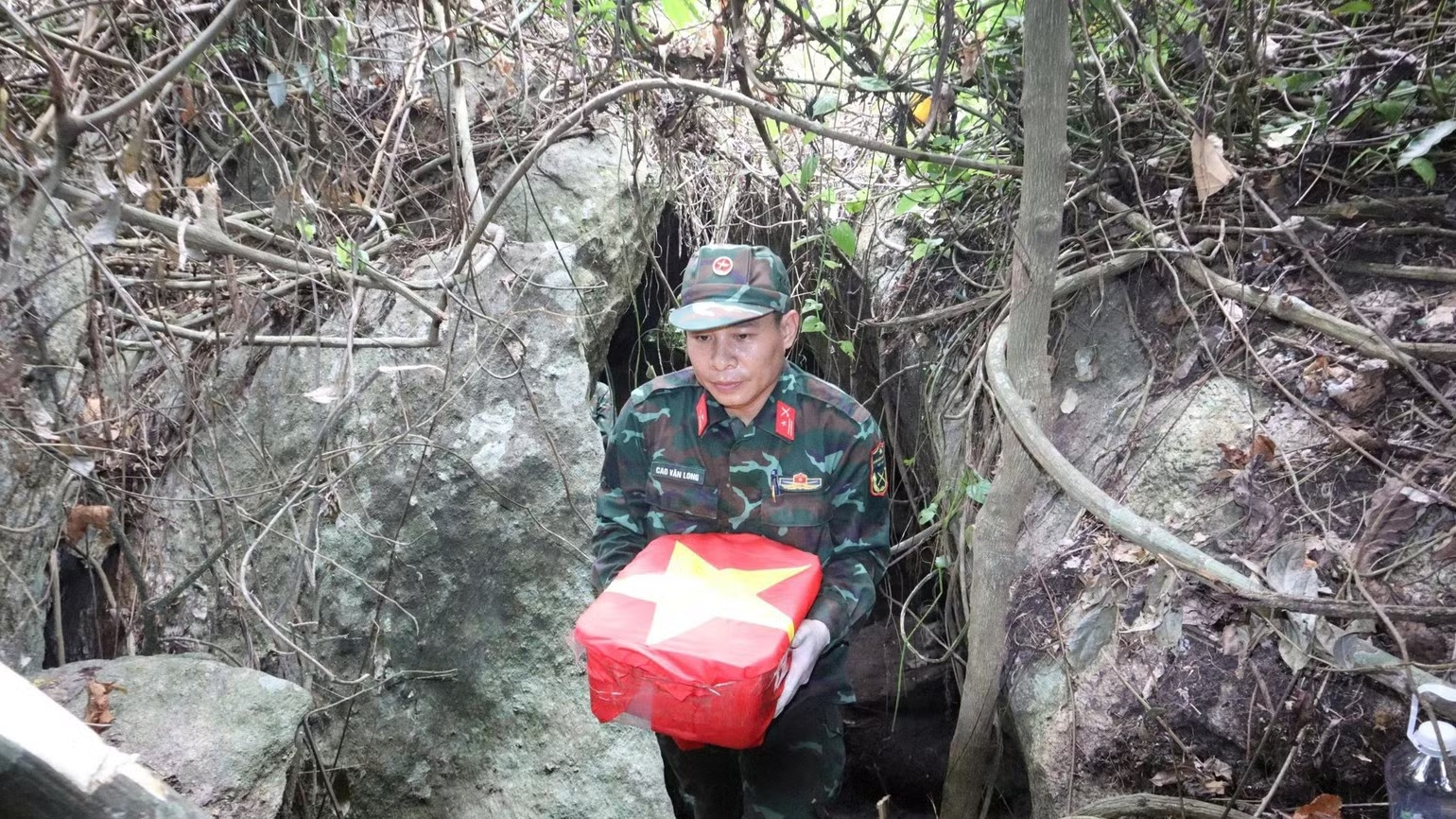
Every piece of information from local residents, every account from a witness and every relic discovered can provide an important lead. Alongside the efforts of specialised forces, the engagement of Party committees, authorities, organisations, individuals and local people is therefore essential in providing and verifying information related to martyrs’ burial sites.
The DNA sampling campaign has been completed, but the responsibility of paying tribute continues. With the determination of the entire political system and the collective support of the people, Da Nang is steadily carrying out a sacred mission: restoring the names of those who sacrificed their lives and bringing home martyrs who still remain far from their native land.