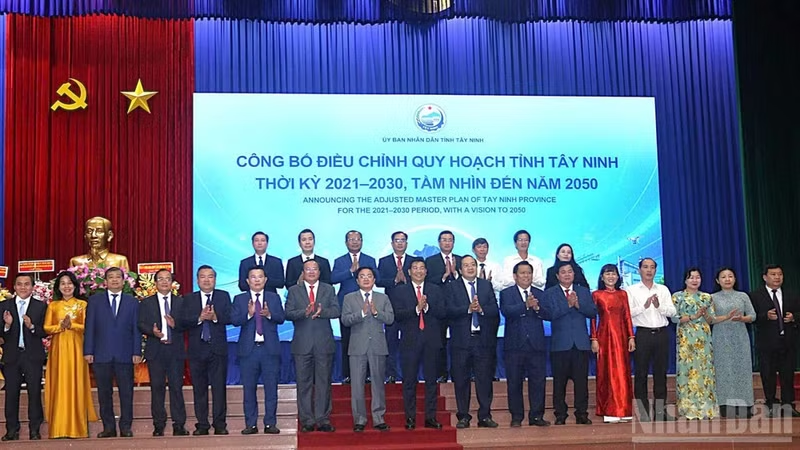
Capitalising on advantages and strengthening regional connectivity
Located at the crossroads of Ho Chi Minh City, the south-eastern region, the Mekong Delta, and the Kingdom of Cambodia, Tay Ninh enjoys considerable advantages for developing industry, trade, logistics, high-tech agriculture, and tourism. To turn its geographical advantages into competitive strength, the province plans to organise its development space by linking economic zones, urban areas, industrial zones, and rural areas on the basis of synchronised infrastructure.
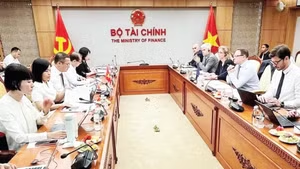
According to Truong Van Liep, Director of the Tay Ninh Provincial Department of Finance, the province’s socio-economic development space is structured around three socio-economic regions, three centres, six economic corridors, three development-driving axes, and one border belt. This structure is designed to maximise the strengths of each area, strengthen links between growth poles, curb fragmented development, and improve the efficiency of resource use.
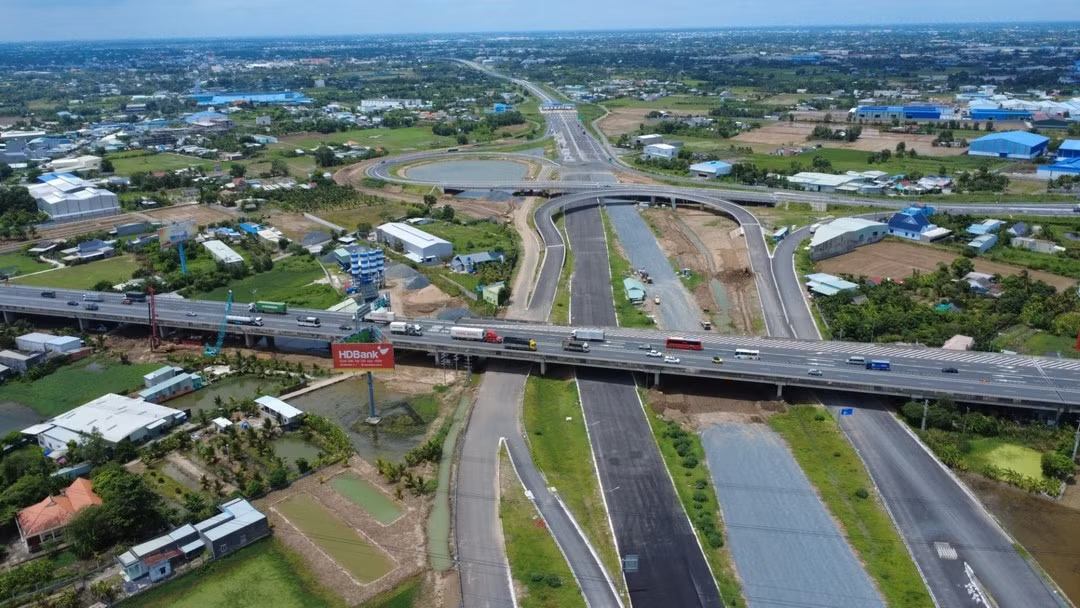
Areas connected to Ho Chi Minh City’s Ring Roads 3 and Ring Roads 4 and the Moc Bai-Trans-Asia corridor are earmarked for industrial, urban, and service development. Meanwhile, border-gate and border areas are well positioned to capitalise on international trade, high-tech agriculture, and ecotourism development. Areas around Dau Tieng Lake and Lo Go-Xa Mat National Park also have potential for clean energy, green agriculture, and ecotourism development.
Alongside the organisation of functional zones, the centres of Tan Ninh-Long Hoa, Tan An-Long An, and Duc Hoa-Hau Nghia are planned to form a network of mutually complementary growth poles in fields of culture, tourism, trade, services, logistics, and industry. Appropriate functional zoning will broaden investment opportunities and improve land-use efficiency, while enabling less-developed areas to participate more fully in the province’s economic network.
Infrastructure breakthroughs to unlock investment resources
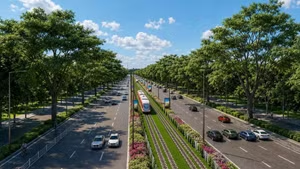
Transport infrastructure plays a pivotal role in realising the plan. Tay Ninh intends to prioritise the completion of inter-regional connections, including Ho Chi Minh City’s Ring Road 4, the Ho Chi Minh City-Moc Bai Expressway, and the Moc Bai-Trans-Asia industrial and urban corridor. The plan also provides for studies into railway connections between Ho Chi Minh City and Tay Ninh, a Go Dau-Tan Ninh light railway, and dedicated freight transport routes.
Once these projects are developed in a synchronous manner, they will help shorten transport times, reduce logistics costs, expand markets, and make the province more attractive to investors. This will enable Tay Ninh to integrate more deeply into the south-eastern region’s supply chains while expanding trade with Cambodia and other regional markets.
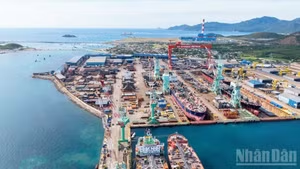
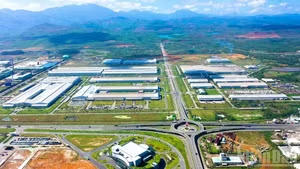
Building on improved transport connectivity, the province plans to develop the Moc Bai, Xa Mat, and Long An border-gate economic zones, as well as a specialised economic zone, while establishing a modern, ecological, and smart network of industrial parks and clusters. The logistics network is planned in conjunction with expressways, ports, border gates, and industrial parks, with the aim to help improve the movement of goods and support import-export activities.
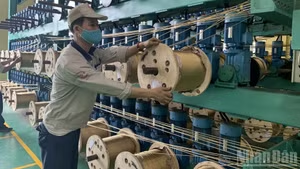
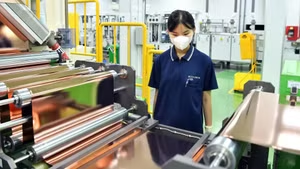
Within the economic structure, priority will be given to processing and manufacturing, supporting industries, high technology, and renewable energy. Agriculture will be developed towards concentrated production using high technology, with stronger links to deep processing and value chains. In tourism, connecting destinations such as Ba Den Mountain and Dau Tieng Lake with areas rich in scenic and historical value will help diversify tourism products and expand the scope for tapping the province’s potential.
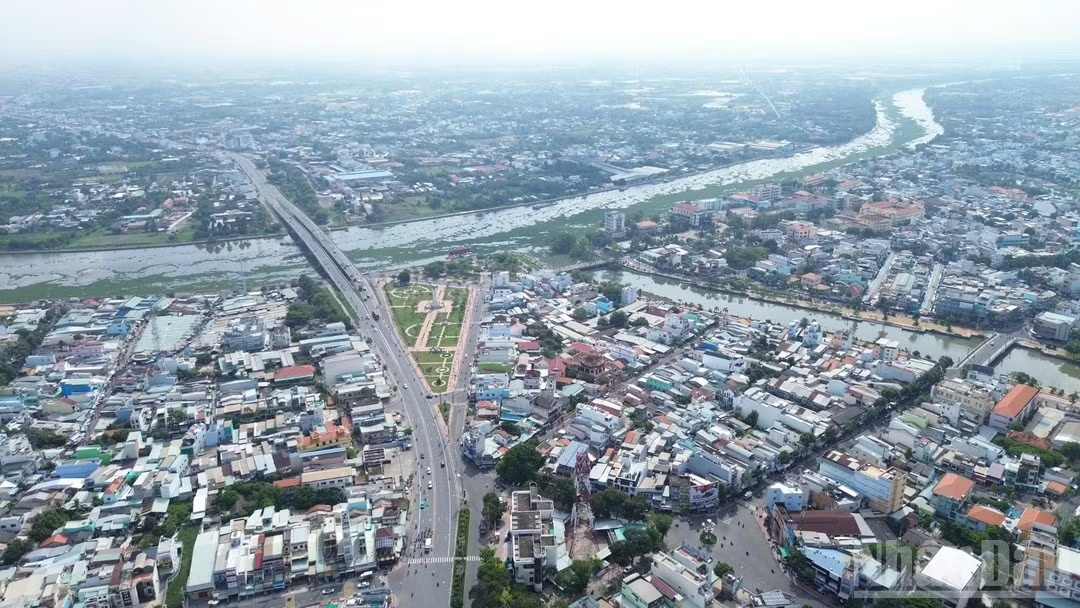
For the 2026-2030 period, Tay Ninh aims to achieve average annual gross regional domestic product (GRDP) growth of 10-10.5%, with total realised investment capital in the province accounting for 34-35%. The GRDP growth rate reached 10.3% in the first nine months of 2026, while state budget revenue exceeded 54 trillion VND. These results provide a stronger basis for the province to pursue its development targets. However, to sustain this growth momentum, Tay Ninh must continue implementing synchronous measures while improving the quality of growth and the efficiency of resource use.
Rapid development must go hand in hand with sustainability. The expansion of urban areas and industrial parks must be accompanied by resource conservation, ecosystem protection, pollution control, climate change adaptation, and the provision of essential services for residents.
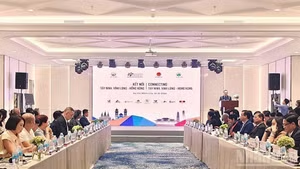
According to Le Van Han, Chairman of the Tay Ninh Provincial People’s Committee, the effectiveness of the plan will be measured not only by the scale of investment but also by the quality of growth, living standards, and harmonious development across the province. When the plan becomes a unified basis for resource allocation, infrastructure development, and investment attraction, Tay Ninh will gain further momentum to capitalise on regional connectivity, establish new growth poles, and pursue a dynamic, green, and sustainable development path.