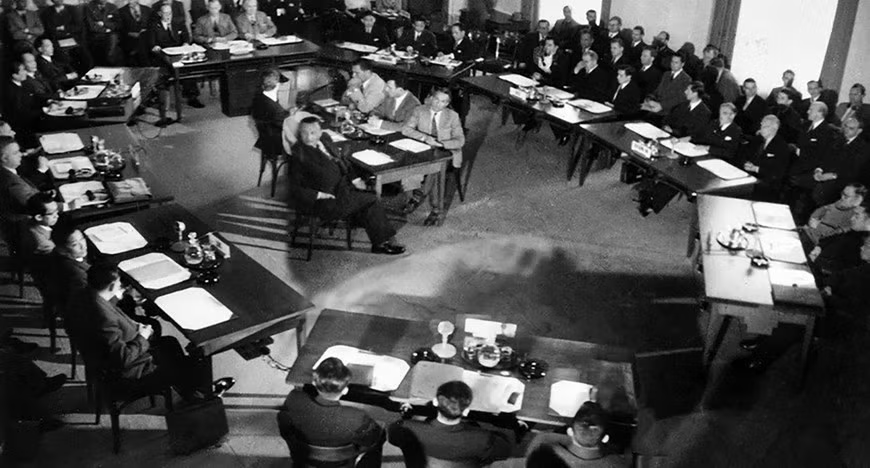
On May 8, 1954, just one day after the decisive victory at Dien Bien Phu, the Geneva Conference on ending hostilities and restoring peace in Indochina officially convened. After 75 days of tense and complex negotiations, comprising 31 sessions and intensive diplomatic contacts, the Geneva Agreement was forged.
Under the agreement, the North was wholly liberated, becoming a major rear area and a solid base for the southern front. This laid the vital groundwork for the Vietnamese armed forces and people to consolidate their victory, rebuild strength, and prepare for the next phase of resisting US imperialist aggression, liberating the South, and achieving reunification.
The process of negotiating, signing, and implementing the Geneva Agreement constitutes a valuable handbook of principles, methods, and the art of diplomacy, shaping a foreign policy imbued with Vietnamese national characteristics.
The Geneva Agreement was also a shared triumph for the three Indochinese countries and for oppressed peoples worldwide in their resolute struggle for national liberation. It powerfully galvanised movements for peace and independence and precipitated the collapse of the old colonial order.
The process of negotiating, signing, and implementing the Geneva Agreement constitutes a valuable handbook of principles, methods, and the art of diplomacy, shaping a foreign policy imbued with Vietnamese national characteristics.
Foremost among the lessons is the Party’s unified and absolute leadership over the revolutionary cause. Thanks to clear‑sighted, timely, and effective direction, the Party and President Ho Chi Minh promulgated correct policies and strategies, combining political and military struggle with diplomatic efforts to forge comprehensive strength.
Other lessons include elevating national and popular interests above all else; combining domestic capabilities with external support, national strength with the strength of the age; mobilising international solidarity; and using dialogue and peaceful negotiation to resolve disagreements in international relations.
These lessons have been inherited, creatively applied and developed by the Party in conducting today’s foreign affairs, helping Viet Nam secure monumental trimphs on the path of integration.
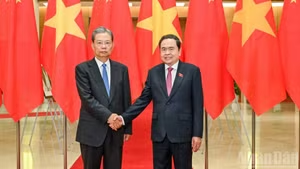
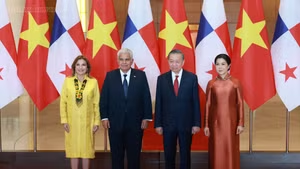
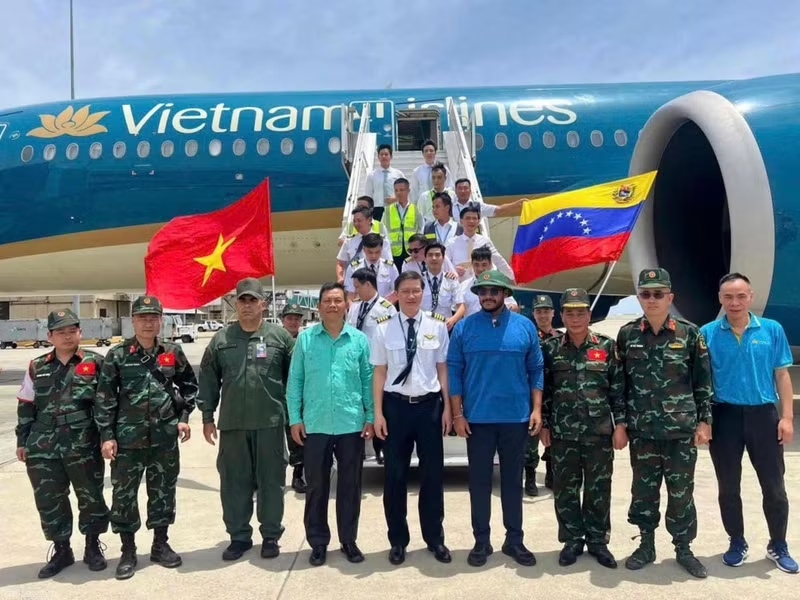
From a country once besieged and sanctioned, Viet Nam has established diplomatic relations with more than 190 nations and built an extensive network of strategic and comprehensive partners, including all five permanent members of the UN Security Council and the Group of Seven.
In multilateral forums, Viet Nam has consistently been an active participant in collective efforts to address peace and security issues and promote human rights, while assuming significant responsibilities. The country’s international standing and prestige have ascended remarkably.
Building on the nation’s traditions and the invaluable lessons of the Geneva Agreement, Viet Nam continues to be a sincere, trusted friend and a responsible partner of the international community.
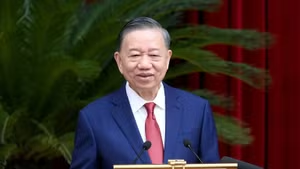
In his keynote address at the 23rd Shangri‑La Dialogue in May 2026, Party General Secretary and State President To Lam emphasised that in a volatile world, challenges stem not only from external instability but also from insufficient preparedness in risk governance.
He highlighted the need to shift from passive response to proactive shaping; from reiterating principles to operationalising mechanisms; and from managing crises after they erupt to mitigating risks before they escalate.
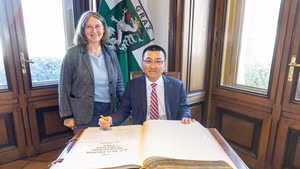
This proactive diplomacy has been reflected in recent achievements, such as Viet Nam’s successful hosting of the ASEAN Future Forum (AFF) 2026 and, for the first time, having a judge at the International Tribunal for the Law of the Sea (ITLOS).
Building on the nation’s traditions and the invaluable lessons of the Geneva Agreement, Viet Nam continues to be a sincere, trusted friend and a responsible partner of the international community. It enlists global backing for its cause of renewal, nation‑building, and development, and for the firm defence of the homeland, while contributing to peace and stability worldwide.