In Pictures: Ho Chi Minh City and its remarkable infrastructure transformation
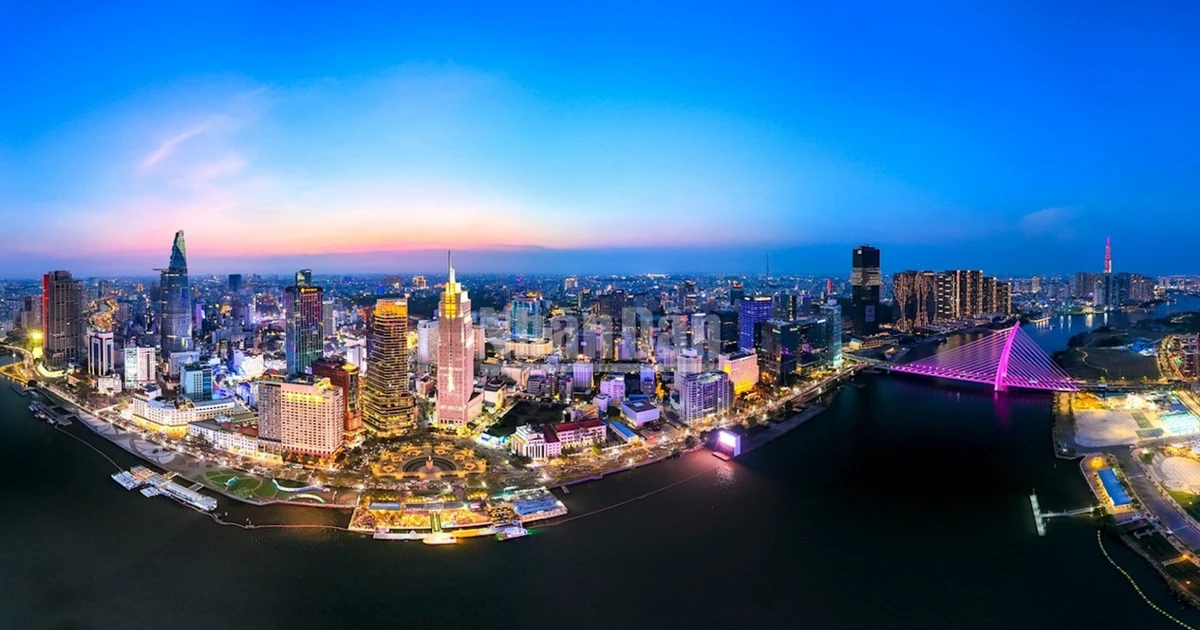
Since 2020, Ho Chi Minh City has undergone major changes, taking on the appearance of a megacity. A series of infrastructure projects have been completed, such as metro line No.1, Ba Son Bridge, Tan Son Nhat Terminal T3, the new Mien Dong Coach Station, Bach Dang Wharf, the Saigon Riverside Park… shaping the image of a modern and dynamic urban centre.
Ho Chi Minh City and its remarkable infrastructure transformation.
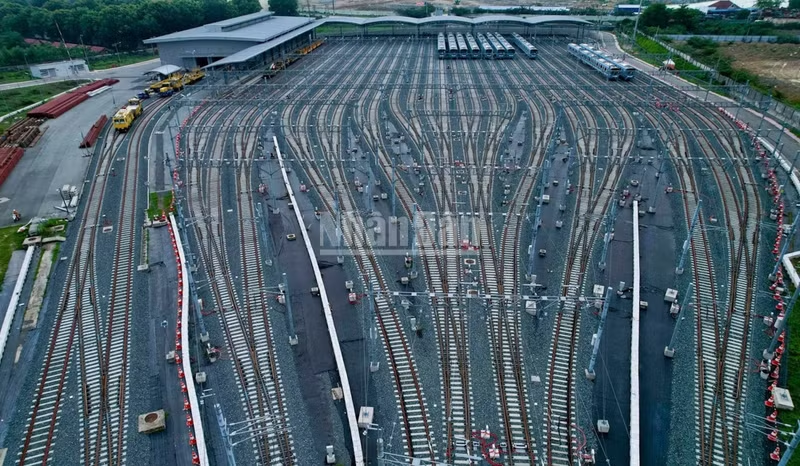
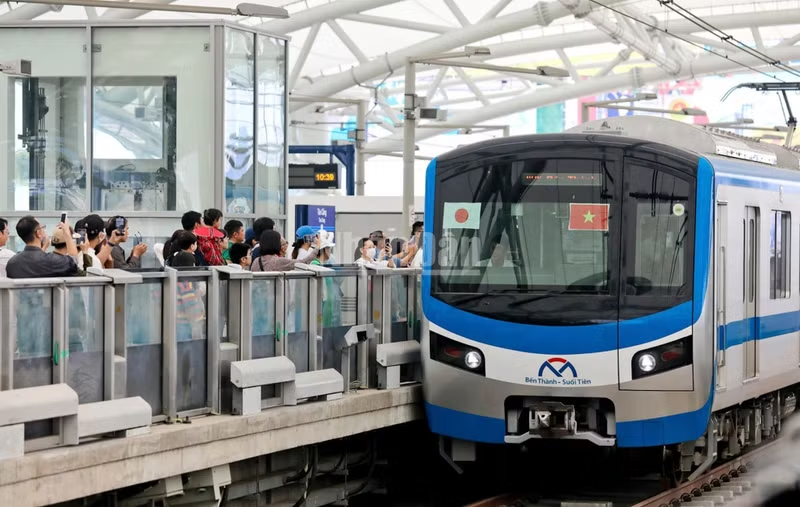
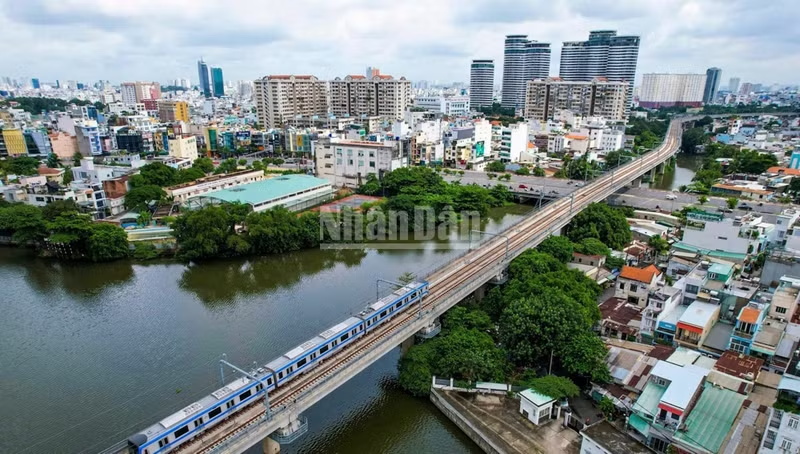
Metro line No.1 Ben Thanh–Suoi Tien: A modern transport mode
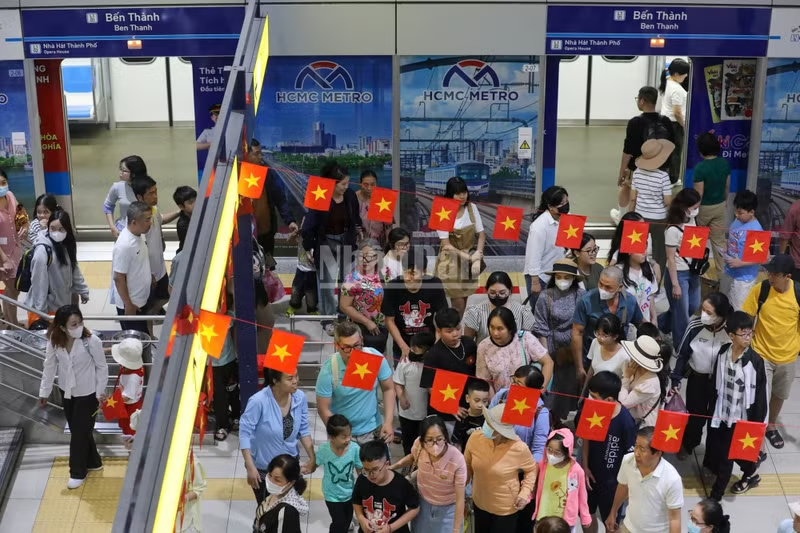
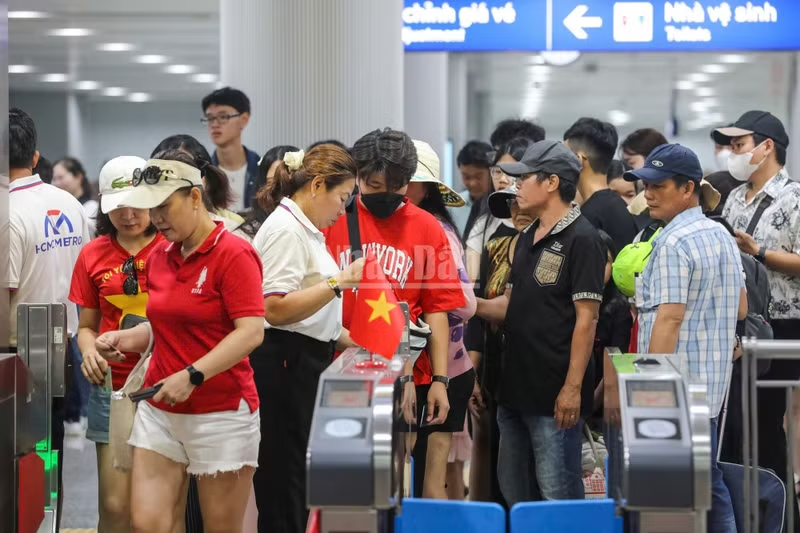
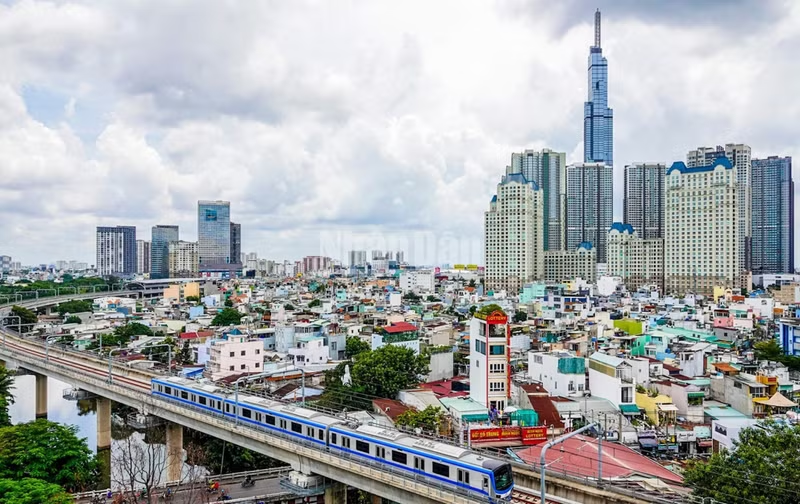
On December 22, 2024, metro line No.1 Ben Thanh–Suoi Tien officially commenced commercial operations, marking the end of nearly 20 years of construction since the first component was launched in February 2008. For residents of the City, this is not only a new means of transport but also a source of pride in the modernity of the City named after Uncle Ho.
Green transport is not merely a suggestion but an urgent requirement in urban spaces. Understanding this, Ho Chi Minh City has prioritised developing green mobility, with the launch of the metro system serving as clear evidence of the City's determination to create a world-class living and working environment.Constructed from August 2012, metro line No.1 (Ben Thanh–Suoi Tien), nearly 20km in length with a total investment of more than 43.700 trillion VND, is the first urban railway project of Ho Chi Minh City. After nearly a year in operation, metro line No.1 has become familiar to residents. Travelling from the eastern part of the City to central Ho Chi Minh City now takes less than 30 minutes, replacing prolonged congestion on Ha Noi Highway. Passing through new residential areas, the metro also facilitates movement in the context of the City's plan to expand and decentralise population from the urban core. Passenger numbers continue to increase, with weekend and holiday peaks surpassing 100,000 passengers/day, demonstrating the convenience of this modern public transport system.For many City residents, the metro is not only a means of transport but also a symbol of pride in the modern city they live in.With its introduction, the metro has helped reduce pressure on ground traffic, improve air quality and stimulate commercial–service development along the route. Metro line No.1 has now become part of the daily rhythm of a dynamic, modern City.
Ba Son Bridge: Connecting the Two Banks of the Saigon River
For residents of the City, travelling to Thu Thiem used to require boarding small ferries or boats from central Ho Chi Minh City, or taking a long detour through the Saigon River Tunnel. Further away, people had to jostle through congestion on the Saigon Bridge.
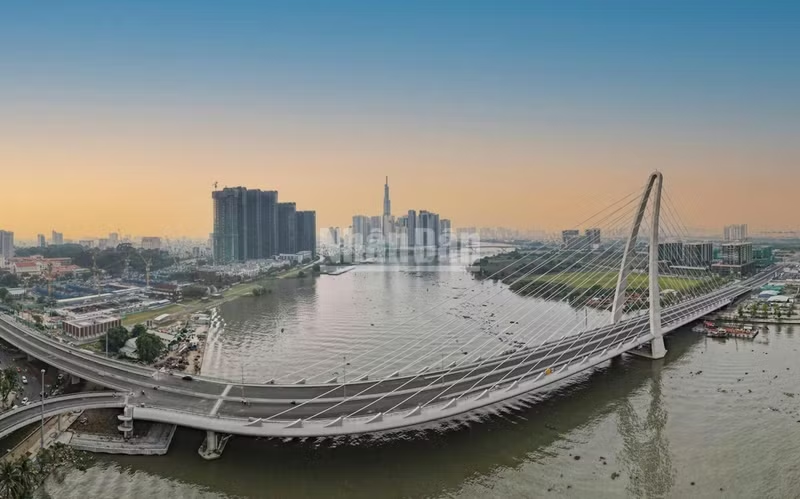
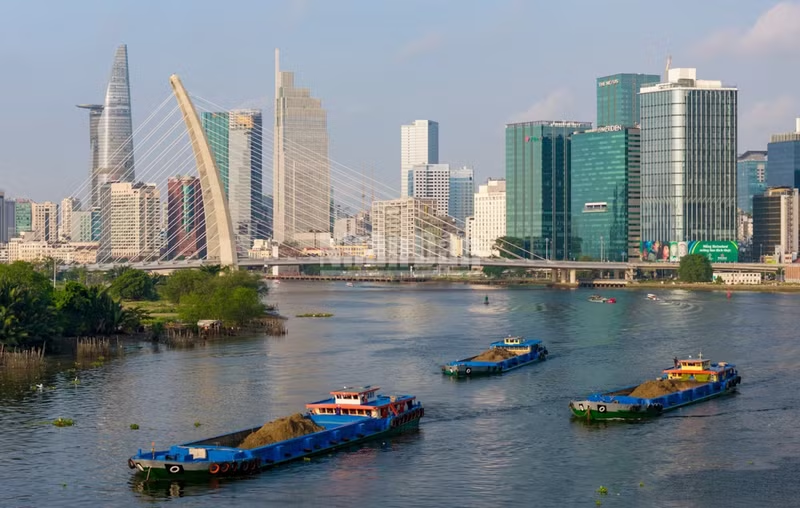
On April 28, 2022, Ba Son Bridge was officially inaugurated, becoming a symbol of connection between the two banks of the Saigon River. It is no exaggeration to say that Ba Son Bridge has awakened a highly promising area.
Ba Son Bridge began construction in February 2015, extending nearly 1.5km with a total investment of more than 3 trillion VND.The bridge features a 200m cable-stayed span and a 113m dragon-shaped tower. From the Ton Duc Thang–Le Duan intersection, the bridge connects directly to Mai Chi Tho Boulevard, opening a gateway for the development of the new Thu Thiem urban area.Beyond improving transport convenience, Ba Son Bridge creates a catalyst for Thu Thiem in its journey to become an international financial centre. More than an infrastructure project, the bridge signals a new chapter for one of the country’s most vibrant cities.
Bach Dang Wharf – Saigon Riverside Park: A New Public Space
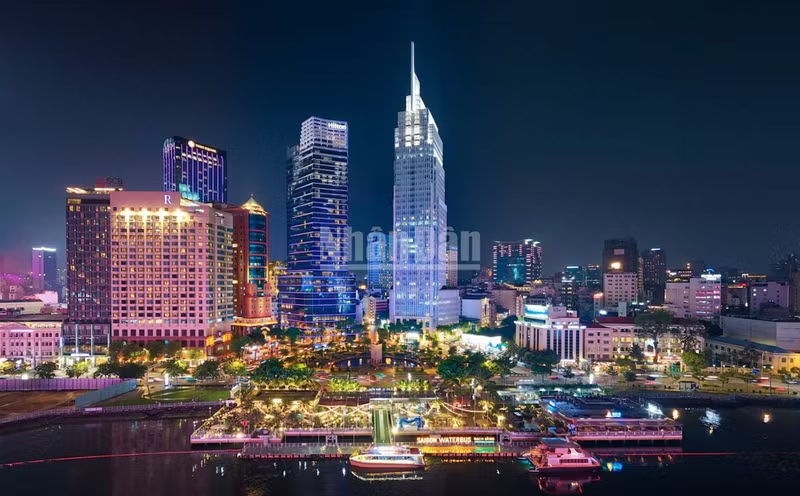
After renovation, Bach Dang Wharf—formerly a mooring point for boats with old piers—has become a public riverside space. Combined with Nguyen Hue Pedestrian Street, Bach Dang Wharf forms a large recreational and event area in the heart of Ho Chi Minh City.
Covering more than 23,000m² with over 100 billion VND in investment, the project preserves most long-standing trees while adding granite-paved walking paths, green lawns, seating, lighting systems and a new passenger and tourist pier.
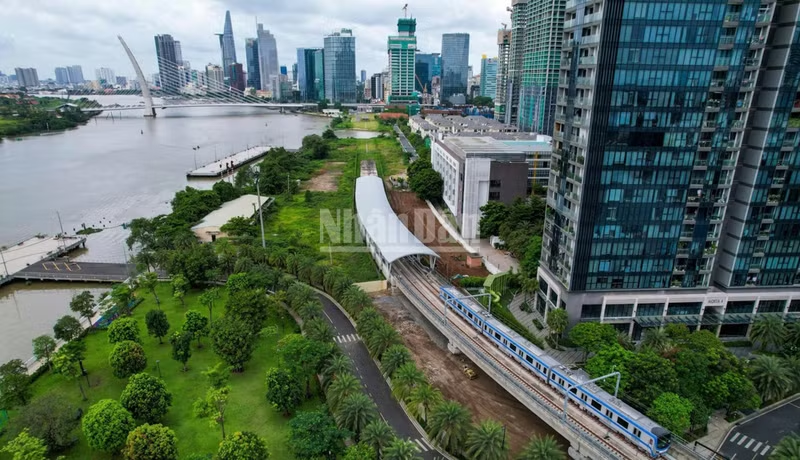
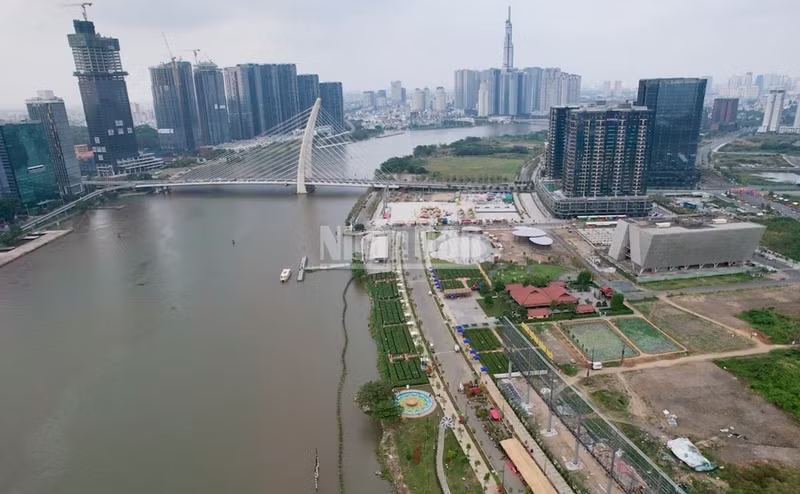
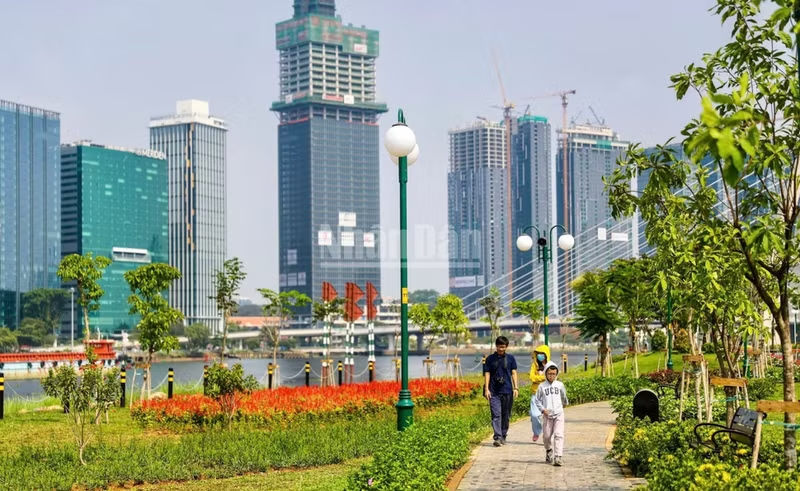
On the opposite side, the Saigon Riverside Park (from Ba Son Bridge to the Saigon River Tunnel, within the former Thu Duc City) has also been completed and transformed. This vast, green public space has become a leisure and relaxation area for residents.
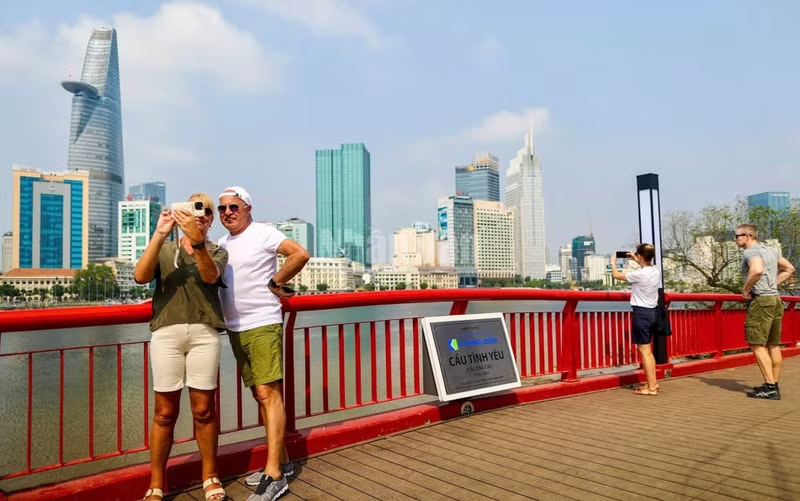
The park covers nearly 5 hectares, stretching more than 800m along the river, planned with multiple integrated components: pedestrian and cycling paths, pedestrian bridge, pier, event square, outdoor stage, stone garden, fountain, artistic lighting and LED screen. The park quickly became a favourite photography and recreation spot for visitors and young people. Beyond enhancing the landscape, the park serves as a “green lung” for the area. The park has fully replaced the former wasteland, reeds and riverside rubbish, building a modern, civilised urban space.
New Mien Dong Coach Station – Tan Son Nhat Terminal T3: Modern Transport Gateways
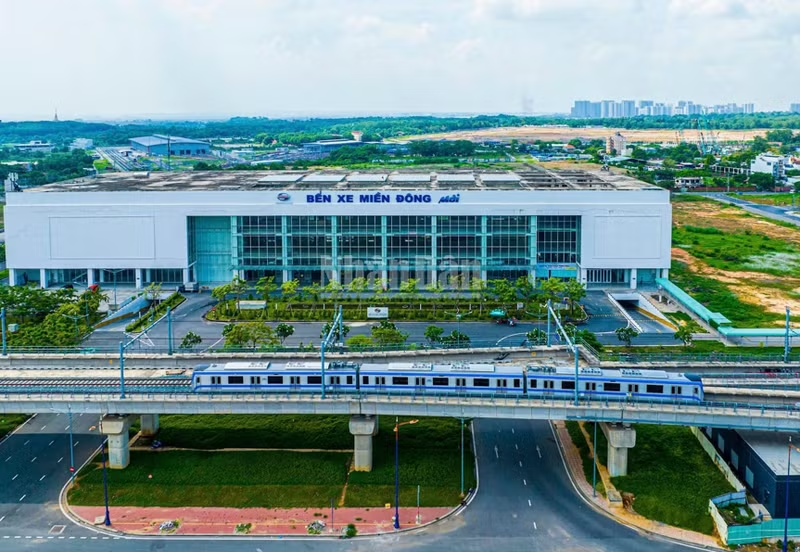
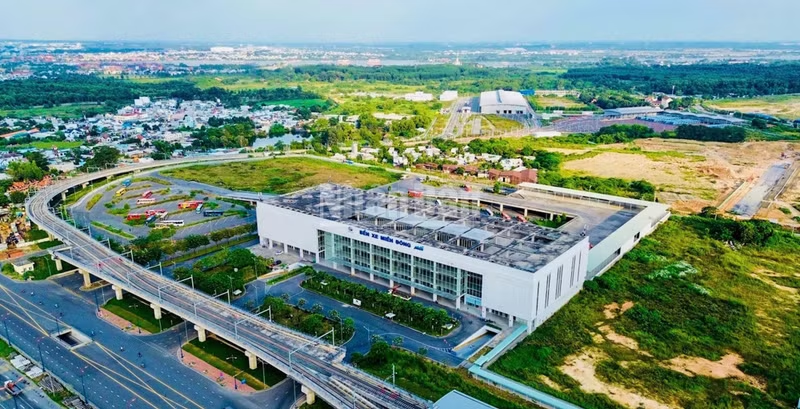
The old Mien Dong Coach Station in Binh Thanh, built long ago, had become overloaded, even creating a “traffic hotspot” as large numbers of vehicles continuously entered the inner city. In response to urban redevelopment demands, the new Mien Dong Coach Station was built in Long Binh ward, Ho Chi Minh City, becoming the largest inter-provincial coach station in the country.
Covering more than 16 hectares with a total investment of around 4 trillion VND, the new Mien Dong Coach Station began operations in phase 1 in October 2020. Designed with modern standards, the station includes pick-up/drop-off zones, parking areas and service centres, and it connects directly with metro line No.1 Ben Thanh–Suoi Tien and the bus network. The new station has contributed to completing the public transport system and expanding the City’s urban space.
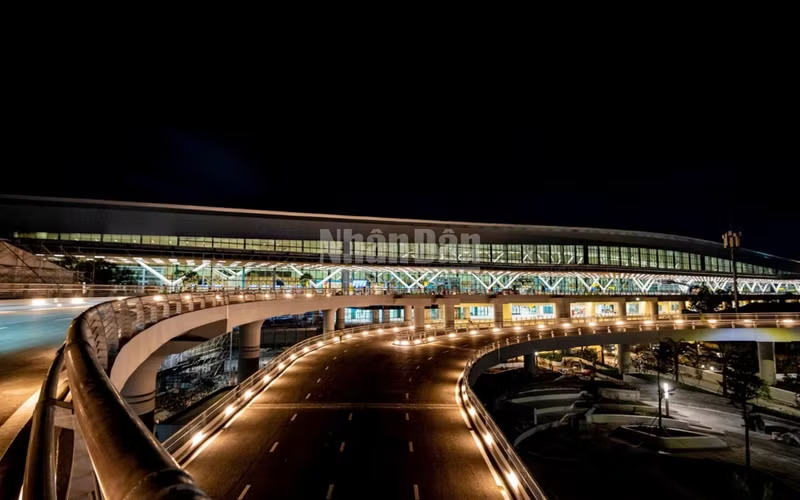
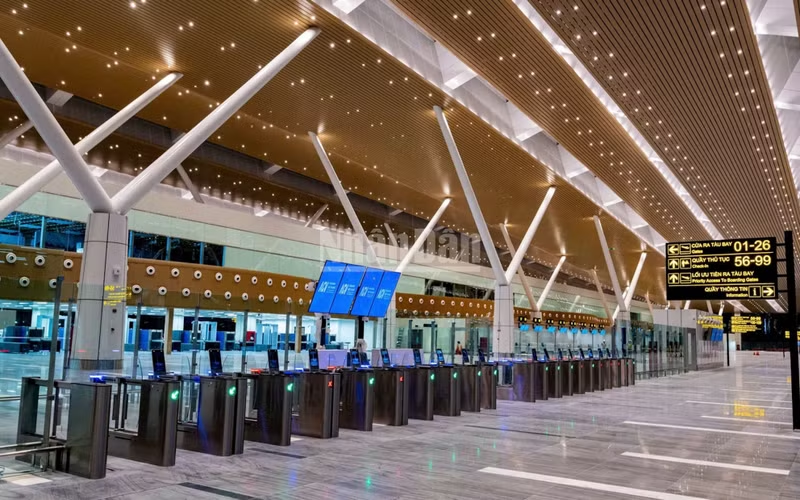
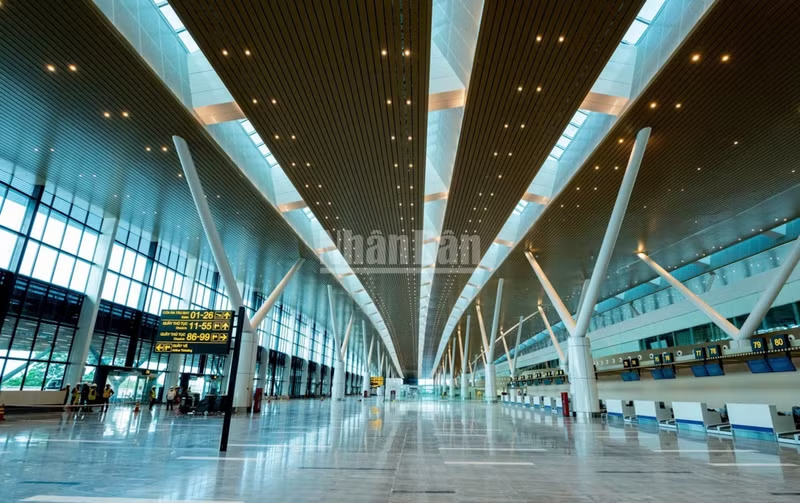
To reduce pressure on Tan Son Nhat Airport’s Terminals T1 and T2, after accelerated site clearance and construction progress, April 2025 marked the moment when passengers arriving in and departing from Ho Chi Minh City had an additional option with the commencement of Tan Son Nhat Terminal T3. This is one of the most modern aviation infrastructure projects completed during the 2020–2025 term.
With a total investment of nearly 11 trillion VND, a floor area of more than 112,000m² and a designed capacity of 20 million passengers/year, Terminal T3 officially commenced commercial operations in April 2025. Featuring four above-ground floors and one basement level, 90 traditional check-in counters, 20 automated bag-drop counters, 42 check-in kiosks and 25 security checkpoints, Terminal T3 doubles the service capacity of Tan Son Nhat Airport. The activation of Terminal T3 creates new momentum for tourism and commerce in Ho Chi Minh City and the entire Southeast region.
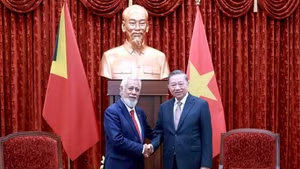
On June 16, at the Party Central Committee Headquarters, Party General Secretary and State President To Lam received Khamphan Phommathat, Politburo member, Deputy Prime Minister and Minister of Justice of Laos, who is paying a working visit to Viet Nam.
![[In Pictures] Party General Secretary and State President To Lam chairs working session with education and training sector](https://en-cdn.nhandan.vn/images/9f233ae74386156ace55673ec5a8ea373e7bb5df2274800bfd51bda6ec86d946773712175db0d2ce918362f1c69e06ae4dc3a2edf89b01151d567efc05b2f019/a1-bnd-7018-6317.jpg.avif)




![[In Pictures] Top leader chairs working session on building an orderly, disciplined, safe, healthy, civilised, harmonious and developed society](https://en-cdn.nhandan.vn/images/9f233ae74386156ace55673ec5a8ea373e7bb5df2274800bfd51bda6ec86d946275f7b8bd8dcbaa66540c304bf03ab3f08c7c44bbc31b89a257a3124a66b76b39bebc97b3a8ee39ebfba85ee8dd5670905dd5954a14be79e83a571c124a16bfa52b8bd1fd127c97eb281b003e50122e4b0e8bbb7c3a4292635d2ec78730465b5557e95e3706aa5527d3e247a11f48385c59d9cc9d400c43c4116e389320b3bad4293aa1a667e2b921586e52a1cecfbc3445aa5dd6be20a829b994adf23f7e4ef23f5d29a414eb657f2cc97d2261b0d4c/vna-potal-tong-bi-thu-chu-tich-nuoc-to-lam-chu-tri-cuoc-lam-viec-ve-de-an-xay-dung-xa-hoi-trat-tu-ky-cuong-an-toan-lanh-manh-van-minh-hai-hoa-phat-tr-8802147-1jpg.jpg.avif)