The shift from remittances to diaspora resources
Contributions from overseas Vietnamese are evident across a wide range of areas, from investment, business, and knowledge transfer to people-to-people diplomacy, promoting the city’s image, and preserving traditional culture.
In investment alone, alongside foreign direct investment (FDI), the city considers remittances an important resource to be mobilised. In 2025, remittances to Viet Nam reached a new record, estimated at nearly 18 billion USD nationwide, with Ho Chi Minh City accounting for more than 50% at approximately 10.3 billion USD.
These figures are significant not only because they supplement the economy’s capital supply and help stabilise the balance of payments but also because they clearly reflect the confidence of overseas Vietnamese in the investment environment, economic stability, and development orientation of the city, amid continued volatility in the global economy.
However, the resources that overseas Vietnamese bring to Ho Chi Minh City extend far beyond the billions of US dollars in remittances transferred each year. The shift from “remittances” to broader diaspora resources encompasses knowledge, business networks, and the ability to connect innovation ecosystems, demonstrating its increasing position and practical effectiveness.
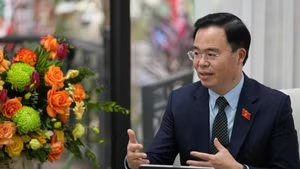
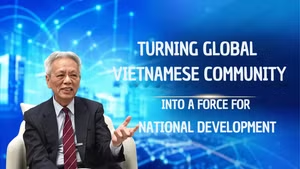
Dr. Tran Hai Linh, Chairman of the Viet Nam-Korea Business and Investment Association (VKBIA) and Founding Chairman of the Viet Nam-Korea Experts and Intellectuals Association (VKEIA), said that Ho Chi Minh City currently attracts investment from more than 3,000 enterprises owned by overseas Vietnamese, with total registered capital exceeding 45 trillion VND.
In practice, the value of these broader diaspora resources is far greater than that of remittances alone. The distinctive strength of overseas Vietnamese entrepreneurs lies in their ability to bring together multiple resources simultaneously: capital; technology; management expertise; international standards; customer and partner networks; and access to investment funds, research institutes, universities, multinational corporations, and global supply chains.
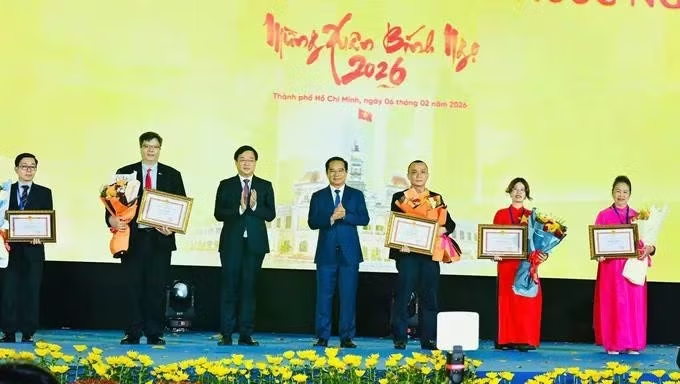
Dr. Linh also noted that overseas Vietnamese entrepreneurs have the advantage of understanding two markets simultaneously. They understand Viet Nam while also being familiar with the laws, business cultures, technical standards, distribution systems, and decision-making processes of their host countries. This capability is essential as Vietnamese businesses expand into international markets.
Through his work with domestic partners, Dr. Linh has observed that many Vietnamese businesses have good products but lack market information and reliable partners and are unfamiliar with international standards. As a result, many incur substantial costs through trial processes that do not always deliver the expected results. Working with a reputable overseas Vietnamese entrepreneur who understands the host market can help shorten this process and significantly reduce business costs.
Dr. Linh believes Ho Chi Minh City could regard communities of Vietnamese entrepreneurs around the world as a network of economic bridgeheads for the city. It could establish a Global Network of Vietnamese Entrepreneurs organised into clusters covering finance and fintech; semiconductors and AI; biotechnology and healthcare; education and human resources; logistics and supply chains; green technology and energy; and innovation and venture capital.
Sharing his views on the resources of overseas Vietnamese, Dr. Luong Bach Van, former Vice Chairwoman of the Viet Nam Fatherland Front Committee of Ho Chi Minh City and former Chairwoman of the city’s Liaison Association for Overseas Vietnamese, said the overseas Vietnamese in Ho Chi Minh City were regarded as agents of development and long-term partners in jointly shaping the city’s future success.
In recent years, alongside investment activities, the involvement of overseas Vietnamese intellectuals and entrepreneurs has helped connect numerous technology transfer and research projects, venture capital funds, and advanced start-up models directly with the Ho Chi Minh City market. Overseas Vietnamese contribute not only business capital but also serve as bridges helping Vietnamese products and brands reach global markets, while providing policy advice and critical feedback to help the city improve its investment environment.

Commitment to partnership and a favourable investment environment
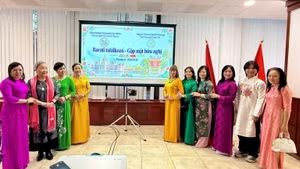
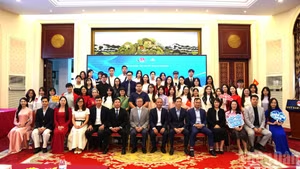
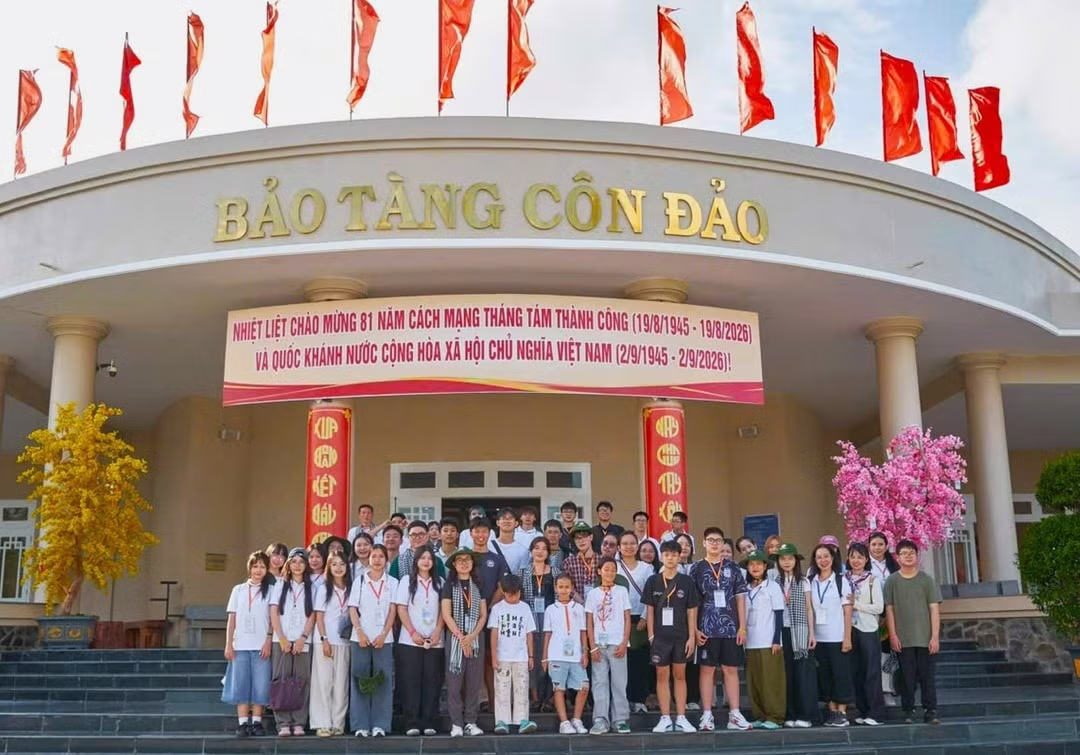
Beyond their direct contributions to economic development, overseas Vietnamese also play an active role in preserving cultural identity and developing the city’s future workforce. Recognising the importance of young Vietnamese people around the world, Ho Chi Minh City has consistently organised connection programmes to strengthen the emotional ties of younger overseas Vietnamese generations with their homeland through meaningful activities, including summer camps for overseas Vietnamese youths.
These summer camps provide opportunities for young Vietnamese people living in countries around the world to meet, exchange, and learn from one another. They also help participants gain a deeper understanding of Vietnam’s revolutionary traditions, national history, and the dynamic development of Ho Chi Minh City. These practical experiences nurture national pride while helping young overseas Vietnamese maintain their Vietnamese language skills and foster their aspiration to return and contribute to the city’s development in the future.
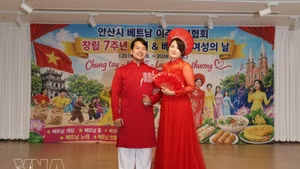
Having recently returned from Japan to participate in the 2026 Ho Chi Minh City Summer Camp for Overseas Vietnamese Youth and Young People from Ho Chi Minh City, held in August, Dang Tu Quynh, President of the Vietnamese Youth and Students Association in Japan, said that wherever Vietnamese people were born and raised around the world, and whatever the cultural experiences they gained in their host countries, their hearts remained deeply connected to their roots and homeland.
Young Vietnamese people living overseas understand that every step they take towards maturity today is linked to their responsibility to preserve and promote the fine traditional values passed down by previous generations. On this basis, Quynh said, young overseas Vietnamese communities across the five continents and four oceans continue to nurture a desire to contribute and build connections.
It is evident that overseas Vietnamese communities consistently demonstrate a deep love for their homeland and a desire to contribute to building an increasingly prosperous and strong country. To further harness the strength of this substantial resource, particularly as Ho Chi Minh City is positioned not only as the country’s economic locomotive but also as a city aspiring to compete with major cities around the world, Dr. Tran Hai Linh believes the city needs to change its approach from “calling on overseas Vietnamese to contribute” to “commissioning overseas Vietnamese resources.”
The city should set out specific challenges, allow overseas Vietnamese entrepreneurs and experts to propose solutions, and then work with them to implement those solutions and evaluate their effectiveness based on practical results.
Linh cited several specific challenges the city could address, including the application of AI to urban governance; development of green logistics for port systems; advancement of semiconductors and chip design; implementation of digital financial solutions; application of biotechnology in healthcare; and expansion of clean energy; as well as helping Ho Chi Minh City start-ups gain access to international investment funds.
However, to promote the expected development, Dr. Linh and several overseas Vietnamese entrepreneurs have also proposed that the city consider establishing a single-window mechanism for investment and innovation initiatives led by overseas Vietnamese. At present, a key bottleneck is that overseas Vietnamese may have ideas, partners, and even the necessary resources, however, when implementing projects in Viet Nam, they must approach multiple agencies and navigate numerous procedures themselves. This creates considerable difficulties, particularly in dealing with administrative procedures.
In recent years, Ho Chi Minh City has achieved notable results across numerous fields. The city’s leaders have repeatedly emphasised that these achievements owe much to contributions from the business community, scientists, experts, intellectuals, and overseas Vietnamese people living around the world, through investment, knowledge transfer, market connections, and the promotion of the city’s image.
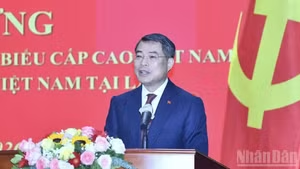
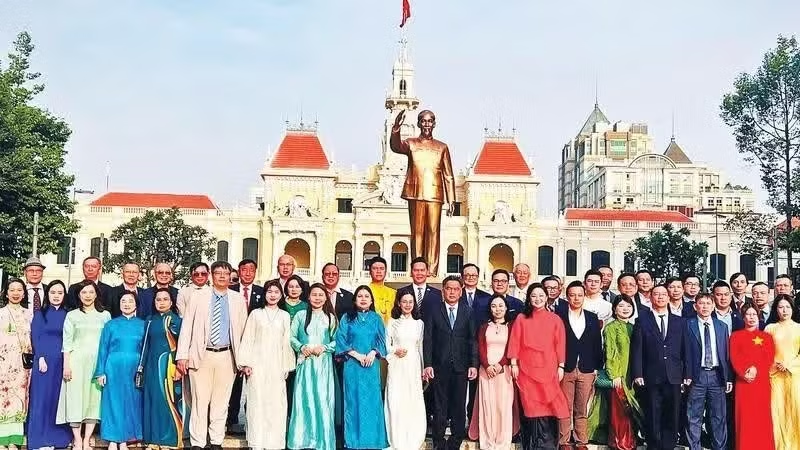
Nguyen Van Duoc, Member of the Party Central Committee and Chairman of the Ho Chi Minh City People’s Committee, expressed his sincere gratitude for the enduring affection that overseas Vietnamese have shown towards their homeland. He also expressed his hope and confidence that overseas Vietnamese communities would continue to uphold their patriotism and national pride, joining hands with the Ho Chi Minh City Party Committee, authorities, and residents to make positive contributions to building and developing Ho Chi Minh City into an increasingly modern, civilised, and liveable city.
He also affirmed the city’s commitment to continuing to improve its institutional framework and investment and business environment, making channels for mobilising and using resources more transparent, and ensuring full protection of investors’ legitimate rights and interests, including those of the overseas Vietnamese community.