#Ho Chi Minh City

Mechanical engineering enterprises showcase their products at the Ho Chi Minh City Trade and Investment Promotion Centre. (Photo: NDO)
Business

Ho Chi Minh City drives growth through innovation

Ho Chi Minh City has entered a new phase of development, in which science, technology, and innovation are identified as key drivers of growth. This serves not only as a strategic orientation but also as an essential requirement for the city to fulfill its role as an economic powerhouse and lay the foundation for sustainable development.

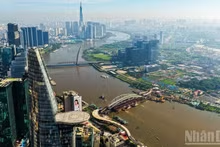
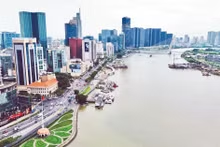
A view of Ho Chi Minh City. (Photo: THE ANH)
Business

From a shift in mindset to effective implementation

More than a year after the implementation of Politburo Resolution No. 68-NQ/TW (dated May 4, 2025) on the development of the private sector (Resolution 68), the investment and business environment in Ho Chi Minh City has seen positive changes, particularly in management thinking and administrative reform.

Phan Thi Thuy Phuong (centre) introduces students to the benefits of biodegradable bioplastic bags and raises awareness of their use. (Photo supplied by the subject)
Business

Women launch businesses with environmentally friendly products

Women in Ho Chi Minh City who are starting businesses will receive support from women’s associations at all levels to turn their business ideas into reality and develop sustainable production and business operations, as well as create opportunities to promote their products and connect with markets. Priority will be given to digital transformation, green transition, and environmentally friendly approaches.

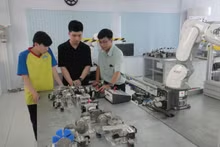
Training automation personnel at the Saigon Hi-Tech Park in Ho Chi Minh City. (Photo: CAO TAN)
Business

Risk of labour shortages in core industries

Ho Chi Minh City is facing a shortage of skilled workers in core industries such as semiconductors, artificial intelligence (AI), and high technology. Labour supply remains insufficient in both quantity and quality, while links between training institutions and businesses are still limited. This situation highlights the urgent need to develop a highly skilled workforce capable of supporting the transition to a new growth model and laying the foundations for rapid and sustainable development.

Back to top