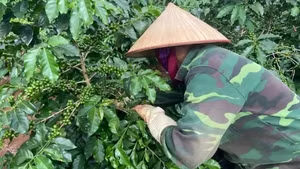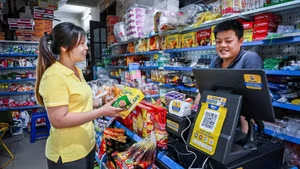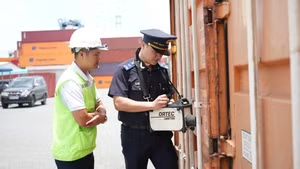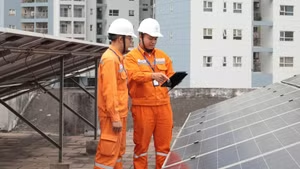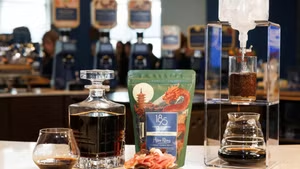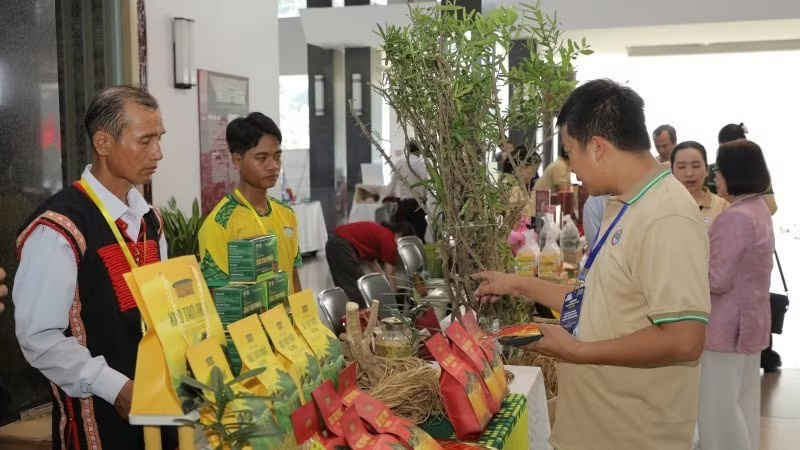
This year’s finalist projects demonstrate a range of approaches to harnessing local resources, processing agricultural products, developing green materials, making use of by-products, and applying technology to production and business activities.
Following the regional semi-finals, a total of 34 projects, representing 18 provinces and cities across the country, secured places in the final round of the Green Entrepreneurship Contest 2026. They are divided among three regions: nine projects from the Northern region, 10 from the Central and Central Highlands region, and 15 from the Southern region.
In terms of localities, Ho Chi Minh City has the largest number of entries, with seven projects. Ha Noi and Da Nang each have three, while Phu Tho, Dak Lak, Khanh Hoa, An Giang, Can Tho, and Vinh Long each have two projects.
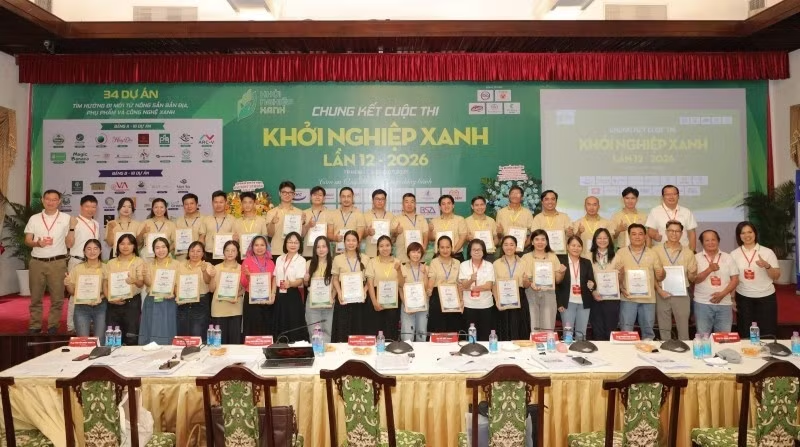
This distribution shows that green entrepreneurship is taking root in many parts of the country, each with its own advantages and sources of raw materials.
Supporting green start-up projects, economic expert Pham Chi Lan highlighted the potential to create value from materials that may appear to have little or no remaining value. “Many things that were once considered waste and discarded can be turned into products, creating jobs for people from different walks of life,” she said.
Pham Chi Lan’s remarks also point to a requirement for the projects entering the final round: their ideas must be considered in relation to market demand, economic efficiency, and the benefits they bring to the community.
A start-up model may originate from the advantages of local raw materials, an environmental issue or the needs of producers. However, to achieve long-term development, a project must gradually improve its products, organise production, and build a market.
For models linked to local communities, their effectiveness is also reflected in their ability to provide stable livelihoods, expand opportunities for producers, and ensure a sustainable supply of raw materials.
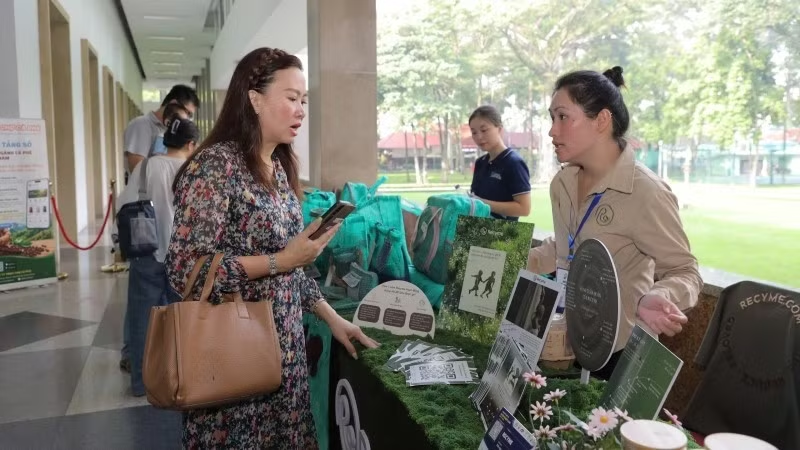
Vu Kim Anh, Deputy Director of the Business Studies and Assistance Centre (BSA), who is in charge of the Green Entrepreneurship Contest, shared that throughout its support for the projects, BSA has organised numerous training programmes, discussion sessions, and specialised courses on product development, packaging design, digital communications, and market expansion.
The centre has also organised trade promotion programmes, giving start-ups opportunities to sell their products and reach consumers. These activities have helped projects gradually improve their products, strengthen their business capabilities, gain access to experts, and connect with enterprises, thereby creating further opportunities to bring their products to market.