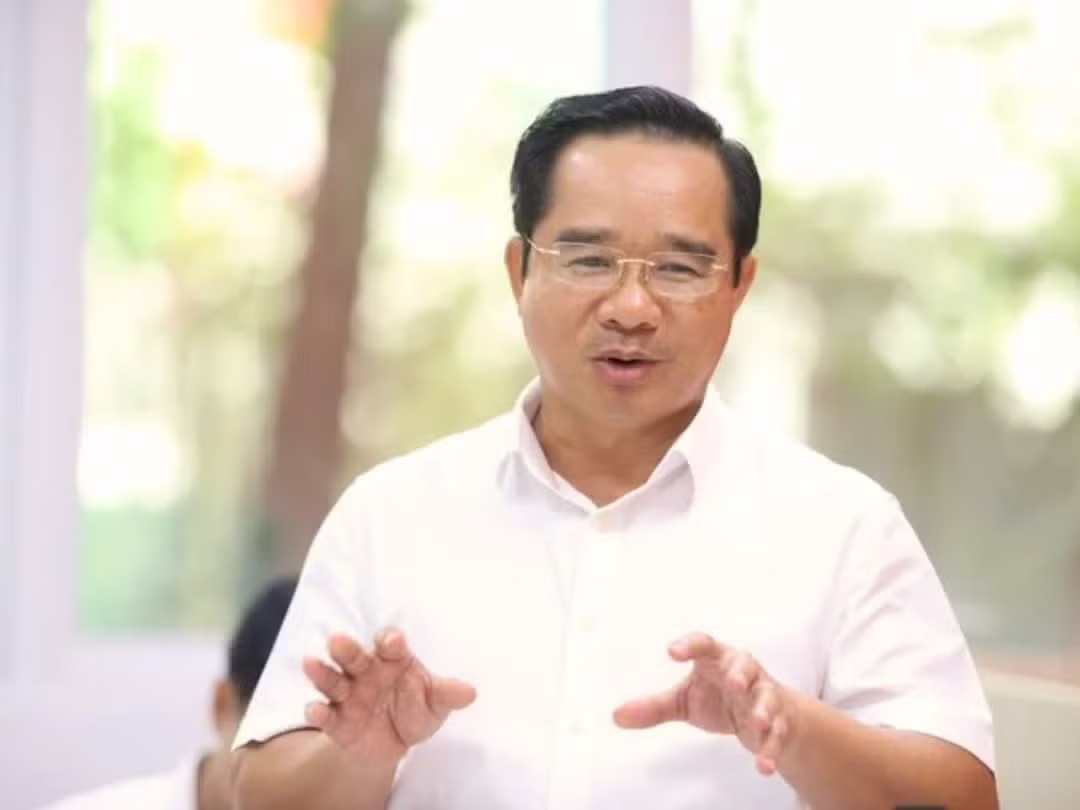
Member of the Party Central Committee, Deputy Secretary of the Ho Chi Minh City Party Committee, and Chairman of the Ho Chi Minh City People's Committee Nguyen Van Duoc spoke about the vision for international cooperation, the city's role as a connector and expectations for turning cooperation opportunities into tangible drivers of growth for Viet Nam.
Proactively establishing a position in the new growth structure
Q: The Autumn Economic Forum 2026 is positioned as “The Convergence of New Global Growth Engines,” under the theme “The Spirit of Cooperation in a New Era”. What message does Ho Chi Minh City wish to convey about Viet Nam's position and development opportunities amid the reshaping of the global economic structure?
A: The global economy is undergoing profound changes driven by geopolitical fluctuations, technological breakthroughs, digital transformation, and the green transition. Capital flows, supply chains, and production centres are being reorganised, giving rise to new growth hubs. Competitive advantages are no longer based solely on production costs or market access, but increasingly depend on technological capabilities, the quality of human resources, and the ability to participate in higher value-added segments of global value chains.
This presents an opportunity for Viet Nam to strengthen its position in the world economic order. However, opportunities do not automatically translate into growth. To capitalise on these shifts, we must strengthen domestic capabilities, reform institutions, develop businesses, and build deeper cooperative relationships.
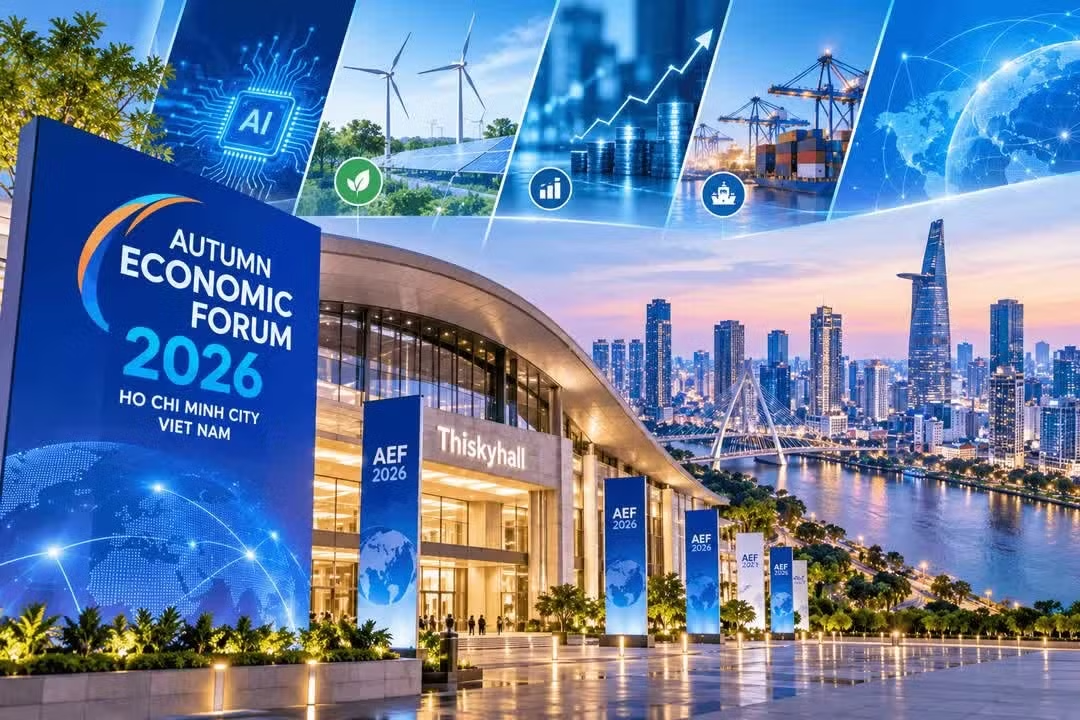
With this understanding, Ho Chi Minh City has chosen “The Spirit of Cooperation in a New Era” as the forum's theme. We hope the forum will do more than identify development trends. It should also create a platform for dialogue among policymakers, international organisations, and businesses to seek solutions, connect resources, and generate new growth drivers. Viet Nam needs to participate more proactively and deeply in international cooperation networks while enhancing its capacity to contribute to common development initiatives.
Q: Against this backdrop, how does Ho Chi Minh City define its role, particularly given its expanded development space and new economic advantages?
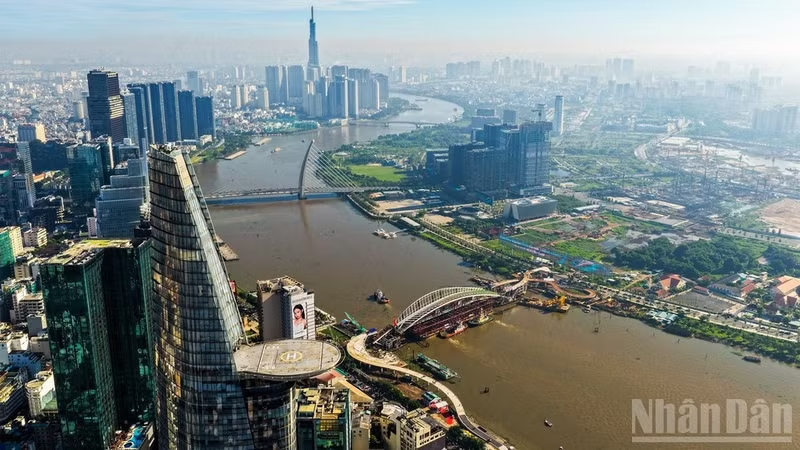
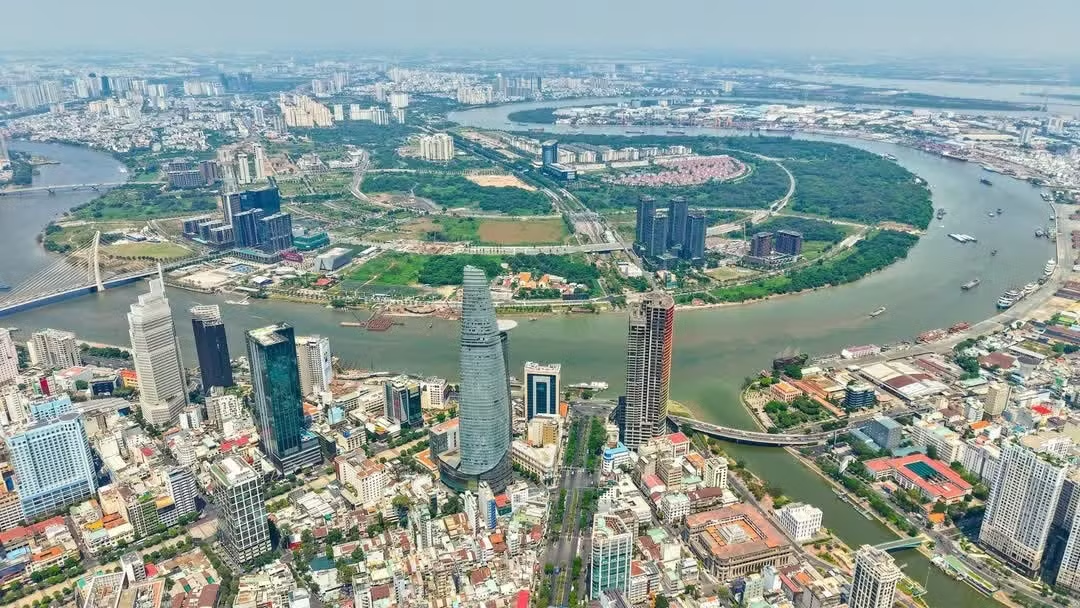
A: Accounting for approximately 23.4% of GDP, around 30% of total state budget revenue, and 30% of the country's foreign direct investment, Ho Chi Minh City is entering a new phase of development with expanded space, greater potential, and new requirements. The expansion of its administrative boundaries not only increases the scale of the economy but, more importantly, creates conditions for reorganising resources within a more effective structure of connectivity and complementarity.
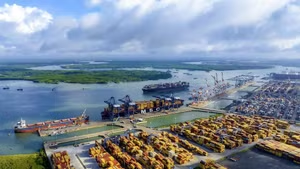
The city has advantages in finance, trade, services, high technology, manufacturing and processing, supporting industries, logistics, seaports, and innovation. Developed separately, these advantages would have limited impact. When connected into value chains, however, they can generate new competitive capabilities.
High technology and research must be linked to production needs; manufacturing and processing must create markets for supporting industries; logistics and seaports must serve export activities efficiently; and finance must become a source of momentum for innovation, the green transition, and strategic economic sectors.
As one of the country's leading megacities, our ambition is not simply to build a city with a large economy, but to develop a centre capable of organising, connecting, and leading high value-added economic activities. The city aims not only to attract global resources but also to create an environment in which capital, technology, knowledge, and innovation converge and are translated into specific investment projects and growth drivers.
Through this approach, Ho Chi Minh City will continue to fulfil its role as an economic locomotive while strengthening its position within regional networks of financial, technological, industrial, and innovation centres. Its targets, under Resolution No. 09-NQ/TW on building and developing Ho Chi Minh City in the new era, are to become a city with a prominent position in Southeast Asia by 2030; a leading economic, cultural, social, scientific, technological, and innovation centre in Asia by 2045; and a global city on a par with developed cities worldwide by 2075.
As the locality hosting the event, Ho Chi Minh City hopes the forum will become a high-quality international dialogue platform, helping expand cooperative relations and attract knowledge, technology, and resources to Viet Nam while creating further development opportunities for the city.
Generating new growth drivers
Q: Viet Nam is pursuing high and sustainable growth, with Ho Chi Minh City targeting double-digit growth. In your view, which drivers will be decisive, and how can the forum contribute to this process?
A: Viet Nam remains committed to achieving high economic growth alongside improvements in quality, efficiency, and sustainability. In this process, Ho Chi Minh City continues to affirm its role as an economic locomotive, having recorded positive results. In the first nine months of 2026, the city's gross regional domestic product (GRDP) was estimated at around 2.46 quadrillion VND, up 9.06%, the highest growth rate in the past decade. This provides an important foundation for the city to strive to achieve its 10.2% growth target for 2026.
However, sustaining high growth over the long term requires us to move beyond simply expanding investment capital or increasing output. Growth must increasingly be driven by productivity, science and technology, innovation, the quality of human resources, and the efficient allocation of resources. This requirement is particularly urgent for Ho Chi Minh City as it reorganises its development space and restructures its economy towards higher value added.
In my view, three issues require particular attention. First, we must improve institutions, enhance the investment and business environment, and remove bottlenecks to mobilise and use social resources efficiently. Second, science, technology, and innovation must become genuine drivers of productivity growth by promoting the practical application of artificial intelligence, automation, advanced manufacturing, and emissions-reduction solutions. Third, infrastructure, human resources, and domestic business capabilities must be developed in a coordinated manner so that investment attraction is accompanied by technology transfer and deeper participation in global value chains.
The forum offers Viet Nam an opportunity to access international trends, development models, and experience while connecting partners to address the requirements of a new growth model. For Ho Chi Minh City, the outcomes of these discussions can help accelerate technological innovation, strengthen business capabilities, and translate development goals into reality.
Q: Bringing together capital, technology, and knowledge presents major opportunities, but not every connection produces results. In your view, what conditions are necessary for these resources to generate genuine growth?
A: Bringing resources together is only a necessary condition. The decisive factor is the capacity to organise, coordinate, and translate these resources into concrete economic activities. Investors make decisions only when there is a transparent legal environment, suitable infrastructure, a workforce that meets their requirements, and prospects for long-term cooperation.
Similarly, advanced technology generates value only when businesses have the capacity to adopt, apply, and develop it. Cooperation must therefore be built on sufficiently reliable frameworks and effective coordination mechanisms at three levels: between governments, to strengthen policy confidence; between ministries and sectors, to translate common commitments into action programmes; and between the public and private sectors, where capital and technology are actually channelled into production and business activities. Only then can policy orientations and cooperative initiatives be translated into investment, production, and business decisions.
For Ho Chi Minh City, the authorities must do more than process administrative procedures. They must proactively work alongside businesses, connect stakeholders across the development ecosystem, resolve issues within their remit, and coordinate with ministries and sectors on matters requiring higher-level mechanisms and policies.
The city must simultaneously create favourable conditions for attracting new resources and strengthen its capacity to absorb and use those resources effectively, in line with the spirit of Politburo Resolution No. 10-NQ/TW, which calls for the development of the foreign-invested economic sector alongside improvements in efficiency, strategic autonomy, and the economy's competitiveness.
Creating a platform for international dialogue and cooperation
Q: How was the Autumn Economic Forum 2026 organised to address Viet Nam's strategic issues while also promoting concrete cooperation opportunities?
A: The forum runs from October 26 to 29, with the two main days, October 27 and 28, co-branded with the World Economic Forum (WEF). The programme focuses on four pillars: the role of megacities in the new growth structure; breakthrough technologies and innovation ecosystems; cooperation models in the new era; and the pioneering role of the private sector.
The CEO500 Conference on October 26 brings together more than 500 business leaders, focusing on the convergence of foreign direct investment (FDI), technology, and global financial flows. Meanwhile, 16 thematic sessions across three conference rooms on October 27 will explore global value chains, megacities, institutions, finance, artificial intelligence, advanced manufacturing, and human resources, as well as emerging fields such as the digital economy, quantum technology, the low-altitude economy, and dual-use industries.
The High-level Plenary Session, the Dialogue with the Prime Minister of Viet Nam, the in-depth discussion session, and dialogues among ministerial-level leaders from different countries on October 28 will place these issues within a broader strategic vision, focusing on Viet Nam's position in the global economic structure and cooperation frameworks in the new era.
WEF's involvement, including the participation of its senior leaders and experts during the two main days of the forum, will help connect international networks of policymakers, experts, and businesses, creating further opportunities to discuss Viet Nam's development priorities on global cooperation platforms.
In addition, the programme includes demonstrations of technological solutions and innovation, with more than 30 demonstration sessions at the Rising Star Arena during the main forum on October 27. It will also connect businesses and feature a series of accompanying conferences and forums on the twin transition and next-generation industries, along with bilateral forums and seminars with India, the UK, China, the Nordic countries, and Israel. Cooperation spaces along central streets and the GRECO 2026 Green Growth Exhibition will bring the forum closer to residents and businesses.
We place particular emphasis on the links between these activities. Issues identified during thematic sessions must have opportunities for further discussion at the policy level, while technologies presented must be connected with businesses, investors, and potential users. The forum should not merely ask how the world is changing, but also seek answers to what Viet Nam must do to participate proactively in, contribute to, and capitalise on these shifts.
The forum's value must be demonstrated through results
Q: What will be the measures of success for the Autumn Economic Forum 2026? After the forum, what will Ho Chi Minh City do to ensure that international initiatives and connections go beyond dialogue?
A: The success of an international forum should not be measured solely by the number of delegates, discussion sessions, or meetings. More important is whether development issues are more clearly identified, practical solutions are proposed, partnerships are expanded, and connections can be translated into cooperation programmes, investment projects, or concrete initiatives.
We hope that, following the forum, the city's relevant authorities and other concerned organisations will continue to consolidate proposals, recommendations, and cooperation opportunities to identify initiatives that can be implemented. The city will proactively engage with ministries, sectors, international organisations, investors, and businesses to explore suitable forms of cooperation.
Issues falling within the city's remit must be considered and addressed promptly. Matters beyond its authority need to be consolidated, raised as proposals, and resolved in coordination with the relevant bodies in accordance with regulations. The key is to maintain connections after the event, enabling ideas to become action and new resources to strengthen the economy's development capacity.
Viet Nam as a whole, and Ho Chi Minh City in particular, faces major opportunities alongside increasingly demanding development requirements. We are determined to pursue proactive reform, strengthen domestic capabilities, and expand international cooperation to generate high-quality, sustainable growth drivers.
In line with the orientation of Politburo Resolution No. 06-NQ/TW dated May 19, 2026, on implementing the foreign policy set out at the 14th National Party Congress, Ho Chi Minh City hopes the Autumn Economic Forum 2026 will not only bring together ideas and resources but also open up substantive cooperative relationships. These will help strengthen Viet Nam's position, competitiveness, and development opportunities while generating new momentum for Ho Chi Minh City and its partners. At a time when the world needs trusted platforms for cooperation, Ho Chi Minh City stands ready to serve as a meeting point for such collaboration.
Reporter: Thank you very much!