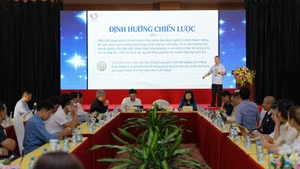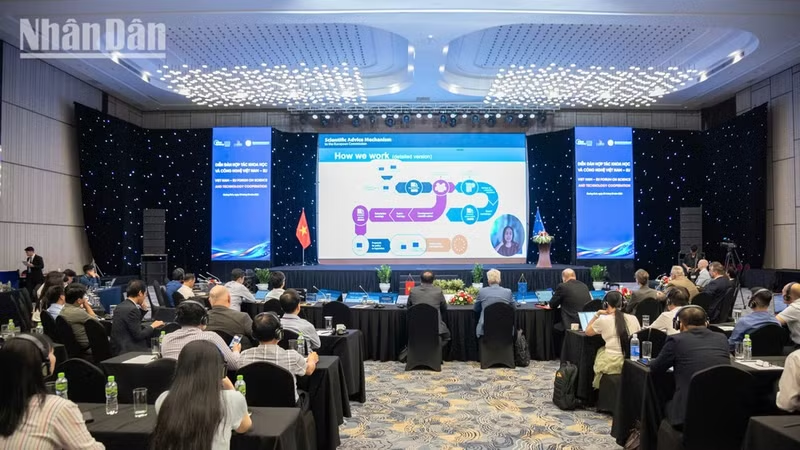
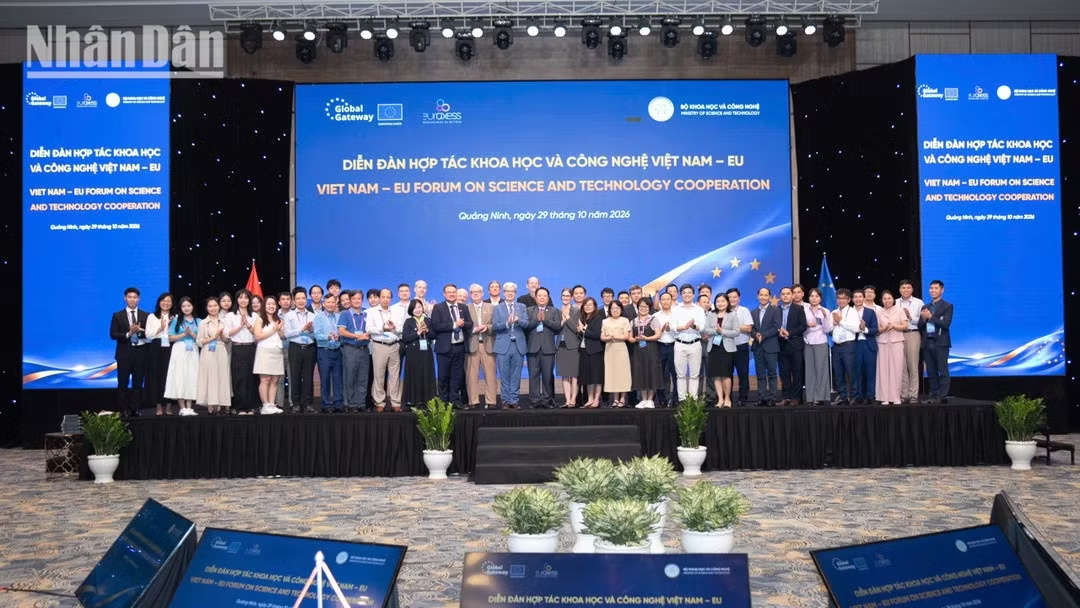
The event was jointly organised by the Vietnamese Ministry of Science and Technology, the Delegation of the EU to Viet Nam, the National Academy for Advanced Technology and Innovation (NACENTECH), and EURAXESS ASEAN, with support from consulting firm TP Global.
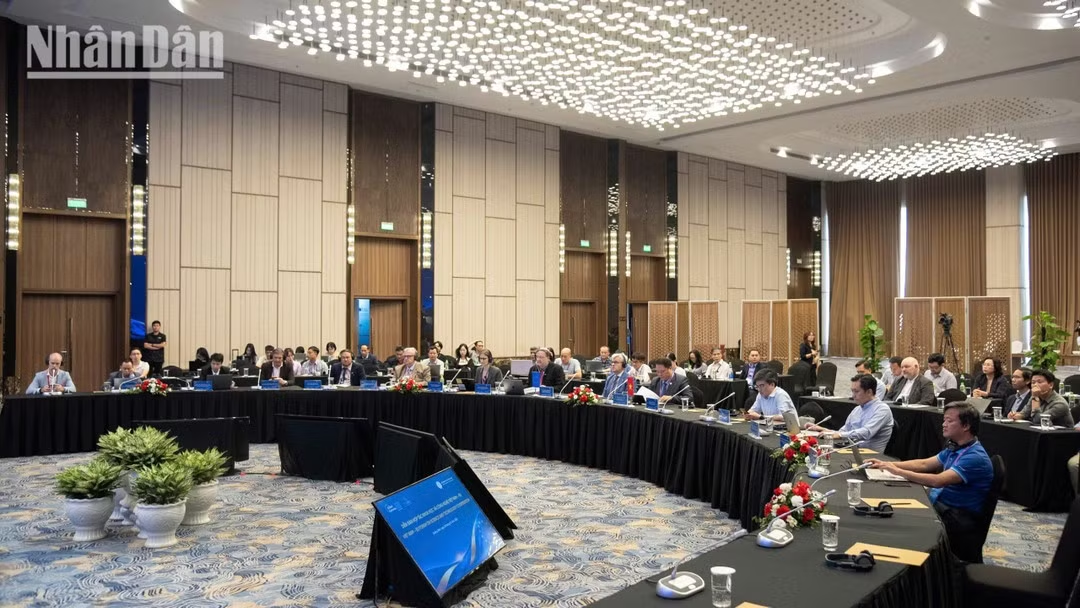
The forum brought together numerous representatives from regulatory agencies, the academic and scientific community, and businesses on both sides.
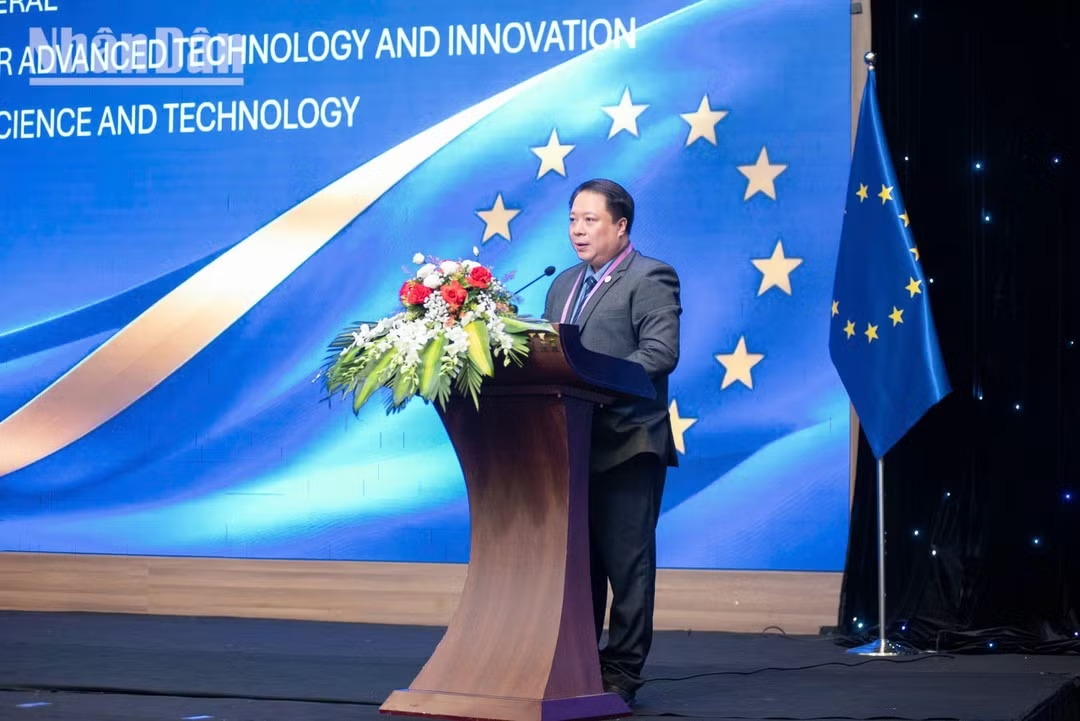
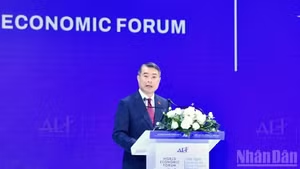
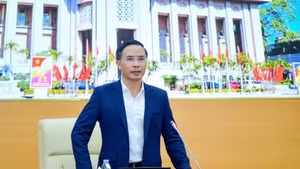
Delivering the opening remarks, Nguyen Dac Binh Minh, Deputy Director of NACENTECH under the Ministry of Science and Technology affirmed that science, technology, and innovation are strategic breakthroughs for Viet Nam.
To enhance its competitiveness, Viet Nam needs to shift its growth model away from reliance on natural resource exploitation and low-cost labour towards a knowledge-based economy driven by technology and added value. This requires the country to build technological mastery and link research with market demand.
Minh outlined three key pillars for cooperation at the forum. The first is to identify priority research areas, including semiconductor materials, new energy, green manufacturing, the circular economy, and the application of artificial intelligence in materials design.
The second is to strengthen linkages among research institutes, universities, and businesses, establish joint research groups, facilitate expert exchanges, and promote participation in Horizon Europe.
The third is to accelerate technology transfer and the commercialisation of research results, bringing scientific advances from laboratories into industrial production.
In declaring the forum open, Minh emphasised that the greatest value of science and technology cooperation lies not in the number of agreements signed, but in the technological capabilities developed and the tangible benefits generated for businesses and society.
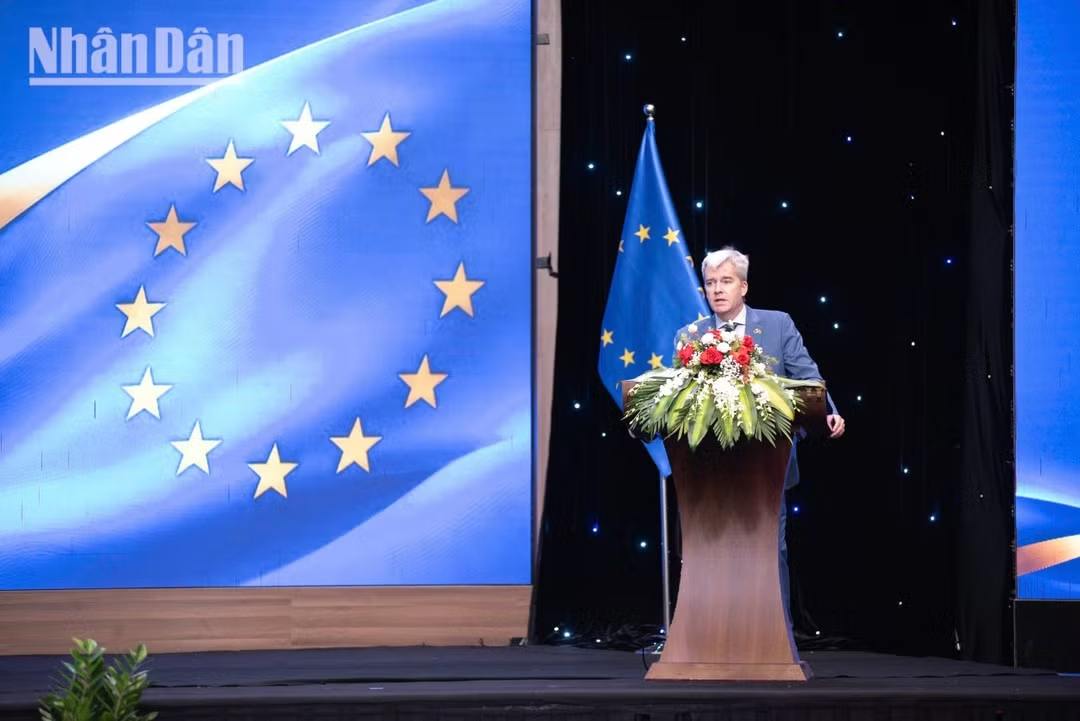
Sharing this view, Gonzalo Serrano de la Rosa, Deputy Head of Cooperation at the Delegation of the EU to Viet Nam stressed that collaboration in advanced materials helps strengthen strategic autonomy, reduce supply chain dependence, and enhance resilience to geopolitical disruptions.
Combining Europe’s technological strengths with Viet Nam’s human resources and development potential will create greater value across supply chains and support the country’s goal of becoming a high-income nation by 2045.
Conveying remarks from Julien Guerrier, EU Ambassador to Viet Nam at the opening ceremony, Serrano de la Rosa noted that the forum came in a year marking significant progress in Viet Nam–EU relations. In January 2026, the two sides upgraded their ties to a Comprehensive Strategic Partnership during the visit to Ha Noi by the President of the European Commission.
Subsequently, a visit by the EU Commissioner responsible for research, science, and innovation facilitated the signing of a Letter of Intent on Cooperation between Viet Nam’s Ministry of Science and Technology and the European Commission.
Highlighting the forum’s timeliness, Serrano de la Rosa said the EU was preparing to adopt an Advanced Materials Act, while Viet Nam was finalising its Strategy for Industrial Materials Development to 2030, with a vision to 2045. These developments open up opportunities for practical experience sharing aligned with the EU’s Global Gateway initiative and the commitment to achieving climate neutrality (net zero) by 2050.
In particular, cooperation in advanced materials will not only enhance industrial competitiveness but also help both sides strengthen strategic autonomy and reduce external dependencies and risks stemming from geopolitical shifts. This, in turn, will generate greater value across global supply chains and support Viet Nam’s goal of becoming a high-income country by 2045.
The opening ceremony of the Viet Nam - EU Forum on Science and Technology Cooperation in Quang Ninh marked the beginning of a long-term collaborative journey. Building on the Comprehensive Strategic Partnership, the forum is expected to pave the way for substantive cooperation, making science and technology a sustainable bridge between Viet Nam and the EU in the new era.