
Deputy PM orders monthly price checks as CPI buffer narrows
The Steering Committee for Price Management will meet monthly with localities to keep prices under control, Deputy Prime Minister Nguyen Van Thang told a meeting in Ha Noi on September 4.
#CPI
The Steering Committee for Price Management will meet monthly with localities to keep prices under control, Deputy Prime Minister Nguyen Van Thang told a meeting in Ha Noi on September 4.

Amid complex developments in the global economy, with fluctuations in energy prices, raw materials, and fuel prices, and rising logistics costs, price levels in many countries, including Viet Nam, have been affected. Despite external impacts, domestic prices have remained largely stable.

The Consumer Price Index (CPI) in May rose 0.29% from the previous month, driven by increases in electricity and water prices amid higher demand during hot weather, as well as higher prices of construction materials, housing rents and petrol, according to a report by the Ministry of Finance.

Soaring domestic gas prices, riding a global fuel rally, alongside steeper costs for dining-out services and construction materials drove Viet Nam’s Consumer Price Index (CPI) up 0.84% in April from the previous month, the Finance Ministry’s National Statistics Office reported May 3.

Viet Nam’s consumer prices index (CPI) in March edged up 1.23% from the previous month as surging global fuel costs and higher construction material expenses fed through to domestic prices, the Finance Ministry’s National Statistics Office reported on April 4.

With the consumer price index (CPI) in 2025 increasing by 3.31% compared to a year earlier, Viet Nam successfully kept inflation below the target set by the National Assembly.

Viet Nam’s consumer price index (CPI) in February rose 1.14% from the previous month as prices increased in most major groups of goods and services, the National Statistics Office (NSO) under the Ministry of Finance announced on March 6.

CPI in January 2026 rose 0.05% month-on-month, with urban areas up 0.02% and rural areas up 0.09%. Of the 11 major commodity and service groups, nine recorded price hikes while two saw declines.
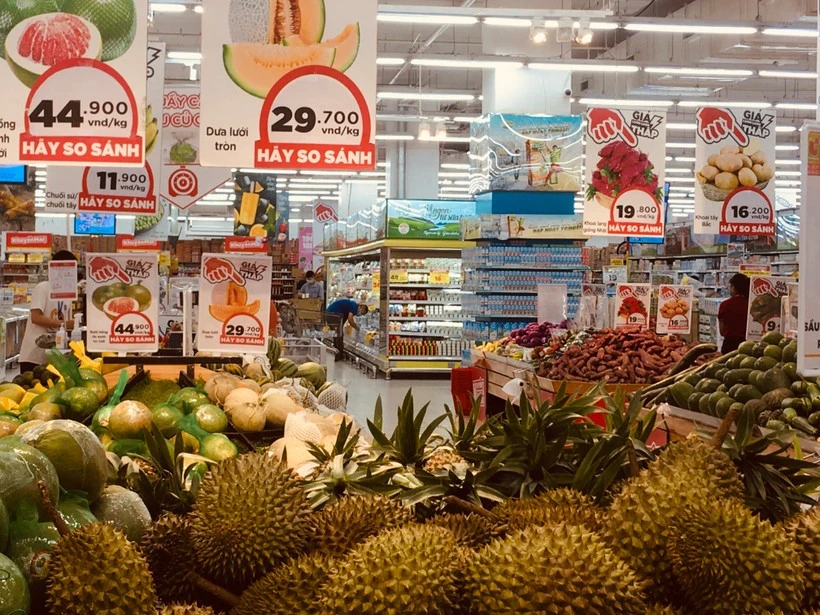
Viet Nam’s Consumer Price Index (CPI) rose an average of 3.31% in 2025, meeting the target set by the National Assembly, Director General of the Finance Ministry’s National Statistics Office (NSO) Nguyen Thi Huong told a press conference in Ha Noi on January 5.
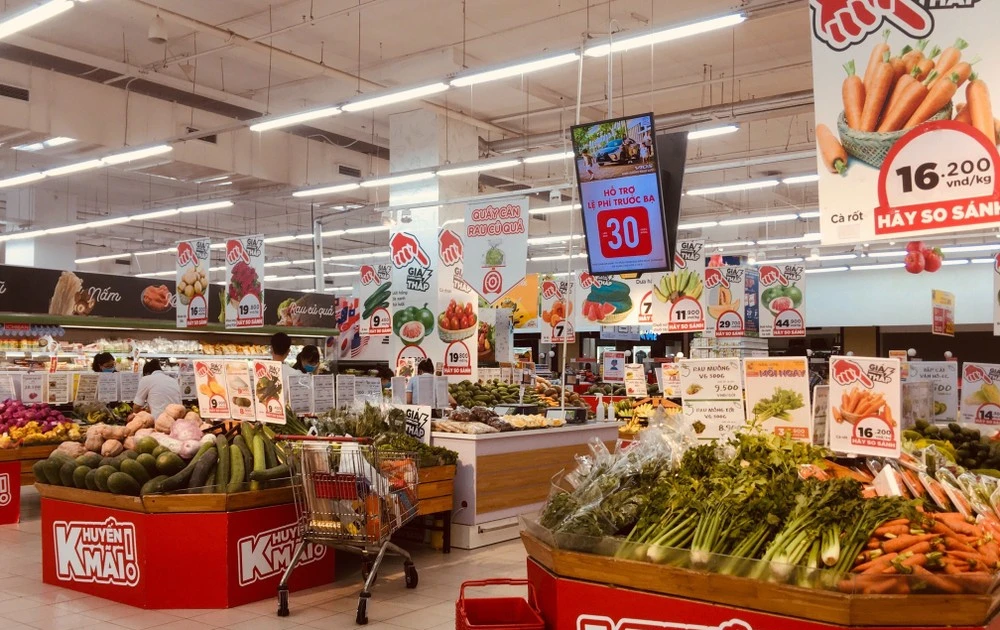
The consumer price index (CPI) increased by 0.45% in November compared to the previous month, mainly driven by adjustments in domestic fuel prices and disruptions to the food supply in areas affected by natural disasters, the National Statistics Office (NSO) under the Ministry of Finance announced on December 6.
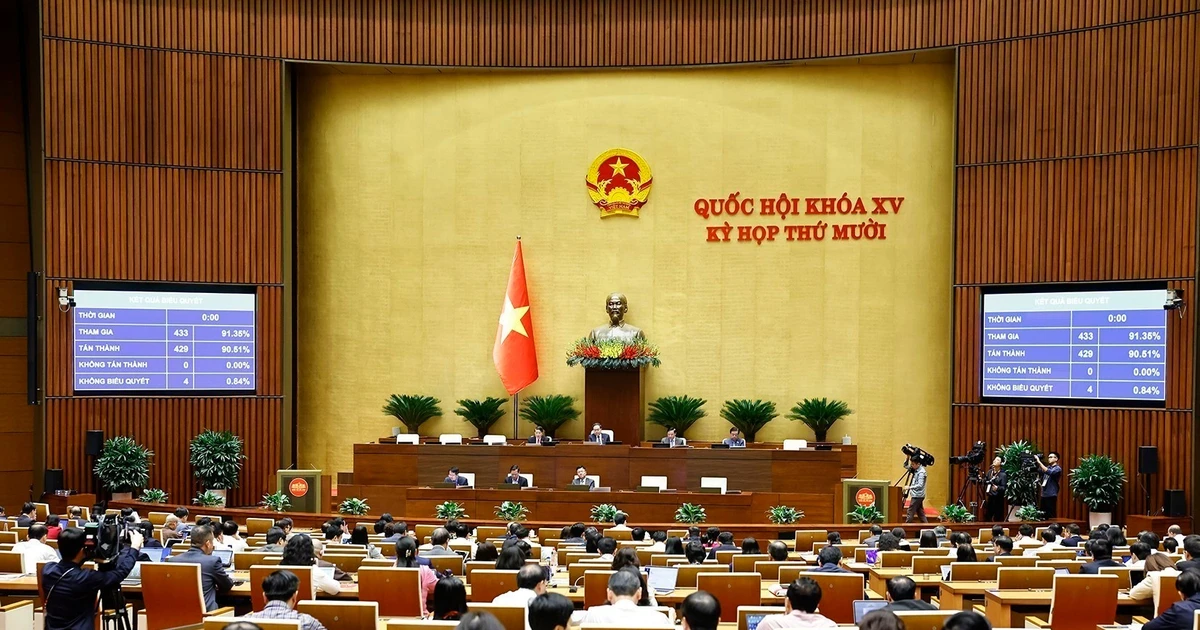
The 15th National Assembly (NA) on November 13 approved a Resolution on Viet Nam’s socio-economic development plan for 2026, setting 15 major targets, including the gross domestic product (GDP) growth rate of 10% or higher.

Viet Nam’s Consumer Price Index (CPI) in June 2025 increased by 0.48% from the previous month and by 3.57% year-on-year. This was mainly due to the unusual surge in prices of housing maintenance materials—particularly sand, stone, and bricks—and higher fuel prices in line with global trends.

Viet Nam’s consumer price index (CPI) rose by 0.16% in May compared to April, mainly due to higher costs for rental housing, home maintenance materials, electricity and dining out, the National Statistics Office under the Ministry of Finance reported on June 6.

Ha Noi’s Consumer Price Index (CPI) in May rose slightly by 0.14% from the previous month, pushing the increase to 1.28% compared to last December and 3.6% year-on-year.