Two-tier local government model: A major overhaul creating new opportunities for development
More than a year after the two-tier local government model was introduced, this major Party initiative, approved by the National Assembly and actively implemented by the Government, has driven a significant transformation in structuring the administrative apparatus.
Reorganising local government into a two-tier model is a major Party initiative endorsed by the National Assembly and actively rolled out by the Government in recent months.
Under the new model, the number of provincial-level administrative units has fallen from 63 to 34, comprising 28 provinces and six centrally governed cities. The number of commune-level units has decreased from more than 10,300 to 3,321 communes and wards, along with 13 special administrative zones. Meanwhile, all 696 district-level units have ceased operations.
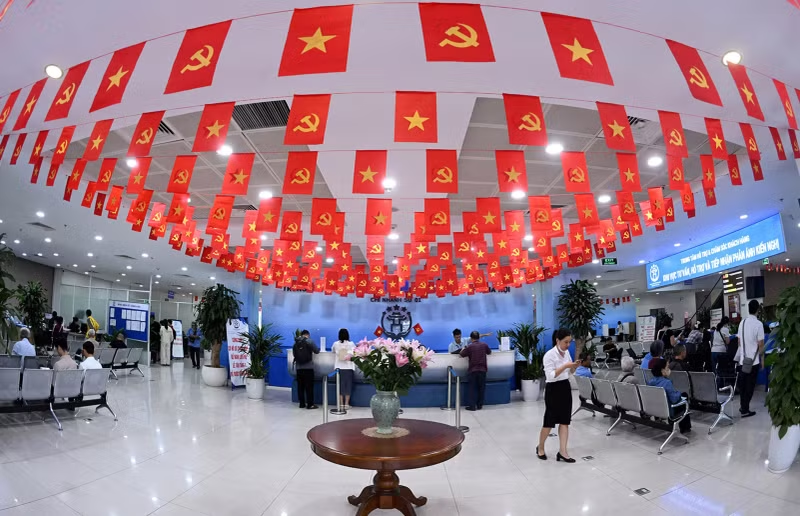
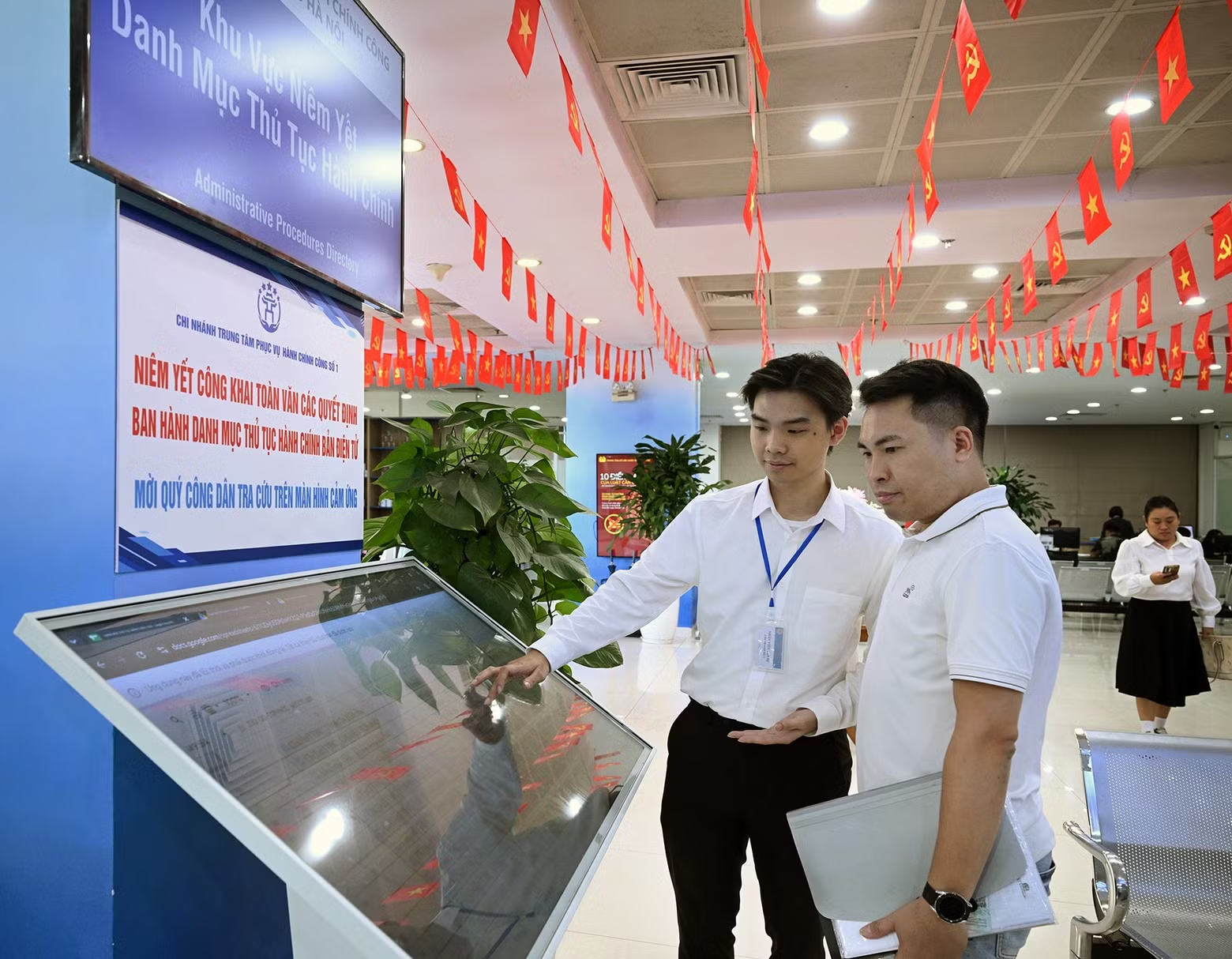
Ha Noi has publicly lists 100% of administrative procedures falling within the remit of its various levels of government, covering both internal processes and electronic workflows.Organisational restructuring presents an opportunity to rejuvenate the workforce, but it also places greater demands on public service ethics, soft skills, and the ability to adapt to the administrative environment.Staff at the Public Administration Service Centre enthusiastically guide residents through accessing the National Public Service Portal and logging in using their VNeID electronic identification accounts.
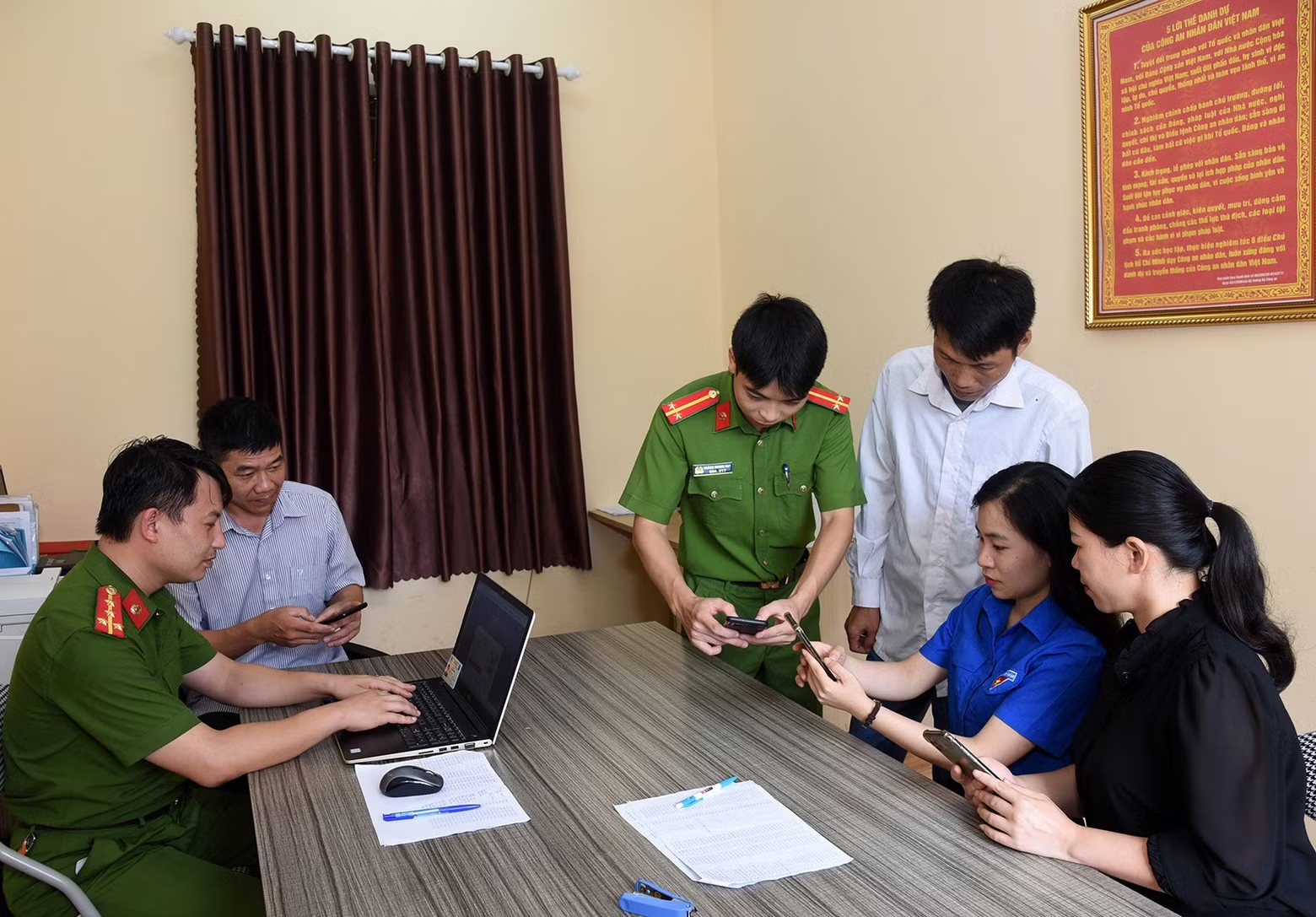
The true success of the two-tier local government reform will ultimately be measured by how effectively the model operates in the country’s border communes. (In the photo: Alongside local officials, members of the Ho Chi Minh Communist Youth Union in the border commune of Kien Moc, Lang Son Province, help residents access and use digital services.)
The two-tier local government model represents a revolutionary reform aimed at streamlining the administrative apparatus, improving governance, eliminating intermediate layers, and bringing local authorities closer to the people. The new model also enables more effective management across larger geographical areas while opening up new opportunities for socio-economic development.
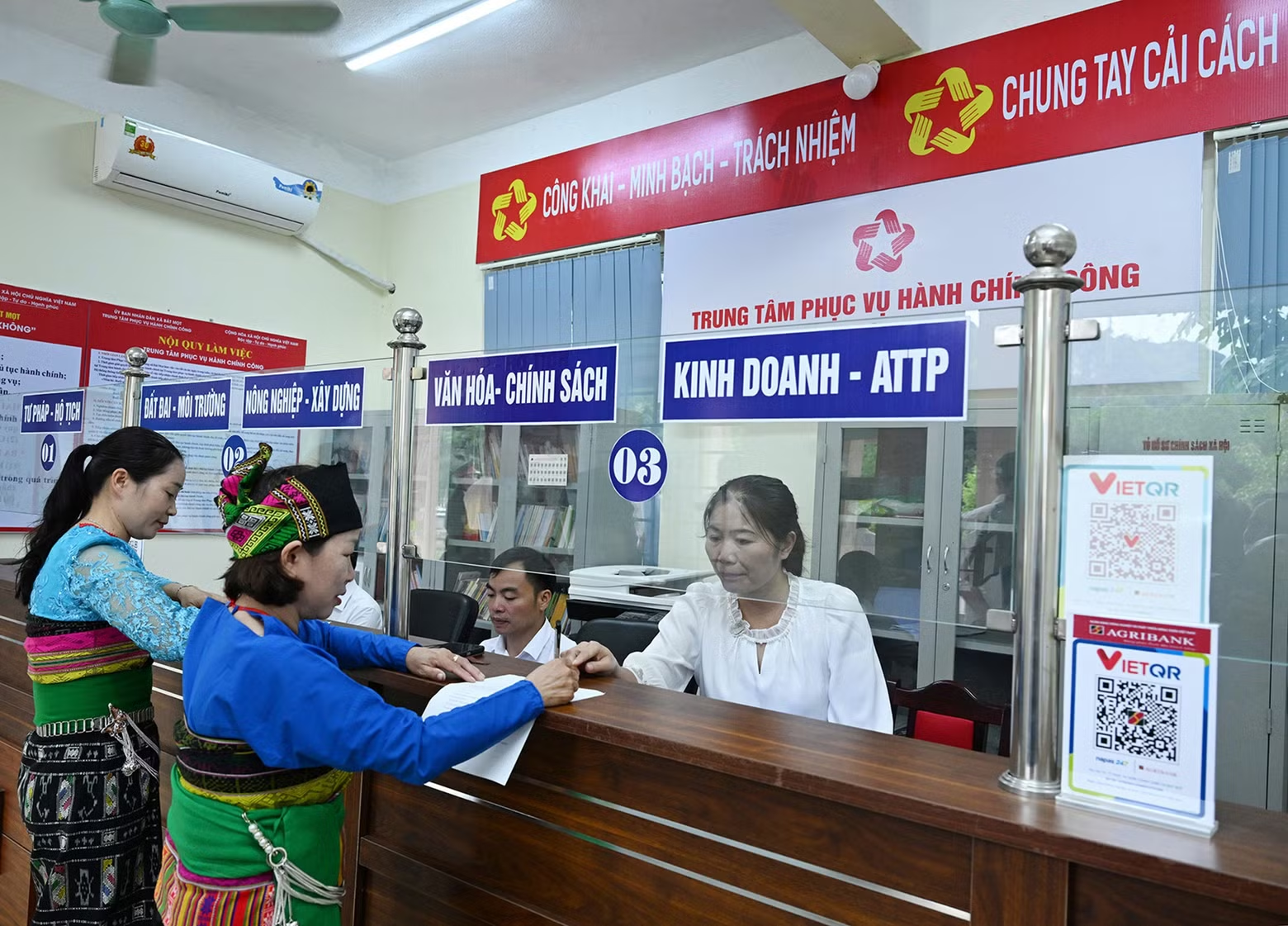
Staff at the Public Administration Service Centre in Duong No Ward, Hue City, are stepping up administrative reform and digital transformation to provide residents and businesses with more convenient services and a better experience.At the Public Administration Service Centre in Bat Mot Commune, Thanh Hoa Province, all applications are tracked through an electronic system integrated with the National Public Service Portal.
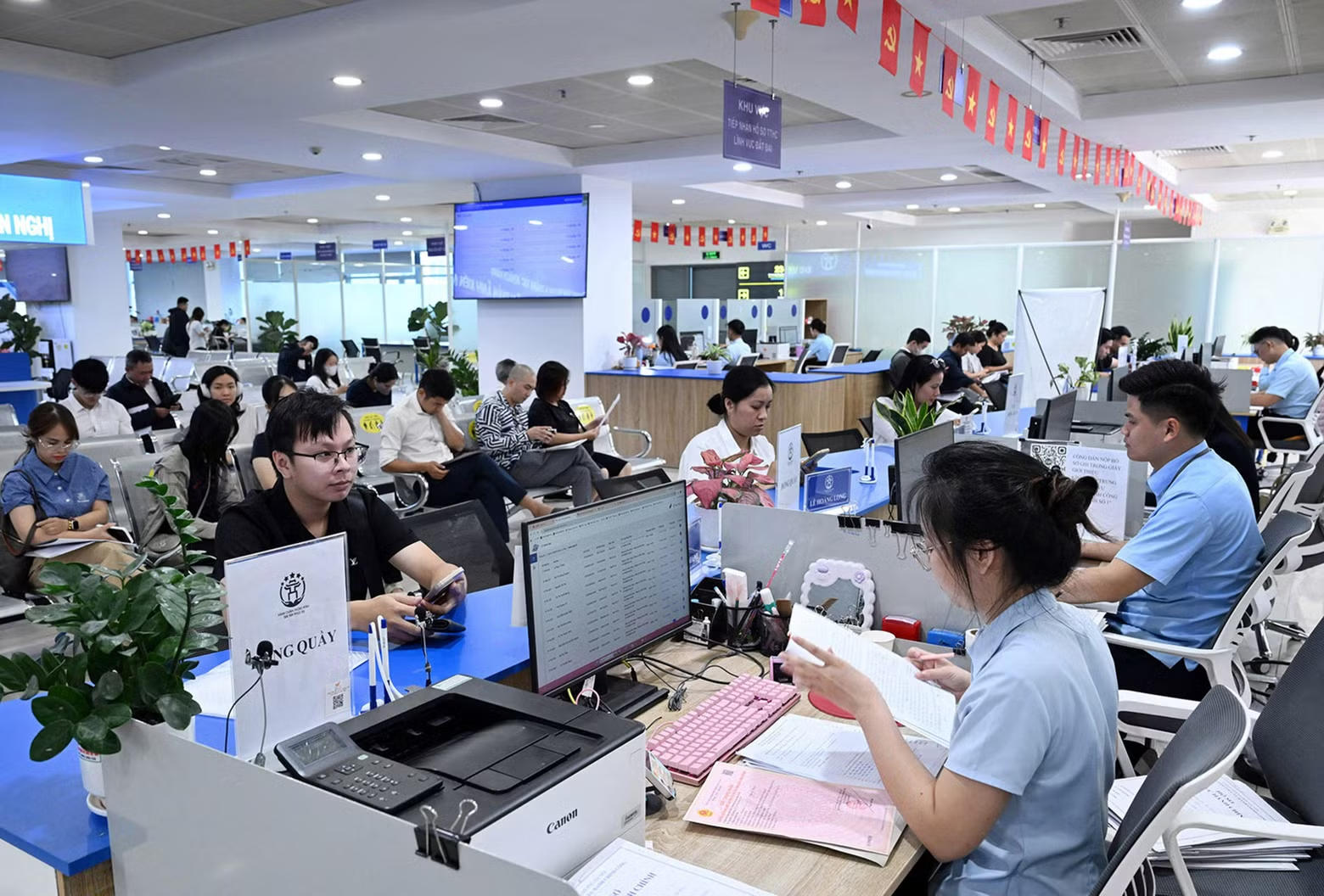
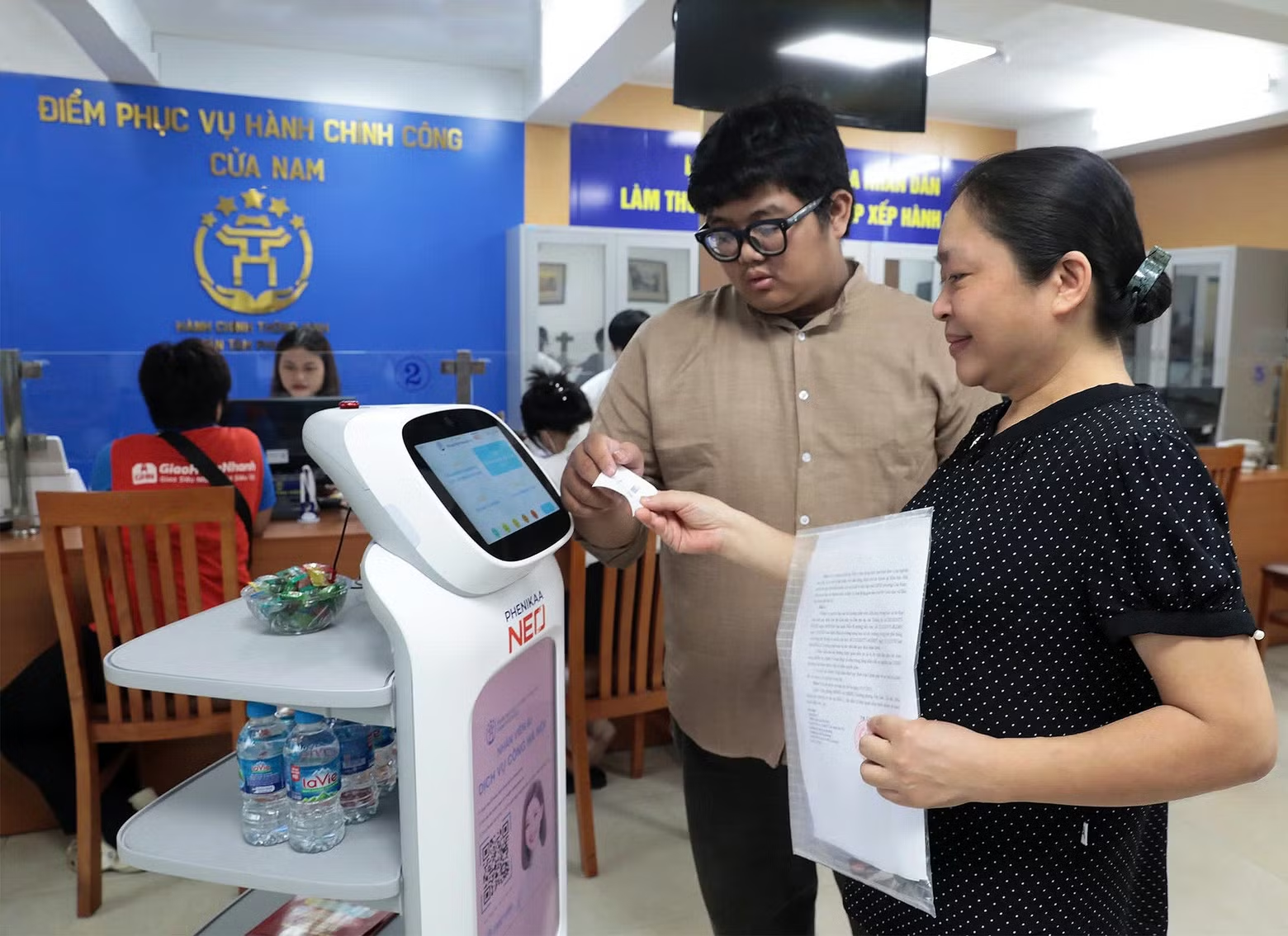
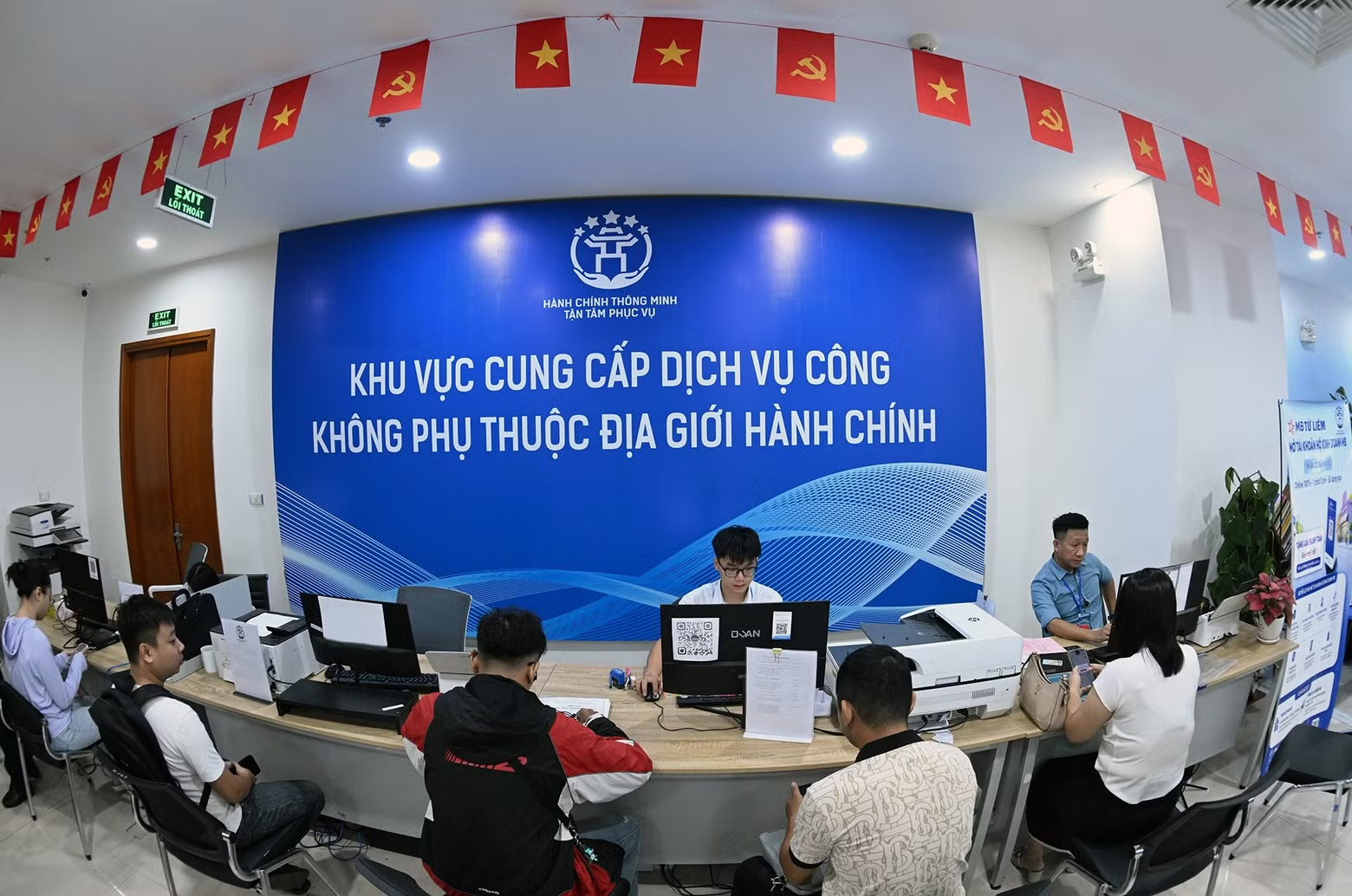
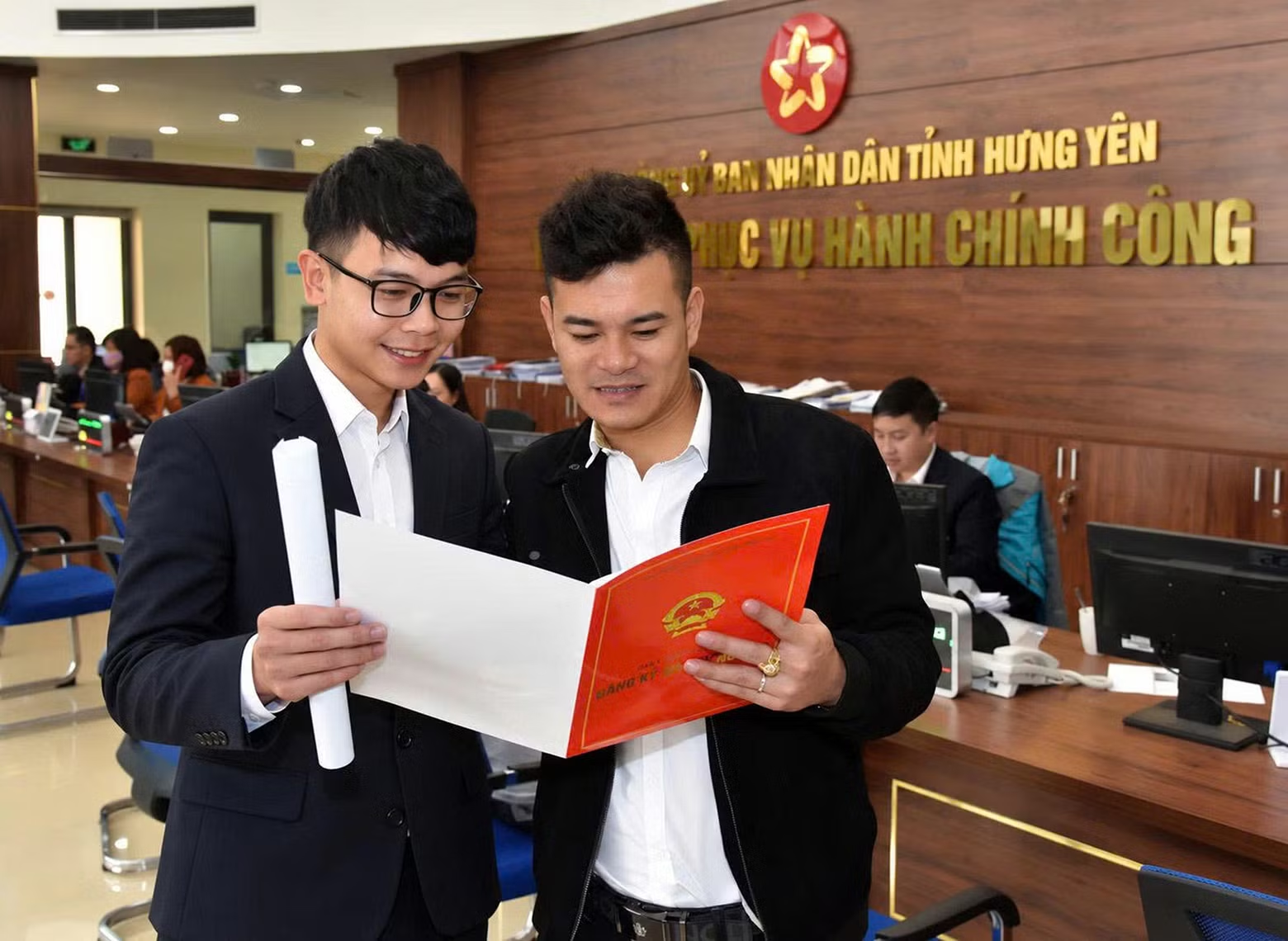
The introduction of an AI-powered robot at Cua Nam Ward in Ha Noi marks a new milestone in building a citizen-centred public administration.Public services unbound by administrative boundaries have been introduced at 12 branches, with a total of 32 public administration service points. The initiative has delivered encouraging initial results, helping reduce the time and costs involved while significantly promoting the use of online public services across Ha Noi.Staff at Branch No. 1 of the Ha Noi Public Administration Service Centre help residents digitise their application documents when completing administrative procedures.Improvements in the operation of the two-tier local government model, with authorities becoming more accessible and responsive to residents while better serving the public, open up new opportunities for socio-economic development. (In the photo: Residents and businesses in Hung Yen Province celebrate receiving land-use rights certificates within a short period.)
As the new model continues to operate, accelerating digital transformation and enhancing service quality at commune- and ward-level Public Administration Service Centres remain key priorities, helping residents and businesses complete administrative procedures more conveniently.
More than a year after the two-tier local government model was introduced, this major Party initiative, approved by the National Assembly and actively implemented by the Government, has driven a significant transformation in structuring the administrative apparatus.