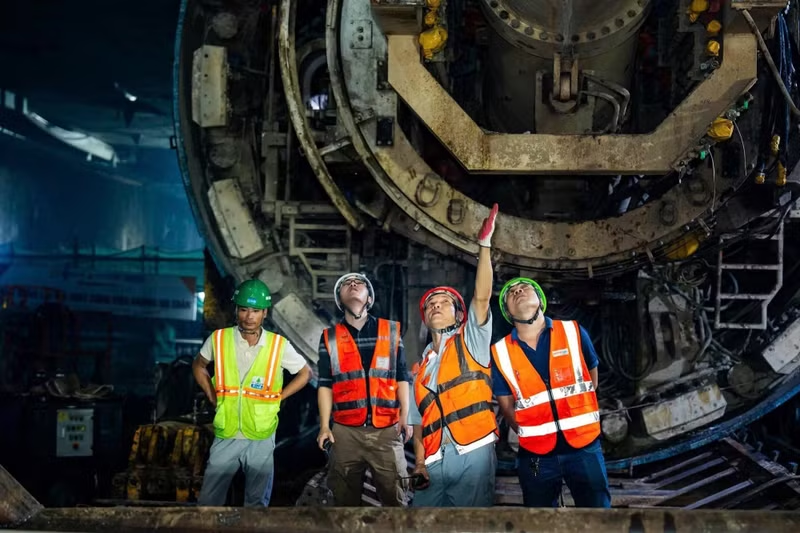
With a domestic ecosystem of consultants, contractors, suppliers, and financial resources taking shape, the foundations for Vietnamese enterprises to take the lead in metro construction projects are becoming increasingly evident.
Technology transfer and experience accumulation
In recent years, Viet Nam’s urban railway development has been associated with the Cat Linh–Ha Dong line, Metro Line 1 from Ben Thanh to Suoi Tien, and Metro Line 3 from Nhon to Ha Noi Station. The first two lines are in operation, while the elevated section of the Nhon–Ha Noi Station line has entered commercial service. The 4km tunnel section also saw the completion of tunnel boring machine (TBM) excavation in April 2026.
Experts believe the coming years will see a boom in the scale of metro construction.
Experts believe the coming years will see a boom in the scale of metro construction. Over the next decade, Ha Noi plans to invest in around 500km of urban railways, while Ho Chi Minh City has set a target of 355km for the 2026–2035 period.
Under the 2026 Ha Noi Master Plan and the draft 100-year vision plan for Ho Chi Minh City, both cities plan urban railway networks of around 1,000km each. For the 2026–2035 period alone, Ha Noi plans to invest in around 500km of urban railways, while Ho Chi Minh City has set a target of 355km. This enormous workload will require a large pool of capable domestic enterprises specialising in consultancy, design, infrastructure construction, and mechanical engineering. It is therefore increasingly urgent to turn the experience gained from the first projects into broader industry capabilities.
FECON Group Joint Stock Company is a prominent enterprise in this field. In May 2017, on Ho Chi Minh City’s Metro Line 1 from Ben Thanh to Suoi Tien, FECON became the first Vietnamese contractor to operate a TBM directly under the guidance of Japanese experts. The team subsequently became a key force on Ha Noi’s Metro Line 3 from Nhon to Ha Noi Station, taking on a broader range of work, including diaphragm wall construction, ground improvement using high-pressure grouting, TBM operation, tunnel excavation, tunnel lining installation, and materials supply.
Experience gained from implementing projects as a subcontractor to foreign contractors has been translated into practical capabilities for domestic contractors, enabling them to work under the geological, hydrological, and social conditions specific to Vietnamese cities. These capabilities have developed not only through technology transfer but, more importantly, through the project management and risk management expertise accumulated from one project to the next.
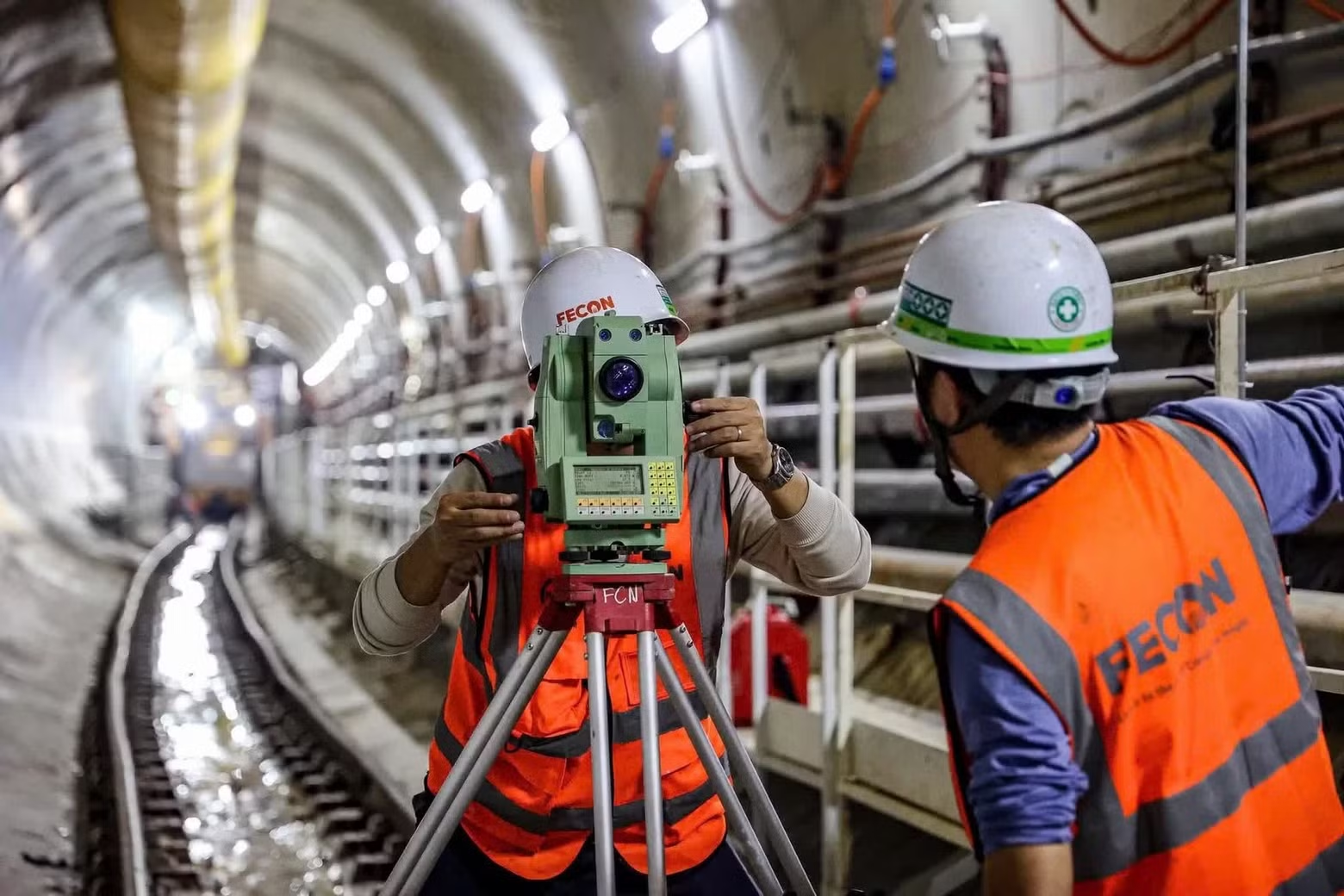
Experienced enterprises leading the development of an ecosystem
The growing maturity of contractors through the first projects has also laid the groundwork for a domestic railway industry ecosystem that is gradually taking shape. This includes design consultancies, construction contractors, mechanical engineering and manufacturing companies, suppliers of materials and equipment, and financial institutions.
Within this ecosystem, enterprises with accumulated hands-on experience can become core players in forming strong consortia capable of managing engineering, procurement, and construction (EPC) while maximising the mobilisation of domestic and international resources.
Through the first metro projects, many Vietnamese infrastructure enterprises have participated at different points in the supply chain. Thang Long Corporation was involved in the Cat Linh–Ha Dong line in Ha Noi. On Ho Chi Minh City’s Metro Line 1, Construction Corporation No. 1 Joint Stock Company (CC1) built the underground Opera House and Ba Son stations. On Ha Noi’s Metro Line 3, the VNCN Engineering Construction and Investment Joint Stock Corporation (VNCN E&C) took part in constructing tunnels, underground stations, and emergency escape shafts.
In manufacturing, AMACCAO Group produced segmental tunnel lining panels for Ha Noi’s Metro Line 3, while Beton 6 manufactured segments for the Ben Thanh–Suoi Tien line using technology transferred from Japan. Rather than relying on international contractors, domestic enterprises are determined to strengthen their position and take the lead, while bringing in international experts through short-term, project-based contracts when necessary.
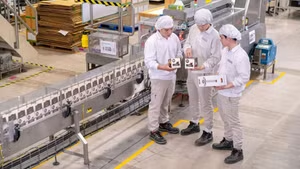
At FECON, preparations for metro projects have been under way since 2012, with a focus on building a highly specialised ecosystem. The company has now developed the capacity to carry out most of the construction-related work under Component C of the EPC model.
Within the group, FECON Group oversees technical control and overall project management; FECON Raito Underground Works Company specialises in ground improvement and underground construction; FECON Piling and Construction Company and FECON South undertake diaphragm wall, foundation, and station works; FECON Infrastructure Construction Company handles viaduct construction and the production of precast concrete components; and the FECON Underground Works Institute is responsible for surveys, monitoring, and risk control.
In addition, FECON Equipment Company invests in, manages, and operates specialised machinery and equipment, including TBM systems, helping FECON maintain control over resources and construction organisation across projects. This structure enables the group to integrate multiple capabilities within a single system rather than relying entirely on external resources.
Recently, FECON and the Ha Noi Metropolitan Railway Management Board were assigned by the Ha Noi Department of Science and Technology to carry out a scientific research project on recycling slurry generated during TBM boring. The project aims to comprehensively address environmental issues associated with underground boring projects in the city. It is expected to be completed by the end of 2027, with commercialisation scheduled to begin in 2028.
Following the completion of work on Ho Chi Minh City’s Metro Line 1 and Ha Noi’s Metro Line 3, FECON has continued to win confidence as a contractor for Ha Noi’s Metro Line 5, from Van Cao to Hoa Lac. Its first contract for underground construction was signed in the first quarter of 2026, worth approximately 3 trillion VND. The scope covers all underground works, including TBM tunnel excavation, ground and foundation treatment, the supply and installation of tunnel linings, waterproofing, monitoring and risk control, and the management of TBM excavation operations.
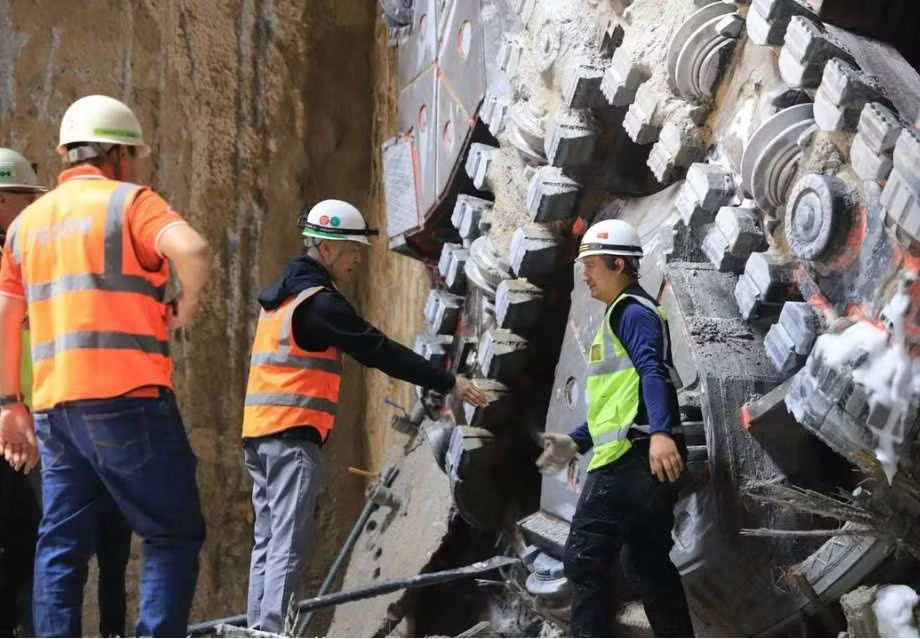
Looking at these three projects, a relatively clear development path emerges. Ho Chi Minh City’s Metro Line 1 provided FECON with an opportunity to acquire underground construction technology; Ha Noi’s Metro Line 3 helped consolidate its capacity to undertake work directly; and from Metro Line 5, Van Cao–Hoa Lac, onwards, the company has greater opportunities to take on broader scopes of work and asserts that it is fully capable of leading the construction component of metro projects under the EPC model.
This marks a shift from carrying out individual work items to undertaking highly integrated packages that demand stronger overall management and interface coordination capabilities.
From enterprise capabilities to industry-wide capacity
Experience shows that a modern railway line cannot be built by a single enterprise. Behind every project lies an entire supply-chain ecosystem covering project design, securing approval for total investment, and arranging financing, site clearance, construction, the manufacture of concrete components and steel structures, the supply of equipment and rolling stock, as well as electromechanical systems, signalling and control systems, and train operations once the line is completed.
The industry can therefore build its capacity only when enterprises with specialised expertise in different areas can connect with one another and participate directly in each project’s value chain.
Behind every project lies an entire supply-chain ecosystem covering project design, securing approval for total investment and arranging financing, site clearance, construction, the manufacture of concrete components and steel structures, the supply of equipment and rolling stock, as well as electromechanical systems, signalling and control systems, and train operations once the line is completed.
In July 2025, FECON and a major foreign conglomerate signed a strategic cooperation agreement covering railway and energy construction in the Vietnamese market. This partner could become an important part of the ecosystem alongside Vietnamese enterprises, helping fill gaps in financing, design consultancy, control technology, rolling stock, and overall management throughout investment preparation, construction, and the transfer of operations after project completion.
Many other infrastructure enterprises are also preparing resources for this emerging project sector. However, to realise the goal of Vietnamese enterprises taking the lead in metro construction, the State, the Government, and local authorities need appropriate policies and mechanisms for contractor selection, together with clear policies on technology transfer and localisation.
At the same time, domestic enterprises should be entrusted with a leading role and encouraged to work with domestic and foreign partners to organise project implementation. Vietnamese enterprises should head contractor consortia for urban and national railway projects, while foreign companies could participate as consortium members or subcontractors. This would give domestic enterprises a stronger incentive to invest in development and build sustainable businesses.