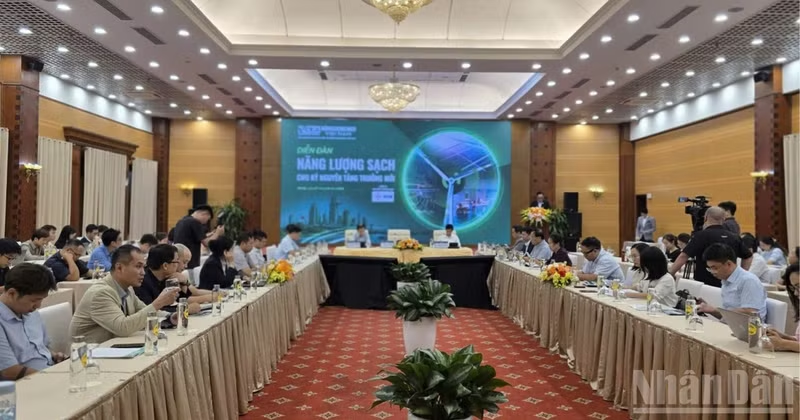
A forum on “Clean energy for a new era of growth” washeld by Viet Nam Clean Energy Magazine in Ha Noi on October 27; it focused on key issues in the energy transition, ranging from clean hydrogen and nuclear power to battery energy storage systems (BESS). Discussions highlighted that the challenge lies not only in expanding clean electricity generation but also in ensuring a stable supply at reasonable costs while meeting the economy’s emission reduction requirements.
According to a report presented at the forum, Viet Nam’s electricity sales grew by an annual average of 7.6% between 2016 and 2025, while peak power demand increased by 6.9% per year. By 2025, electricity sales had reached approximately 288 billion kWh, with peak demand standing at around 54 GW.
As Viet Nam pursues ambitious economic growth targets, energy demand is forecast to continue to rise sharply. Alongside industrialisation and modernisation, the expansion of data centres, artificial intelligence, and electrified transport is placing additional pressure on the electricity supply system.
Meanwhile, increasingly stringent emission reduction requirements and environmental standards in international markets are directly affecting the competitiveness of export businesses.
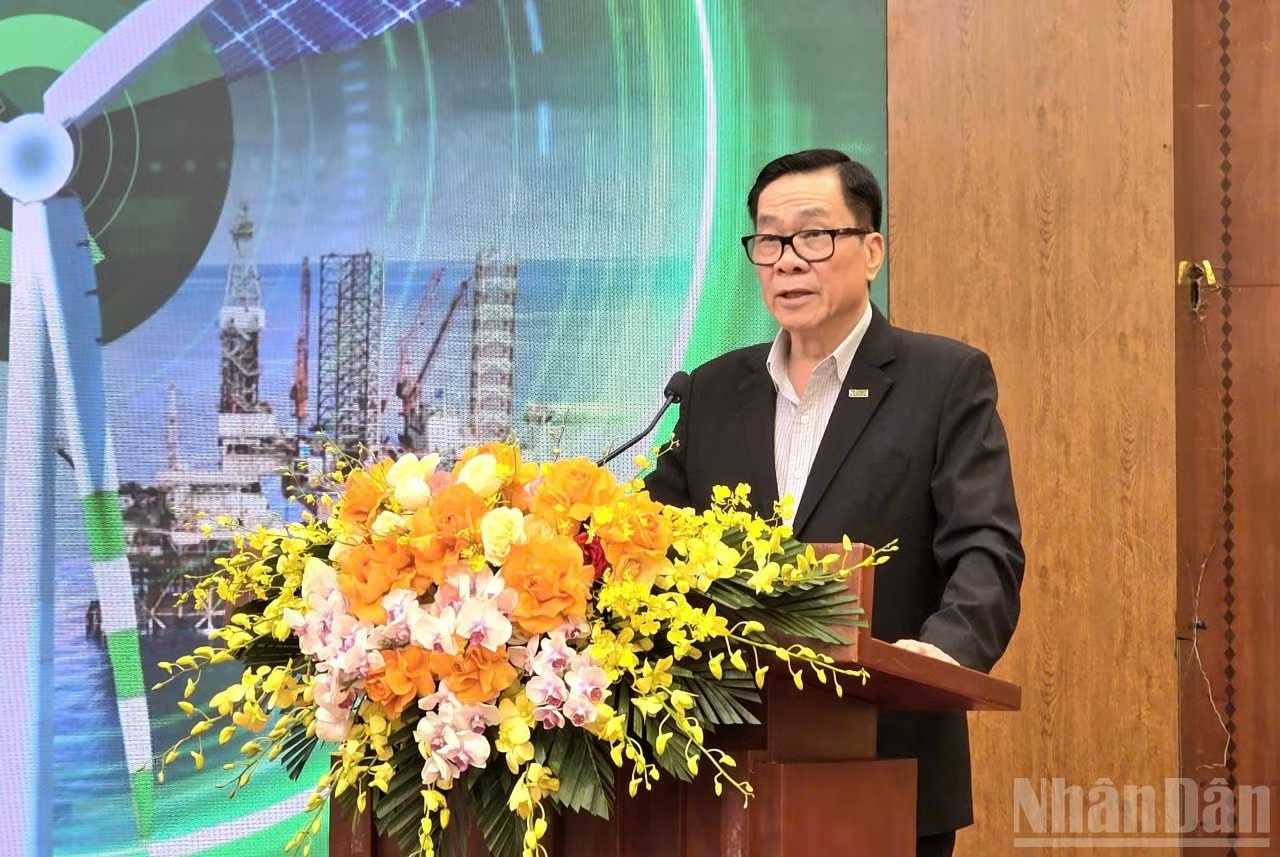
Viet Nam’s energy transition has undergone significant changes, with solar and wind power playing an increasingly prominent role in the electricity generation mix. However, coal-fired power still accounts for more than 30%, while the electricity system faces challenges in transmission, dispatch, and balancing supply and demand as the share of renewable energy increases.
Dr Mai Duy Thien, Editor-in-Chief of Viet Nam Clean Energy Magazine, said clean energy development should be integrated into a new growth ecosystem that connects policies, transmission infrastructure, storage technologies, financial markets, and businesses’ energy needs.
Accordingly, adjustments to energy planning should take into account the expansion of renewable power generation, the development of clean baseload power sources, and greater system flexibility. Pumped-storage hydropower, battery storage, flexible power generation sources, and fuel-switching solutions have been identified as areas requiring further research and appropriate implementation.
One of the key issues highlighted at the forum was the gap between the capacity to generate clean electricity and the ability to utilise it efficiently. Nguyen Van Thien, Deputy General Director of GG Industry Joint Stock Company (GG Power), said the challenge of the energy transition was not simply to produce clean electricity but to deliver it at the right time and place while ensuring the required power quality.
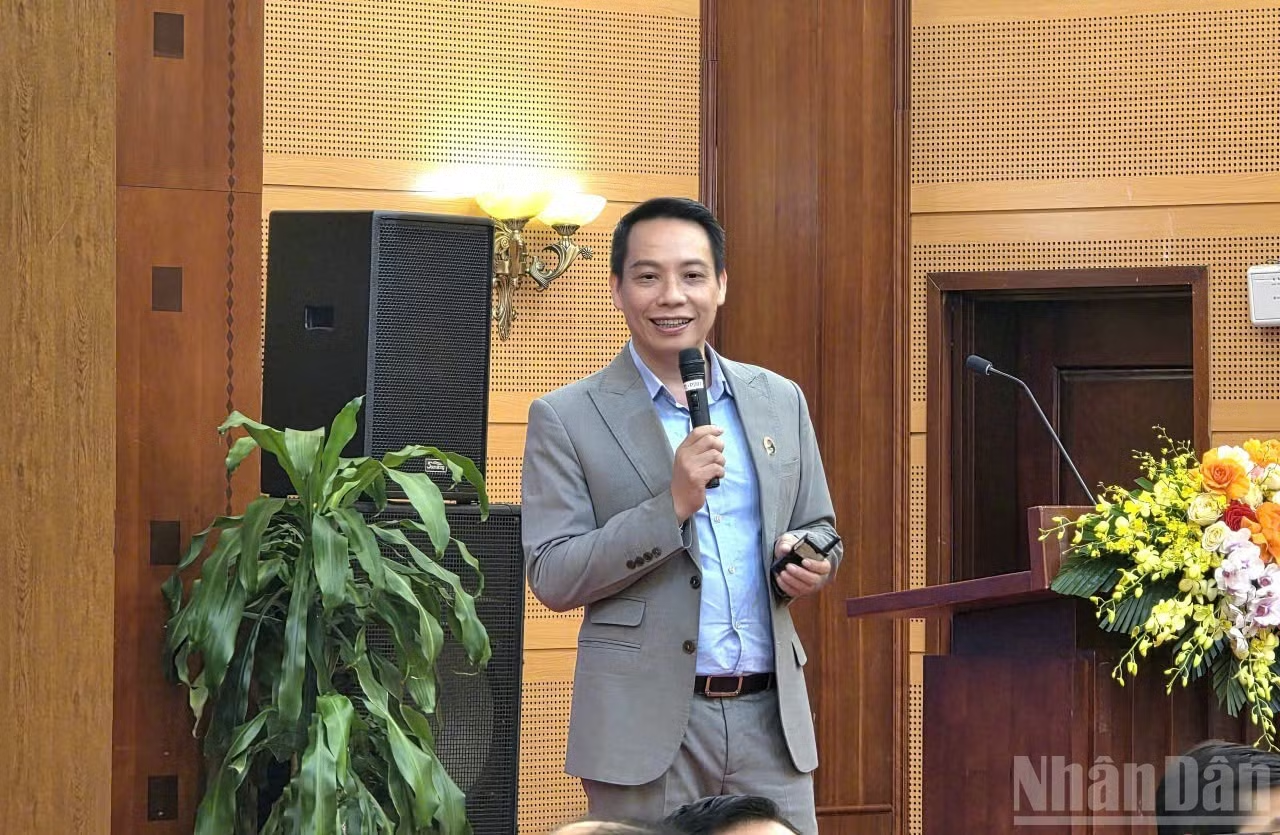
Battery energy storage systems can help address this challenge by storing electricity during off-peak hours and releasing it during peak periods, supporting frequency and voltage regulation while easing localised grid congestion. This is particularly important as solar power generation peaks during the day, while electricity demand may reach its highest level in the evening.
However, according to the GG Power representative, BESS deployment continues to face obstacles relating to revenue mechanisms, storage service pricing, investment capital, technical standards, and fire prevention and safety requirements. It is therefore necessary to promptly perfectpayment mechanisms, improve access to green credit, strengthen equipment quality inspections, and encourage greater participation by domestic businesses in the supply chain.
In addition to electricity storage, clean hydrogen is seen as a promising option for industrial and transport applications. Assoc Prof, Dr Pham Hoang Luong, Vice President of the Viet Nam Clean Energy Association, said Viet Nam’s hydrogen market currently stands at approximately 500,000 tonnes per year, although all hydrogen is still produced from fossil fuels. Production and consumption largely take place within individual factories, while storage, transport,and distribution infrastructure remains virtually undeveloped.
He noted that clean hydrogen could become an important input for fertiliser production and metallurgy, while opening opportunities to develop alternative fuels for road transport and shipping. However, green hydrogen currently costs 2.5 to 4.5 times as much as conventional hydrogen, while offtake mechanisms, legal frameworks, certification standards, and transport infrastructure remain incomplete. Priority should therefore be given to planning storage and transport infrastructure, establishing support mechanisms for pioneering projects, and developing a sufficiently stable market to attract investment.
Alongside renewable energy and hydrogen, nuclear power was discussed as a potential source of clean and reliable baseload electricity. Dr Tran Chi Thanh, Director of the Viet Nam Atomic Energy Institute under the Ministry of Science and Technology, emphasised the role of nuclear power in ensuring energy security and achieving the country's net-zero emissions target by 2050. He also highlighted growing research into small modular reactors (SMRs), a technology expected to offer greater deployment flexibility and a stable electricity supply for large consumers such as data centres.
However, nuclear power development requires extensive technical preparation, the completion of site documentation, safety assessments, the selection of technology transfer partners and the training of highly qualified personnel. According to Dr Tran Chi Thanh, Viet Nam needs a dedicated implementation mechanism, a strategy to develop domestic capabilities in the nuclear mechanical engineering industry and a long-term human resources training programme.
Discussions at the forum made clear that the energy transition cannot rely solely on increasing renewable power generation capacity. The challenge is to develop power sources, transmission grids, storage systems, emerging technologies, and financing mechanisms in a coordinated manner, while ensuring that energy remains affordable for the economy. When these elements are effectively integrated, clean energy will not only help meet growing electricity demand but also lay the foundations for green transformation, strengthen business competitiveness, and create greater scope for Viet Nam’s sustainable growth.