At the close, selling pressure dominated, pulling the MXV-Index down sharply by 2.88% to 2,717 points – the lowest level since the beginning of March.
Oil prices lose the 100 USD/barrel mark as geopolitical risks ease
A sea of red covered the entire energy market in the first session of the week as concerns over supply disruptions in the Middle East unexpectedly weakened.
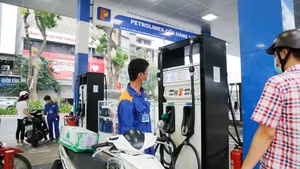
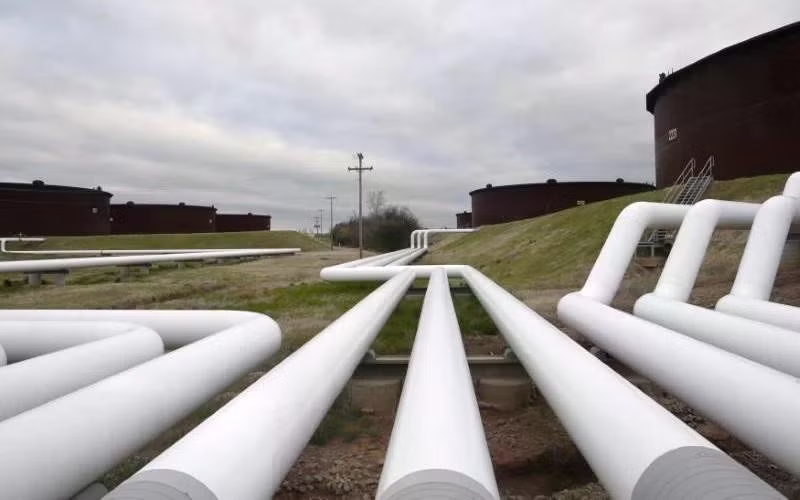
At the end of the session, Brent crude oil prices dropped sharply by 10.9% to 99.94 USD/barrel - officially losing the psychological threshold of 100 USD/barrel. WTI crude oil prices also fell nearly 10.3% to 88.13 USD/barrel – the lowest level in nearly two weeks. Selling pressure was not limited to crude oil but also spread to refined products, with RBOB gasoline and low-sulphur oil simultaneously declining by 5-10%.
According to the Viet Nam Commodity Exchange (MXV), the sharp decline in crude oil stemmed from expectations that tensions in the Middle East could ease following positive signals regarding the possibility of resuming dialogue between the parties. This information quickly alleviated concerns over supply disruption risks, which had previously driven oil prices sharply higher last week.
However, the market remained cautious as information has not been entirely consistent. Some sources from Iran denied the existence of direct negotiations, while the risk of escalation still persists through military warnings in the region.
In that context, the Strait of Hormuz continues to be the focus of market attention, as it is a route transporting about 20% of global crude oil supply. Any changes related to security in this area could have a strong impact on energy prices.
Experts believe the market is entering a sensitive phase, where oil prices react quickly to each geopolitical signal. In the short term, volatility is likely to remain high as capital flows continuously adjust expectations based on new information.
Metals market recovers, copper leads capital flows
In contrast to the energy market, the metals group recorded a positive recovery in the first session of the week, with copper becoming the focal point.
COMEX copper prices for May delivery rose by 1.82% to 12,064 USD/tonne, ending a streak of four consecutive declining sessions; LME copper prices also increased nearly 2% to 12,167 USD/tonne. This development shows that market sentiment has improved significantly after a period of strong correction.
MXV stated that the recovery of copper in the previous session was supported by two main factors. Firstly, the relative easing of geopolitical risks encouraged capital to return to cyclical assets, including base metals.
Secondly, the weakening USD provided important support to the market. The Dollar Index fell by 0.7%, retreating below the 99-point mark, thereby making USD-denominated commodities more attractive to international investors.
In addition to macro factors, the copper market was also supported by structural risks in the supply chain. In the Democratic Republic of Congo, one of the world’s largest copper producers, production costs are under increasing pressure due to a sharp rise in sulphuric acid prices. This is an essential input in the copper refining process, narrowing producers’ profit margins and raising concerns about supply in the coming period.
Despite the recent recovery, copper prices are still under pressure from concerns about global economic growth. Since the end of February, prices have fallen nearly 8% due to weakening demand amid high financial costs and signs of slowing production activity.
High inventories along with consumption prospects that have not yet truly improved continue to restrain price gains in the short term. However, in the medium and long term, the outlook for copper is still assessed positively. Demand from electrification, renewable energy development and the expansion of technology infrastructure, especially data centres, is creating a solid foundation for the market.



![[Infographic] Viet Nam's 16 Comprehensive Strategic Partners](https://en-cdn.nhandan.vn/images/nyM650OGFWrOVWc-xajqN-rTZ68Rlmc1fiGJOhBRYHHdkBILL2hAdMw_FHcqH-128bTaQBSOAMd0_NcTypwz7H-j_NBZzuSdgF8ETMmVl1xLtdcCjym8rCUyKZqQgOZtC4ouMEzxlJoQ-MllehtjehDxIkn58uqaoaCRy4fSY54/1792513260540-1528117236743671738-1528117236743671738-9e797c256fe32c7c7b9c1cc03b0ca64e.jpg.avif)