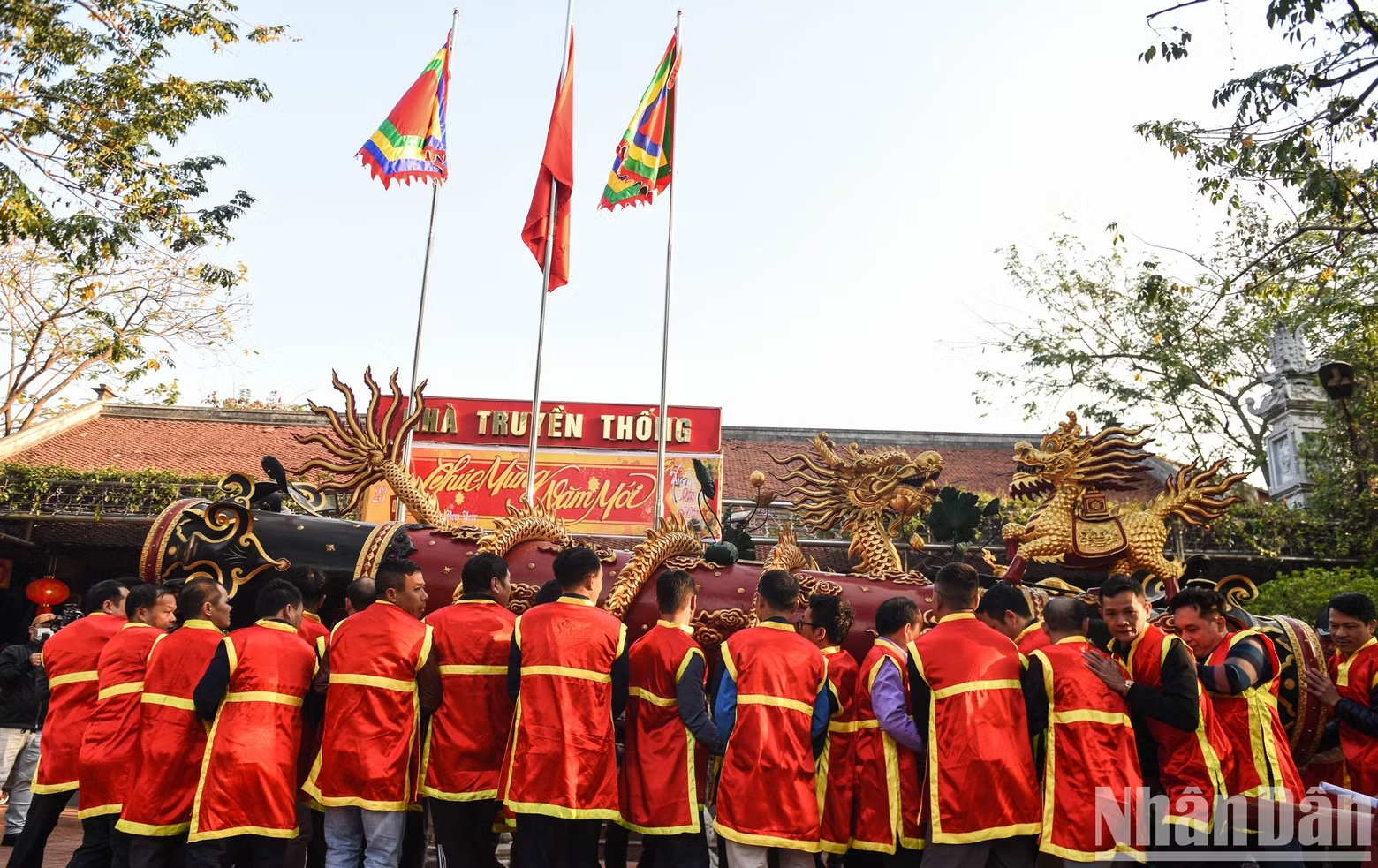
 |
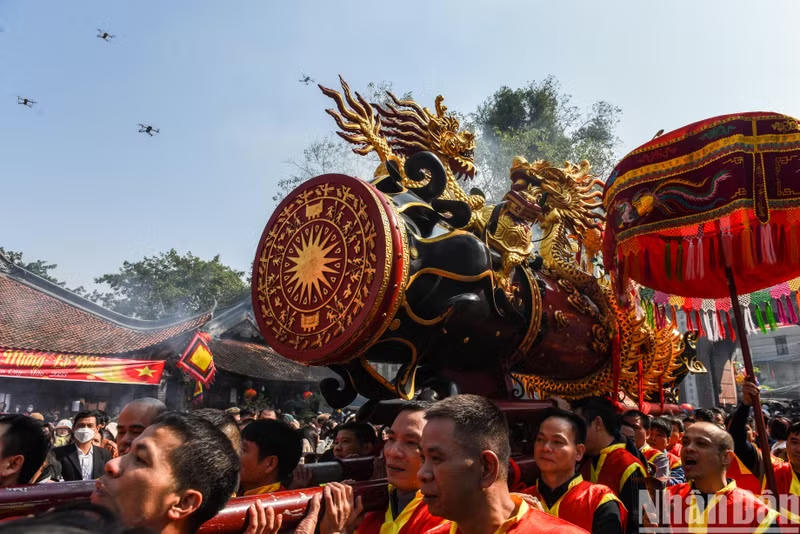
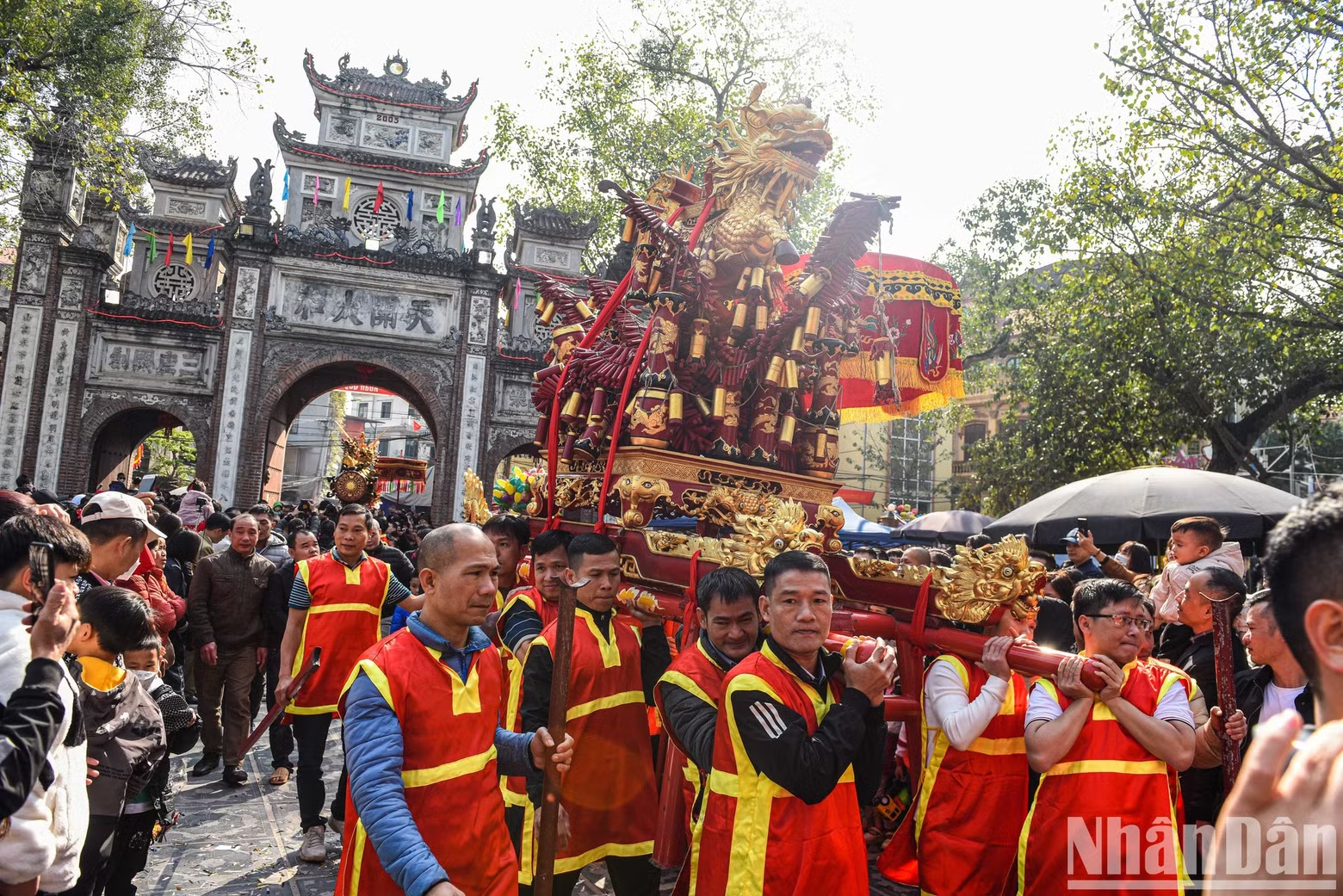
| In the procession, each cracker was alternately carried by around 30 young men from the traditional cultural house to the ground of the communal house. |
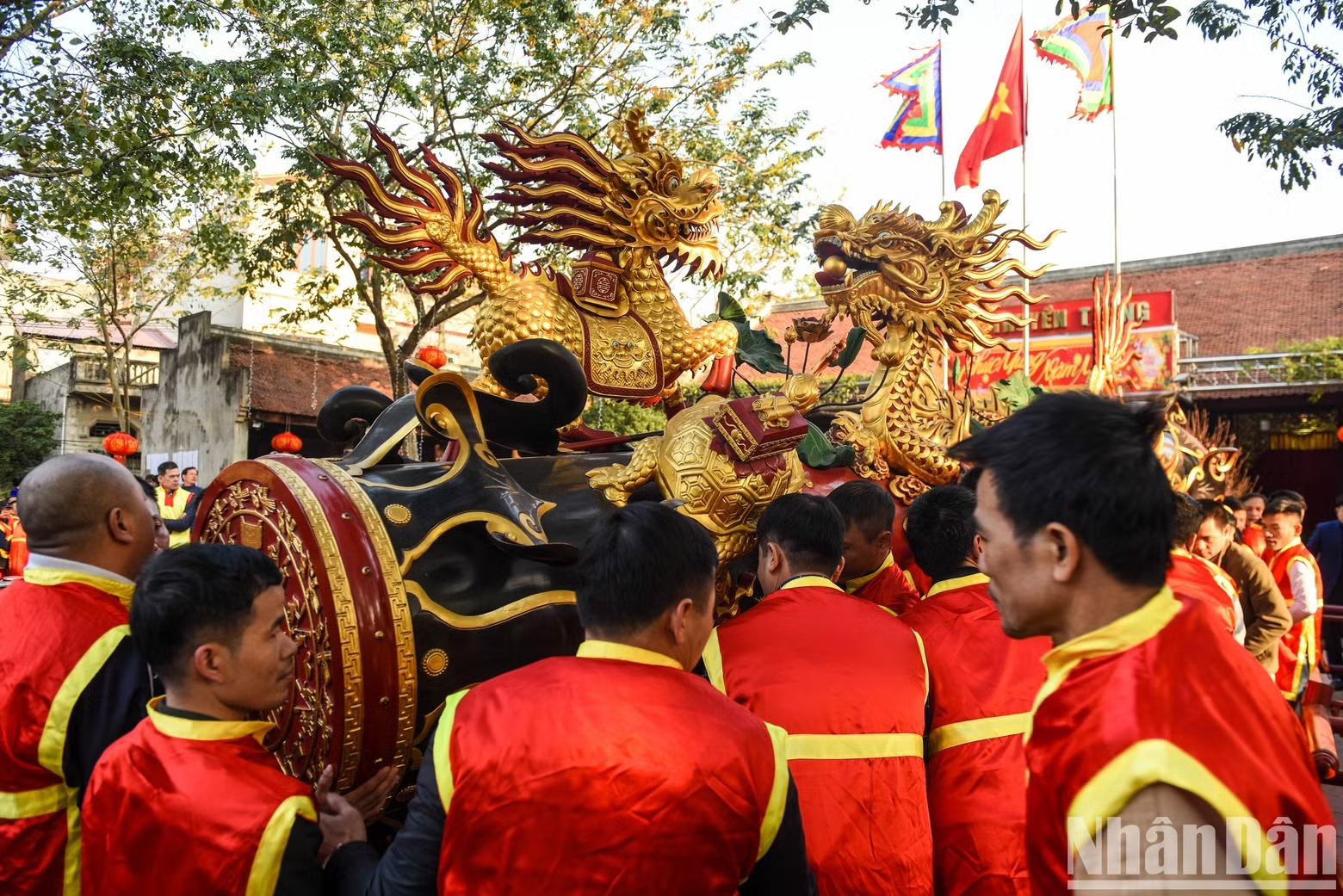 |
| The festival is associated with the myth of Saint Thien Cuong, who fought Xich Quy invaders. |
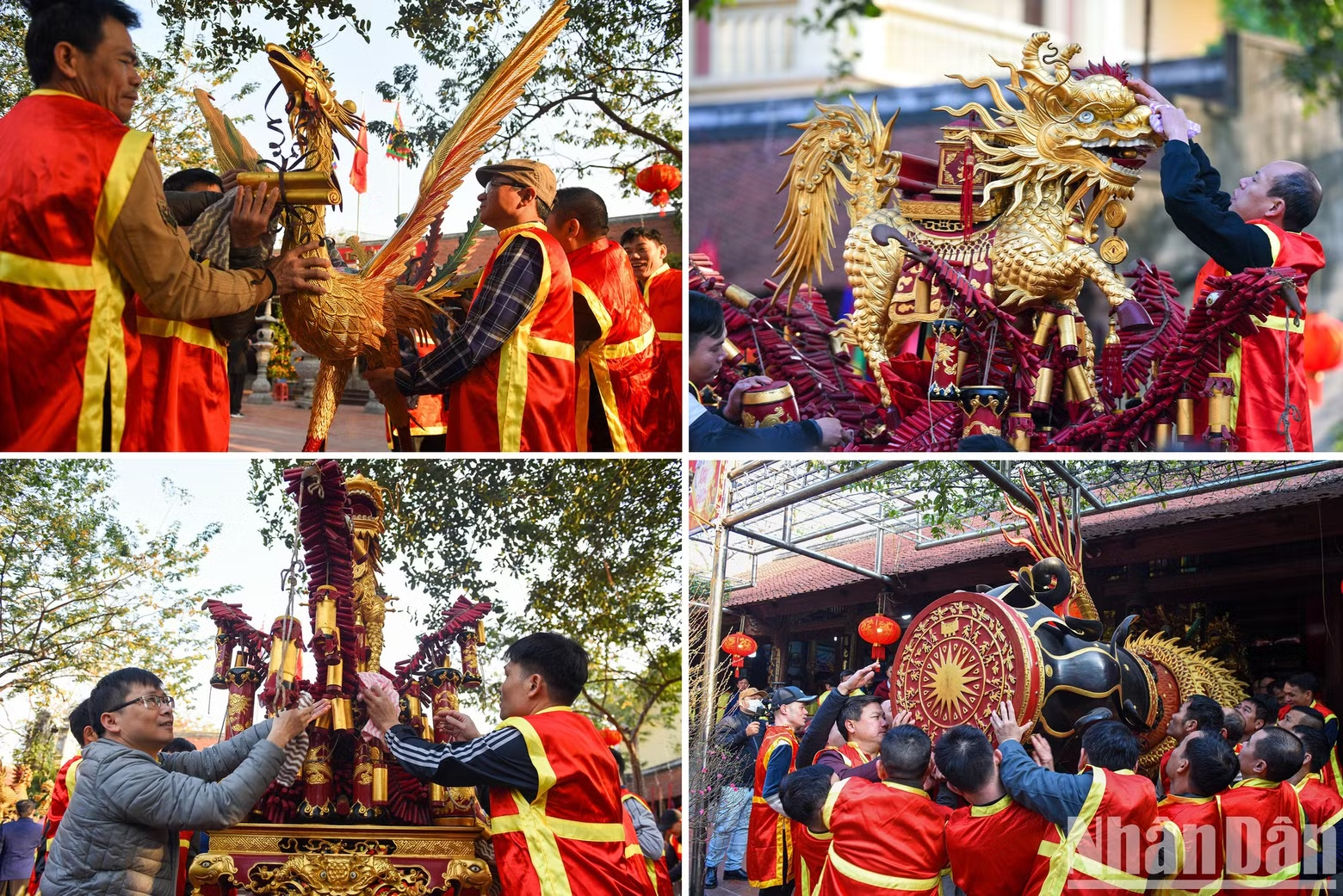 |
| It is organised annually in honour of Saint Thien Cuong’s glorious victory, who came from the Dong Ky Village. |
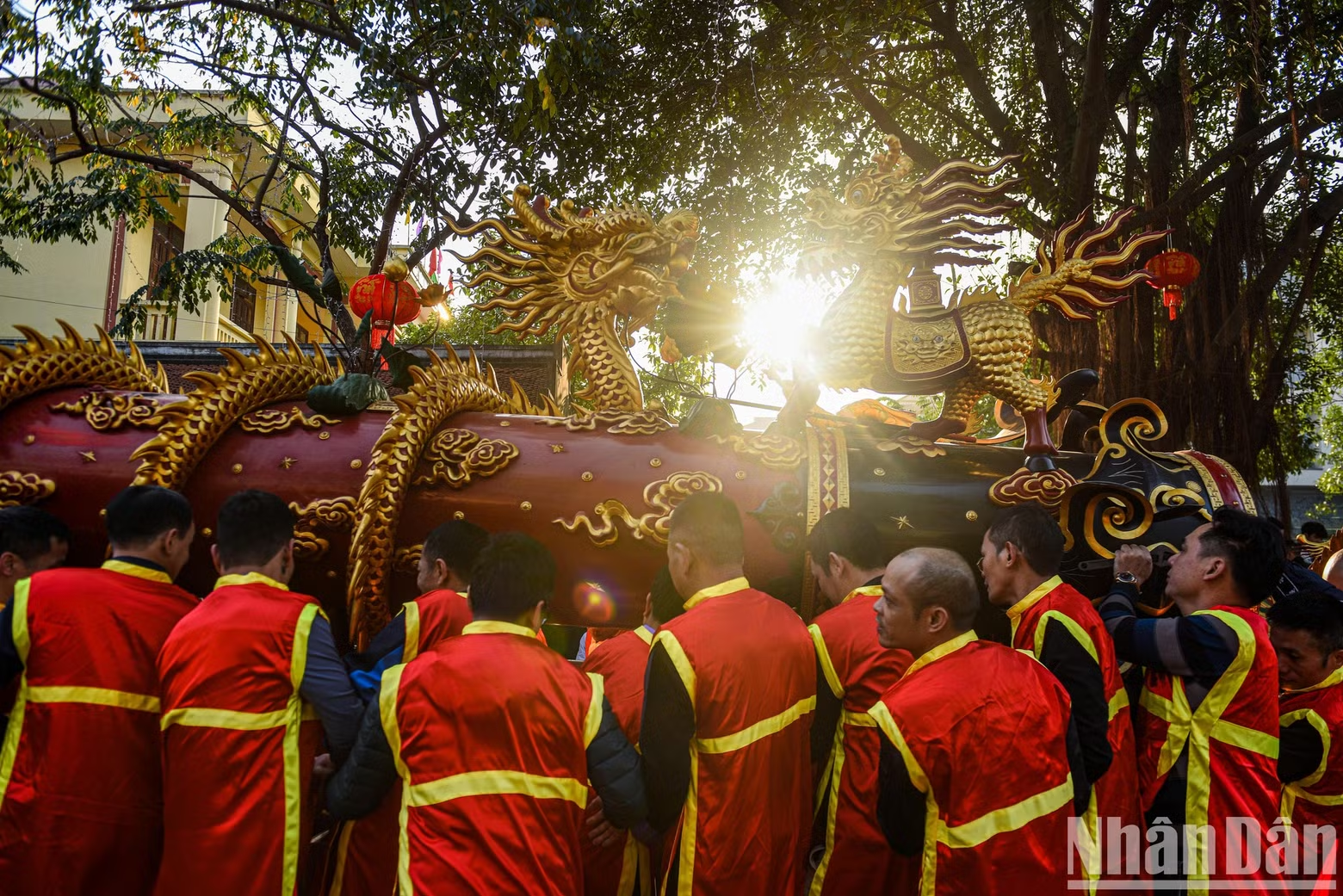 |
| The two crackers used in the procession are made of wood and painted with gold lacquer. They are six metres in length with a diameter of 0.6 metre. |
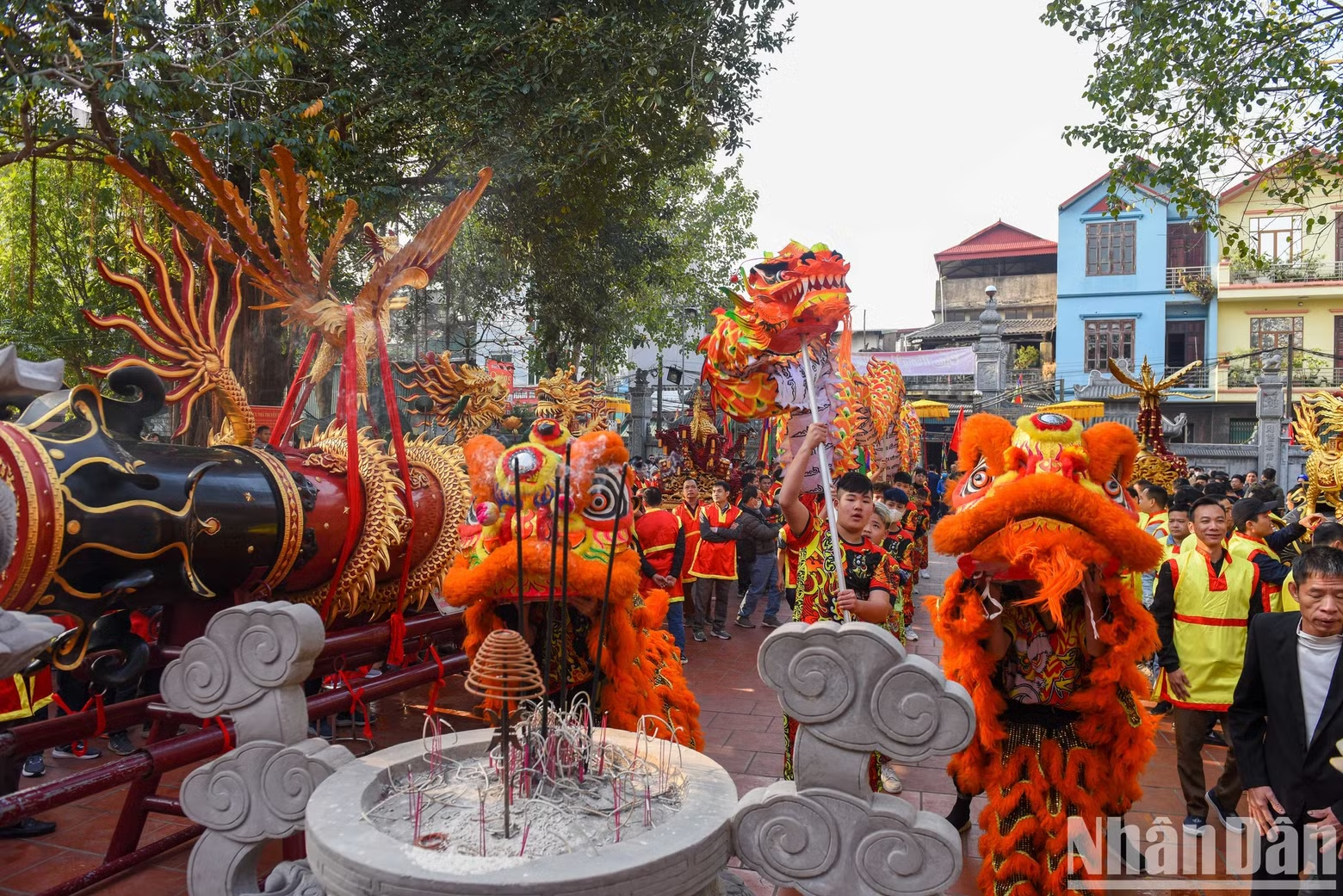 |
| The bodies of the crackers were carved with the images of a dragon, a kylin, a turtle and a phoenix, to express hope for favourable weather. |
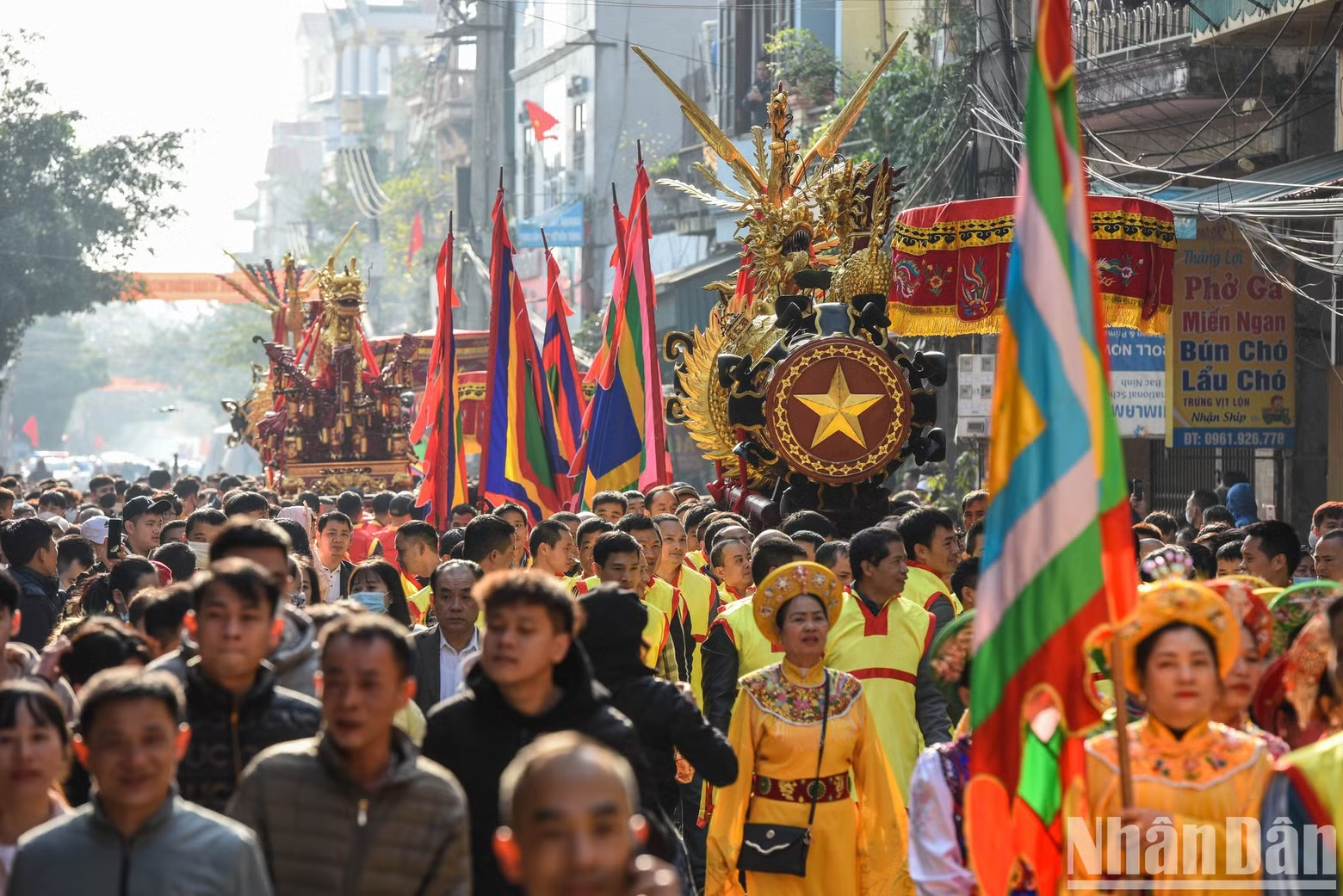 |
| Each cracker was decorated with one star-shaped end and a drum-shaped end and weighs nearly 1,000 kilograms. |
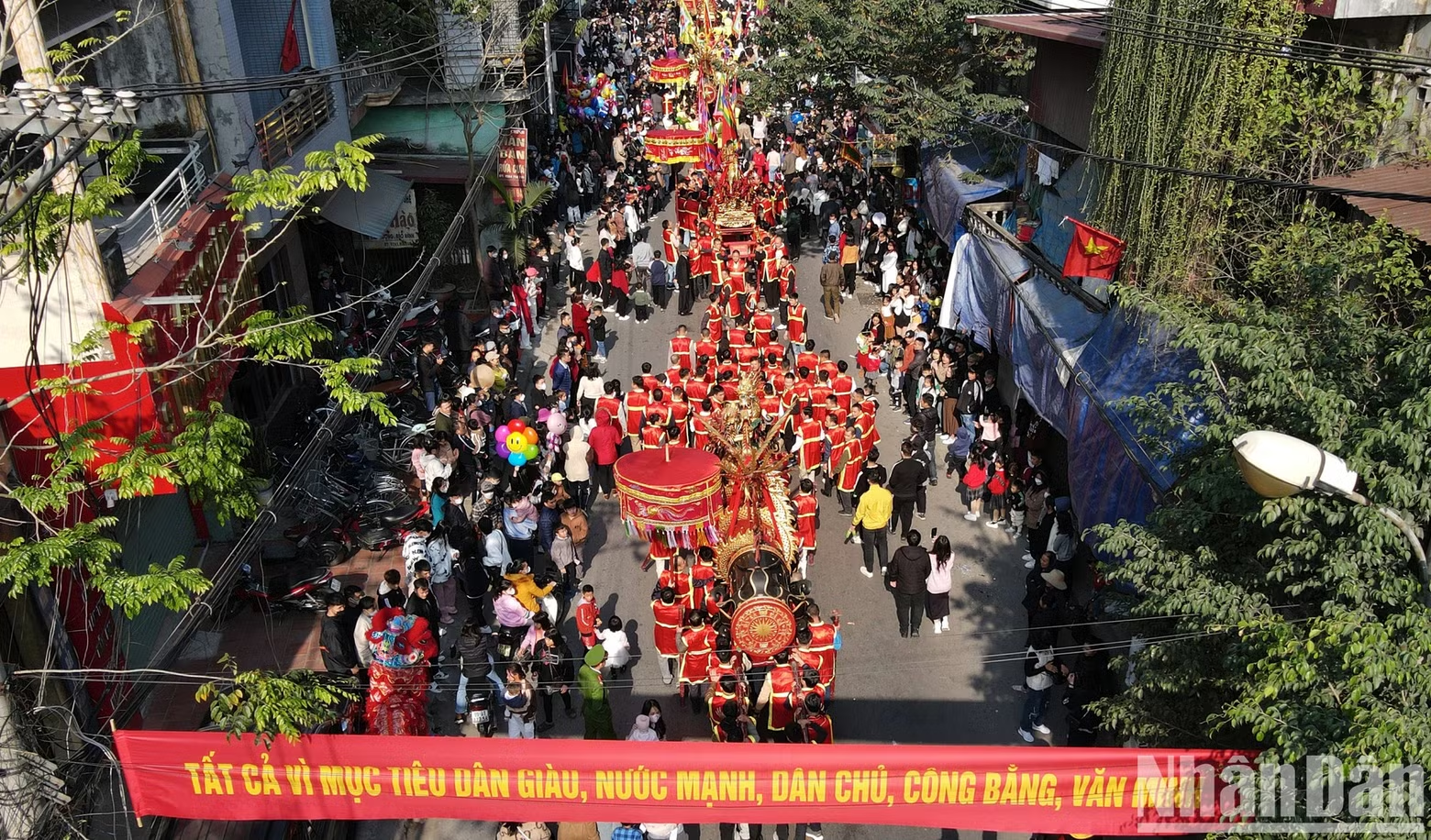 |
| It took the Dong Ky villagers two months to prepare for the procession. |
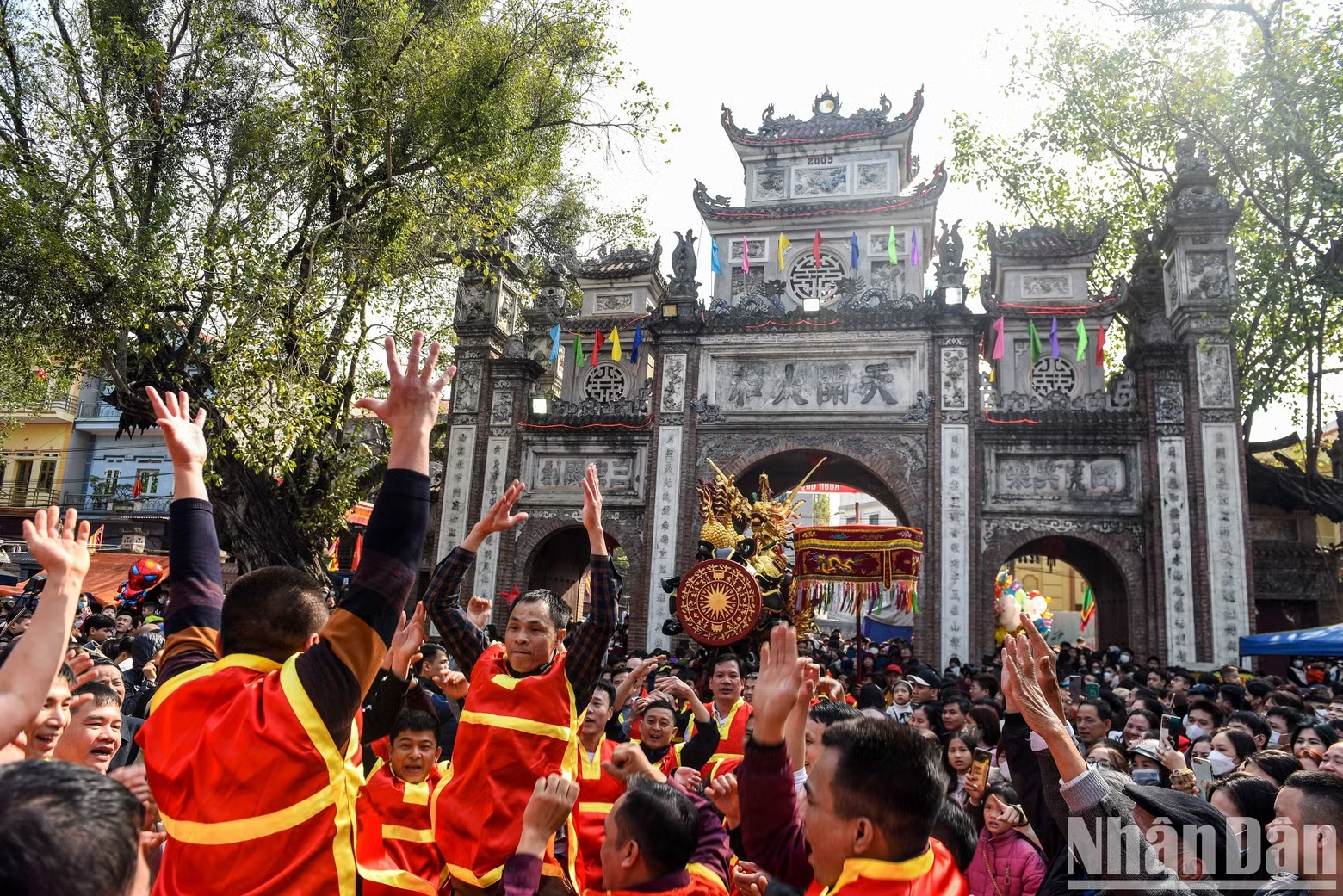 |
| The festival was recognised as one of 15 national intangible cultural heritages by the Ministry of Culture, Sports and Tourism in 2016. |
 |
| In addition to the cracker procession, the festival also features other folk games like wrestling, cock fighting, and Quan Ho love duet singing. |
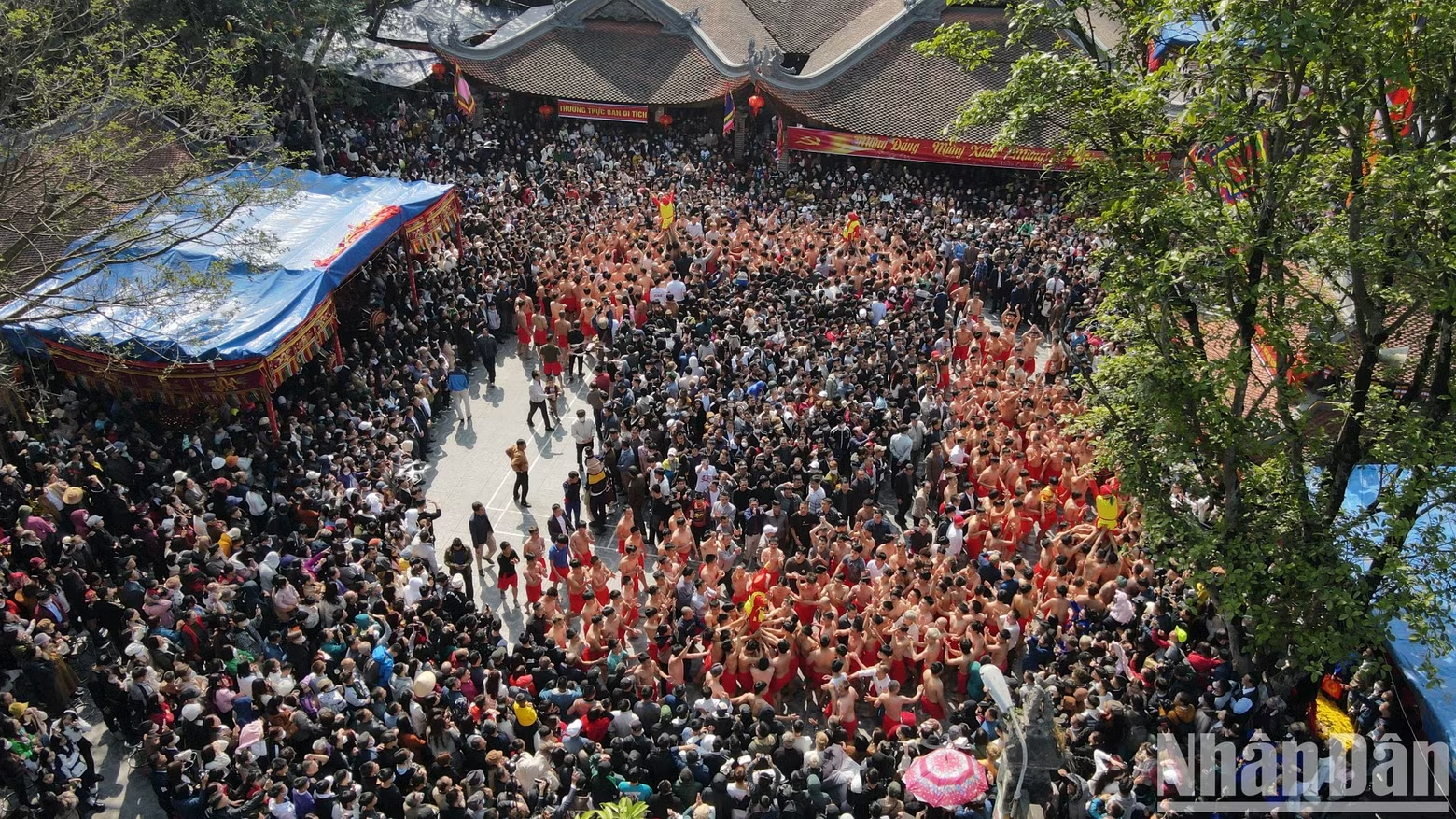 |
| An overview of the festival. |



![[In Pictures] Bridge columns and underpasses in Ha Noi begin to turn green](https://en-cdn.nhandan.vn/images/nyM650OGFWrOVWc-xajqN-rTZ68Rlmc1fiGJOhBRYHH_N-Xs0TE8Psnfce7ORTs-KVfoJaEblqjNufFrgeF3e2xFkGtLQVaXm04VcmMKBEkANUyiOkpz4zAuIKgydVrrfBxmGez0E_YJIag0u_Uil0E7jpuJXsIxeMmGjoY1-W4/1791863309074-2994714492692222878-2994714492692222878-adb9ff3f4175c70066ed8bb80cfbead9.jpg.avif)



![[Photos] Exploring historical sites around Hoan Kiem Lake using VR360 technology](https://en-cdn.nhandan.vn/images/WZKhLdbni5v7Q0li_xgwcw1P_dGqngVVWCPfogF3GziqxNgLU9ZvDhIcRN9UH1CFB_o-6N35l1N7sdHTYr3o4mkfEz7RO9qhcwg8o8LQFK8/ho-guom-nhin-tu-tren-cao.png.avif)