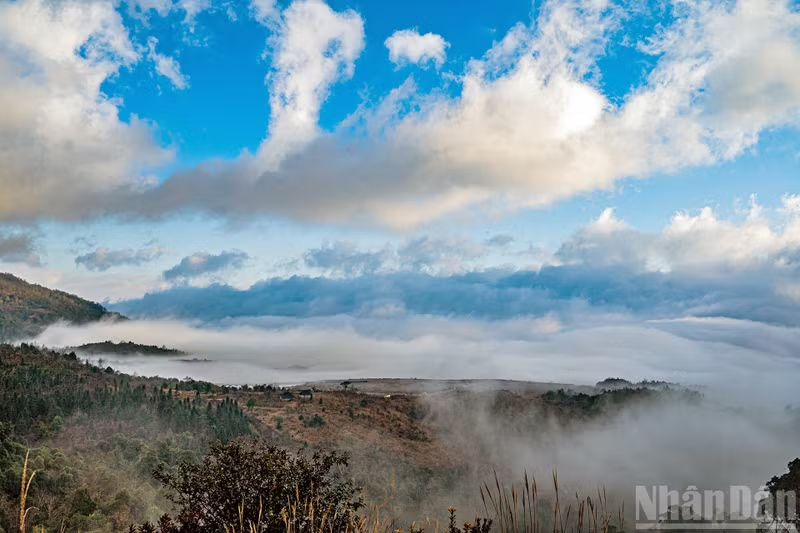
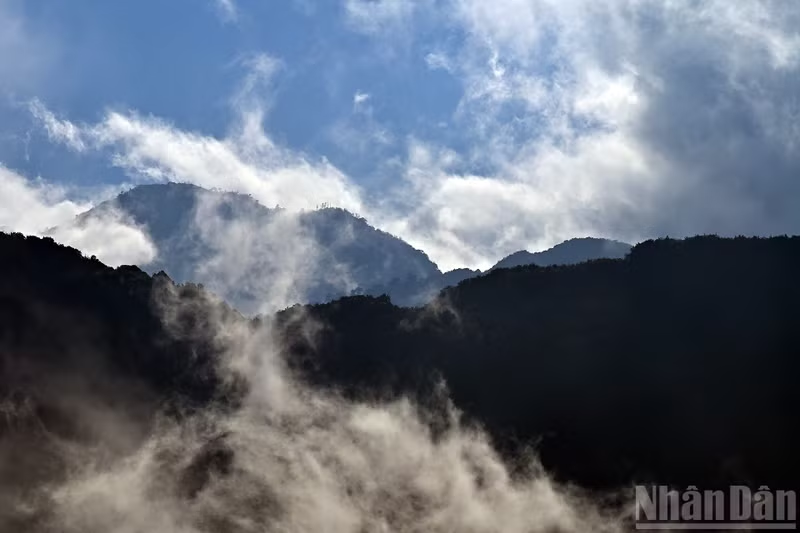
Compared with previous years, the road leading to Y Ty has become considerably less challenging. Nevertheless, sharp hairpin bends and sections currently under repair or construction continue to pose a significant test for visitors drawn to mountainous landscapes.
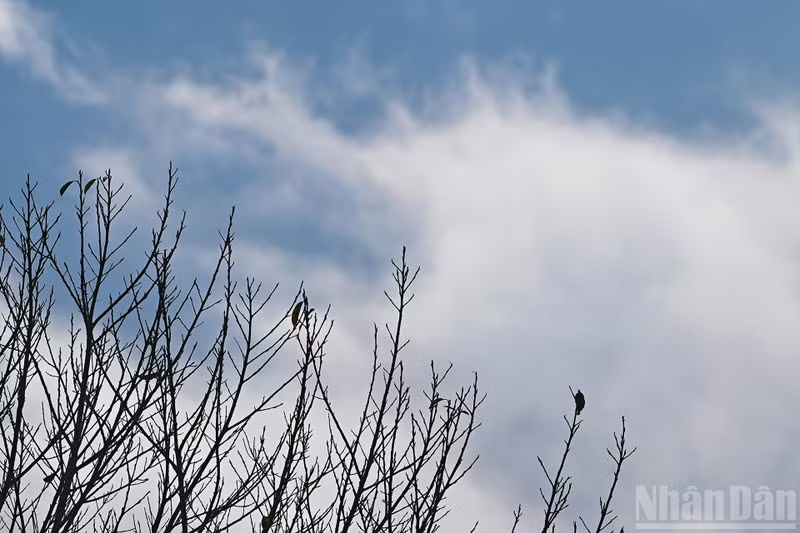
Following administrative consolidation, the boundaries of the newly expanded Y Ty Commune have been widened, opening up clearer opportunities for tourism development.
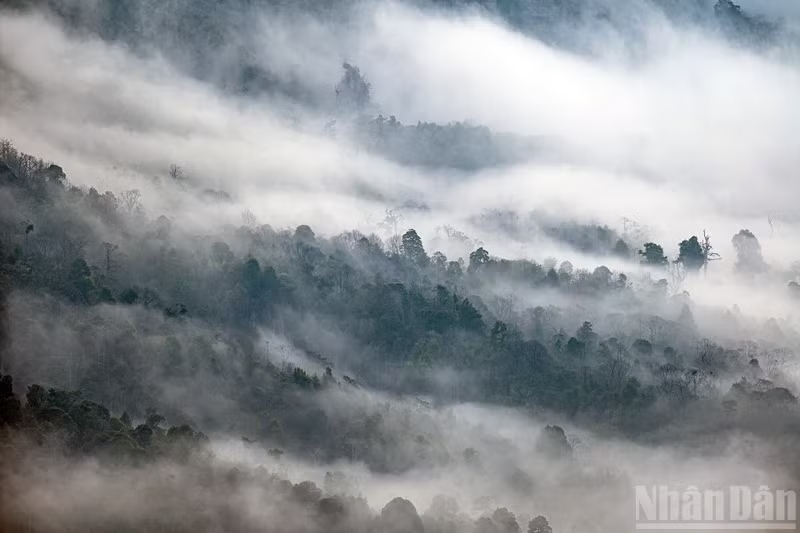
Experienced backpackers typically visit Y Ty towards the end of the year, from October to December. During this period, the sharp contrast between daytime and night-time temperatures creates favourable conditions for the formation of the sea of clouds.
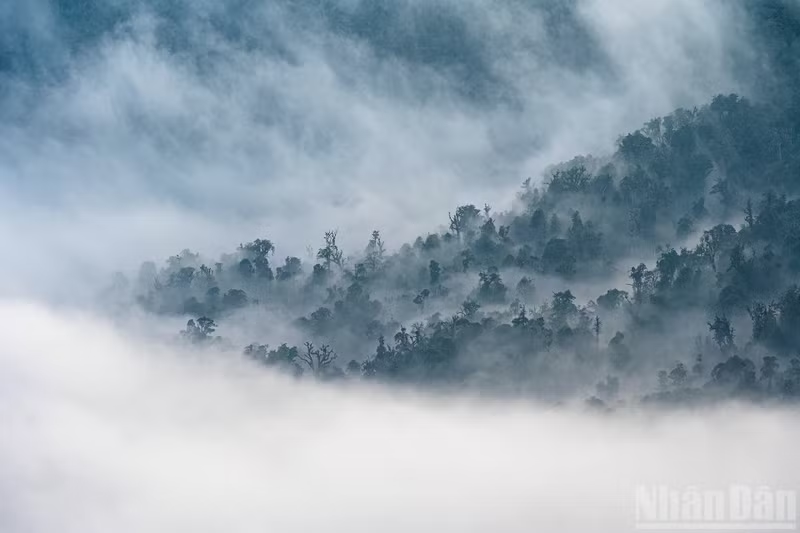
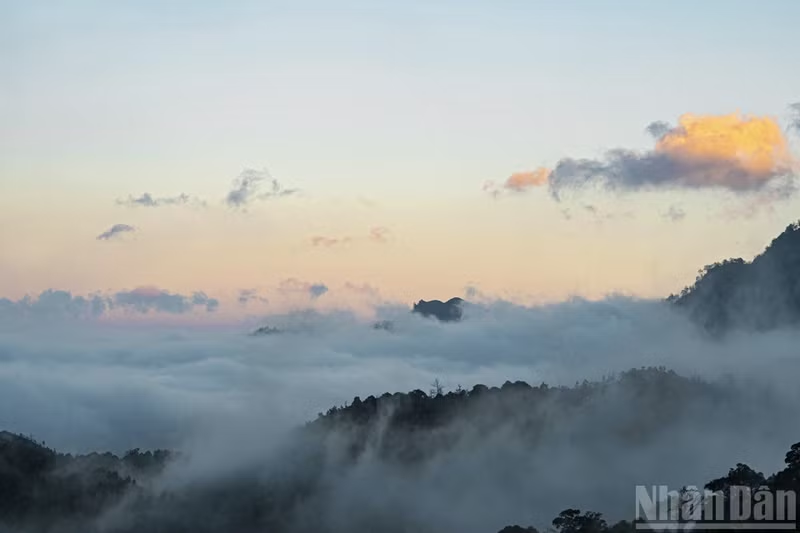
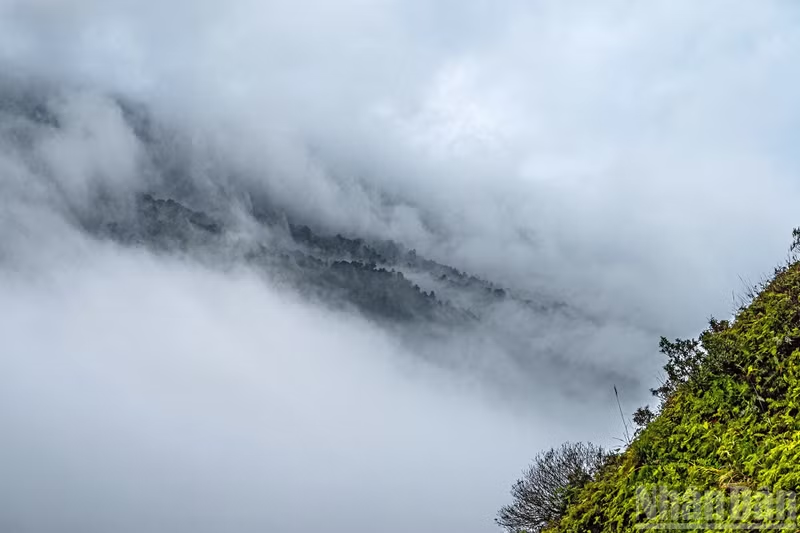
While clouds may appear throughout the day, the most striking views of clouds crawling over mountain slopes are best seen in the early morning and at sunset.
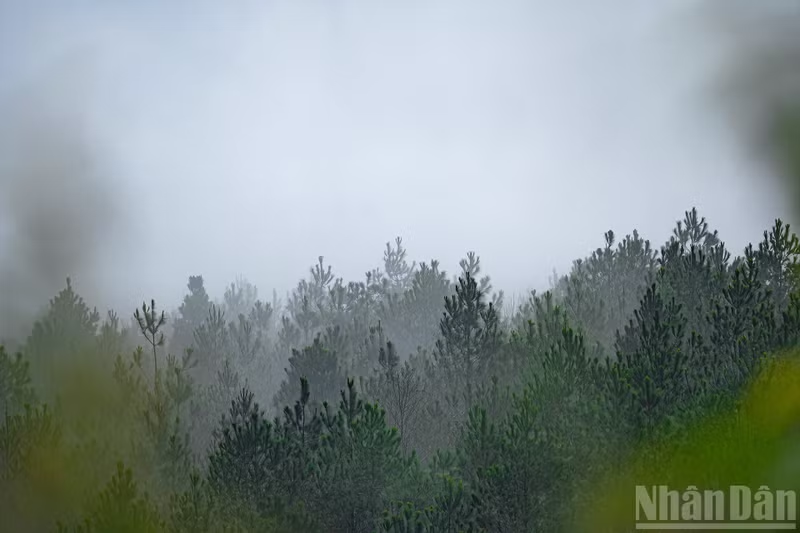
Without reaching a sufficient elevation, visibility within the sea of clouds is extremely limited. In many cases, even standing just 10 metres apart, people can barely see one another clearly.
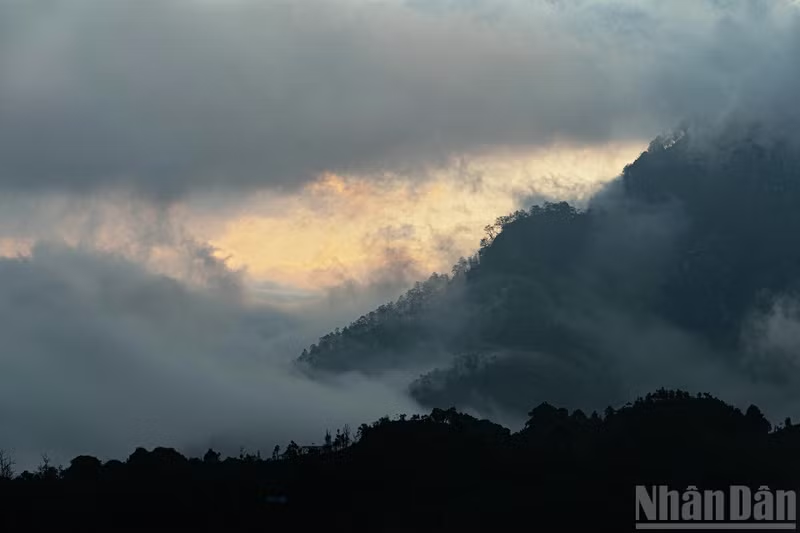
Sunrise atop Y Ty’s high mountain peaks can leave visitors utterly oblivious to time and reality. In winter, temperatures here can fall below 0°C.
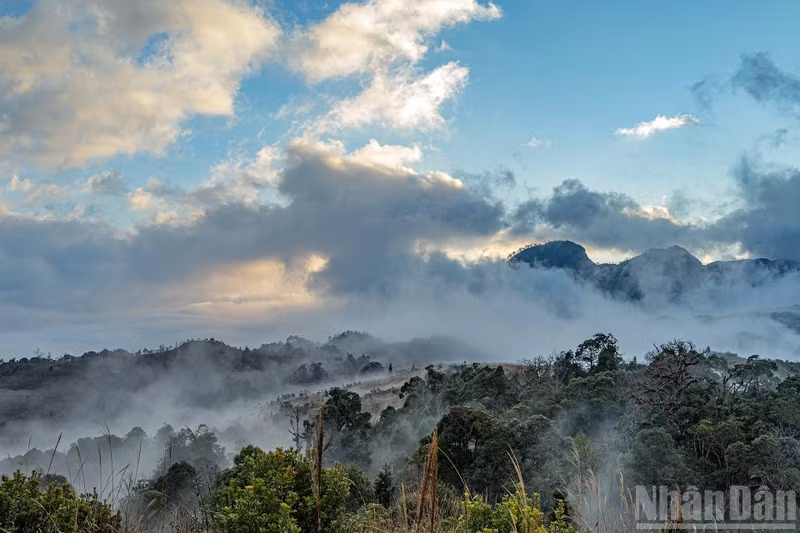
Yet those who overcome the steep mountain passes and harsh weather are rewarded with truly majestic scenery.
For this reason, the land nestled beside the Nhiu Co San mountain range is regarded as one of Lao Cai Province’s must-visit destinations.
Visitors can reach Y Ty via two routes, either from Lao Cai Ward or from Sa Pa Ward. However, the former option generally offers a more comfortable journey.
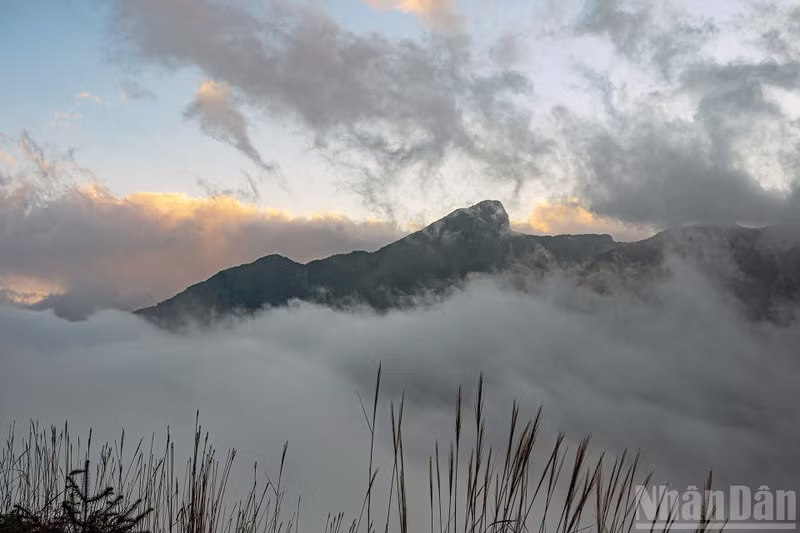
Watching the sunrise over Y Ty’s sea of clouds is an unforgettable experience. According to local residents, during winter the sun typically rises between 6:30 am and 6:45 am.
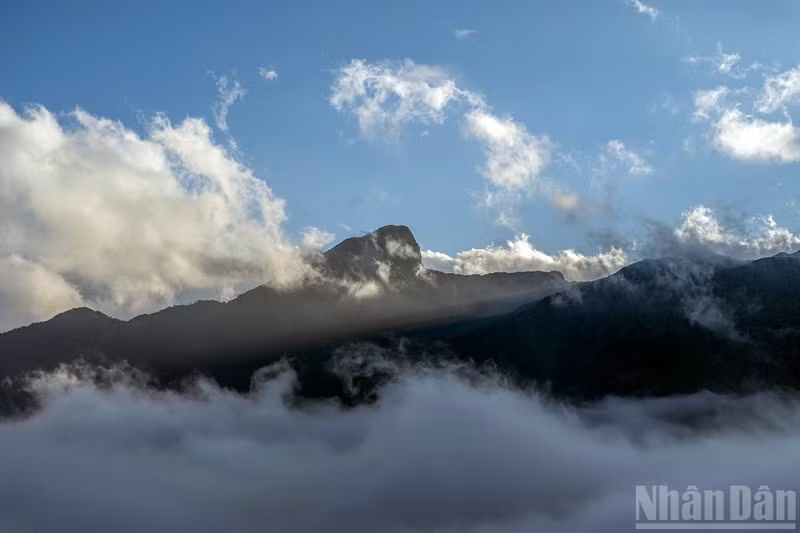
Meanwhile, sunset is at its most beautiful from around 4:30 pm to 5:00 pm. The images above show sunrise and sunset at the same location.

According to some seasoned backpackers, winter temperatures this year have not been low enough to produce widespread snow or ice, with conditions largely limited to frost at higher elevations. The image shows frost melting under sunlight on a mountain peak in Y Ty.
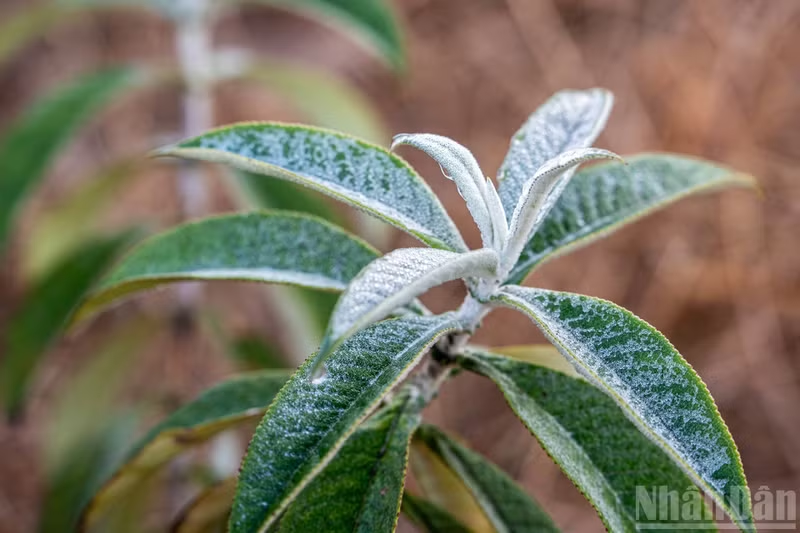
Frost formation on vegetation in Y Ty is fairly evident but short-lived, usually disappearing once the sun comes out.
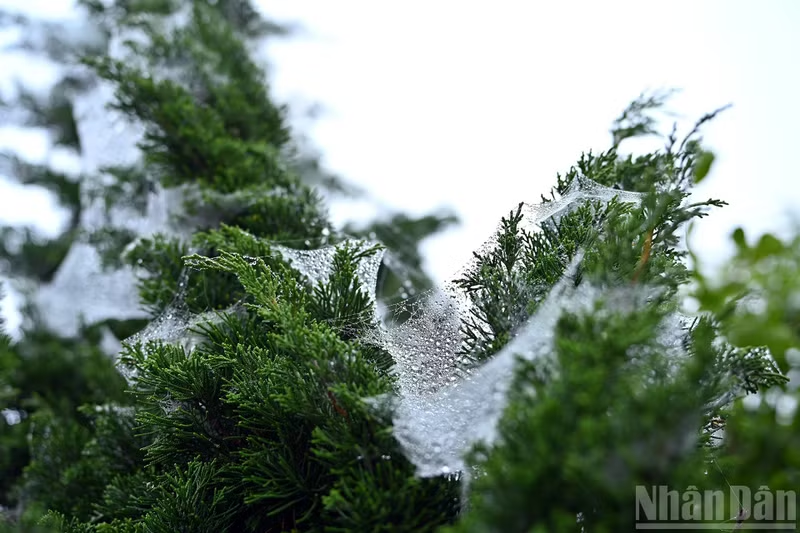
At lower elevations, the phenomenon is far less common. Even so, it is enough for visitors to capture memorable photographs for their personal collections.
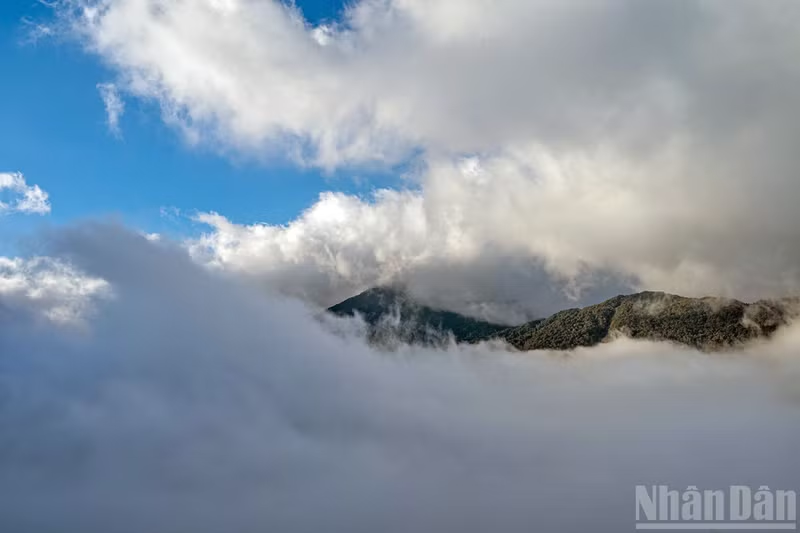
In reality, Y Ty is beautiful and captivating at any time of the year. Visitors can arrive in late August or early September to admire the golden hues of ripening rice on terraced fields. Beyond that, the enchanting seas of clouds continue to beckon until spring. Descending from the high peaks, travellers can immerse themselves in the atmosphere of traditional highland markets or explore the culinary culture of local ethnic communities.