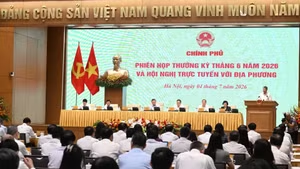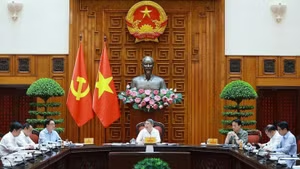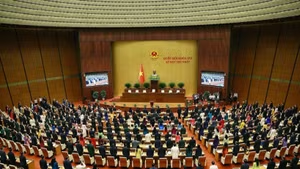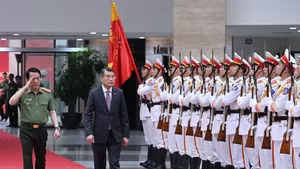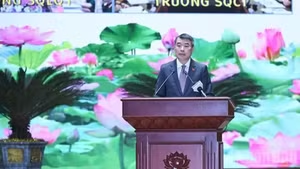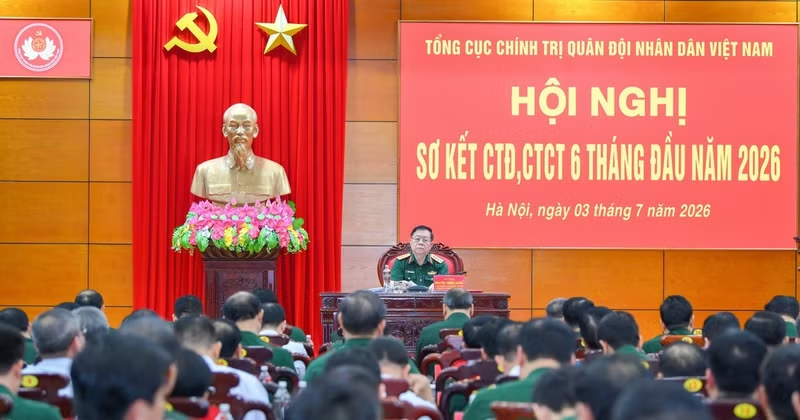
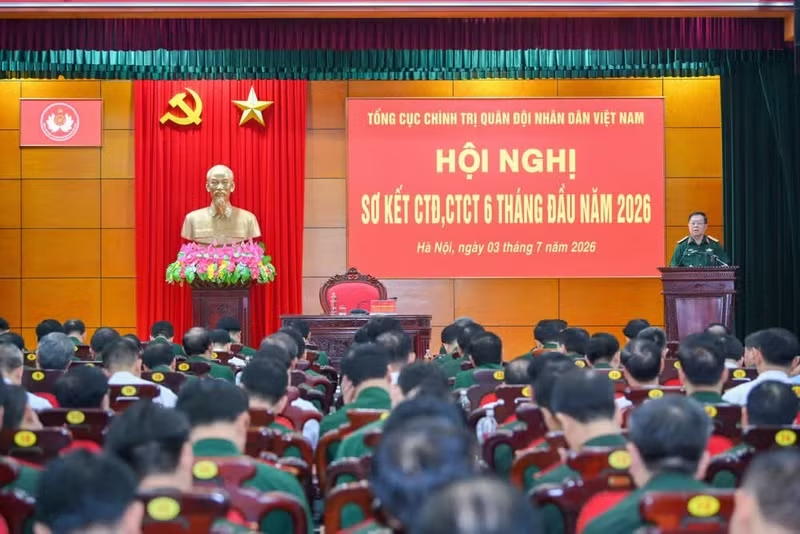
During the first half of 2026, Party and political work across the armed forces proceeded under strict leadership and direction. Military agencies proactively conducted research, provided strategic advice, and proposed a wide range of policies and solutions, while implementing them in a comprehensive and coordinated manner. As a result, all planned tasks, as well as newly arising, complex, and unexpected assignments, were successfully completed, with many fulfilled to a high or outstanding standard.
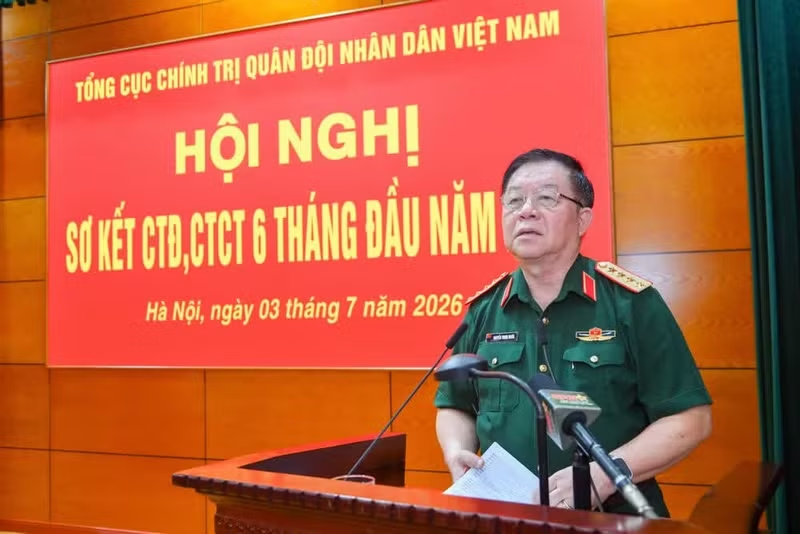
Addressing the conference, General Nguyen Trong Nghia highly praised the achievements of Party and political work over the past six months. He stressed that, against the backdrop of a rapidly evolving and increasingly complex and unpredictable international and regional environment, as well as growing demands in building the armed forces, strengthening national defence, and safeguarding the Fatherland, Party and political work must continue to undergo robust reform.
It should remain closely aligned with practical realities, improve both short- and long-term forecasting, proactively guide ideological awareness, and firmly safeguard the political and ideological front throughout the military.
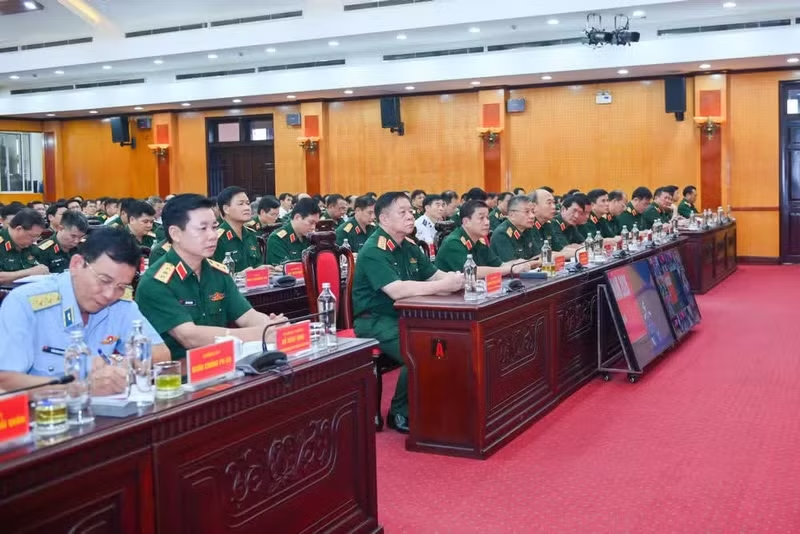
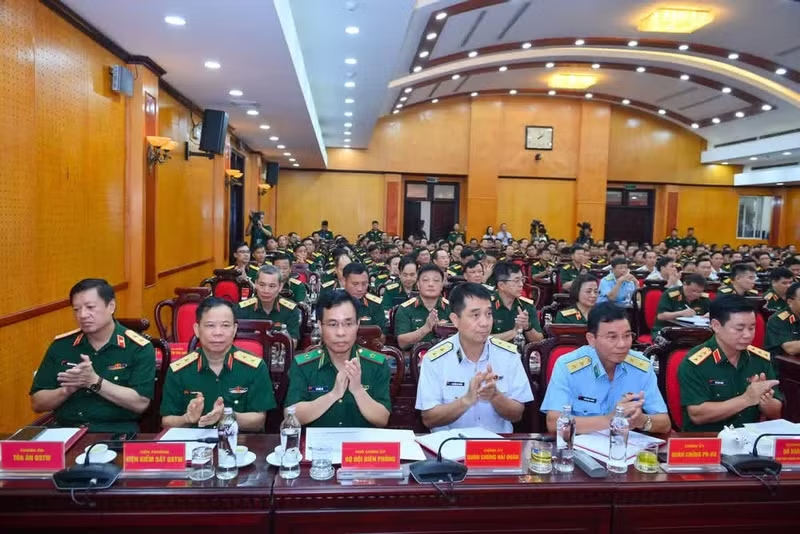
General Nguyen Trong Nghia called on military agencies and units to continue thoroughly implementing the new thinking and guiding principles set out in Party congress resolutions at all levels, as well as the resolutions and directives of the Party, the State, the Central Military Commission, the Ministry of National Defence, and the General Department of Politics.
He also urged the effective implementation of the guiding principles put forward by General Secretary and State President To Lam, Secretary of the Central Military Commission, including the concepts of "two steadfast commitments, two accelerations, and two preventive measures", the principle of the "five pillars of steadfastness", the "four strategic orientations" for military development, and the "six clarities".
Priority should be given to strengthening political education, ideological management, discipline, and operational safety; promoting the cultural values of the "Uncle Ho's Soldiers" in the new era; enhancing efforts to counter hostile and erroneous viewpoints; and firmly safeguarding the Party's ideological foundation.
Military press agencies and organisations engaged in culture, literature, and the arts should continue to improve the quality of their work while strictly adhering to their missions and purposes, particularly across digital platforms, thereby helping to guide public opinion, strengthen public confidence, and promote the noble image of the "Uncle Ho's Soldiers".
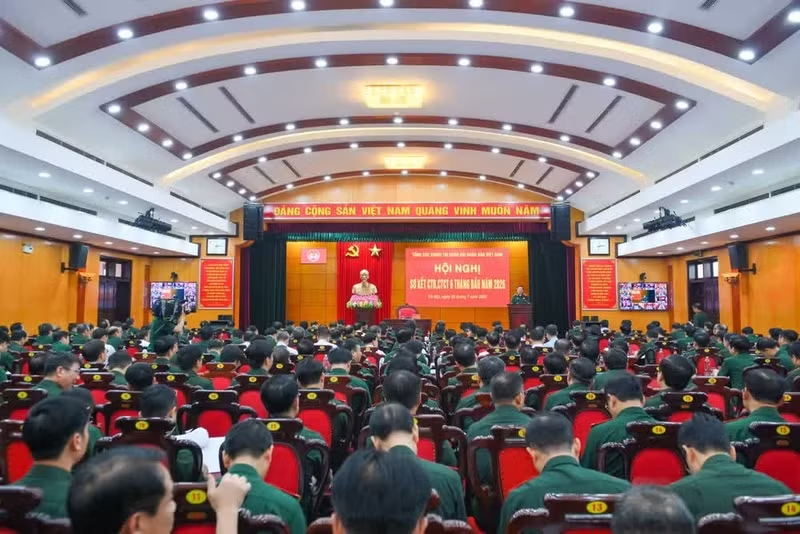
General Nguyen Trong Nghia emphasised that military agencies and units must attach special importance to ideological management and the maintenance of military discipline.
Regarding Party building, he called for the strict observance of Party organisational routines and regulations, the strengthening of the leadership capacity and combat effectiveness of Party committees and organisations at all levels, and the promotion of exemplary conduct by commanding officers and heads of agencies and units.
Regarding mass mobilisation and policy work, General Nguyen Trong Nghia urged the entire armed forces to continue fulfilling their role as a "working army" by adhering to the principle that "wherever the people are, the soldiers are there". He also called for greater care for policy beneficiaries, people who have rendered meritorious service to the nation, and victims of Agent Orange/dioxin.
He further instructed military agencies and units to resolutely and effectively implement the "500-Day Campaign” to intensify the search, recovery, and identification of fallen soldiers' remains, ensuring that the work is carried out with the highest standards of dedication, accuracy, and quality.