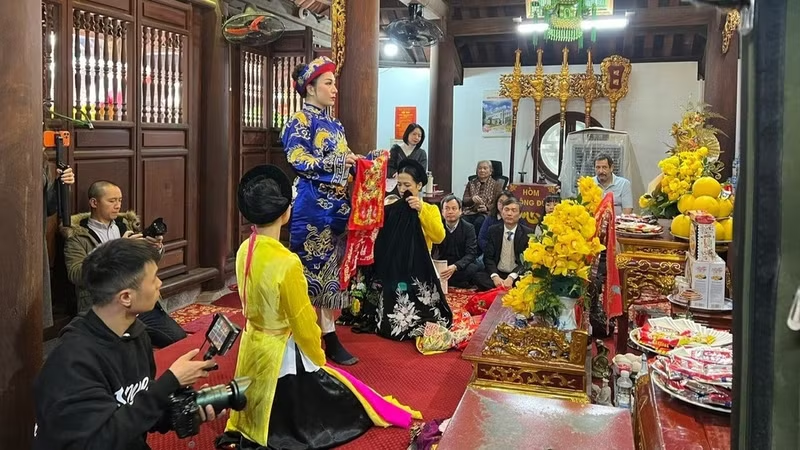
A decade on, the inscription has not only been a source of pride in recognition of a unique spiritual and cultural value of the nation but has also marked a journey of affirming the heritage’s enduring vitality and making strong progress in its preservation and standardisation. Over the past 10 years, UNESCO’s recognition has helped communities and international friends develop a more accurate, scientific, and respectful understanding of the heritage.
For Viet Nam, after years of affirming its status as an element of the Representative List of the Intangible Cultural Heritage of Humanity, the practice of worshipping the Mother Goddesses of Three Realms now faces new challenges and responsibilities: how to preserve the heritage in its authentic traditional form while safeguarding it amid commercialisation and the expansion of digital spaces.
Unlike tangible heritage or natural scenic sites, intangible cultural heritage exists in people’s memories, performances, rituals, and practical skills, including traditional crafts. When one generation passes on without continuity and transmission, the heritage risks being lost.
As someone who has devoted himself wholeheartedly to the worship of the Mother Goddesses and served the Mother Goddess religion for many years, Meritorious Artisan Dang Ngoc Anh has deep concerns. He believes the most pressing issue today is the risk that the practice may be distorted, commercialised, and stripped of its proper conventions. In some places, there have been displays of extravagance and arbitrary spirit medium rituals, with some even exploiting the faith to make profit-driven pronouncements.
“From the perspective of someone who has practised this tradition for many years, I am always deeply concerned and firmly committed to defending the purity of the heritage. Hau dong, a theatrical ritual form, is solemn spiritual rites performed to pay tribute to national heroes and the Holy Mother Goddesses who have made contributions to the country,” Dang Ngoc Anh said.
“I hope that practitioners of the Mother Goddess religion and spirit mediums across the country will bring each hau ritual back to traditional standards: proper costumes, chau van (ritual singing) ceremonial music performed in accordance with established conventions, and a solemn demeanour, without extravagance or turning rituals into displays of material wealth. Preserving the dignity of these rituals means keeping the heritage alive in its true sense,” Meritorious Artisan Dang Ngoc Anh said.
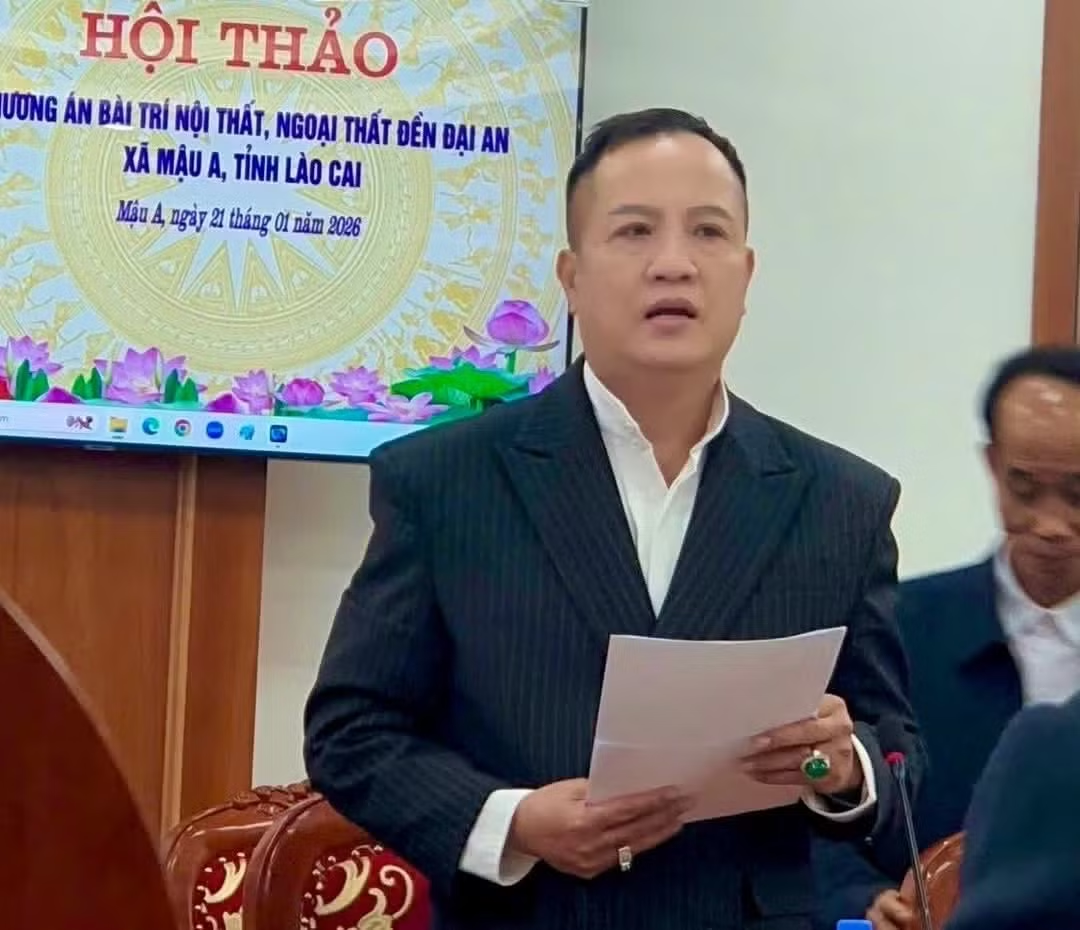
With his understanding of traditional conventions, and as Deputy Director of the Centre for Research and Preservation of Vietnamese Belief Culture under the Cultural Heritage Association of Viet Nam, Meritorious Artisan Dang Ngoc Anh places particular emphasis on maintaining proper standards.
The practice of the Mother Goddess religion must be associated with profound humanistic teachings, adhere to the traditional hierarchy and order of rituals, and strictly comply with current laws and regulations. His efforts to pass on the tradition are not merely about keeping the heritage alive but also about restoring its integrity, enhancing its value, and developing the worship of the Mother Goddesses into a well-organised spiritual and cultural practice worthy of its status as an element of the Representative List of the Intangible Cultural Heritage of Humanity.
According to cultural researchers and many practitioners of the worship of the Mother Goddesses of Three Realms, the emphasis on “action” in preserving and promoting heritage values must be translated into practical, systematic, and more rigorous measures by both management authorities and the people directly involved in practising the heritage.
Meritorious Artisan Nguyen Tat Kim Hung, Standing Deputy Head of the Ha Noi Club for the Preservation of Mother Goddess Worship Culture and Hat Van (ritual singing) Singing, said intangible heritage does not lie dormant in books or museums but lives on in people’s consciousness, every beat of the ceremonial drum, every melody of hat van singing, the demeanour of spirit medium rituals, and the humanistic philosophy that honours the Mother and national heroes.
He called on spirit mediums and temple custodians nationwide to work together to maintain solemnity and proper standards in worship spaces and rituals.
In addition, Meritorious Artisan Nguyen Tat Kim Hung proposed stepping up the transmission of knowledge and providing systematic training for younger generations through cooperation between heritage clubs and cultural management authorities. This would help successors understand the heritage correctly and practise it properly, as, in his words, “if they receive the heritage in a distorted form, its transmission will be broken, and the heritage itself will be deformed.”
Many practitioners share the view that clubs and heritage associations should work more closely with cultural management authorities to organise training courses on the proper knowledge of the worship of the Mother Goddesses. These should cover the historical significance of each hau ritual, the beauty of traditional costumes, the proper standards of hat van musical performance, and the codes of conduct for spirit mediums.
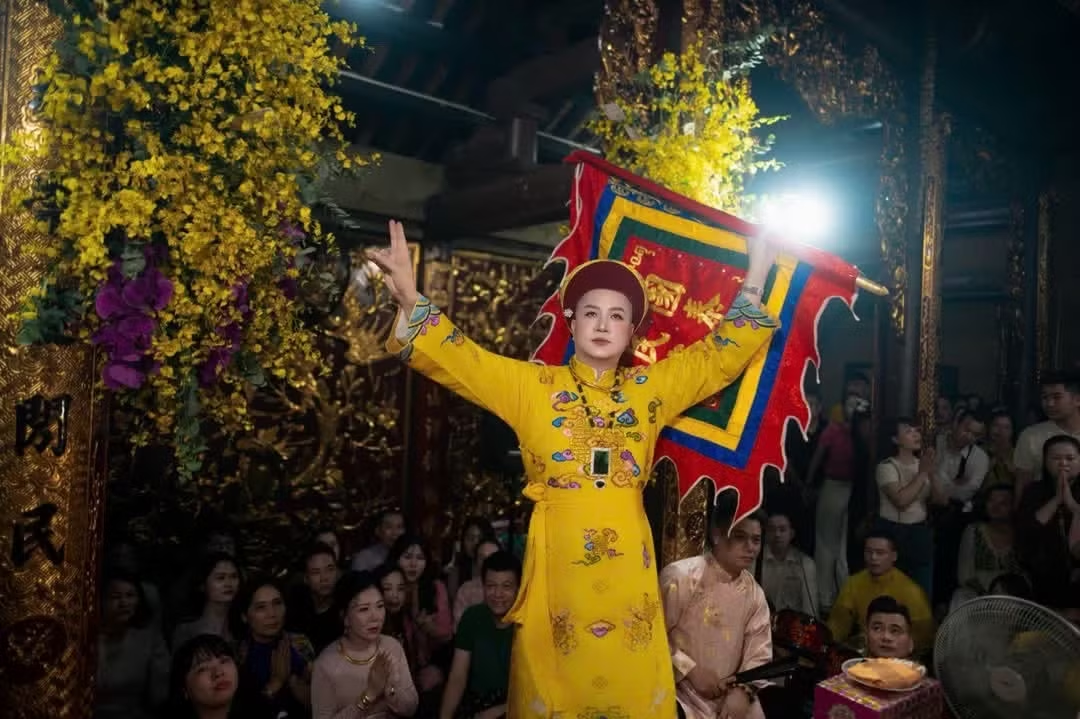
Regarding the application of technology and digital transformation in heritage management and promotion, Meritorious Artisan Dang Ngoc Anh proposed: “In this new era, heritage preservation cannot stand apart from the flow of technology. We need to apply digital documentation and communication technologies to share the beauty of the Mother Goddess culture with domestic and international audiences in a direct and transparent manner.”
Ngoc Anh also hopes that the International Day of Intangible Cultural Heritage will serve as an occasion for everyone involved in heritage preservation to reflect on their responsibilities, ensuring that hat van singing remains pure and each hau ritual retains its solemnity. This is how they can pay tribute to and contribute to the intangible cultural heritage of all humanity.