#Renewable Energy

23 kết quả

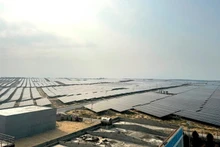
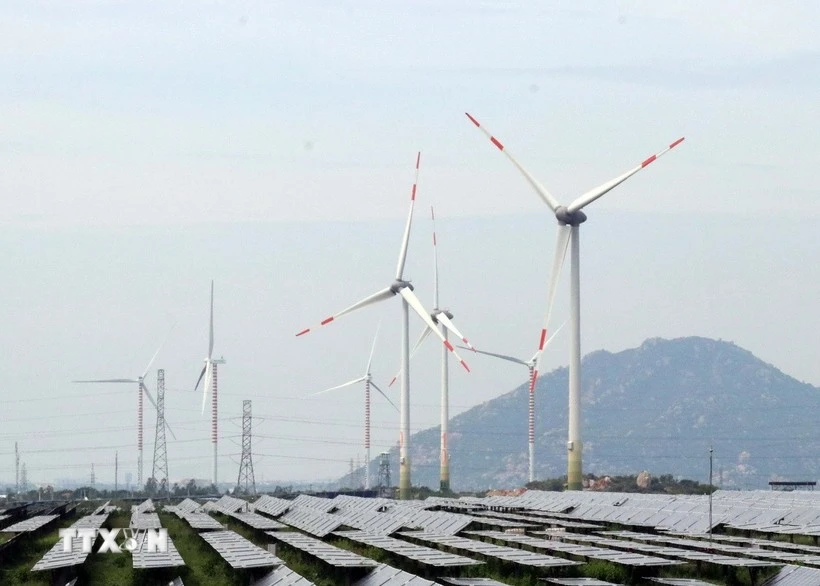
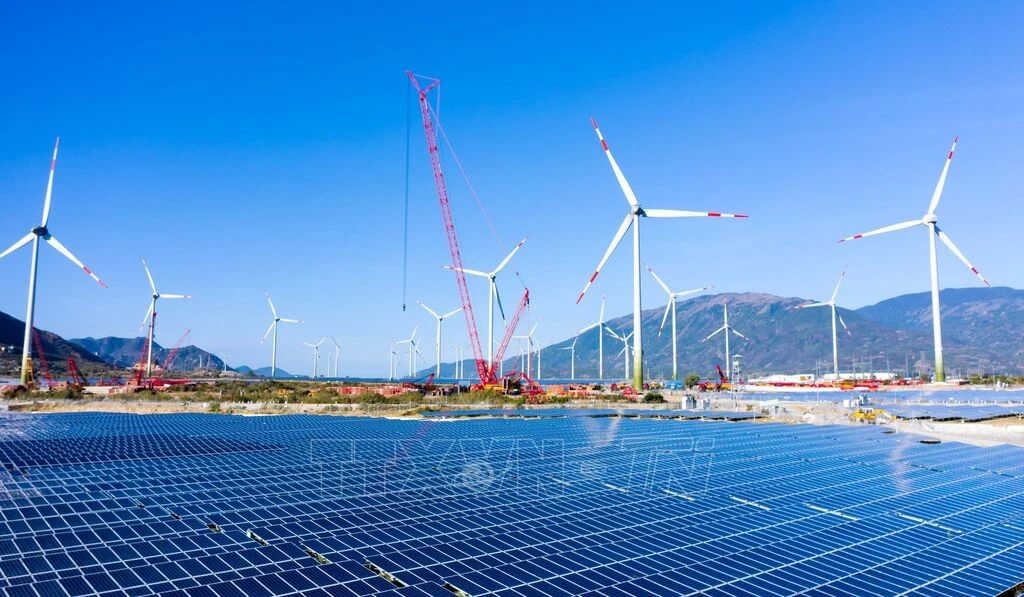
The solar panels at the Phong Phu solar farm in Lam Dong Province. (Photo: Van Duy)
Policy

New policies needed to pave the way for renewable energy

According to Power Development Plan VIII, renewable energy will account for between 30.9 and 39.2% of the country’s total power capacity by 2030. Viet Nam has also committed to achieving net-zero emissions by 2050. However, if transmission infrastructure and the legal framework continue to lag behind, these targets will remain little more than figures on paper.


The Soc Son Waste-to-Energy Plant has a combustion capacity of 5,000 tonnes of waste per day and night. (Photo: H. Son)
Environment

Ha Noi develops renewable energy sources

Ha Noi has accelerated the application of renewable energy, contributing to the development of green and clean energy sources that meet the growing needs of the city, in line with the National Programme on Economical and Efficient Use of Energy for the 2021–2025 period.

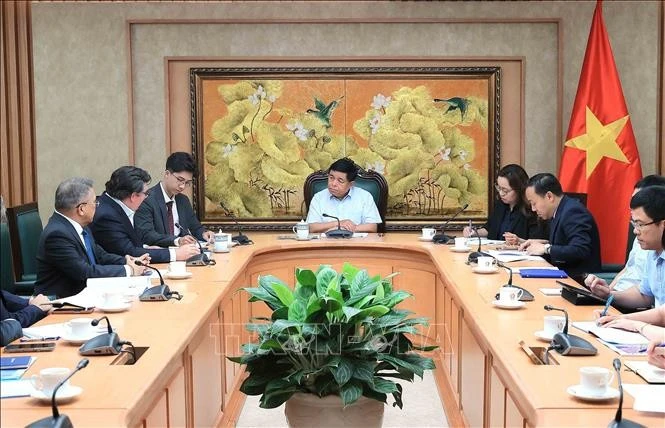
Deputy Prime Minister Bui Thanh Son (fifth, left) meets with President of the Belgian House of Representatives Peter De Roover (fourth, right) on October 10. (Photo: VNA)
Viet Nam & World

Vietnam, Belgium, EU deepen cooperation across key sectors

Deputy Prime Minister Son praised Belgium’s active role within the EU and urged its parliament to soon ratify the EU–Viet Nam Investment Protection Agreement (EVIPA) in 2025, saying it would encourage Belgian businesses to expand investment in Viet Nam’s key sectors such as logistics, seaports, and renewable energy.

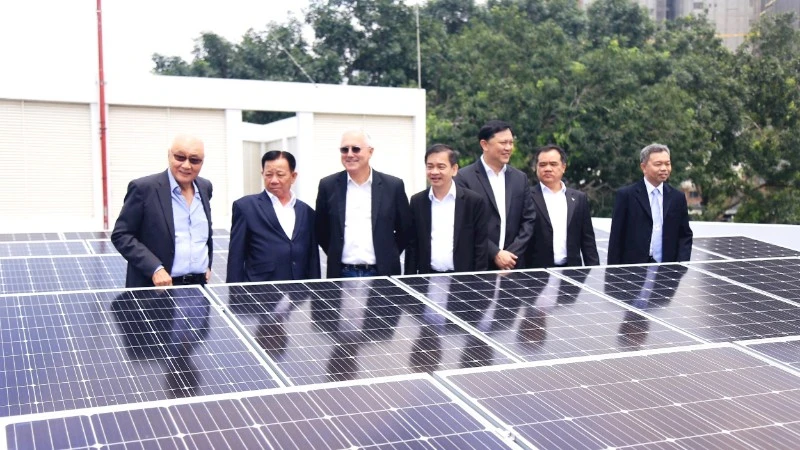
Rooftop solar power system at VSIP 3, Ho Chi Minh City.
Policy

Renewable energy utilised in industrial parks

To promote sustainable development, businesses operating in industrial parks across Ho Chi Minh City are increasingly turning to renewable energy for their production needs. Some next-generation industrial parks have begun incorporating renewable power into their planning, contributing to the creation of net-zero industrial zones.

A rooftop solar system installed in Lang Son. (Photo: Le Chi)
Business

Reducing electricity costs by harnessing rooftop solar power

Installing rooftop solar power systems under a self-production, self-consumption model brings direct benefits to residents and businesses by reducing their monthly electricity bills, thereby ensuring safety for the national power system. Additionally, businesses can enhance their value by projecting the image of being green, environmentally friendly.

Back to top