
Fuel prices increase in latest adjustment
Retail prices of all major fuel products in Viet Nam were increased from 3pm on July 16, according to a joint decision by the Ministry of Industry and Trade and the Ministry of Finance.
#Fuel prices
Retail prices of all major fuel products in Viet Nam were increased from 3pm on July 16, according to a joint decision by the Ministry of Industry and Trade and the Ministry of Finance.

The publication of the E10RON95-III base price began from this pricing period under Government Resolution No. 29/2026/NQ-CP, as part of efforts to align domestic fuel prices with global market developments and improve price management.

The policy aims to give businesses greater pricing flexibility while allowing regulators to focus on more widely consumed fuels such as petrol and diesel.

Viet Nam’s consumer prices index (CPI) in March edged up 1.23% from the previous month as surging global fuel costs and higher construction material expenses fed through to domestic prices, the Finance Ministry’s National Statistics Office reported on April 4.

The conflict in the Middle East is pushing the global energy market into a period of intense volatility, creating what is described as the most severe energy bottleneck in history.

The Ministry of Industry and Trade (MoIT) and the Ministry of Finance have decided to further cut retail fuel prices, effective from midnight on March 26.

The Government has set its top short-term priority as preventing shocks in fuel prices and supply chain disruptions from turning into broader shocks to energy supply and prices, which could place significant pressure on inflation.

Global gold prices on March 20 continued to fall sharply, trading at around 4,660. 9 USD/ounce as investors carried out consecutive sell-offs to take profits amid rising fuel prices and a strengthening US dollar. Domestically, gold bar and gold ring prices followed the global downward trend, selling at around 176.1–175.8 million VND/tael, respectively.

Amid sharp fluctuations in the global energy market, particularly due to conflict in the Middle East, the Fuel Price Stabilisation Fund has become a key instrument to ease domestic petrol and diesel prices. Its recent high-level drawdowns have helped cool the market and limit impacts on households, production, and business activities.

Amid the military conflict in the Middle East, the Ministry of Construction has submitted a report to Deputy Prime Minister Bui Thanh Son outlining the impacts of fuel price volatility and proposing a set of urgent measures to stabilise domestic transport and construction activities.

Prime Minister Pham Minh Chinh has directed authorities to govern petrol and oil prices in a way that ensures balanced interests among the State, businesses and consumers while maintaining stable fuel supply and preventing market disruptions.

Retail prices of fuel products climbed again from 23:45 on March 10, following a decision jointly issued by the Ministry of Industry and Trade and the Ministry of Finance.
Retail prices of major petrol products were adjusted from 15:00 on February 20 following a joint decision by the Ministry of Industry and Trade, and the Ministry of Finance.
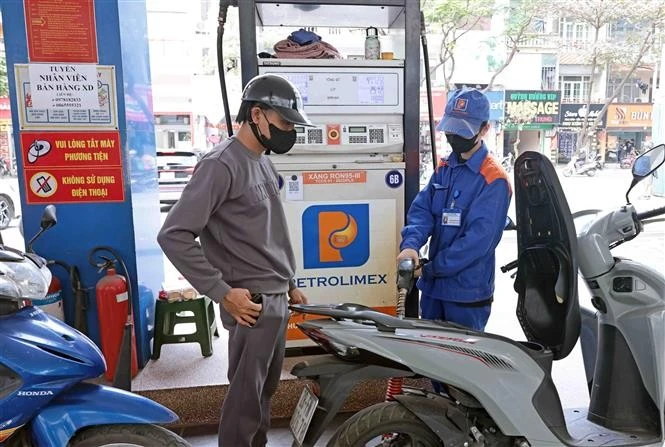
E5RON92 petrol is sold at the maximum of 18,438 VND (0.7 USD) per litre, down 278 VND from the baseline price, and RON95-III at 18,917 VND per litre, down 89 VND.
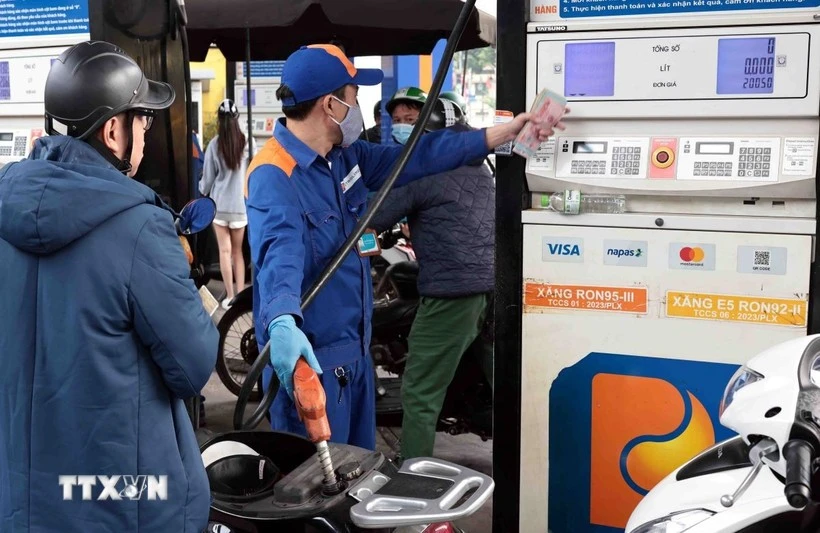
Viet Nam’s petrol and oil prices continued to decrease on December 18 afternoon following the latest adjustment by the Ministry of Industry and Trade, and the Ministry of Finance.

Retail fuel prices have been lowered starting from July 1 as the National Assembly’s Resolution No. 204/2025/QH15 on value-added tax (VAT) reduction takes effect.
Retail fuel prices were raised starting from 3pm on June 19, following a joint decision by the Ministry of Industry and Trade and the Ministry of Finance.