AI and changes in higher education
The rapid development of artificial intelligence (AI) is having a profound impact on the labour market, higher education, and students’ choices of academic disciplines and careers.
#higher education
The rapid development of artificial intelligence (AI) is having a profound impact on the labour market, higher education, and students’ choices of academic disciplines and careers.
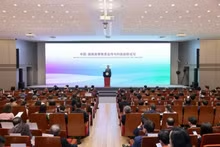
Within the framework of the State visit to China by Party General Secretary and State President To Lam, Viet Nam’s Ministry of Education and Training coordinated with China’s Ministry of Education to direct the organisation of the Viet Nam–China Forum on Higher Education, Science, Technology and Innovation Cooperation 2026.
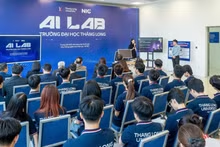
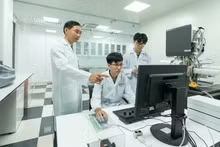
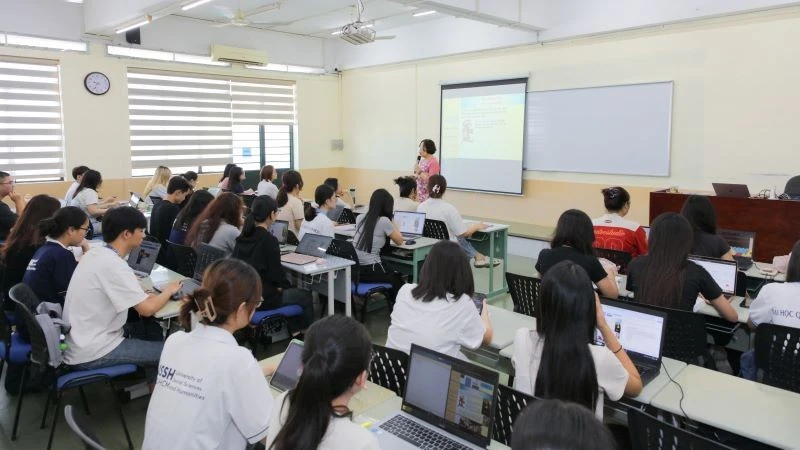
Artificial intelligence (AI) is transforming teaching and learning, making a significant contribution to the progress of modern education. Yet, alongside its promise and opportunities, the rise of AI in universities also brings considerable challenges.
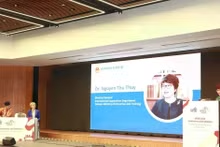
Director of the International Cooperation Department under the Ministry of Education and Training (MoET) Nguyen Thu Thuy, along with representatives from 17 leading Vietnamese universities, is taking part in promotional and partnership activities at the Asia-Pacific Association for International Education (APAIE) Conference and Exhibition 2026 in Hong Kong (China).
Implementing Resolution No. 71-NQ/TW of the Politburo on breakthroughs in education and training development, which sets the goal that by 2030 at least eight higher education institutions will be among Asia’s top 200 universities, and one institution will be among the world’s top 100 universities in certain fields, Viet Nam’s higher education sector is striving to improve quality and enhance international integration. The university ranking results in 2025 clearly reflect this upward trend.
In the context of globalisation and the Fourth Industrial Revolution, Artificial Intelligence (AI) has been profoundly transforming every sphere of social life, from the economy and healthcare to public administration.
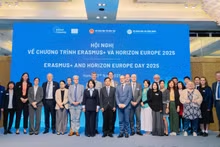
The European Union (EU)’s two flagship programmes – Erasmus+ and Horizon Europe – were successfully held in Ha Noi and Ho Chi Minh City, creating a vibrant space for connection and knowledge exchange between Viet Nam and the EU in higher education, research, and innovation.
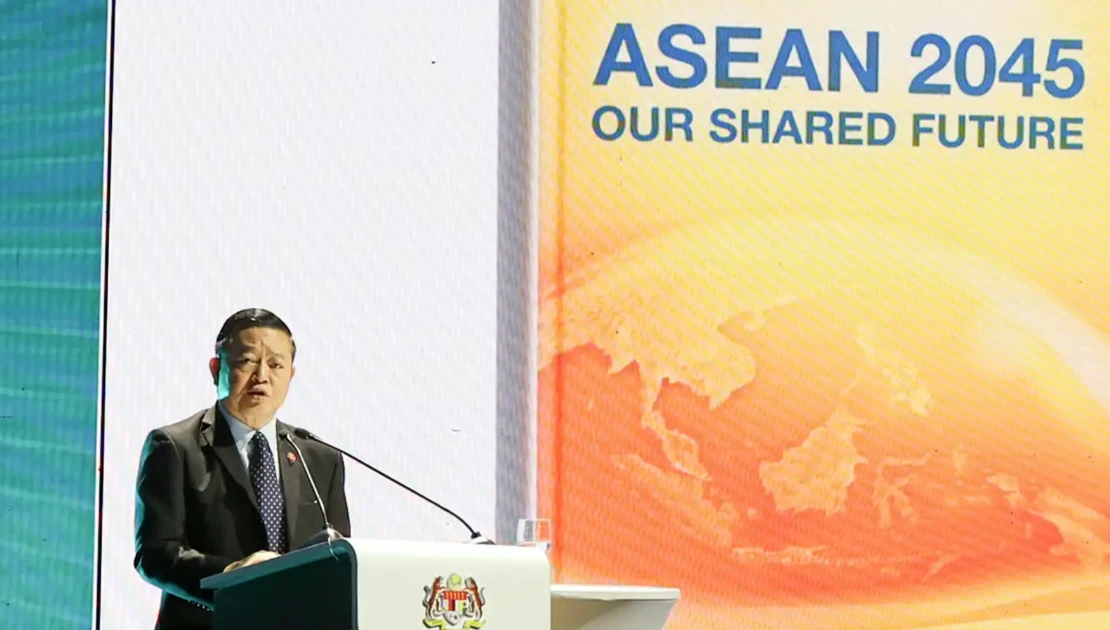
ASEAN Secretary-General Kao Kim Hourn on November 4 called on regional leaders and higher-education institutions across the region to lead transformation efforts to realise the ASEAN Community Vision 2045.
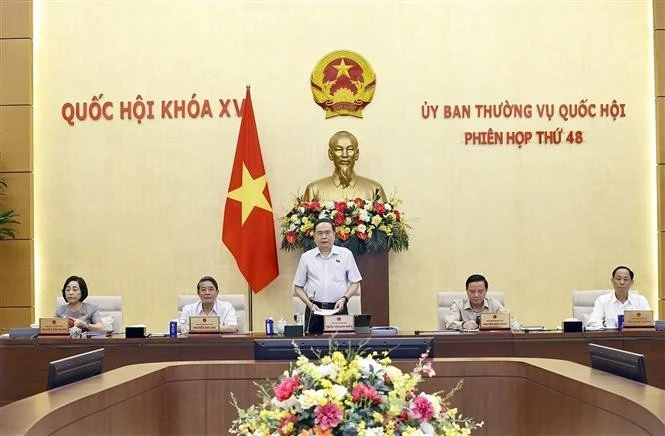
The 48th session of the National Assembly (NA) Standing Committee opened in Ha Noi on August 11.