#urban development

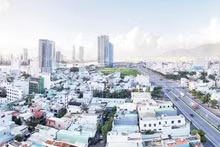
The Ben Thanh Station area of Metro Line 2 (Ben Thanh–Tham Luong). (Photo: VNA)
Society

Urban development linked to public transport

From improving mechanisms and policies to adopting a more integrated approach to planning, Ho Chi Minh City is gradually advancing the transit-oriented development (TOD) model. This approach not only offers a solution for reorganising urban space but also opens up new ways to address transport challenges, make efficient use of land resources and generate momentum for the city’s sustainable growth.
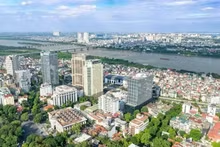
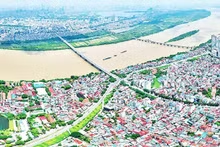
Development along both banks of the Red River needs to thoroughly address questions relating to local livelihoods and the preservation and promotion of historical and cultural traditions.
Features

Preventing ancient villages from being eclipsed by urban development

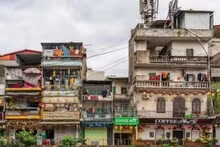
Ha Noi is gradually transforming through modern and synchronised planning projects. Yet a liveable and sustainably developed city must not only build new infrastructure, but also provide a firm foundation for its cultural and historical values. In this new phase of development, preserving the structure of ancient villages is a paramount step in safeguarding the long-standing identity of the capital.

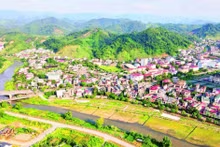
A corner of the urban area in Bac Kan ward. (Photo: TUAN SON)
Domestic

Urban development in Thai Nguyen

The Resolution of the 14th National Party Congress set the target that the urbanization rate in the 2026–2030 period will exceed 50%. In order to help bring the Party’s resolution into life soon, Thai Nguyen province has been focusing on implementing many synchronous and decisive solutions, striving to raise the province’s overall urbanization rate to more than 55% by 2030.

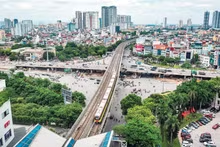
The urban railway (metro) system has become a new symbol of modernity in the development of Ha Noi
Society

Ha Noi: Urban development rooted in inherited foundations and gentle transformation

Cities, towns, and urban areas expand and accumulate with the flow of history, driven by a capacity for breakthroughs that the countryside does not possess, asserting a sense of self among similar peers. Cities compete in development through the advantages and differences of their land-and-sky resources, through the accumulation of material assets, through the urbanisation of the population, yet the distilled product, in the end, is cultural excellence.

Back to top