Le Binh Nguyen from Hoang Mai district, Hanoi: Mobilising resources for social housing projects
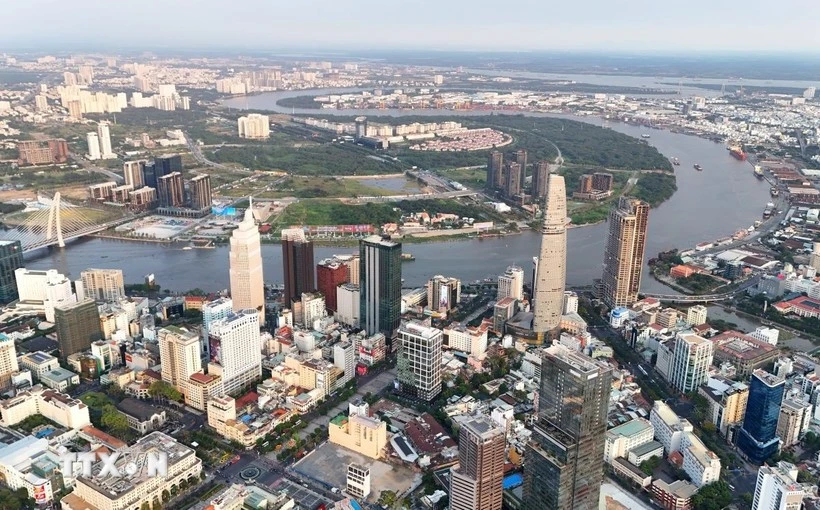
A number of large-scale urban projects have been developed in Vietnam in recent years, however, many of them still lack supporting infrastructure, posing many problems for people living in these areas. In addition, the construction of apartment buildings in urban areas has also created housing funds that exceed the actual needs of the people. Meanwhile, social housing projects for workers, low-income earners and students have been not invested in appropriately. Therefore, voters are concerning about how to ensure infrastructure development in new urban areas and the development of social housing projects.
It is suggested that the Government and relevant ministries and sectors should strengthen the inspection of urban projects in cities and provinces across the country; propose efficient and timely solutions to improve weaknesses, as well as, urge investors to implement their commitment to building synchronous infrastructure requirements before handing over or putting projects into operation. The Government and the Ministry of Construction should also focus on developing social housing projects as well as devising appropriate mechanisms and policies to mobilise social resources to invest in this field.
Nguyen Quoc Tuan, Director of Viet Industrial and Commercial Media Joint Stock Company in Da Nang city: Many issues have not been clarified.
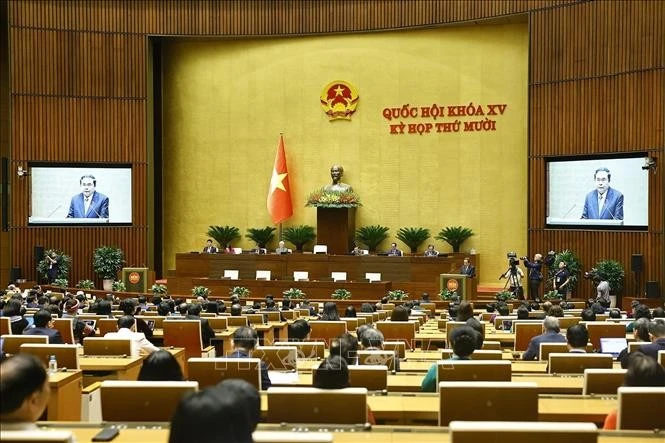
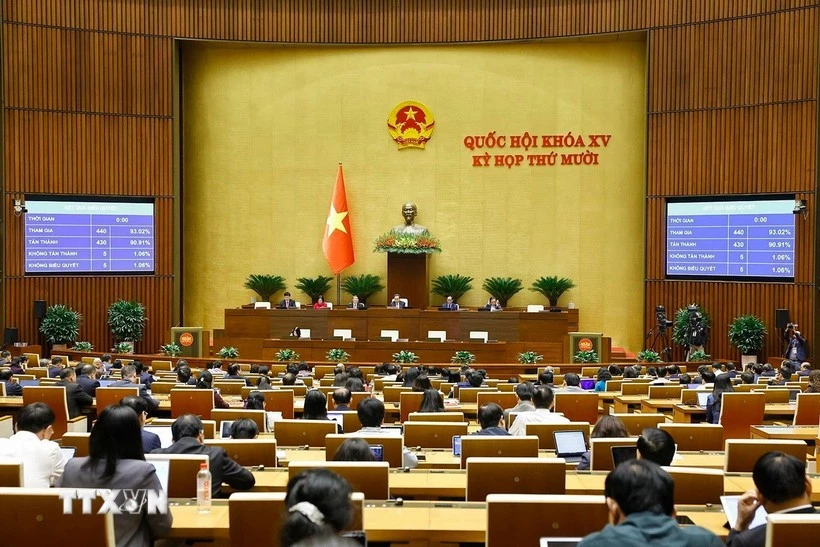
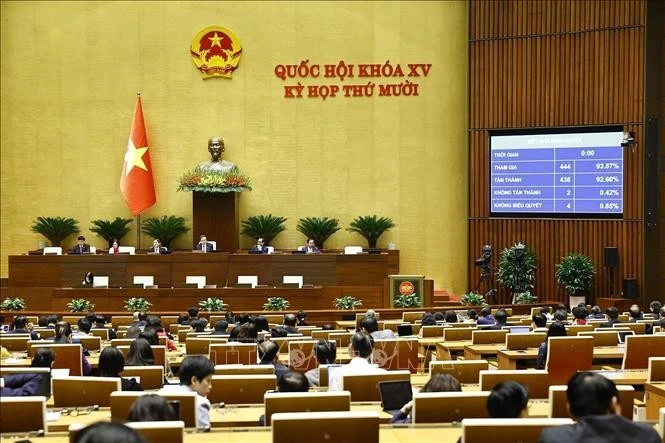
At the inquiry session by members of the Government on November 12, Minister Vu Huy Hoang answered questions by NA deputies on resolving issues concerning inventory, residential resettlement for people living in power plant sites and water leaks at the Song Tranh 2 hydroelectric power plant dam.
Regarding inventory, the Minister said that the inventory settlement of businesses have seen positive signs, with the inventory of the processing and manufacturing sector reduced from 26% in June to 20% in October. However, subsequent measures to resolve inventory and boost production have not been clarified.
The settlement of residential relocation for local people living in hydroelectric power plant areas is too stagnant. In addition, the Minister has not devised detailed solutions to the issues related to residential resettlement. For example, it is questionable whether the new residential resettlement areas are suitable for affected people or infrastructure facilities to meet the demands for living and producing or not?
There also remain many controversial ideals about the issues referred to the Song Tranh 2 plant in Quang Nam central province, which requires the full responsibility from the MOIT to the people and National Assembly.
The Minister’s answers to NA deputies’ questions touched the problems, but were still very vague. His answers did not solve the issues which were raised at the previous session and he devised no measures to overcome the problems in either the short or long-term. Once these urgent issues are resolved thoroughly, the managerial roles of the State, ministries and sectors will be affirmed.