In an interview with the Viet Nam News Agency in Buenos Aires ahead of the 14th National Congress of the CPV, Poldi Sosa said that throughout history, the CPV has led the Vietnamese people in winning national independence, ending the oppression of imperialism and colonialism, and guiding the country through severe consequences of war toward reconstruction and development.
The Party has not only played a central role in shaping political and economic directions but has also been a key factor in ensuring social stability and strengthening the great national unity, she noted.
The ICAV President particularly underscored Viet Nam’s long-standing tradition of solidarity, describing it as a source of strength decisive to every victory. According to her, the spirit of solidarity, patriotism, and close bonds among all strata of the people has enabled Viet Nam to overcome numerous historical challenges. Today, this tradition continues to be upheld amid deep international integration and is further extended through solidarity between the Vietnamese people and peace-loving, progressive forces around the world.
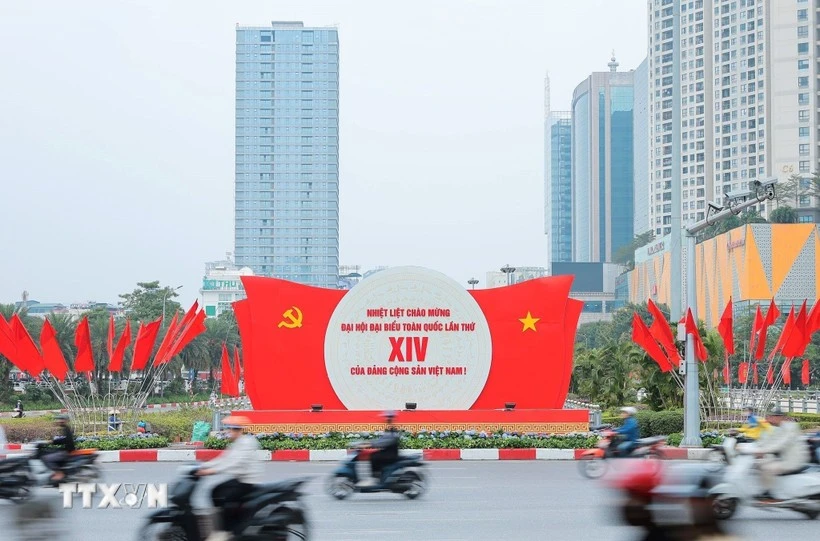
Assessing the significance of the 14th congress, Poldi Sosa said that from the perspective of an international observer, the event represents a pivotal milestone for Viet Nam’s future development.
She emphasised that the congress plays a particularly important role in defining the country’s position in a new stage of development, with the clearly articulated goals of becoming a developing country with modern industry and upper-middle income by 2030, and a developed, high-income nation by 2045.
Regarding social policy orientations, she expressed keen interest in draft policies on pensions, elderly care and the promotion of gender equality that Viet Nam is currently studying and refining.
In a context where the majority of workers are not employed in the public sector, efforts to build a sustainable pension system, expand social insurance coverage and clearly define the responsibilities of relevant stakeholders represent a very positive step, demonstrating the State’s strong commitment to long-term social security for the population, she stated.
In addition, the ICAV President highly valued policies aimed at improving health care for older people in tandem with enhancing quality of life, as well as initiatives to promote gender equality. She highlighted the prominent role of the Viet Nam Women’s Union in implementing a wide range of practical projects across the country.
According to her, such comprehensive, people-centred social policies have become and will continue to be a vital foundation underpinning Viet Nam’s sustainable development in the new era.