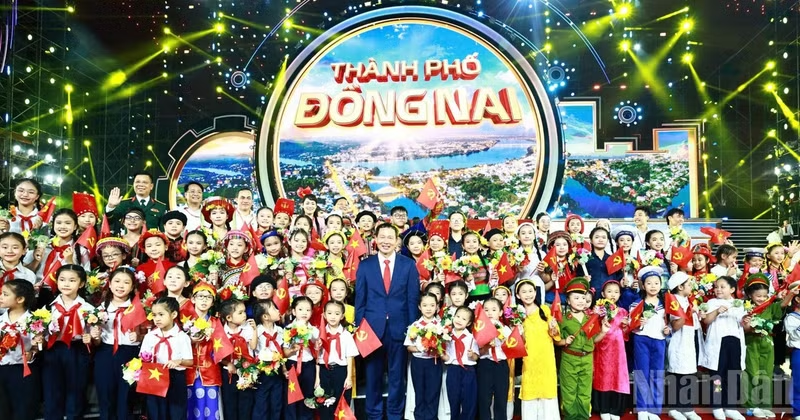
The transofrmation of Dong Nai city towards becoming a “civilised, modern, and happy” city must place people at the centre — as the principal actors, driving force, objective, and beneficiaries of progress. It must ensure harmonious and equitable growth, with cultural values and improvements in public health and people’s material and spiritual well-being serving as the pillars of sustainable development.
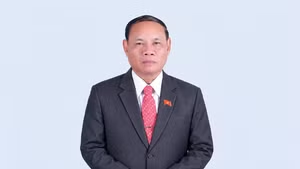
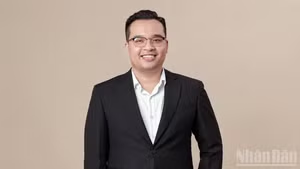
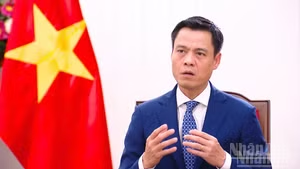
On these issues, a reporter from Nhan Dan Newspaper spoke with Ha Anh Dung, Member of the Standing Board of the Dong Nai city Party Committee and Standing Vice President of the Viet Nam Fatherland Front Committee of Dong Nai city.
Putting people at the centre
Q: Dong Nai city’s transition to a modern urban governance model requires a major shift in public awareness, from a rural way of life towards a civilised urban lifestyle. Could you elaborate on this?
A: Since April 30, 2026, Dong Nai city has officially begun operating under an urban governance model. This is not merely a change in organisational structure or administrative boundaries; more importantly, it represents a shift in the mindset, awareness, and behaviour of every resident.
Dong Nai is entering a new stage of development, characterised by rapid urbanisation, an expanding development space, and a growing, increasingly diverse population. This requires city residents to cultivate a civic lifestyle suited to a modern urban environment.
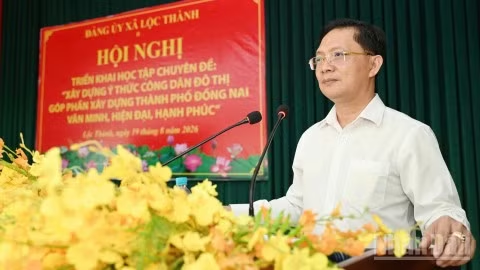
Moving from a rural way of life to an urban lifestyle does not mean abandoning existing positive values. Rather, it means preserving and building on those traditions while adapting them to new circumstances and a new environment. These virtues include solidarity, compassion, and mutual support within the community. At the same time, people must discard outmoded habits and adapt more readily to urban life. Residents need to gradually develop respect for the law and shared public spaces, comply with urban planning regulations, protect the environment, maintain traffic order, and behave in a civilised manner in public places.
In my view, fostering a sense of urban citizenship is a long-term process that must begin with practical actions closely connected to everyday life, such as not littering, not encroaching on pavements, obeying traffic laws, preserving the urban landscape, embracing digital transformation, and actively helping to build civilised residential communities. When every resident carries out these small actions voluntarily and regularly, they will establish new cultural standards for the city as a whole.
For its part, the Viet Nam Fatherland Front Committee of the city recognises that this is not solely the duty of the authorities or any single organisation, but a shared responsibility of the entire political system and the public.
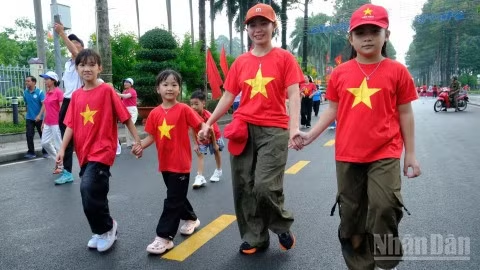
The Fatherland Front must strengthen public communication and outreach, listen to people’s concerns, promote democracy, and carry out social supervision and criticism. It must also bring urban cultural standards into every residential community, movement, and self-governance initiative through the model of “building united, safe, prosperous, and happy residential communities,” providing guidance and rolling it out throughout the system so that residents truly become the driving force behind urban development.
A civilised and modern city must first have civilised citizens. Infrastructure can be built within a few years, but urban awareness and culture must be nurtured over the long term. When every resident voluntarily changes their behaviour, starting with small everyday actions, we will gradually build a Dong Nai where people can enjoy a high quality of life.
Q: The ambition to create a modern, happy, and liveable city places people at the centre of development, as both its principal actors and its most important objective. In translating this strategic vision into practice and bringing the City Party Committee’s resolution into people’s lives, what key tasks and measures should be prioritised?
A: In my view, the vital task in bringing the City Party Committee’s resolution into practice is to translate its broad objectives and strategic directions into concrete, practical actions that residents can see and feel in their daily lives. To achieve this, we must first remain steadfast in our commitment to putting people at the centre — as the principal actors and driving force of development, as well as the beneficiaries of its achievements.
The top priority is to intensify public communication and outreach to build a common consensus, helping officials, Party members, and residents clearly understand the city’s development vision and objectives, how they stand to benefit, and what duties and responsibilities each person must fulfil to contribute to building the city.
Outreach efforts must address issues closely related to everyday life, from compliance with the law, environmental protection, urban order, and traffic culture to the use of online public services and the development of cultural life in residential communities.
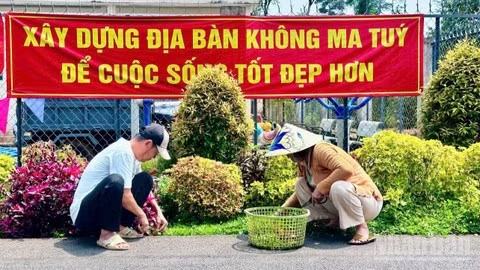
We must strongly promote the role of residents as the principal actors in development. All policies directly affecting people’s lives should be implemented in accordance with the principle that the people are informed, consulted, involved in implementation, entitled to inspect and supervise, and able to benefit from the results. At the same time, dialogue must be strengthened and people’s concerns heard so that legitimate issues arising at the grassroots level can be resolved promptly.
We must foster urban citizenship alongside digital transformation, in line with Resolution No. 57 and practical local conditions. This must be a long-term process, beginning with small actions that can have a far-reaching impact within individual families and residential communities.
In particular, the Fatherland Front and socio-political organisations must serve as an effective bridge between the Party, the authorities, and the people. They must communicate and mobilise public support, understand people’s concerns and aspirations, and strengthen social supervision and criticism, helping to ensure that development policies genuinely put people first.
I believe that a liveable city is measured not only by its modern infrastructure, but also by the quality of life, people’s satisfaction, and each resident’s sense of responsibility. Only when the resolution is properly understood, translated into decisive and coordinated action, and those actions become part of people’s daily lives will it truly be put into practice, turning the aspiration for a civilised, modern, and happy Dong Nai city into reality.
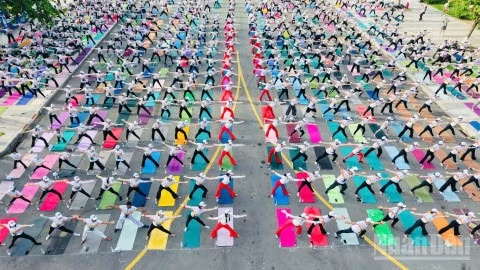
Towards a modern, compassionate, and happy city
Q: Could “happiness” be the ultimate goal that the entire political system is determined to achieve as Dong Nai city strives to make a major development breakthrough?
A: Resolution No. 16-NQ/TW, dated July 21, 2026, issued by the Politburo, clearly sets out the goal of building Dong Nai city into a “civilised, modern, and happy” city, placing people at the centre — as the principal actors, driving force, objective, and beneficiaries of development.
In my view, happiness is not merely the ultimate destination; it is also the primary yardstick by which we assess the achievements of development. A city may boast major infrastructure projects, modern facilities, and rapid economic growth, but if its residents do not feel that their lives have become better, safer, and more convenient, or that they can look to the future with confidence, then its development remains incomplete.
Happiness must be felt through tangible improvements in everyday life: a clean environment, orderly streets, safe traffic, good schools, accessible healthcare, stable employment, a rich cultural life, and, above all, people being respected, having the opportunity to participate, and sharing in the benefits of development.
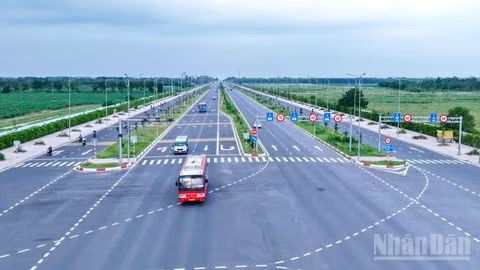
Building a young city such as Dong Nai must begin with fostering a sense of urban citizenship. Happiness cannot simply be something people passively wait for the State to provide. Every citizen of this young city must help create it through their own sense of responsibility: living in accordance with rules and discipline, behaving in a civilised manner, respecting the community, protecting the environment, obeying the law, and working together to create a better community for all.
Therefore, when we speak of Dong Nai making a major development breakthrough, I believe the most important consideration is not simply whether the city becomes wealthier and more modern, but whether it becomes a place where people are happier. This is the deepest meaning of development and the goal towards which the entire political system must strive with unwavering commitment.
Q: Dong Nai city is undertaking a far-reaching process of urban redevelopment. In your view, how important is it to promote the role of residents as the principal actors and harness the strength of great national unity across the city?
A: Urban redevelopment is fundamentally about the spaces in which people live, and those spaces belong to the people. For redevelopment to succeed and remain sustainable, we cannot look at it solely in terms of planning, infrastructure, or new construction projects. We must prioritise empowering residents as the principal actors and harnessing the strength of solidarity among the city’s more than five million residents.
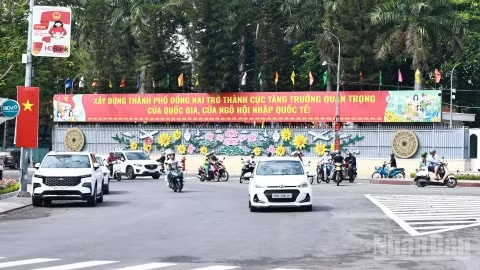
Dong Nai has a prime opportunity to shape the identity of a young, dynamic, and modern city. The most important task is to build consensus and trust among residents, ensuring that they actively engage in and help shape the places where they live. When people understand and support a policy and clearly recognise its collective benefits, major initiatives can draw on greater social resources, enabling that collective strength to be translated into practical results.
Great national unity is a tremendous source of “soft power” for the city in its redevelopment process. Every resident, family, and residential community can actively contribute through concrete actions and campaigns, such as promoting a civilised way of life, protecting the urban landscape, helping one another in daily life, and offering input on local governance and urban development.
For the Viet Nam Fatherland Front, its role is not limited to encouraging people to implement policies. It must also enable residents to express their views, participate in decision-making, exercise oversight, and share in the benefits of development.
I believe that for a young city to move forward quickly, it needs good infrastructure; to go far, however, it must have the people’s support and collective strength. When every resident feels that they are part of the city, sharing a common responsibility, aspiration, and belief in the future, the strength of great national unity will become a vital driving force for Dong Nai to achieve a breakthrough and build a civilised, modern, compassionate, and happy city.
Thank you very much!