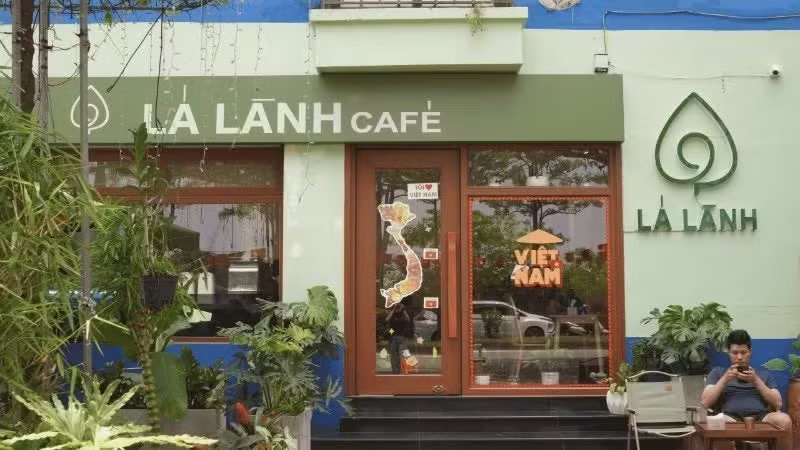
The café is not particularly busy in the afternoon. Behind the counter, H.M.H. (16) carefully washes and dries glasses before placing them neatly on a tray, occasionally glancing at a nearby support worker.
When a customer walks in, he lowers his head slightly and says, with some hesitation: “Welcome to La Lanh Café.” Few people realise how long it took H. to become comfortable saying those words.
In his early days at the café, H. focused almost entirely on routine tasks behind the counter. His difficulties with social interaction meant he avoided any duties that required interacting with customers.
Yet, thanks to the patient support of those around him, he gradually became able to handle basic customer service. Once a shy and withdrawn boy who avoided interaction, H. can now greet customers, serve regular visitors and grows more confident with each passing day.
In a quiet corner of Nguyen Cao Luyen Street, La Lanh Cafe continues to operate this way, day after day. It is not merely an attractive coffee shop, but also a special space where autistic people are given the opportunity to participate in every stage of the café’s operation. Each task is designed to suit the abilities of each individual, from preparing ingredients and making coffee to serving customers.
The café maintains a calm atmosphere, a comfortable temperature and a flexible working pace, allowing staff to work while gradually adapting to the demands of a social workplace.
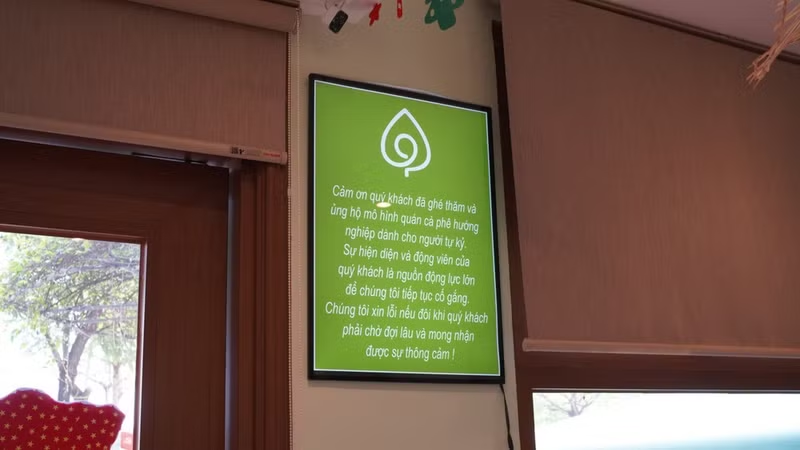
The café’s founder, Dam Thi Lan (born in 1993), did not set out with a purely commercial idea in mind. Her decision to establish the café grew from real, everyday concerns she encountered during her years working with autistic individuals.
“Many parents ask me what their children will be able to do when they grow up. Will they be able to earn a living independently?” Lan recalled. Those questions motivated her to search for answers and build new pathways for their future.
At La Lanh Cafe, a typical working day is broken down into small, manageable steps tailored to the needs of autistic workers, who often face difficulties with communication but can excel at repetitive tasks. According to Lan, most of the staff can quickly pick up skills such as making drinks, operating the cash register and serving customers when given structured guidance.
However, the real challenge lies elsewhere. “At La Lanh, every greeting from the staff is a huge step forward,” Lan noted.
“Tasks requiring frequent interaction, such as communicating with customers, are more difficult and take time to adapt to,” Lan explained. For autistic people, saying hello, maintaining eye contact or handling unexpected situations with customers can each involve a long and demanding process of practice.
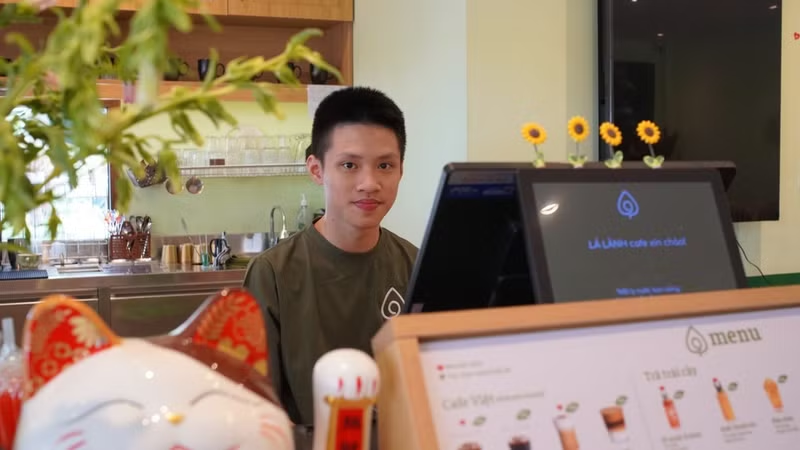
H.M.H. once needed considerable time simply to grow accustomed to standing before strangers. Gradually, with patient support, he moved from back-of-counter duties to engaging directly with customers.
Other autistic staff members at the café have experienced similar journeys. Once hesitant, quiet and inclined to shy away from communication, they have now become more open when interacting with visitors and even chatting with regular customers.
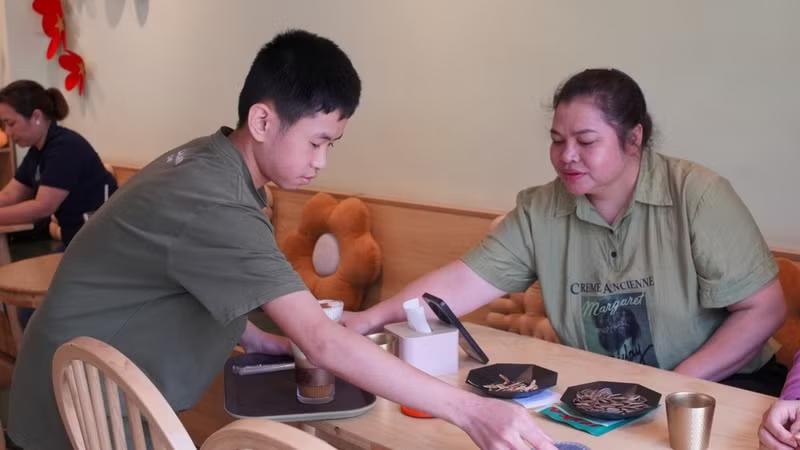
Such progress does not happen overnight. According to Lan, training is personalised to suit each individual. “Some spend the first ten days simply becoming familiar with the space, the pace of work and the café equipment, taking part in small tasks under the guidance of senior staff. After around three months, they may be able to work with customers with a support worker close at hand. It takes even longer before they can work independently,” she said.
Because the café employs autistic staff, La Lanh Cafe has developed what it calls an “overload response process”, a way of handling situations in which staff show signs of stress or emotional overload. At such times, support staff approach gently, check in with them and give them space to rest and regain emotional stability.
During peak hours, when pressure increases, senior staff step in to ensure operations continue smoothly. These seemingly small details form the foundation that allows the café to function sustainably and effectively.
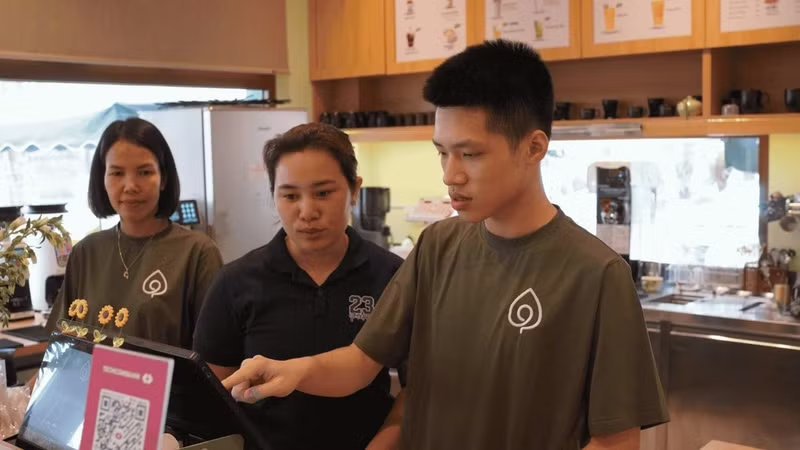
After a period of working at the café, the transformation in staff members becomes clearly evident. “Previously, they mainly stayed within the school environment, where interactions were largely scripted and controlled. Here at the café, they have the opportunity to encounter a much wider range of real-life situations,” Lan observed.
The café space, filled with customers of all ages, has become a lively “social classroom”. Here, autistic staff learn how to greet people, serve customers, navigate unexpected situations and, most importantly, manage their own emotions. Gradually, those who were once quiet and withdrawn become more sociable and cheerful. The changes may be small, but they are steady and lasting.
Nevertheless, the greatest challenge for the café remains public understanding and acceptance. “Some customers are unfamiliar with the café’s special nature, so they are initially surprised when they visit,” Lan admitted.
One common misconception about autistic people is the belief that they are “difficult to manage” or “unable to work”, especially in service-sector jobs requiring communication skills. Yet Lan emphasised that autism exists on a broad spectrum, and each person has different abilities. The important thing, she said, is identifying each person’s strengths and creating the right conditions for them to thrive.
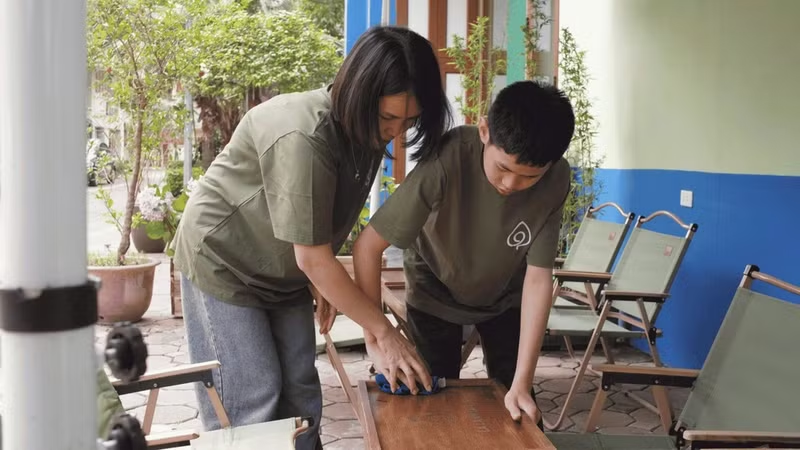
For initiatives like La Lanh Cafe to be replicated more widely, it will require not only the dedication of individuals like Lan, but also shifts in public awareness and stronger support policies. When businesses receive greater financial support and incentives, employing workers with disabilities becomes far more feasible.
According to the World Health Organisation, on average, one in every 160 people is autistic. In Viet Nam, according to statistics from the Ministry of Home Affairs in 2023, there are an estimated 200,000 autistic people, while unemployment among this group reaches as high as 85-90%, particularly among adults. These figures reflect a major gap not only in employment opportunities, but also in public awareness. Yet at La Lanh Cafe, that gap is gradually being narrowed.
Every year on April 2, the United Nations marks World Autism Awareness Day as a reminder that behind these differences are people striving every day to find their place in the wider community. That admirable effort can be seen in every awkward gesture, every hesitant greeting and in the growing confidence shining through the eyes of young people once held back by prejudice.