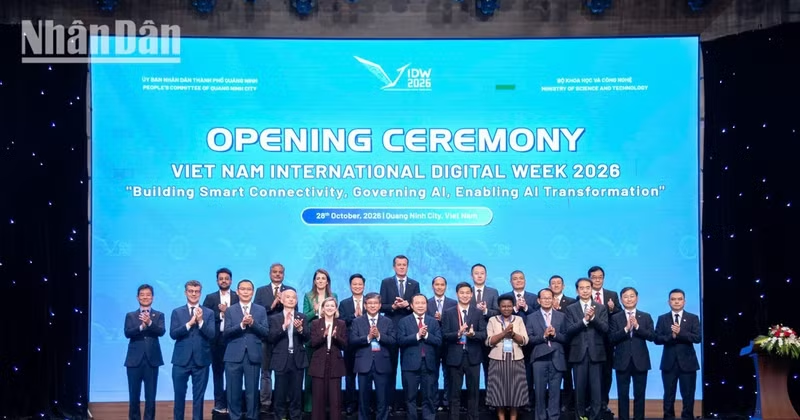
Viet Nam International Digital Week 2026 (VIDW 2026), taking place from October 28 to 30, is hosted by the Ministry of Science and Technology in coordination with the Quang Ninh City People's Committee and relevant agencies and organisations.
The opening ceremony was attended by leaders of the Government, ministries, sectors and localities, alongside representatives of foreign countries, international organisations and businesses. The event has attracted around 500 delegates from nearly 30 countries, including representatives of government agencies, international organisations, technology companies, research institutes, universities and experts.
VIDW 2026 aims to strengthen policy dialogue and expand international cooperation in science, technology, innovation and digital transformation. It also seeks to promote research, development, technology transfer and commercialisation, with a focus on strategic and emerging technologies.
Speaking at the opening ceremony, Vice Chairman of the Quang Ninh City People's Committee Nguyen Van Cong said the city's economy maintained its growth momentum during the first nine months of 2026, with gross regional domestic product (GRDP) estimated to have increased by 12.26%. Total realised investment reached nearly 98 trillion VND, up 17.4% year on year.
The city attracted more than 1.3 billion USD in foreign direct investment, while domestic non-budget investment exceeded 225 trillion VND. These results demonstrate Quang Ninh's market attractiveness, strong business interest and considerable potential for further development.
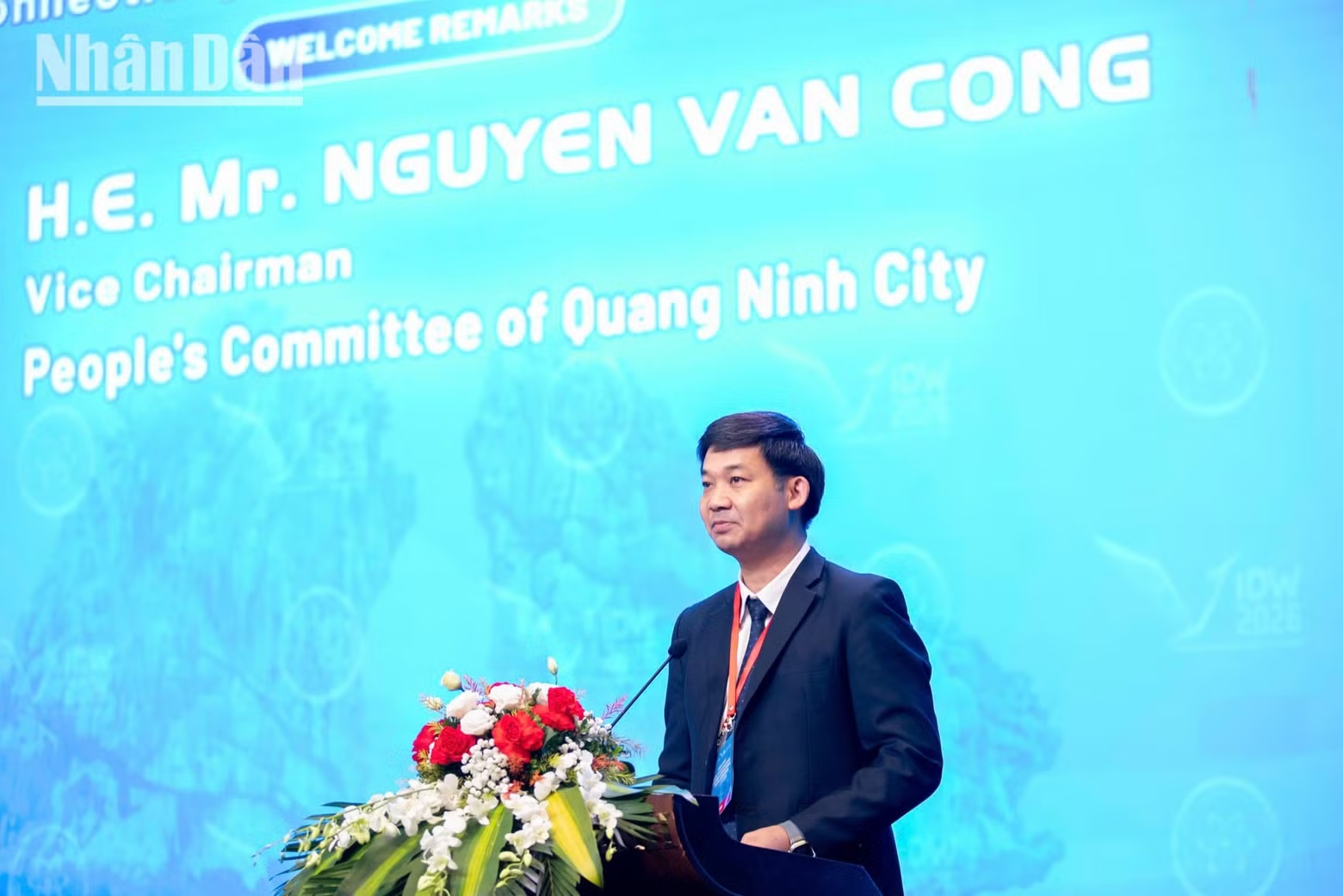
To make effective use of its resources, Quang Ninh has identified science, technology, innovation and digital transformation as key drivers of productivity, higher-quality growth and sustainable development. The city is focusing on developing digital infrastructure, harnessing data and promoting the application of AI and emerging technologies in urban management, tourism, industry, logistics, cross-border trade and environmental protection.
Quang Ninh also plans to develop new spaces and models capable of delivering breakthroughs in the digital economy, including smart border gates, concentrated digital technology parks and a special economic zone aligned with the city's development strategy.
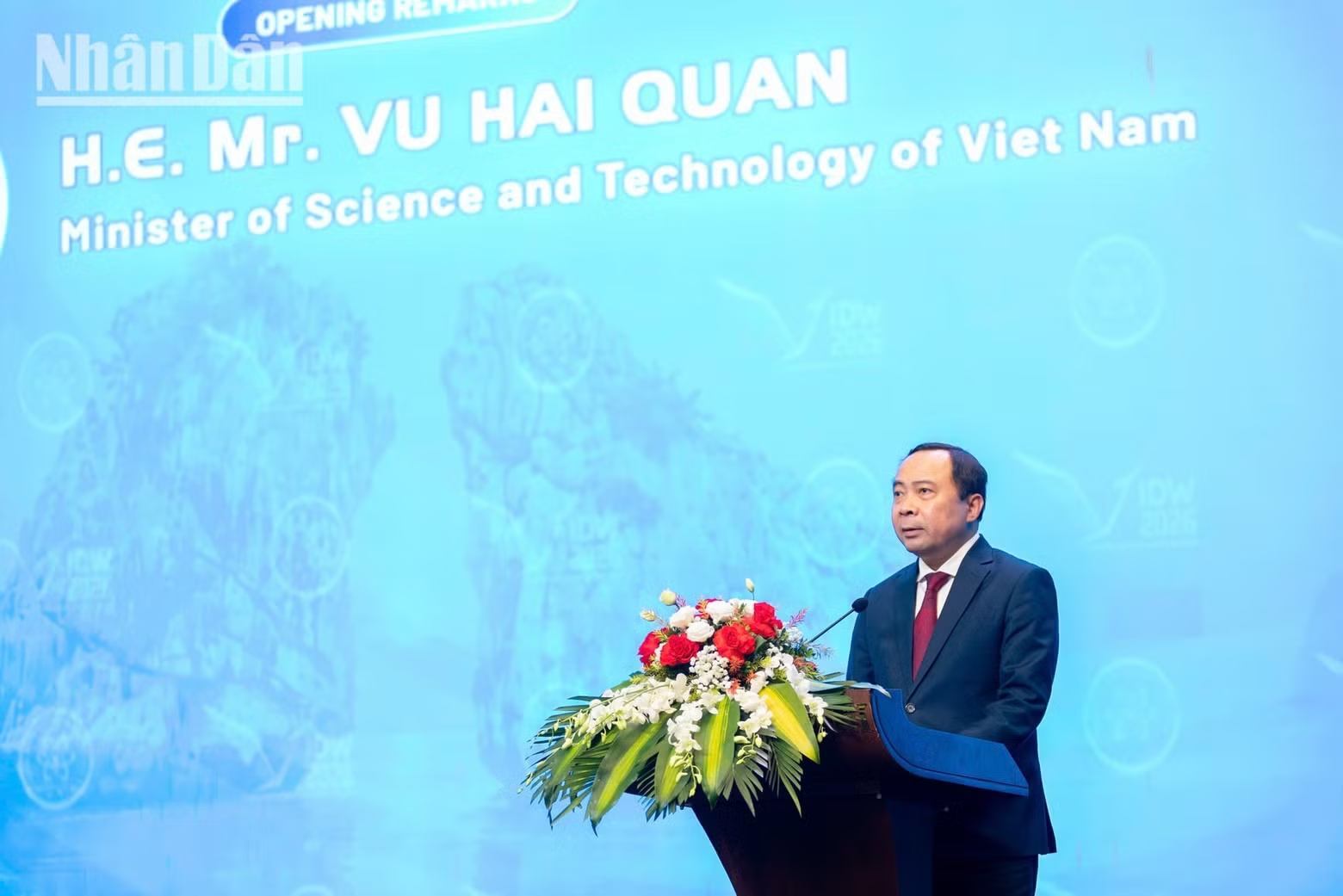
Addressing the opening ceremony, Minister of Science and Technology Vu Hai Quan affirmed that AI is no longer a matter for the future; it is a major driving force shaping today's economy and society. “Unless we act together, yesterday's digital divide could become tomorrow's AI divide”, he said.
According to the Minister, smart connectivity, AI governance and enabling AI transformation are three issues of strategic importance to the future of AI development and international cooperation.
Smart connectivity provides the foundation, as AI requires next-generation networks, data centres and computing capacity. With limited resources, countries must simultaneously meet the need for universal connectivity and invest in high-capacity infrastructure, mobilise private-sector participation and ensure that infrastructure is green and energy-efficient.
AI governance is essential to building trust. Every approach must strike a balance between flexibility and legal certainty, and between innovation and the protection of citizens. As AI and data increasingly cross national borders, compatible governance frameworks and trusted data flows are becoming ever more important.
On this foundation, AI transformation must create value by redesigning public services, business operations and industries. It should promote widespread adoption while building long-term technological self-reliance, with serving people as its ultimate objective.
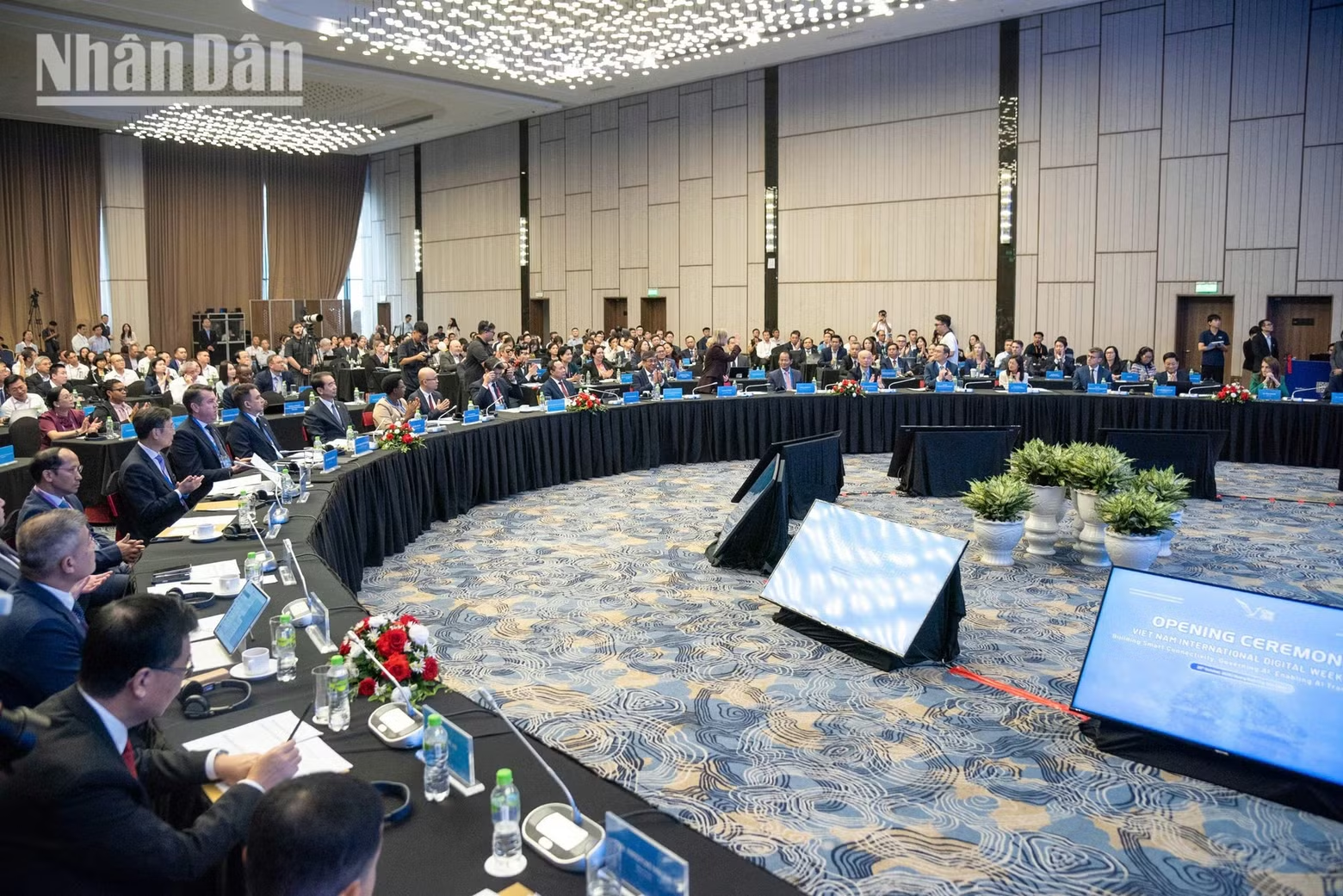
Minister Vu Hai Quan emphasised that Viet Nam regards AI as a strategic technology and a major driver of growth model transformation, productivity improvement and national competitiveness. The country aims to pursue comprehensive AI-driven national transformation, making AI a core capability built on three priority pillars.
The first pillar is institutions and legislation. The legal framework must serve as a foundation for development. Viet Nam has enacted the Law on Artificial Intelligence, the Law on Data and the Law on Digital Transformation, adopting a risk-based regulatory approach, establishing regulatory sandboxes and setting up a National Artificial Intelligence Development Fund.
The second pillar is human resources and talent. Technology is created by people and must serve people, making talent central to AI development. Viet Nam is prioritising domestic training, attracting leading experts, overseas Vietnamese intellectuals and international talent, while strengthening cooperation among the State, businesses, research institutes and universities.
The third pillar is the AI ecosystem, underpinned by infrastructure, data and start-ups. Viet Nam is investing heavily in computing capacity, open data and Vietnamese-language AI models, while supporting start-up enterprises.
The Minister also noted that Viet Nam has achieved nationwide 5G coverage and extended digital skills training to villages and hamlets across the country. These efforts were recognised with the 2026 Government Leadership Award from the Global System for Mobile Communications Association (GSMA), while also underscoring the country's responsibility to further improve the effectiveness of digital development.
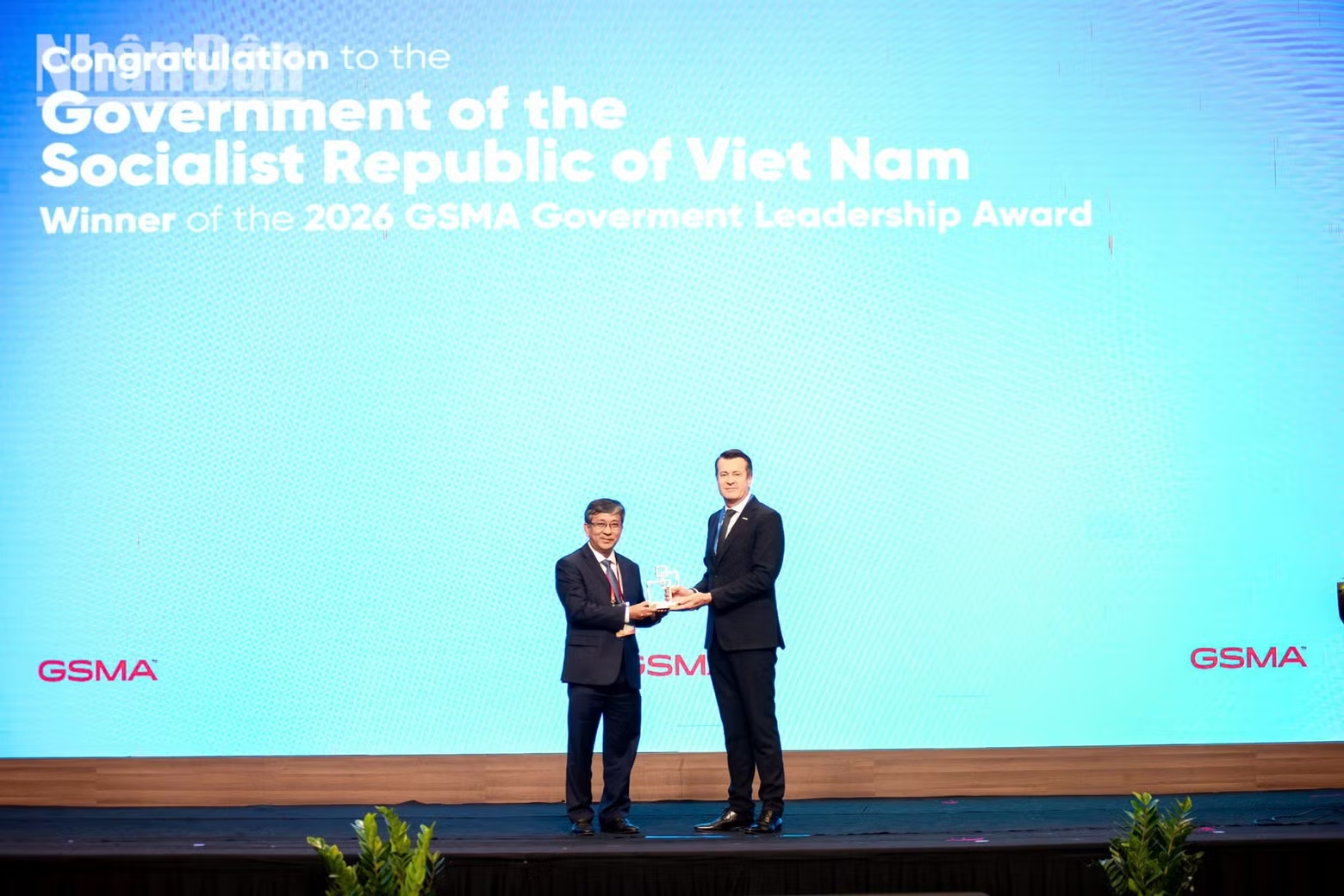
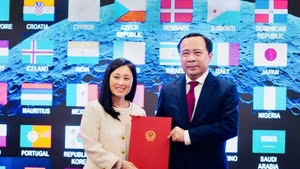
At the opening session, Julian Gorman, GSMA’s head for Asia-Pacific, presented the 2026 Government Leadership Award to the Government of Viet Nam. Deputy Minister of Science and Technology Tran Trung Tinh accepted the award on behalf of the Vietnamese Government.
The prestigious award is decided by an independent panel of international experts, including representatives from the International Telecommunication Union (ITU), the Organisation for Economic Co-operation and Development (OECD) and the GSMA. It recognises governments that demonstrate sustained policy leadership, strategic vision and an outstanding regulatory environment conducive to mobile and digital development.
According to the GSMA, the award celebrates not merely ambition, but ambition translated into action, while highlighting exemplary practices from which other countries can learn.
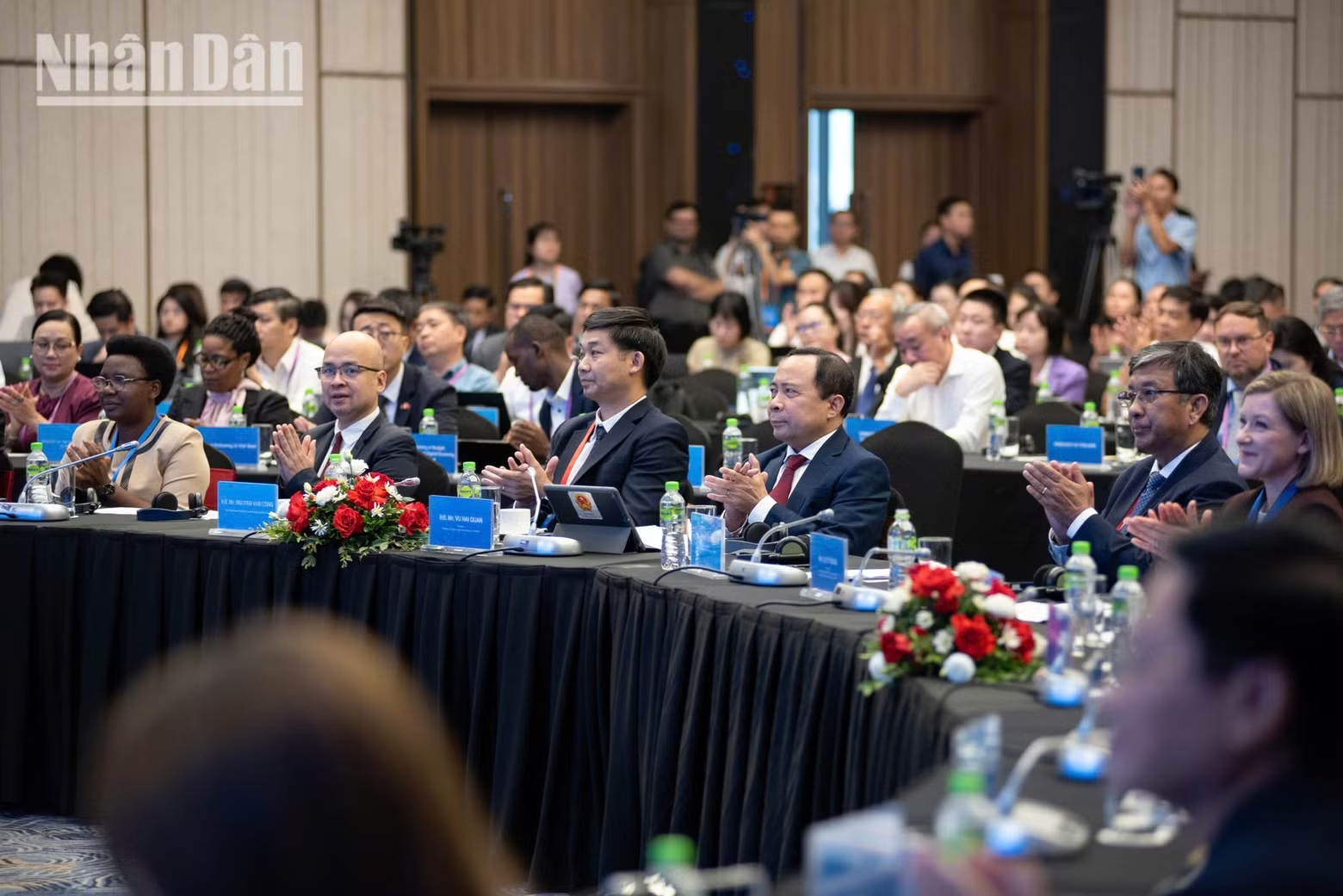
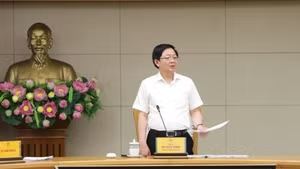
Following the opening session, a Ministerial Roundtable themed “Advancing Smart Connectivity, AI Governance and Enabling AI Transformation” was held, featuring two discussion sessions: “Government Leadership in AI Transformation” and “Cooperation for AI Transformation”.
Addressing the roundtable, Minister Vu Hai Quan emphasised that Viet Nam’s vision is AI for humanity, AI for everyone, AI mastered by Viet Nam and co-created with the world. Self-reliance does not mean isolation, but having sufficient capacity to cooperate on an equal footing and share value.
The Minister expressed his hope that the roundtable would stimulate fresh discussions, help identify priority areas and cooperation opportunities, harness the strengths of individual countries and partners, and jointly foster a safe, trustworthy, inclusive and sustainable AI ecosystem.
As a key activity of VIDW 2026, the Ministerial Roundtable provided a platform for representatives of governments, international organisations, businesses and research institutions to discuss the role of governments in driving AI transformation and share experiences in policymaking, capacity building and AI applications.
It also offered an opportunity to explore cooperation between the public and private sectors and academia, and identify solutions to strengthen governance capacity and promote AI applications for socio-economic development.
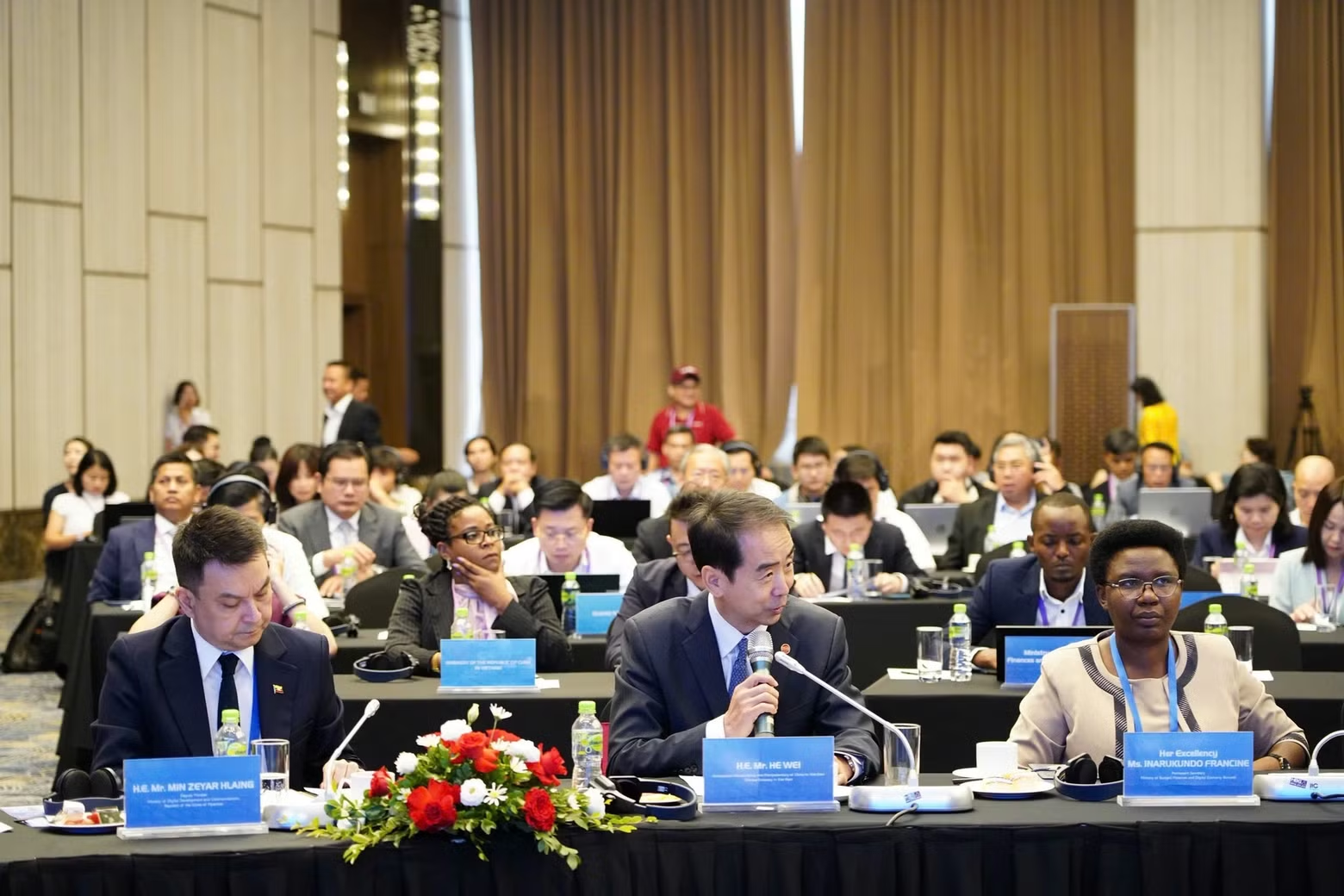
Building on these discussions, VIDW 2026 is hosting a series of thematic forums and workshops to promote policy dialogue, research and technology applications in priority areas.
Among them, the Interregional Dialogue on AI capacity building, organised in coordination with the Office of the United Nations Resident Coordinator in Viet Nam, focuses on AI capacity development needs, sharing experiences and strengthening cooperation among countries and international organisations.
Through these activities, government agencies, businesses, research institutes and international partners have opportunities to exchange views on policies, technologies, standards and applications, identify priority areas, expand partnership networks and advance concrete cooperation initiatives.
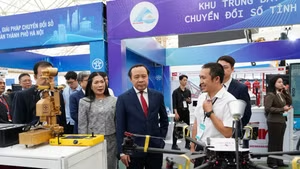
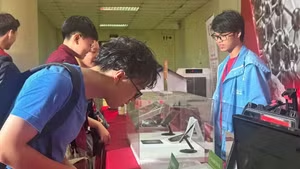
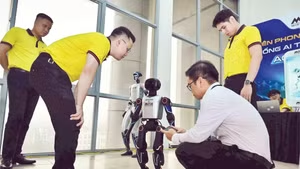
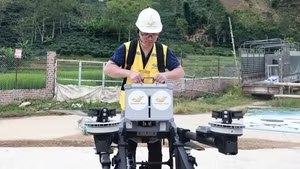
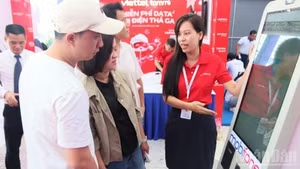
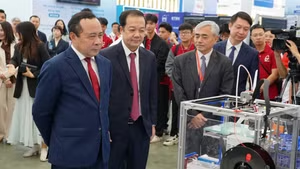
Alongside the conferences, forums and workshops, an exhibition showcasing outstanding strategic technology products and solutions is being held on October 28–29, presenting research achievements, technological products and applications. The exhibition provides opportunities to connect practical needs with the technological solutions offered by businesses, research institutes and technology organisations.
Bilateral meetings between leaders of the Ministry of Science and Technology and international partners, together with networking activities on the sidelines, are expected to open up further opportunities for cooperation in technology research, development, application and commercialisation.