Against the backdrop of Viet Nam’s development potential, a delegation of leaders and researchers from the Wallenberg AI, Autonomous Systems and Software Program (WASP) visited and held working sessions in Viet Nam in late October. WASP is one of the world’s largest privately funded research programmes in AI, with a total budget of approximately 720 million USD for the 2015–2034 period.
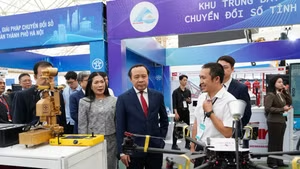
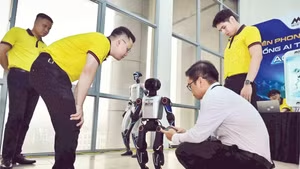
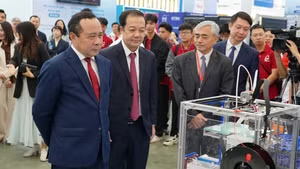
During the visit, the WASP delegation held working sessions with the Ninh Binh Provincial People’s Committee, leading universities including Viet Nam National University, Ha Noi University of Science and Technology and VinUniversity, as well as major technology companies such as FPT Group, VinMotion and SotaTek.
The activities were facilitated and supported by the National Innovation Centre (NIC) to promote exchanges on innovation ecosystems and AI research and development, while opening up opportunities for cooperation between Vietnamese research institutes, universities and technology enterprises and WASP’s research and industrial ecosystem.
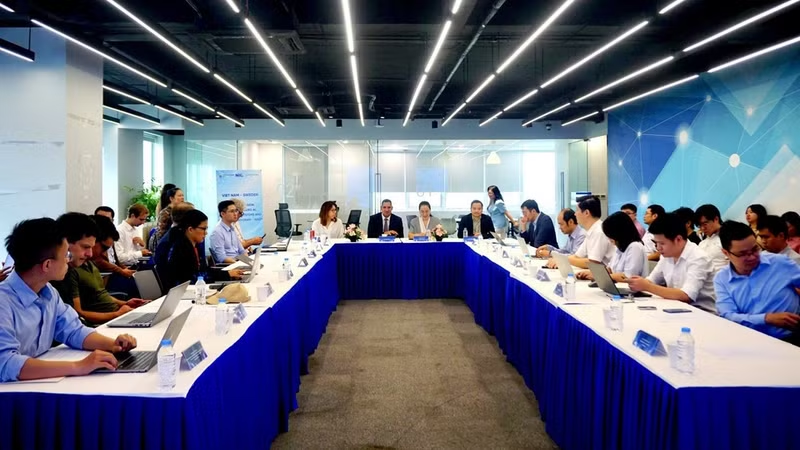
Notably, on October 22 in Ha Noi, the NIC under the Ministry of Finance, in coordination with the Embassy of Sweden in Viet Nam, held a working session with the WASP delegation.
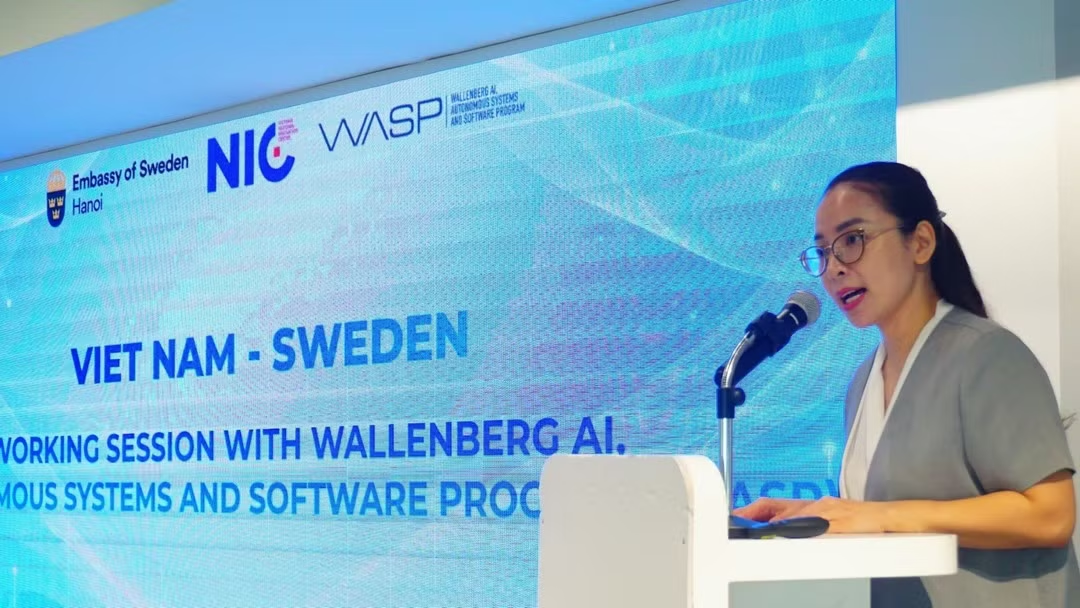
Speaking at the event, Kim Ngoc Thanh Nga, Deputy Director of the NIC, affirmed that Viet Nam, and the centre in particular, attached great importance to international cooperation, including cooperation with Sweden in AI, innovation and digital transformation.
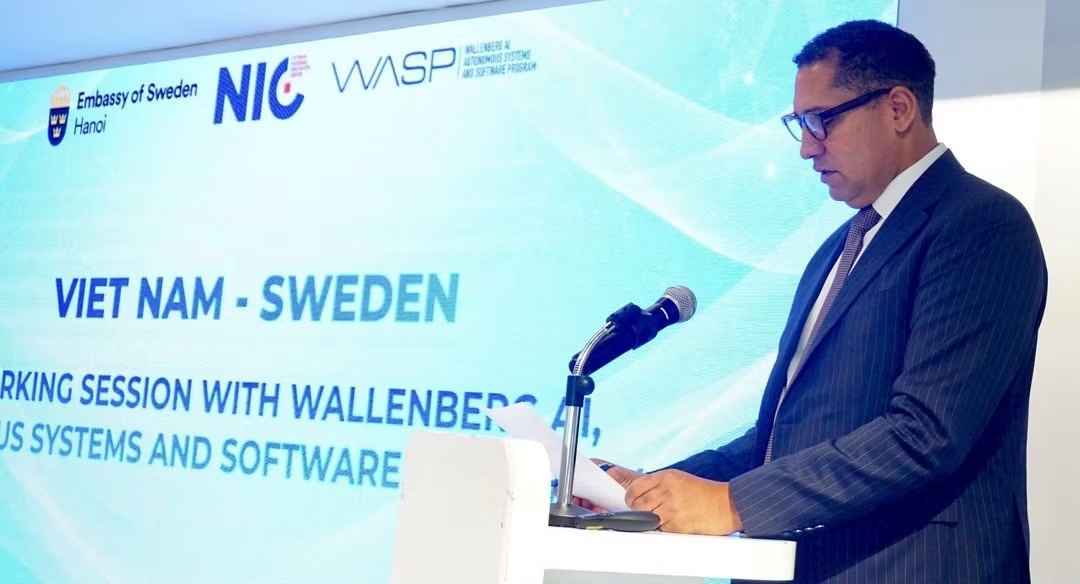
Sharing this view, Swedish Ambassador to Viet Nam Johan Ndisi highlighted the steady development of bilateral cooperation, particularly in innovation and digital transformation.
Ambassador Ndisi also pledged that Sweden, drawing on its extensive experience in these fields, stood ready to share expertise and pursue sustainable cooperation to build on existing achievements and expand the application of science and technology in production and everyday life.
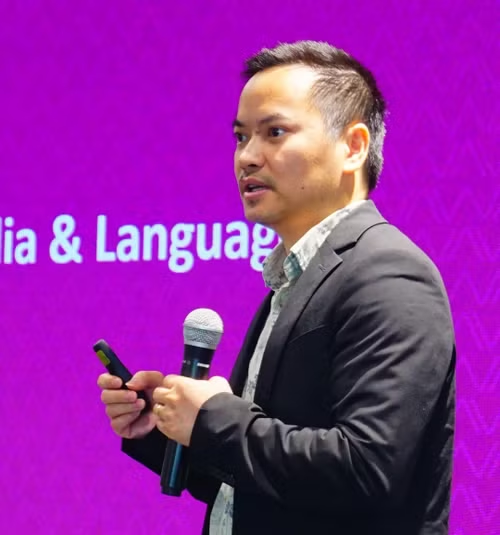
At the event, Associate Professor Vu Xuan Son, representing WARA Media & Language, introduced a model for connecting researchers and businesses within WASP. The model focuses on promoting AI research and applications in media and language through the development of shared research infrastructure, data sharing, model evaluation and technical support.
It also connects universities, research institutes and businesses to foster research cooperation and develop technological solutions with practical applications.
The event also showcased research and applications in AI, including multimodal AI models, interactive and creative AI, gesture-generation technology and AI avatar solutions capable of interacting through text, voice and images.
Featured projects included GENEA, an initiative to evaluate gesture-generation models; a generative AI-powered digital assistant; an AI avatar ecosystem developed by Umeå University; and the use of avatars as laboratory assistants at the university. The shared research platform Media AI Hub was also presented as a tool for connecting research groups, sharing resources and developing specialised AI applications in fields such as education, healthcare, finance and customer services.
During the session, Dr Nguyen Khanh Linh, Head of the International Cooperation and Communications Division at the NIC, gave an overview of Viet Nam’s innovation and AI ecosystem, highlighting the centre’s role as a focal point connecting state management agencies, businesses, research institutes, universities, investors and international partners.
“Through activities supporting business development, connecting investors, promoting research and development, facilitating technology transfer and advancing international cooperation, the NIC helps ecosystem stakeholders access resources, develop technological solutions and translate research outcomes into practical applications,” Dr Nguyen Khanh Linh said.
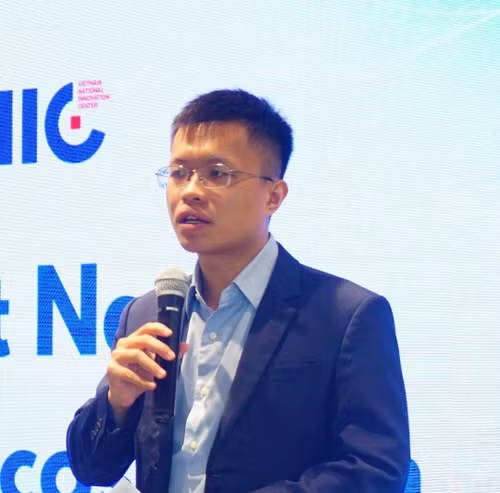
According to Dr Linh, connecting technology companies, research organisations and international partners in AI is an important way to strengthen research, development and technological application capabilities, thereby fostering innovation and enhancing Viet Nam’s competitiveness.
An open discussion session brought together representatives of research organisations, universities and technology companies from Viet Nam and Sweden. Participants exchanged views on AI research, development and applications, while discussing opportunities to connect research institutions with businesses. Through direct exchanges, the parties were able to gain a better understanding of one another’s capabilities, needs and technology development priorities, helping identify potential areas for cooperation in AI and related technologies.
Through its working sessions with WASP and Swedish partners, the NIC continues to strengthen its role in connecting Viet Nam’s innovation ecosystem with international research organisations, universities and technology companies, helping expand opportunities for cooperation in AI, innovation and digital transformation.