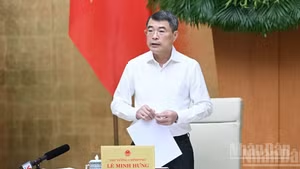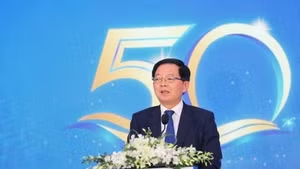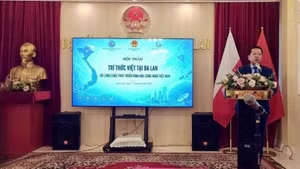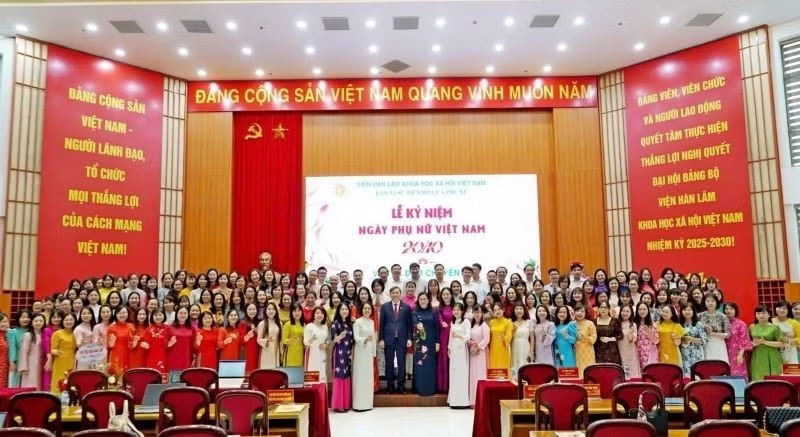
Speaking at the ceremony, Professor and Doctor Le Van Loi, President of VASS, said that women accounted for 964 of the Academy’s total workforce of 1,317 officials, public employees and workers. Not only did they make up a large proportion of the workforce, but they also held positions and worked across a wide range of fields, including scientific research, training, scientific management, international cooperation, advisory work, organisation, finance, administration, publishing, journals, scientific information, museums and digital transformation. The important contributions of female officials, public employees and workers had been instrumental in all the results and achievements attained by the Academy.
Amid efforts to accelerate digital transformation, renew scientific research practices, and respond to an increasingly heavy workload and rising professional requirements, the Academy’s officials, public employees and workers had consistently demonstrated a strong sense of responsibility, dedication, creativity and determination to fulfil their duties. Many female officials and scientists had participated in developing research projects, consultancy reports and policy recommendations to support the leadership and direction of the Party and the State. They had also actively engaged in professional activities, political commentary competitions and scientific tasks oriented towards digital applications, helping to renew working methods and generate value and improve work efficiency.
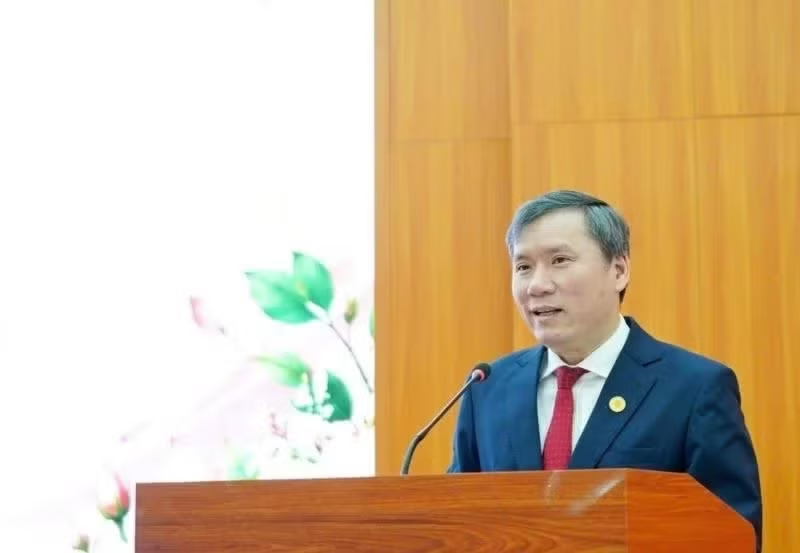
Professor and Doctor Le Van Loi highly praised the solidarity, sense of organisational discipline, professional responsibility and adaptability demonstrated by the female workforce in response to new requirements. These qualities were important factors in improving research quality, operational effectiveness and the Academy’s standing in contemporary scientific, political and social life. He also emphasised the need to pay more practical attention to the concerns, aspirations, mental well-being and working conditions of female officials, public employees and workers. Creating a supportive working environment, promptly identifying difficulties, addressing legitimate requests and fully recognising each individual’s contributions were all important to motivating staff, fostering a sense of responsibility and nurturing professional passion.
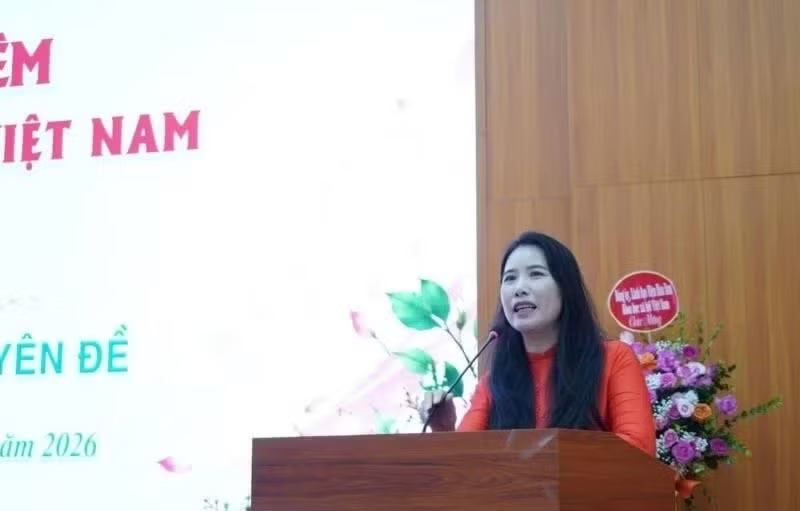
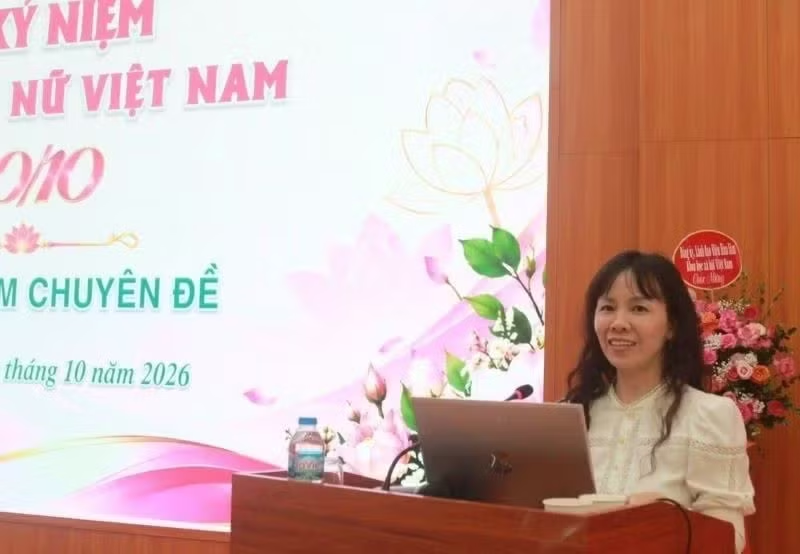
At the ceremony, Associate Professor and Doctor Nguyen Thi Phuong Cham, Director of the Institute of Cultural Studies, speaking on behalf of the Academy’s female officials, public employees and workers, shared that women were not only responsible for their professional duties but also had to manage numerous family responsibilities. Behind business trips, research projects and completed assignments lay the tasks of caring for family members and organising family life, which many women continued to undertake quietly. Therefore, understanding, support and recognition from leaders and colleagues were of practical significance, giving female staff greater motivation to continue pursuing their passion for science and contributing to society.
As part of the programme, a thematic discussion entitled “Women’s mental health and work–life balance in the modern workplace” was held.
At the discussion, Associate Professor, Doctor and Senior Lecturer Bui Thi Hong Thai of the Faculty of Psychology at the University of Social Sciences and Humanities delivered a presentation focusing on practical issues facing female officials, public employees and workers amid growing demands arising from work pressures, the impact of the digital environment and family responsibilities.