According to a report by the Ministry of Science and Technology, in implementation of Decision No. 808/QD-TTg dated June 5, 2026, issued by the Prime Minister on assigning strategic technology development tasks, the Ministry had received 29 task proposals from nine ministries and agencies. All 29 dossiers had been assessed and assessment reports had been prepared. Of these, 23 tasks met the requirements for approval, while six did not.
As of October 19, the ministries and agencies had approved 17 tasks, with a total proposed budget of more than 2,319 billion VND. Of this amount, the state budget was expected to provide more than 1,518 billion VND, accounting for 65.5%, while funding from sources outside the state budget amounted to 800.7 billion VND, equivalent to 34.5%.
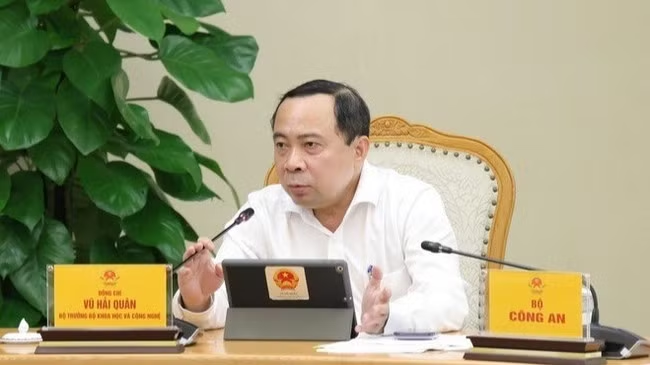
Of the approved tasks, five belonged to the Ministry of Construction, five to the Ministry of Health, two to the Ministry of Industry and Trade, two to the Ministry of Science and Technology, one to the Viet Nam Academy of Science and Technology, one to the Ministry of Agriculture and Environment, and one to the State Bank of Viet Nam.
Of the 23 tasks that met the requirements for approval, three had yet to be approved, one had only received an assessment report, and two had been designated by their supervising agencies as not to be implemented during this phase.
Since early September 2026, the Ministry of Science and Technology had received 10 additional proposals from the Ministry of Health, the Ministry of Culture, Sports and Tourism, and the Ministry of Agriculture and Environment. Of these, five had been reviewed by the assessment council; assessment reports for two were being finalised, while three did not meet the requirements for approval. The remaining five proposals were undergoing dossier reviews in preparation for assessment, which was expected to be completed in October 2026.
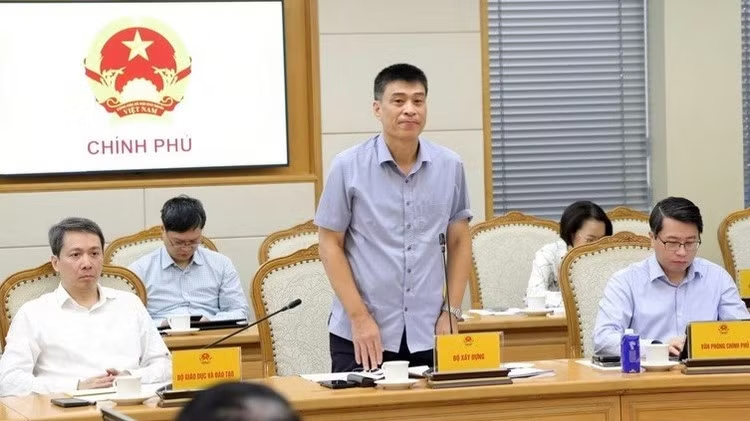
The Ministry of Science and Technology noted that the approved tasks and those eligible for approval whose procedures were being finalised focused on areas including space, electronics, energy, high-speed railways, healthcare, agriculture, robotics and artificial intelligence, education, and banking. These are sectors in which Viet Nam remains heavily dependent on imported technologies and equipment, but where domestic market demand is sufficiently large to support the development of production capacity.
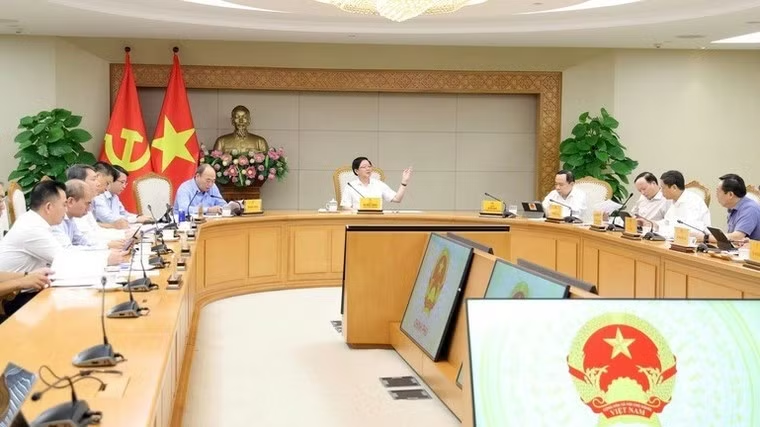
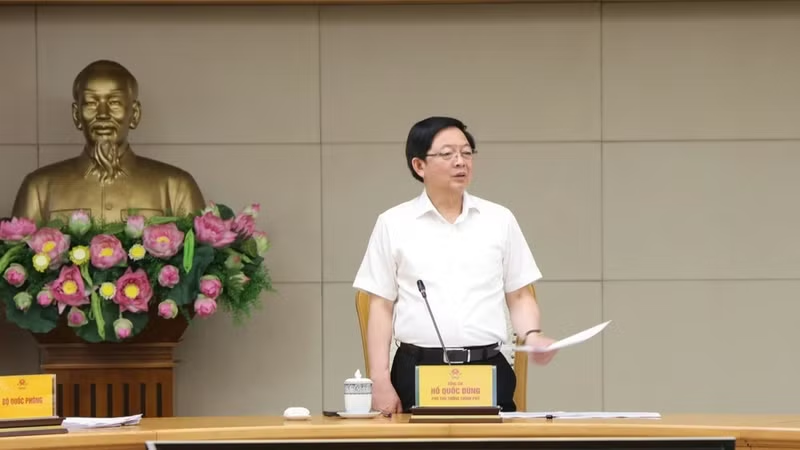
Concluding the meeting, Deputy Prime Minister Ho Quoc Dung emphasised that developing strategic technologies was both a responsibility and an honour for the ministries and sectors entrusted with these tasks by the Party and the State. This was a new field, and implementation had initially encountered difficulties and uncertainty; however, a roadmap and methods for organising implementation had gradually taken shape.
The Deputy Prime Minister welcomed the efforts made by ministries and sectors, while calling on them to promote dynamism, creativity and decisive action, and to be bold in implementing their tasks. He stressed that the goal was to develop strategic technology products that addressed the country’s development challenges, enhance their practical application, improve productivity and quality, serve the needs of citizens and businesses, and drive growth.
Regarding tasks that had not yet been approved, the Deputy Prime Minister requested that the ministries focus on finalising them and submit them to the Ministry of Science and Technology for consolidation, ensuring that approval was completed in October 2026. Accordingly, in addition to the 17 tasks already approved, efforts should be made to secure approval for at least 20 tasks so that implementation could proceed.
The Deputy Prime Minister called on ministries and sectors to demonstrate a strong sense of responsibility and take decisive action to ensure that strategic technology tasks were put into practice as soon as possible, producing tangible products and making practical contributions to the country’s development.