
Speaking to a reporter from Nhan Dan Newspaper, Dr Tran Diem Phuc, Deputy Director of the Quang Tri Provincial Centre for Innovation and Digital Transformation and the director of the project on “Enhancing Access to Information through Digital Transformation in the Sustainable Management of Natural Resources and Environmental Protection”, affirmed that, to promote digital transformation in every village, hamlet, and residential group, the province has established Community Digital Technology Teams in conjunction with the implementation of Project 06.
Notably, following the establishment of these teams, the local authorities also focused on implementing training programmes to enhance digital knowledge and skills and promote the role of team members in helping residents access and apply digital technology in their daily lives.
The training focused on an overview of digital transformation and the role of Community Digital Technology Teams; guidance on using digital platforms, online public services, and cashless payments; information security skills; and methods for supporting residents in digital transformation.
Through these activities, participants were equipped with knowledge of digital transformation policies and guidelines and received guidance on using the National Public Service Portal, administrative procedure processing systems, the VNeID application, and essential digital utilities. At the same time, particular emphasis was placed on improving their ability to identify and avoid online scams and protect personal information and digital data, helping residents use technology safely and effectively.

“The training activities are of practical significance in strengthening the capacity of Community Digital Technology Team members and promoting their role as a bridge between the authorities and the people. They bring digital platforms and services closer to residents, contribute to administrative reform and the development of digital government, and support the effective implementation of digital transformation tasks at the grassroots level,” Dr Tran Diem Phuc emphasised.
Community Digital Technology Teams – an ‘extension of the authorities’ reaching the public in the digital age
The Quang Tri Provincial People's Committee issued Official Letter No. 541/UBND-KGVX dated August 18, 2025, to ensure the coordinated implementation of digital transformation activities following the merger of commune-level administrative units. On this basis, local authorities established Community Digital Technology Teams in villages, hamlets and residential groups in conjunction with the implementation of Project 06.
The provincial document stipulates that each team must have at least seven members, responsible for disseminating information and raising awareness of digital transformation, as well as guiding residents in using digital platforms and technologies, with particular attention paid to disadvantaged groups.
With regard to the online public service model, we are providing computers for Community Digital Technology Teams, which are regarded as an ‘extension of the authorities’ in reaching the public. With this computer system, when using public services or updating information, residents will no longer have to travel long distances to commune-level Public Administration Service Centres, endure difficult journeys, or spend time taking queue numbers and waiting.
Dr Tran Diem Phuc, Deputy Director of the Quang Tri Provincial Centre for Innovation and Digital Transformation.
The teams will also provide direct assistance with online application submissions, answer questions, and address difficulties, while strengthening communication efforts to build community consensus on the benefits of digital transformation.
The Quang Tri Provincial People's Committee requires communes, wards, and special administrative zones to maintain regular, practical activities and uphold the principle of “hands-on guidance”, helping residents access digital services more quickly and conveniently.
During a field trip to Quang Tri Province in early October 2026, Deputy Director Tran Diem Phuc shared further details with us: “Previously, when the Community Digital Technology Teams were first established, their activities were not truly effective. The reason for this was that many officials at the time lacked a firm grasp of technology, and many team members were older. Following inspections and restructuring, we required the teams to comprise young officials with the necessary capabilities, who could quickly grasp new technologies and were enthusiastic about their work.”
For this reason, in order to sustain the group and enhance its operational effectiveness, Tran Diem Phuc proposes the following:
First, members of Community Digital Technology Teams must be capable, proficient in technology, and enthusiastic about their work. They must both absorb the information and knowledge provided by higher-level authorities for public communication and proactively research applications such as VNeID, information security, and online public services on the internet, as well as applications specific to Quang Tri Province. Only by mastering this knowledge can they provide residents with the best possible support.
In addition, under the regulations governing the establishment of the new teams, the membership structure is also linked to specific responsibilities. The team leader is usually the village head or the secretary of the village Party cell, while other members include village police officers, Youth Union members, representatives of the Viet Nam Fatherland Front, and teachers.

“Basically, all members perform these duties alongside their other responsibilities. When they receive detailed guidance from higher-level authorities, these part-time teams can fully realise their capabilities and fulfil their roles. If the task is assigned solely to a Youth Union member who is not involved in any grassroots organisations, it is very difficult to sustain the activities over the long term,” Phuc pointed out.
Second, with regard to residents, the knowledge and information disseminated by Community Digital Technology Teams must be closely aligned with people's actual needs. Communication content must reflect the practical needs and specific characteristics of each locality so that residents feel confident in participating and cooperating.

“With regard to the online public service model, we are providing computers for Community Digital Technology Teams, which are regarded as an ‘extension of the authorities’ in reaching the public. With this computer system, when using public services or updating information, residents will not have to travel long distances to commune-level public administration service centres, enduring difficult journeys and spending time taking queue numbers and waiting,” Phuc said.
Further assessing the activities of the Community Digital Technology Teams, Phuc said that trained teams would provide residents with guidance on submitting online applications directly in their villages on a regular basis. This is a highly appropriate solution under the two-tier local government model, particularly in remote and isolated areas, helping residents gradually gain access to digital transformation.
Effective digital transformation in access to information requires collective effort and unity
Affirming the effectiveness and role of multi-stakeholder cooperation in improving public access to information, Tran Diem Phuc said that close coordination was needed among multiple parties, including the state, socio-political organisations, supporting and sponsoring partners, and the active participation of the wider public.
First, higher-level state agencies, specifically provincial departments and sectors, are responsible for developing tools to provide information, such as electronic information portals and websites, and publicly disclosing relevant information catalogues. Next, grassroots authorities, particularly commune-level people's committees, play a direct role in providing information. Commune-level officials themselves must understand that the greater the transparency and openness of information, the more administrative procedures and paperwork can be reduced, along with the time spent responding to explanations and handling complaints and lawsuits from residents.
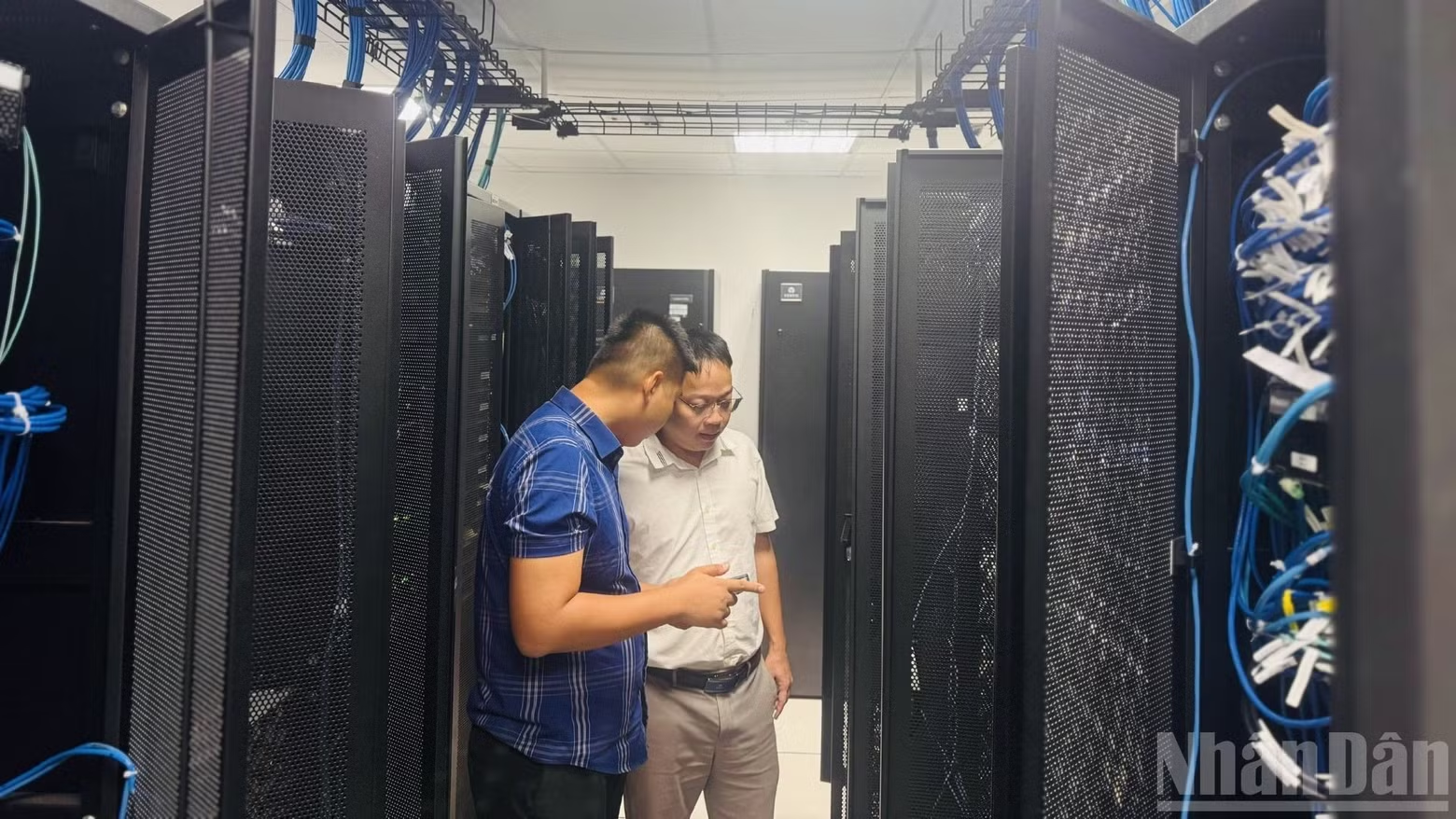
Socio-political organisations and partners play a dual role in coordinating implementation and supporting communication activities. Notably, the support of sponsors, including Red Communication and Oxfam, has helped ensure smooth and effective implementation. Above all, the people themselves are both the actors responsible for implementation and the beneficiaries. “As their awareness and understanding improve, residents will proactively cooperate with and support the Community Digital Technology Teams,” Dr Phuc expressed his confidence.
It is clear that strengthening the 917 Community Digital Technology Teams in Quang Tri represents a strategic step towards translating digital transformation policies into practice, bringing public services in general and information on natural resources and the environment in particular closer to people at the grassroots level.

When operated by a capable and enthusiastic young workforce, with coordinated cooperation among the authorities, mass organisations, and supporting partners, together with the backing and collective efforts of the public, this model of Community Digital Technology Teams as an “extension of the authorities” will undoubtedly strongly promote equal access to information for all residents, particularly disadvantaged groups.
This also provides vivid evidence of the principle of “putting the people first” in the digital age, creating a fundamental driving force for building a transparent digital government that effectively serves the goal of sustainable socio-economic development in the locality and contributes to the country's journey towards shaping a new era in the current context.