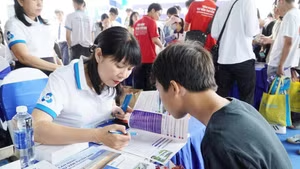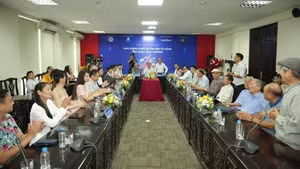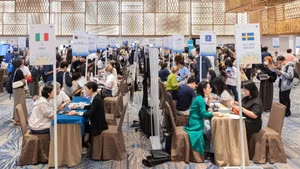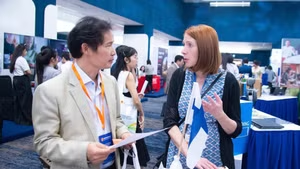
VietEdu Fair 2026, recently held at the Viet Nam Exhibition Centre in Ha Noi, brought together 70 businesses showcasing their products and services at more than 60 booths, with participants from Viet Nam, the Republic of Korea and other countries. Alongside trade activities, the event served as a forum for schools, businesses and management agencies to discuss challenges arising in the process of educational reform.
Standardising STEM equipment and learning materials
One of the biggest challenges facing the ongoing reform of the general education curriculum is the gap between theoretical knowledge and the infrastructure needed for practical learning. Although many schools have made efforts to integrate STEM into teaching, such activities in many places remain largely campaign-driven, lacking consistency and accompanying standardised learning materials.
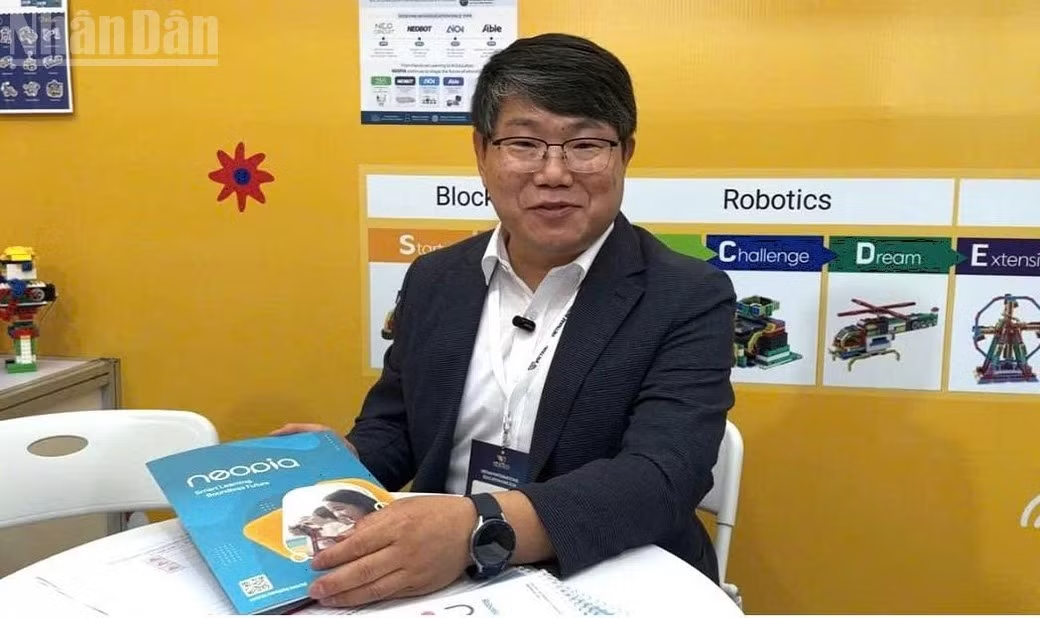
Drawing on international experience presented at VietEdu Fair 2026, the programmable robotics solutions offered by NEOPIA, a company from the Republic of Korea, provide an important example of the standardisation process. Speaking on the sidelines of the exhibition, Sung Shin Woong, CEO of NEOPIA, said that programming education and computational thinking have become compulsory components of the practical arts subject at primary schools in the Republic of Korea.
Notably, the Korean Ministry of Education has evaluated and directly incorporated Neopia's AI-powered programmable robotics kits into official textbooks, with the products accounting for approximately 80% of the market share in Korean primary schools.
Sung Shin Woong emphasised: "No matter how advanced a technological device may be, it becomes meaningless if it is not integrated into the educational curriculum and textbooks. At VietEdu Fair 2026, we are introducing a learning model that has proved effective in practice in the Republic of Korea. We hope to cooperate with Vietnamese publishers and education management agencies to explore the integration of these visual programming tools into STEM experiential learning programmes. This is the shortest path for students to acquire digital skills systematically and in accordance with appropriate standards, starting from preschool and primary education."
Integrating arts, foreign languages and science
Another trend observed at the exhibition was the breaking down of rigid boundaries between natural sciences, arts and languages. The traditional separation of technical and social science disciplines can sometimes make foreign language learning and artistic creativity dry and lacking in interaction.
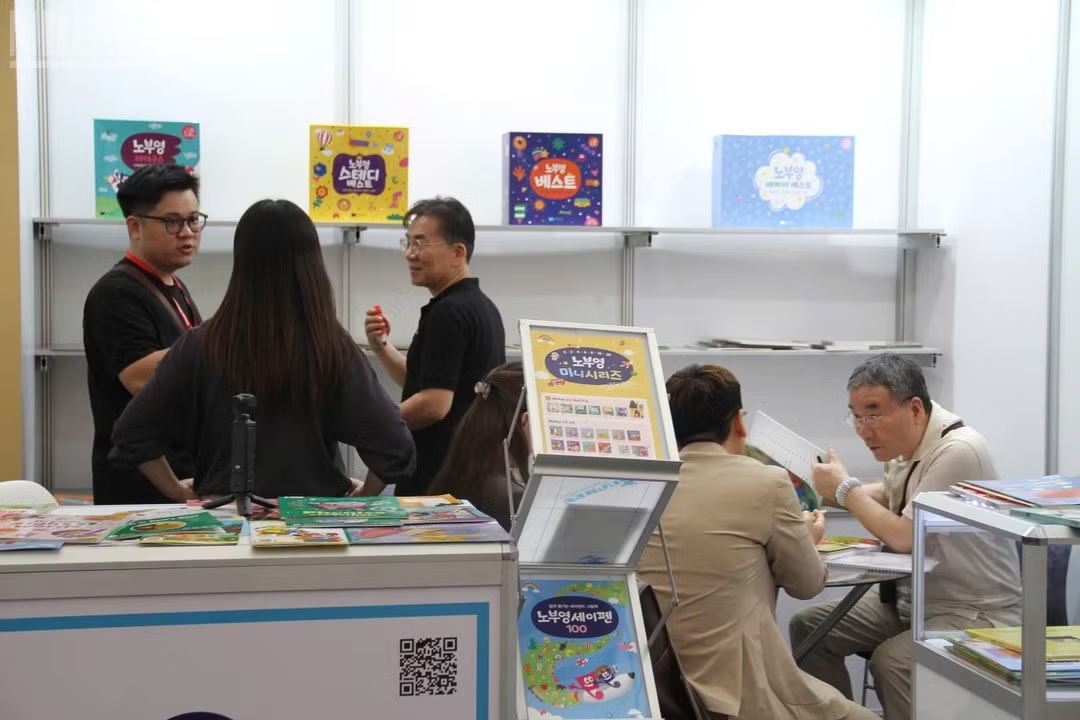
A second clear shift at the exhibition was the move away from rigid divisions between "natural sciences" and "arts and languages". For years, the separation between technical and social science disciplines has sometimes made foreign language learning and artistic creativity less engaging and interactive.
Integrated STEAM education models, such as Art Crego from the Republic of Korea, operated by ICME, demonstrated the effectiveness of an approach that uses art as a catalyst for thinking. Rather than passively memorising vocabulary, students learn English through hands-on activities, assembling three-dimensional models of the Colosseum or recreating artistic settings inspired by the works of Vincent van Gogh.
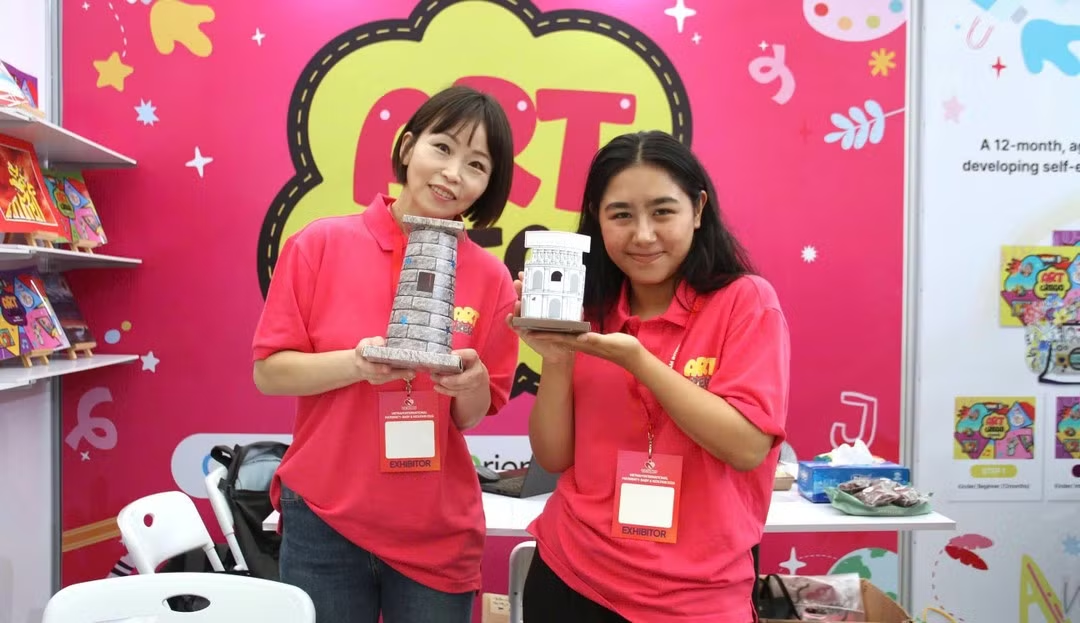
Speaking to reporters, Rosalinda, a communications representative of the Art Crego Project under ICME, said the new initiative has been designed flexibly to meet both business-to-consumer (B2C) demand for independent learning at home and business-to-business (B2B) demand for integrated learning materials among schools and education centres. After successfully operating the ICME school in Ha Noi, which enrolled approximately 200 students over the past year, the company observed that Vietnamese students demonstrate strong learning abilities and a highly developed sense of aesthetics.
“Art has no language barriers. When children learn English while exploring history and science through creating handicraft products, both logical and emotional thinking are activated. With a focus on both B2C and B2B channels, these learning materials can be fully localised for flexible use in school systems or for students’ independent learning at home across Viet Nam's provinces and cities,” Rosalinda affirmed.
Gradually building an experiential learning ecosystem
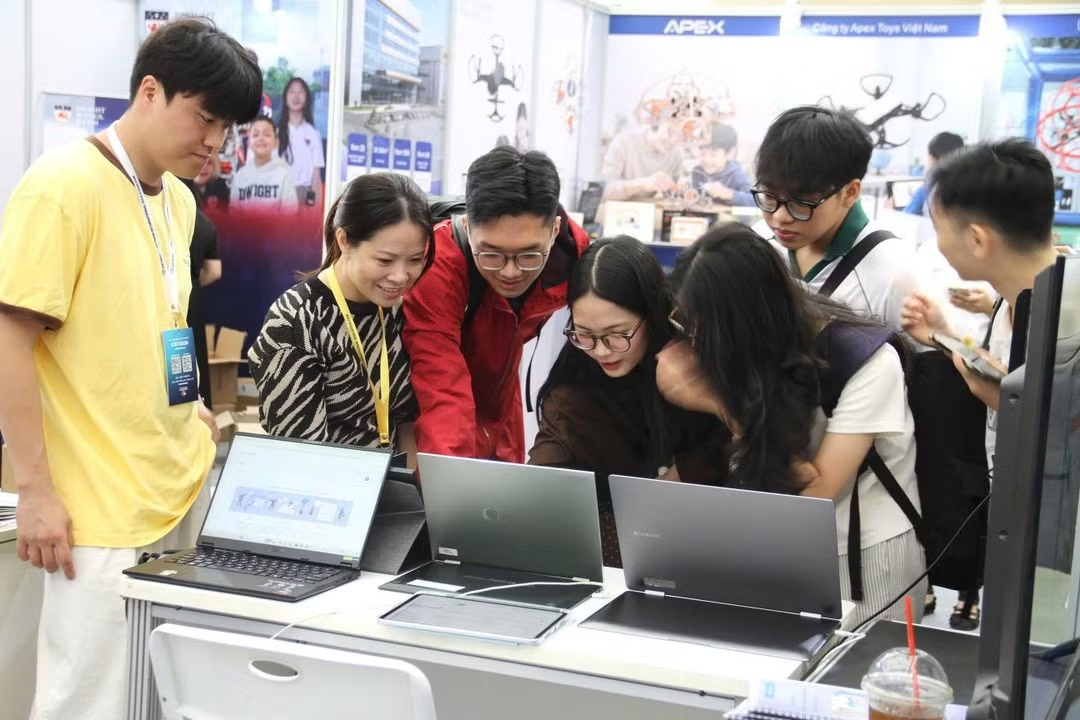
Overall, the exhibition booths presented a relatively comprehensive experiential learning ecosystem. In the educational technology platform segment, Educanvas Inc. introduced a smart-space solution using near-field communication (NFC) technology and data analytics to support personalised career guidance pathways for students from the general education level.
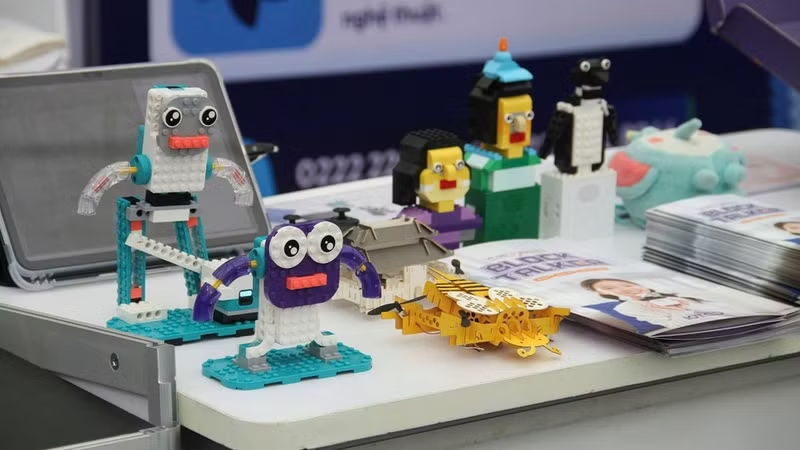
In the interactive equipment segment, visitors experienced RoBico screen-free robots, educational drones and augmented reality (AR) applications, helping turn abstract concepts into visual representations.
Notably, alongside modern magnetic building blocks, many booths also displayed wooden construction toys recreating Vietnamese cultural heritage landmarks, such as the Ho Chi Minh Mausoleum and One Pillar Pagoda. This demonstrates that technologies and educational methods introduced from abroad can realise their full potential only when connected with cultural identity, national pride and the broader goals of education.
As a result, the philosophies of “learning through play” and “learning by doing” are no longer confined to theory but are reflected in tangible learning materials and equipment that students can directly use and interact with.
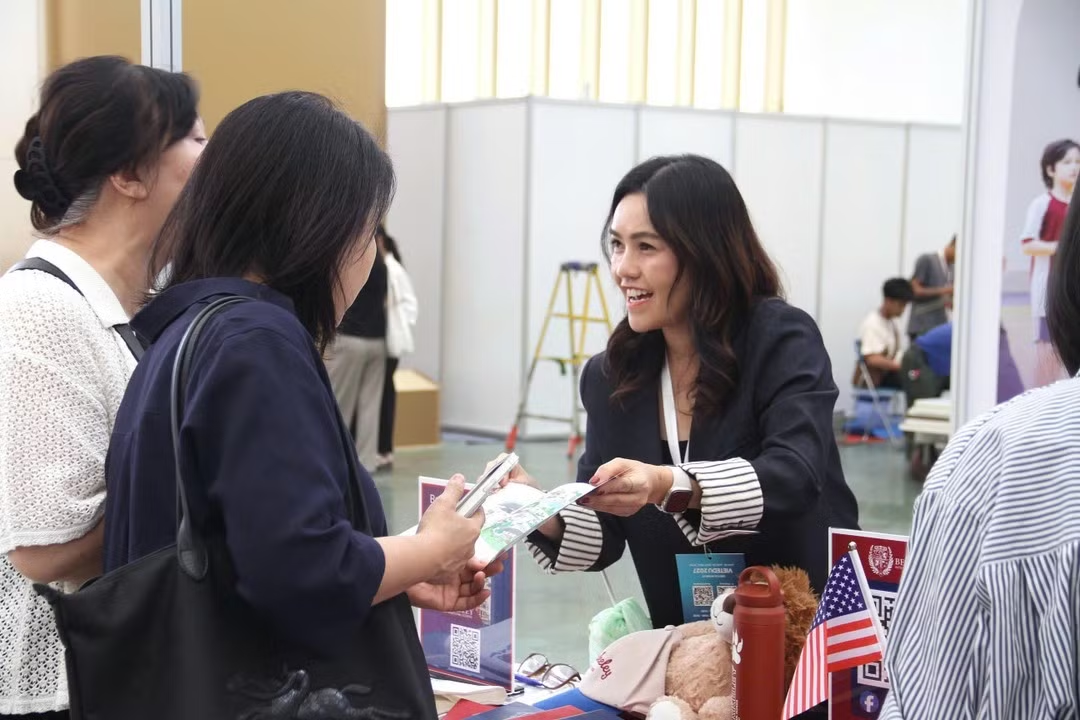
According to many experts and representatives of educational institutions at VietEdu Fair 2026, establishing a more flexible framework for evaluating and approving learning materials is crucial to ensuring that technological solutions move beyond exhibition halls and reach classrooms. At the same time, strengthening public-private partnerships between schools and businesses will help optimise infrastructure and integrate technology with innovative teaching methods.
To achieve this, more flexible mechanisms are needed for the evaluation and approval of learning materials, alongside greater mobilisation of social resources and encouragement of public-private partnerships between schools and reputable domestic and international educational technology companies. Developing modern educational infrastructure, where technology works alongside innovative teaching methods, will contribute to training highly skilled human resources and enabling Viet Nam's younger generation to integrate confidently into the world.