
Learning to perform everyday tasks more effectively
In Chuong Village, Thanh Oai Commune, Ha Noi, Pham Thi Van passes down her knowledge of selecting palm leaves, shaping and stitching conical hats to her daughter, just as generations of her family have done.
Her daughter, Le Thi Thu Ha, an e-commerce student, brings home new skills in photography, content creation and using social media to promote their products. While the mother passes on traditional craftsmanship, the daughter introduces skills for the digital age. The two generations learn in different ways, helping their traditional craft adapt to today's market.
The skills people need to acquire often arise from their everyday work. Artisans learn to market their products online; market vendors become familiar with QR code payments; and older people learn to use VNeID, access online public services or identify fraudulent phone calls. For workers, learning may simply mean mastering a new tool that makes their jobs easier.
At Tam Thang Market in Cu Jut Commune, Lam Dong Province, H'Mut began using digital technology to address a very practical need. Previously, whenever customers wanted to pay by bank transfer, she had to rely on her child's account or ask a neighbouring vendor for assistance. After receiving guidance from the local Community Digital Technology Team, she now has her own bank account and QR code to receive payments directly. According to H'Mut, this method is more convenient for both buyers and sellers. For her, learning a simple digital skill means being able to do independently today what she previously needed someone else's help to accomplish.
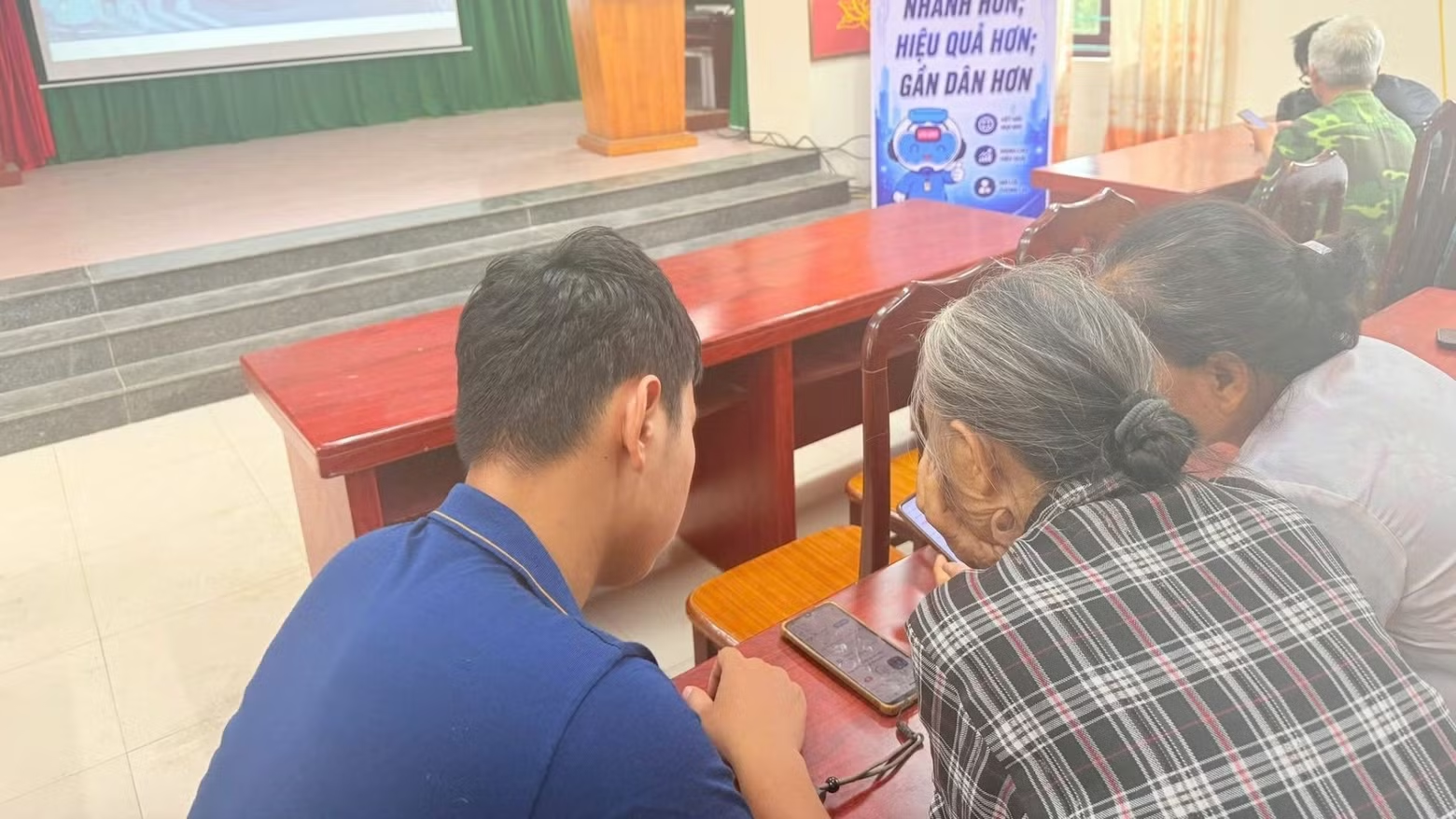
Individuals are encouraged to choose at least one useful digital skill to learn, practise and apply in their work and daily lives. Community learning centres are encouraged to offer training closely aligned with everyday needs, including online public services, cybersecurity, e-commerce, personal financial management and technology applications in production and business.
The network supporting learning outside formal education is now present in most localities. According to Le Manh Hung, Vice President and Secretary General of the Viet Nam Association for Promoting Education, the country has more than 28 million members of study promotion associations and over 11 million registered accounts on the software platform used to assess the "Learning Citizen" title.
During the 2024–2025 academic year, community learning centres, continuing education centres and vocational-continuing education centres recorded more than 24.56 million attendances at courses providing updated knowledge, skills and continuing training. Nationwide, there were 10,278 community learning centres, covering 96.89% of communes, wards and townships under the administrative structure in place at the time of the survey.
However, the scale of the network and the number of participants reflect only part of the learning process. Opening a class, enrolling a participant or registering an account is merely the starting point. What matters more is whether learners can apply their new knowledge at home, in the market, at production facilities and in their everyday work.

In Cu Jut, learning opportunities are being brought closer to local communities through the "Smart Village" model, implemented in 20 villages and hamlets, alongside 20 Community Digital Technology Teams.
Residents receive guidance on basic digital skills and are introduced to artificial intelligence (AI) applications for tasks such as drafting documents, summarising information and processing data.
In such communities, lifelong learning does not necessarily begin with a formal class or an extensive training programme. It may involve a child showing their parents how to sell products online, a market vendor receiving payments independently through a QR code, or a resident completing an online administrative procedure for the first time. Learning a skill that meets an immediate need and can be applied directly to everyday life is one way of making learning a natural part of daily routines.
Using technology responsibly
As technology becomes more deeply integrated into work and daily life, digital skills must go beyond mastering a few familiar operations. A vendor who knows how to receive QR code payments must also be able to recognise fraudulent codes. Similarly, AI users need to verify information, protect personal data and take responsibility for the content they use.
These skills are becoming increasingly essential as digital tools become easier to access. When using AI, people need to know how to check and verify information, cite sources and understand the limitations and risks of the technology. Digital literacy therefore involves not only the ability to use technology but also the capacity to protect oneself and use digital tools responsibly.
According to Le Thi Mai Hoa, Deputy Director of the Education Department under the Party Central Committee's Commission for Publicity, efforts to bring lifelong learning movement closer to the public have made considerable progress.
Effective learning models and examples of self-directed and continuous learning in daily life and work should be promoted and replicated. More importantly, she noted, attention should be paid to what people can actually do after participating in each learning activity.
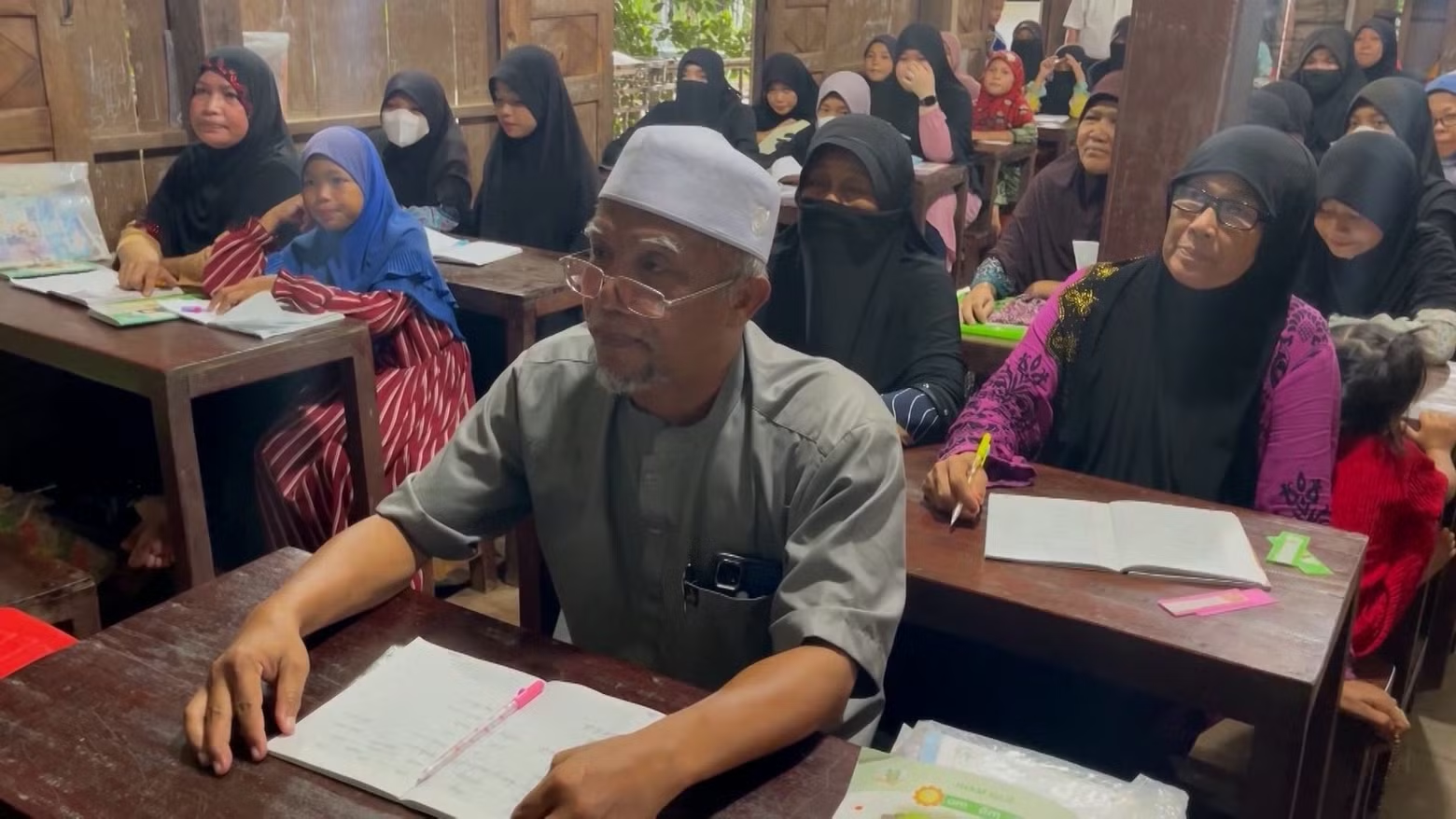
This question is particularly relevant given the disparities in access to technology among different population groups. According to a report by the Viet Nam Association for Promoting Education, some grassroots study promotion officials are elderly and not yet proficient in using computers or smartphones, while certain localities still lack adequate equipment and internet connectivity.
Meanwhile, the target for 2030 is for 90% of people awarded the "Learning Citizen" title to possess digital skills, with 80% demonstrating proficiency in the digital environment.
Older people, persons with disabilities, ethnic minority communities and residents of disadvantaged areas have different levels of access to technology and different learning needs. Some need to learn how to use online public services, while others need guidance on protecting their accounts or recognising suspicious links and QR codes. Learning opportunities therefore need to reach individual communities more effectively and begin with the problems people encounter in everyday life.
A community-based digital skills support point does not necessarily need to start with complex lessons. Residents may seek assistance with a suspicious message, a fraudulent website, an account that needs protecting or AI-generated information that requires verification.
Through guidance based on such real-life situations, learners can gradually progress from knowing how to perform basic operations to understanding how to respond appropriately and protect themselves in the digital environment.
As technology continues to change, the skills people need will also evolve. Community learning centres can therefore become places where residents seek assistance whenever they encounter a new administrative procedure or need to learn how to use an unfamiliar technological tool. Ultimately, the value of learning lies in a very tangible change: being able to accomplish independently today what required someone else's assistance yesterday.