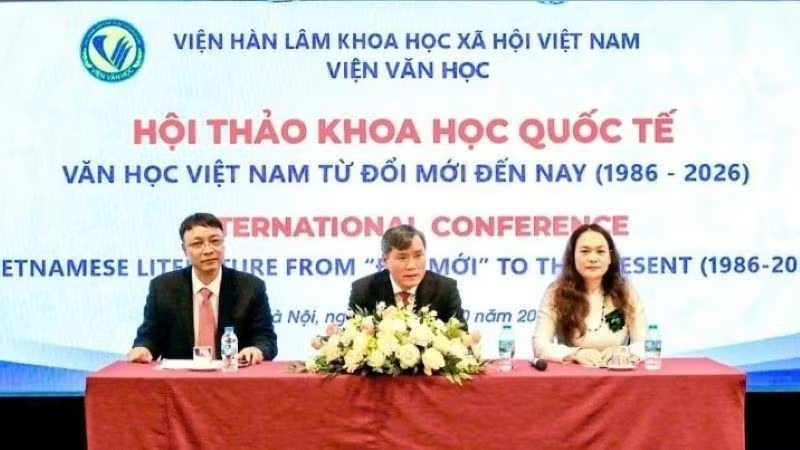
The conference aimed to review and assess the outstanding achievements of Vietnamese literature during the Doi Moi (Renewal) period, while identifying issues arising in contemporary literary life. It also sought to suggest orientations, recommendations and solutions to further promote the development of Vietnamese literature in the new period.
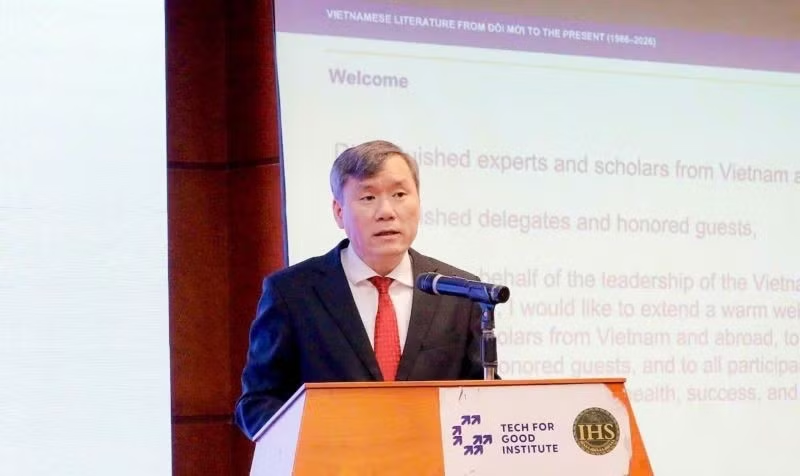
In his welcome address and opening remarks, Professor and Doctor Le Van Loi, President of the Viet Nam Academy of Social Sciences, affirmed that the 1986 Doi Moi milestone marked an important turning point in the country’s historical development, bringing about profound changes across many fields, including the economy, politics, culture and society. It also placed new demands on the understanding, assessment and promotion of the nation’s endogenous resources in the process of nation-building and international integration.
According to Professor and Doctor Le Van Loi, over the past 40 years, Vietnamese literature has undergone significant changes. This has been a process of development characterised by the connection between tradition and modernity; between preserving national identity and expanding international exchanges; and between community values and the need to assert the creative individuality of artistic subjects.
The President of the Academy expressed his confidence that the conference would serve as an important academic forum for domestic and international scholars to exchange views, engage in dialogue, and identify and substantively assess achievements; broaden approaches and research methodologies; and draw lessons from experience. It would also help clarify the laws governing the development, characteristics, prospects and orientations for the development of Vietnamese literature in the new historical context.
The President of the Academy also highly appreciated the efforts made by the Institute of Literature in organising the conference, and expressed his deep appreciation for the participation and intellectual contributions, dedication and talent of domestic and international scholars and experts. Their contributions would help expand the scope of academic exchanges, promote interdisciplinary dialogue and enhance understanding of Vietnamese literature in relation to the literature of countries in the region and around the world.
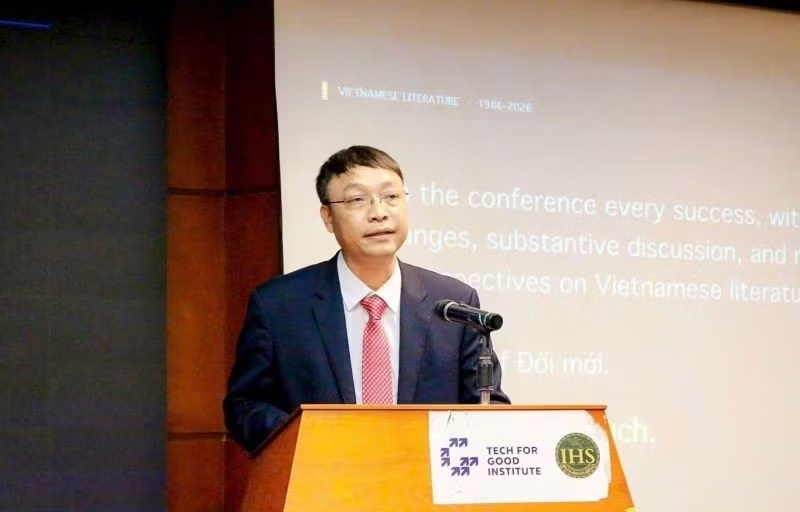
Doctor Nguyen Huy Binh expressed his expectation that the conference would focus on assessing the outstanding achievements, as well as the limitations and challenges that Vietnamese literature needs to overcome, from Doi Moi to the present (the 40-year period from 1986 to 2026). On that basis, it would review theoretical and practical issues currently arising and put forward recommendations and orientations for literary research, creation, criticism, reception and promotion, in line with the requirements for developing Vietnamese culture and people in the new period.
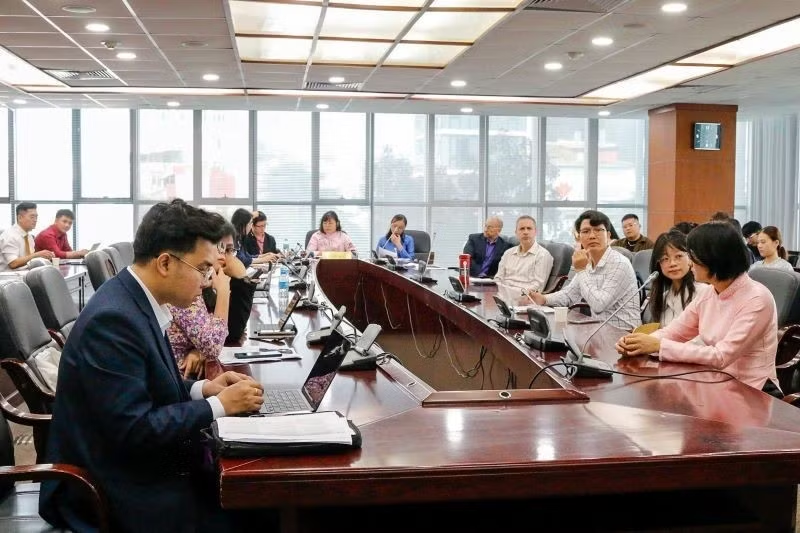
The organising committee said that, over a six-month period, it had received more than 120 papers from scholars and researchers representing over 40 organisations, agencies, research institutes, universities and educational institutions at home and abroad. These included international scholars from five institutions in four countries: Chulalongkorn University (Thailand); the Research Institute for Languages and Cultures of Asia at Mahidol University (Thailand); the National University of Singapore (Singapore); the School of Foreign Languages at Peking University (China); and the University of California, Riverside (the United States).
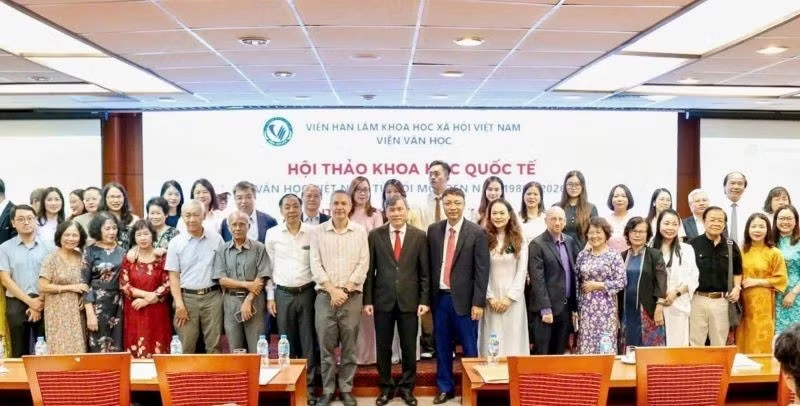
In his concluding remarks and at the closing of the conference, Doctor Nguyen Thi Thanh Nga, Deputy Director of the Institute of Literature, expressed her appreciation for the interest and presence of leaders and distinguished guests, the enthusiastic participation of domestic and international researchers, and representatives of media organisations.
Through the papers presented and the exchanges and discussions, the organising committee had listened to and gathered opinions from domestic and international scientists and experts to review and assess the state of research into Vietnamese literature over the 40 years since the Party launched the Doi Moi process, as well as to examine a number of literary issues and phenomena that have emerged since Doi Moi.
This event follows a series of literary review conferences previously held by the Institute of Literature, contributing to affirming the sound policies and guidelines of the Party in the Doi Moi process, as well as the value and contributions of Vietnamese literature to the country’s cultural development.