He recognised the significant outcomes in implementing the national action plan for basically overcoming the consequences of toxic chemicals used by the US during the war in Vietnam. The action plan was for the 2012-2015 period with plans for 2020.
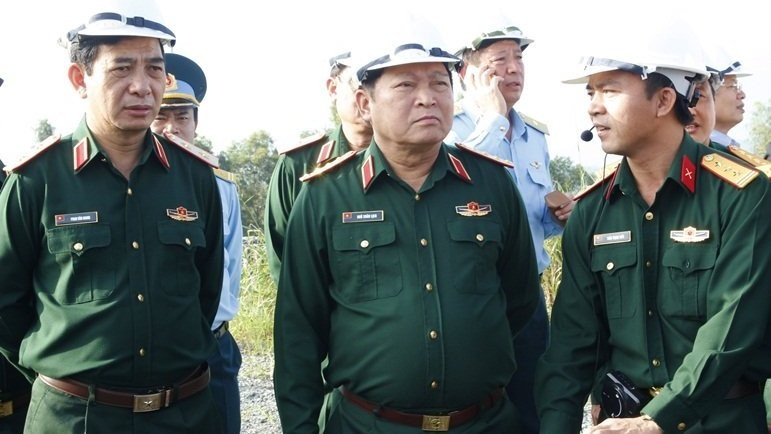
Domestic units have closely worked with the US Agency for International Development (USAID) to complete the first phrase of the dioxin decontamination project at Da Nang Airport, he said.
The minister urged the involved parties to carry out effectively and to ensure the progress and quality of the second phase, while building and implementing similar projects in Bien Hoa and Phu Cat Airports via non-refundable official development assistance (ODA) sponsored by the US and other countries.
He suggested stepping up international cooperation to deal with the toxic chemicals at hotspots and newly discovered contaminated areas.
At the same time, it is necessary to promptly provide medical support for victims of Agent Orange (AO)/Dioxin and to improve research and environmental monitoring capacity in the field, he added.
Major General Bui Anh Chung, deputy commander of the Air Force Air Defence Command, said the US-sponsored dioxin treatment project was launched in June 2011 with a majority of the workload completed.
The use of a thermal treatment system (In-Pile Thermal Desorption-IPTD) in the first phrase helped clean up around 19 hectares of land and ponds, 5.97 hectares of which were handed over to Vietnam Airlines to build an expanded runway to serve the APEC Summit in 2017.
More land will be handed over to the company in January 2017 to serve local socio-economic development, Chung said, adding that the thermal treatment system for the second phase was put into operation in November 2016.
Units involved in the project have also taken into account issues of environmental pollution and have closely monitored hazardous waste.