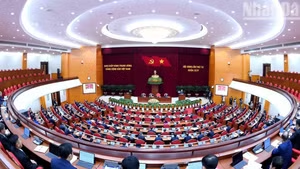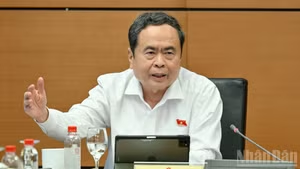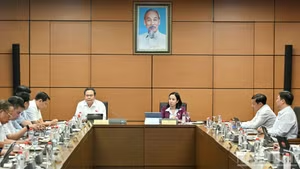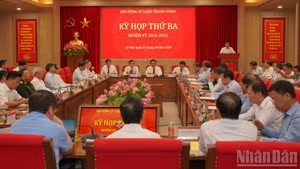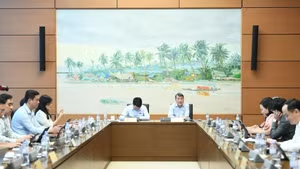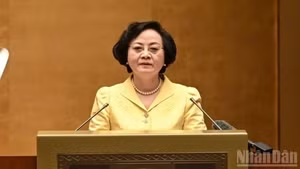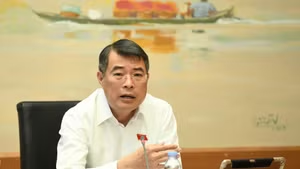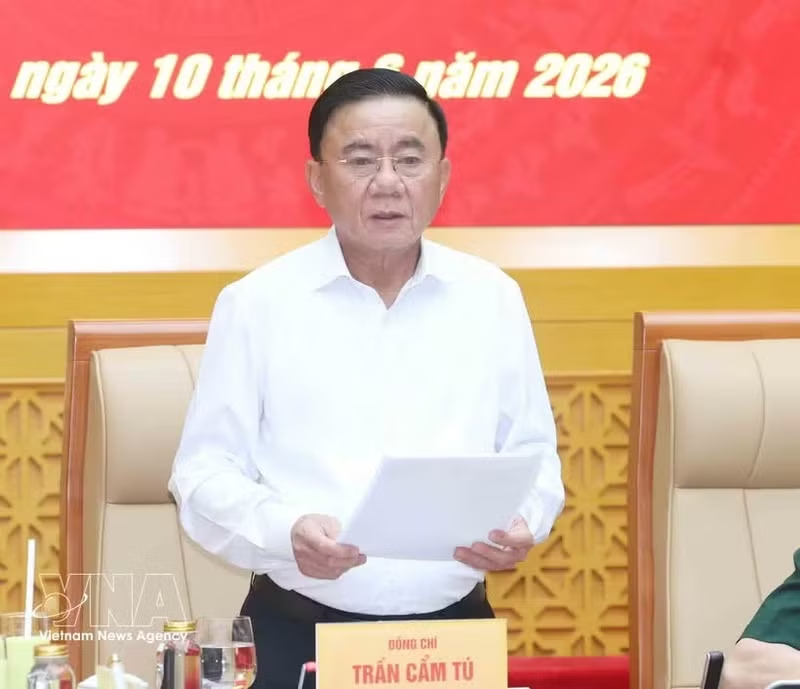
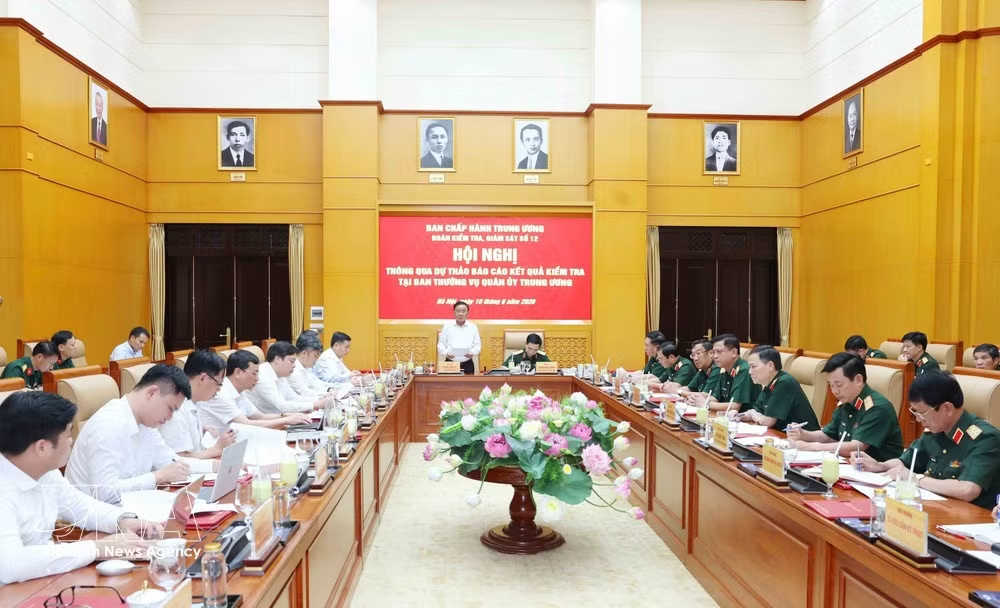
Politburo member and Permanent member of the Communist Party of Viet Nam (CPV) Central Committee's Secretariat Tran Cam Tu on June 10 chaired a conference to approve a draft report on the results of inspection of the Central Military Commission's Standing Board.
Tu, who is also head of Inspection and Supervision Delegation No. 12 of the Politburo and Secretariat, praised the Central Military Commission for its efforts and achievements in implementing major Party policies and resolutions, noting that it had completed a substantial workload while meeting assigned requirements, especially in streamlining and strengthening the military organisational structure.
He noted that military units at all levels have carried out organisational reforms in a coordinated manner, particularly in enhancing the capacity of military command units at the commune, ward and special administrative zone levels. Difficulties arising during the implementation of the two-tier local administration model were promptly addressed, helping ensure the fulfilment of defence and military tasks.
The senior Party official also spoke highly of the commission’s role in promoting defence-economic development in strategic areas, contributing policy recommendations to maintain a peaceful environment for national development, and actively participating in social welfare, search-and-rescue and disaster-relief activities.
He highlighted measures adopted to ensure military enterprises contribute to economic growth and strengthen national defence and security. The commission has also played an active role in addressing long-delayed projects and implementing key national and dual-use infrastructure, while managing and allocating resources.
Regarding the implementation of Resolution No. 57-NQ/TW on science and technology development, innovation and digital transformation, Tu said the Central Military Commission and the Ministry of National Defence had promptly translated the Party’s guidelines and the State’s policies into action programmes and plans, creating an important foundation for advancing innovation and digital transformation across the army.
Many major science and technology projects have been implemented on schedule, producing research outcomes and dual-use technologies with high practical value, he said, noting that these achievements have helped strengthen national technological self-reliance, promote the development of the defence industry and enhance the military’s capacity to safeguard the nation in the new context.
While recognising the results achieved, Tu urged the Central Military Commission’s Standing Board to soon take solutions to remaining shortcomings. He said the Inspection and Supervision Delegation No. 12 will review comments and recommendations received at the conference before finalising the report for submission to the Politburo.
According to the draft report, the Central Military Commission and the Ministry of National Defence have implemented Party directives to streamline and strengthen the military’s organisational structure. Nearly a year after the restructuring process began, military agencies and units have stabilised operations, maintained unified leadership and command, enhanced combat readiness, and strengthened the role of local military forces in supporting defence and security tasks.
They have also contributed to maintaining a stable environment for socio-economic development, while engaging in disaster relief, epidemic response and technological innovation. Meanwhile, military-run enterprises have recorded positive business performance, contributed to the state budget, generated employment, and participated in key infrastructure projects, particularly in remote, border and island areas.